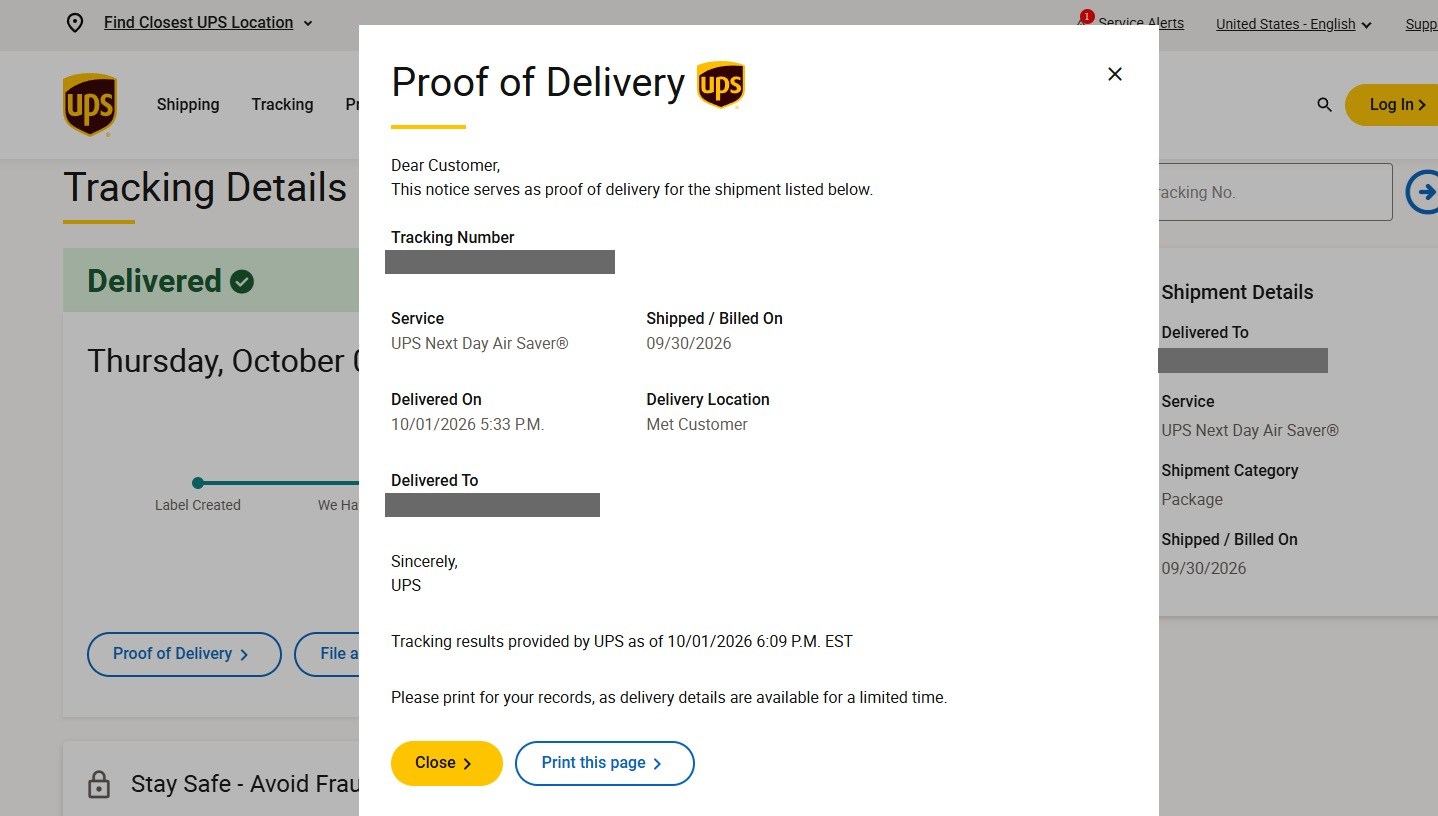
Delivered
Michigan
Destination state
Carrier-confirmed deliveryThe supplied tracking record shows this shipment as delivered.
Recipient details withheld
A medically reviewed guide to Wegovy coverage requirements, costs, prior authorization, denials, appeals, and approval tips.

This article has been medically reviewed and approved by Dr. Fremlin Dekyi, MD, to support clinical accuracy and patient-friendly education about Wegovy insurance coverage. This content is educational and does not replace personalized medical advice, diagnosis, treatment, or insurance benefit verification.
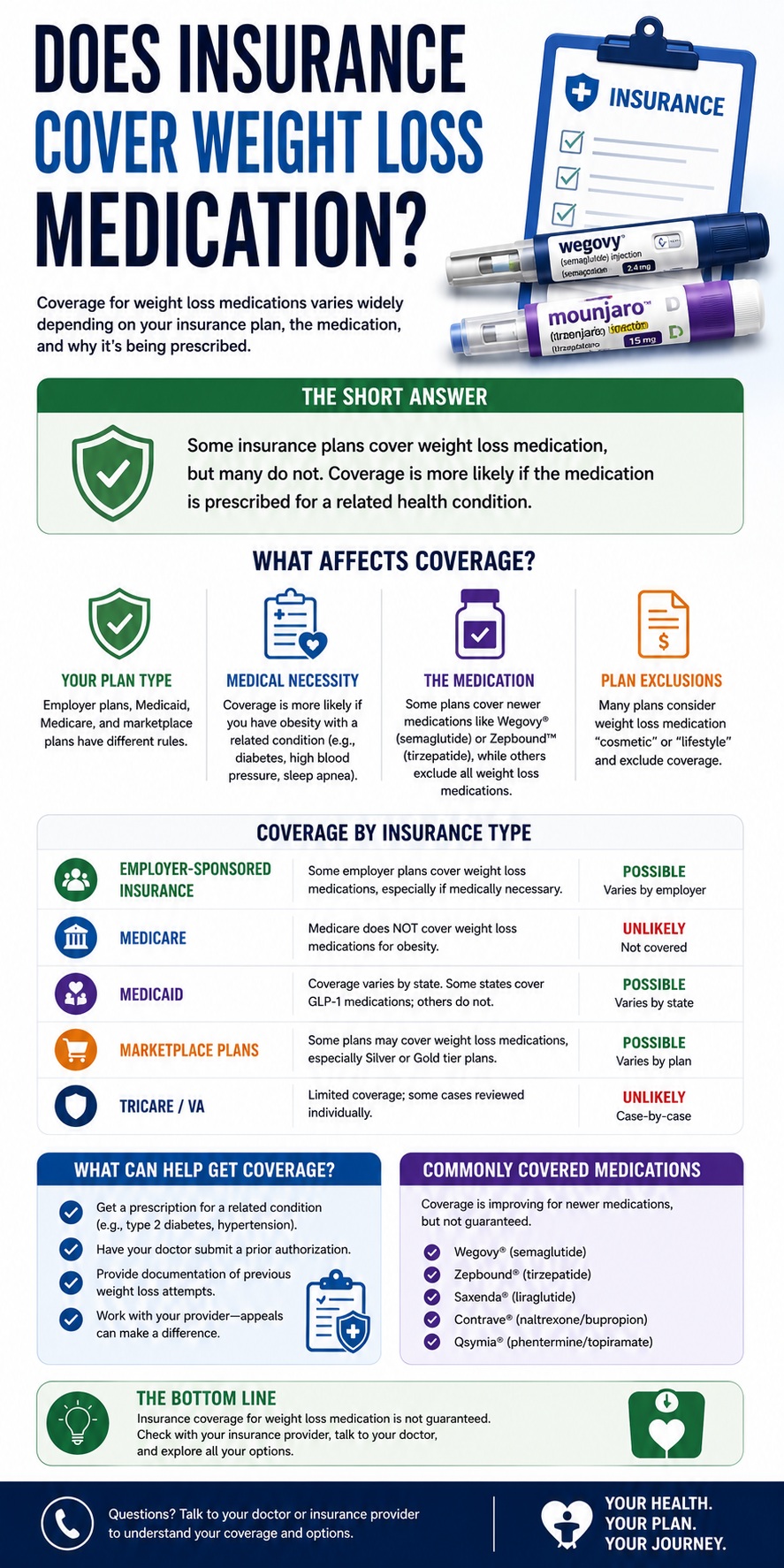
Many insurance plans may cover Wegovy in 2026, but approval depends on the individual plan, employer benefits, medical history, BMI, formulary rules, and clinical requirements. Prior authorization is commonly required.
Coverage is plan-specific. Some eligible patients can substantially reduce their out-of-pocket expense after approval, while other plans exclude anti-obesity medication entirely.
This guide explains how Wegovy works, who may qualify, what insurers commonly request, expected costs, and practical steps after a denial.
Strong clinical evidence supporting semaglutide for chronic weight management is one reason insurers continue to evaluate Wegovy coverage.
The STEP clinical trial program evaluated semaglutide in adults with obesity or overweight. Participants receiving semaglutide achieved substantially greater average weight loss than those receiving placebo.
Trials also reported improvements in waist circumference and several cardiometabolic measures. Results vary, and Wegovy is intended for use with reduced-calorie nutrition and increased physical activity.
Wegovy is an FDA-approved prescription medication for chronic weight management in eligible adults with obesity and certain adults with overweight and a weight-related condition.
Its active ingredient is semaglutide, a GLP-1 receptor agonist that can reduce appetite, increase fullness, slow stomach emptying, and help reduce calorie intake when combined with lifestyle changes.
Many plans may cover Wegovy, but coverage is not guaranteed. It depends on the specific health plan, employer-selected benefits, pharmacy formulary, medical necessity rules, and prior authorization criteria.
Some plans offer substantial coverage, while others exclude anti-obesity medications as a benefit category.
Coverage differs among commercial plans and government programs.
Employer plans are a common source of coverage. Benefits depend on employer selections, pharmacy benefit policies, formulary placement, and authorization rules. Some employers exclude anti-obesity medication because of cost concerns.
ACA marketplace coverage varies by state, insurer, and plan design. Patients should review the current prescription formulary before assuming Wegovy is covered.
Medicare coverage for anti-obesity medications remains limited and continues to evolve. Patients should verify current benefits and indication-specific rules directly with their plan.
Medicaid coverage varies by state. Some state programs cover obesity medications, while others maintain restrictions or exclusions.
Prior authorization lets the insurer confirm that Wegovy is medically necessary, the patient meets its criteria, benefit requirements are satisfied, and treatment aligns with accepted clinical guidance.
A complete request commonly includes the following information.
Height, weight, BMI, medical history, and documentation of obesity or overweight are commonly required.
Relevant conditions may include hypertension, sleep apnea, prediabetes, type 2 diabetes, or dyslipidemia.
Insurers may request evidence of nutrition changes, exercise programs, behavioral interventions, or structured weight-management programs.
Clinical notes, relevant diagnoses, treatment recommendations, and a medical-necessity explanation may support the submission.
Plan rules vary, but many use criteria similar to FDA-approved prescribing guidelines.
Adults with obesity may qualify based partly on BMI, subject to all other plan requirements.
Adults with overweight may qualify when they also have a condition such as hypertension, sleep apnea, prediabetes, or dyslipidemia.
Insurers may also assess health risks, previous treatments, clinical appropriateness, and benefit exclusions. BMI alone does not guarantee approval.
Common reasons include an anti-obesity medication exclusion, missing records, failure to meet BMI criteria, an incomplete prior authorization, or unmet step-therapy requirements. The denial notice should explain whether and how the decision may be appealed.
Cost depends on the plan, deductible, medication tier, copay or coinsurance, and pharmacy network. Some covered patients may pay less than $50 monthly, while others may pay between $50 and $300 or more. High-deductible plan members may initially owe more.
These are only examples, not guaranteed prices. Patients should verify the current amount with their insurer and pharmacy.
Without coverage, Wegovy may cost several hundred dollars or more per month. Pricing depends on the pharmacy, dose, region, and eligibility for current manufacturer programs. Patients should verify current pricing and long-term affordability before treatment.
Depending on the plan, coverage may be available through Aetna, UnitedHealthcare, Blue Cross Blue Shield organizations, Cigna, Humana, or regional insurers.
The insurer’s name alone does not determine coverage. Two members with the same carrier may have different benefits because of employer selections or plan design.
| Insurance | May Cover Wegovy | Prior Auth |
|---|---|---|
| Aetna | Often | Yes |
| BCBS | Varies | Often |
| UHC | Varies | Often |
| Cigna | Varies | Often |
Use current plan documents and ask medication-specific questions.
Search for Wegovy in the plan’s current prescription drug list.
Look for prior authorization, step therapy, quantity limits, and anti-obesity medication exclusions.
Ask whether Wegovy is covered, its tier, the authorization criteria, and expected copay or coinsurance.
A provider can evaluate clinical eligibility and prepare documentation required by the plan.
The insurer reviews eligibility, medical necessity, clinical records, and plan requirements. It may approve coverage, request more information, or deny the request. Patients should carefully review any denial notice and appeal instructions.
Yes, when the plan provides appeal rights. An appeal may include updated BMI records, relevant diagnoses, additional medical records, and a provider letter explaining medical necessity. A complete appeal may address the denial reason, but approval is not guaranteed.
Coverage may make Wegovy more affordable for an eligible patient. Potential benefits include meaningful weight loss and improvement in metabolic health or obesity-related risks. A qualified clinician should review benefits, risks, contraindications, and long-term treatment needs.
Prior authorization allows an insurer to confirm that Wegovy is medically necessary and that a patient meets the plan’s criteria. Preparing complete information can help avoid preventable delays.
A healthcare provider reviews weight, height, BMI, medical history, weight-related conditions, previous weight loss attempts, and current medications to determine whether Wegovy may be clinically appropriate.
The care team gathers BMI and weight history, an obesity diagnosis, relevant blood-pressure or sleep-apnea records, prediabetes documentation, and laboratory results when clinically relevant.
The provider submits clinical notes, diagnosis codes, BMI records, previous treatment history, and a medical-necessity explanation through the insurer’s required process.
The insurer reviews coverage eligibility, medical necessity, plan benefits, formulary status, and authorization criteria. Review times vary.
The plan may ask for updated measurements, additional notes, prior diet-program records, or clarification of medical necessity. Prompt responses can keep the review moving.
Approval authorizes coverage under plan benefits. Conditional approval may be limited to a set period. A denial means current requirements were not met or the benefit is excluded.
An appeal may add medical records, updated BMI information, obesity-related diagnoses, and a provider letter that responds directly to the denial reason. Approval is not guaranteed.
Some plans periodically request evidence of continued use, clinical benefit, weight-loss progress, or ongoing provider supervision. Knowing renewal requirements may help prevent interruptions.
Both medications may be covered, but their formulary placement, approval requirements, and patient costs are not always identical. Coverage for one does not guarantee coverage for the other.
Plans commonly consider prior authorization, BMI, medical necessity, weight-related conditions, and previous treatment attempts for both medications.
One medication may be preferred, have a lower tier, require different records, or follow different reauthorization and step-therapy rules. Formularies can change.
Deductibles, copays, coinsurance, formulary tiers, pharmacy networks, and employer benefits determine which medication costs less under a particular plan.
There is no universal answer. Patients should verify current benefits for the prescribed medication and discuss clinical fit with their provider.
| Feature | Wegovy | Zepbound |
|---|---|---|
| Active Ingredient | Semaglutide | Tirzepatide |
| FDA Approved for Weight Loss | Yes | Yes |
| Prior Authorization Common | Yes | Yes |
| Covered by Some Commercial Plans | Yes | Yes |
| Employer Coverage Varies | Yes | Yes |
| BMI Documentation Often Required | Yes | Yes |
| Appeal Available if Denied | Usually | Usually |
Aetna may cover Wegovy for eligible members when anti-obesity medication is included in the specific plan’s formulary. Coverage varies by employer benefits and plan design, and prior authorization is commonly required.
A plan may use BMI 30 or higher, or BMI 27 or higher with a condition such as hypertension, sleep apnea, prediabetes, type 2 diabetes, or high cholesterol, as part of its criteria. It may also request records of previous lifestyle or weight-management efforts.
Self-funded employers can establish their own pharmacy benefits, so two Aetna members may have different coverage. Members should verify their current formulary and benefit documents before treatment.
The provider may need to submit medical records, current BMI, weight history, relevant diagnoses, previous treatment efforts, and an explanation of medical necessity.
Potential reasons include a plan exclusion, missing authorization records, unmet BMI criteria, missing documentation of a qualifying condition, or unmet step-therapy rules. When appeal rights exist, additional clinical evidence may be submitted.
Coverage varies substantially because BCBS operates through independent regional organizations. A plan in one state or employer group may cover Wegovy while another excludes anti-obesity medication.
Plans that cover Wegovy may require prior authorization using BMI, weight-related conditions, previous weight loss efforts, and provider documentation. Some plans also request periodic follow-up and evidence of clinical benefit for continued coverage.
Requests may include current BMI, weight history, relevant medical records, previous weight-management efforts, and a provider assessment of medical necessity.
Potential reasons include an employer exclusion, incomplete authorization, unmet BMI criteria, or missing supporting records. Members should use the appeal instructions provided by their specific regional plan.
UnitedHealthcare may cover Wegovy under some commercial plans, depending on the formulary, employer benefits, and authorization rules. Prior authorization is common.
A plan may assess BMI 30 or higher, or BMI 27 or higher with a qualifying condition, along with previous nutrition, exercise, or behavioral interventions. Coverage can differ between members because employers select different benefits.
The request may include height, weight, BMI, medical history, obesity-related diagnoses, previous treatment records, and the prescriber’s treatment rationale.
Potential reasons include a weight-loss medication exclusion, missing records, unmet BMI criteria, or incomplete forms. An appeal may add evidence that directly addresses the denial reason.
Cigna may cover Wegovy when the medication is included in the plan and clinical requirements are met. Employer-sponsored benefit choices can produce substantial differences among Cigna-administered plans.
Plans may consider BMI 30 or higher, or BMI 27 or higher with hypertension, high cholesterol, sleep apnea, prediabetes, or another qualifying condition. Previous weight-management efforts may also be requested.
The provider may submit BMI and weight history, medical records, obesity-related diagnoses, previous treatment efforts, and a treatment plan supporting medical necessity.
Potential reasons include plan exclusions, insufficient records, unmet BMI requirements, or missing authorization information. Members may be able to appeal with additional evidence under their plan’s rules.
Employer insurance remains a major potential source of Wegovy coverage. Employers balance pharmacy expense against possible effects on long-term health, healthcare use, and employee productivity.
Obesity is associated with diabetes, cardiovascular disease, sleep apnea, hospital use, and other healthcare needs. Some employers view treatment as a preventive-health investment.
Pharmacy costs, budget constraints, benefit priorities, and uncertainty about long-term utilization can lead employers to exclude anti-obesity medication.
Employees can contact Human Resources, participate in benefit surveys, request obesity-treatment coverage, and compare available plans during enrollment. Benefits may change annually.
These hypothetical examples explain how plan design and documentation may affect a decision. They are not identifiable patients or guarantees of coverage.
An adult with a BMI of 37 and hypertension has a plan including obesity medication. BMI, blood-pressure, and weight-management records support review.
An adult with a BMI of 33 and sleep apnea receives a denial for incomplete records. The appeal adds diagnosis records, provider notes, and a medical-necessity letter.
An adult meets clinical prescribing criteria, but the employer plan excludes anti-obesity medication. Clinical eligibility alone does not create an insurance benefit.
An adult with a BMI of 29 and prediabetes has a marketplace plan that includes qualifying obesity treatment. The insurer reviews authorization records and relevant laboratory results.
Manufacturer programs may offer eligible patients reduced copays, temporary pricing, financial assistance, or other savings. Eligibility, restrictions, and offers change, and government-insured patients may be excluded from some programs. Patients should review current terms directly with the manufacturer before relying on estimated savings.
Patients usually get more value from medical review, fit assessment, and follow-up planning than from choosing a medication based only on headlines or social posts.
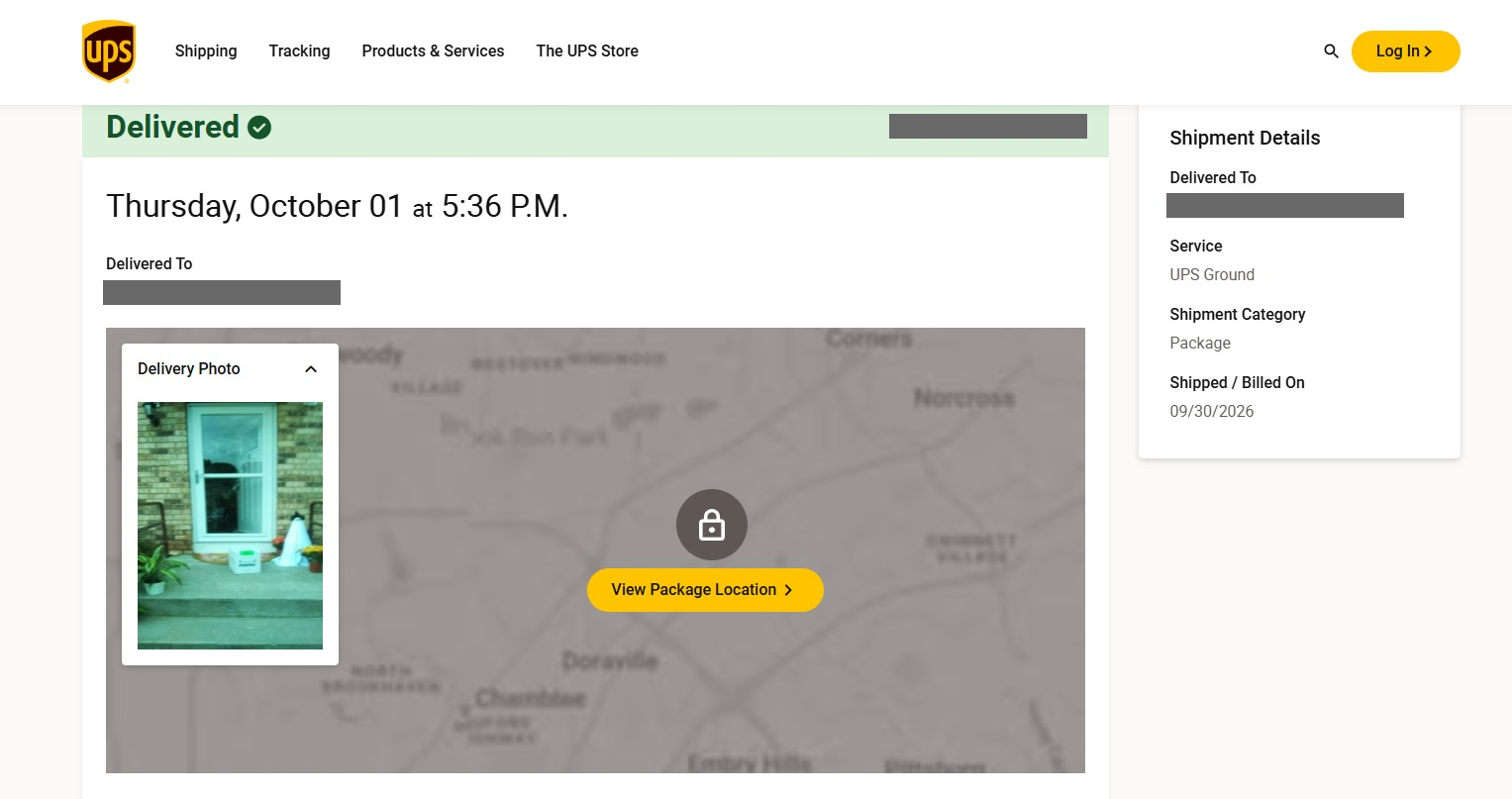
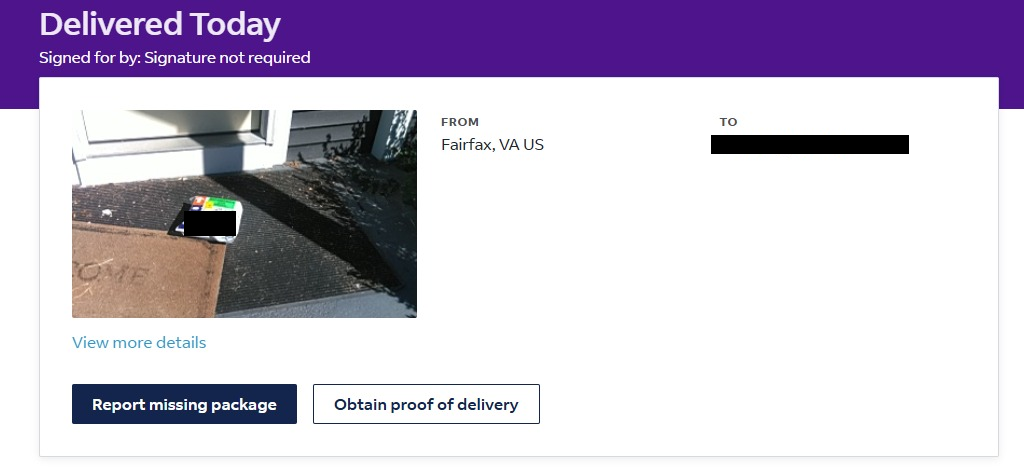
See some of the completed delivery confirmations shared by Doko Medical.
Destination state
Recipient details withheld
Destination state
Recipient details withheld
Destination state
Recipient details withheld
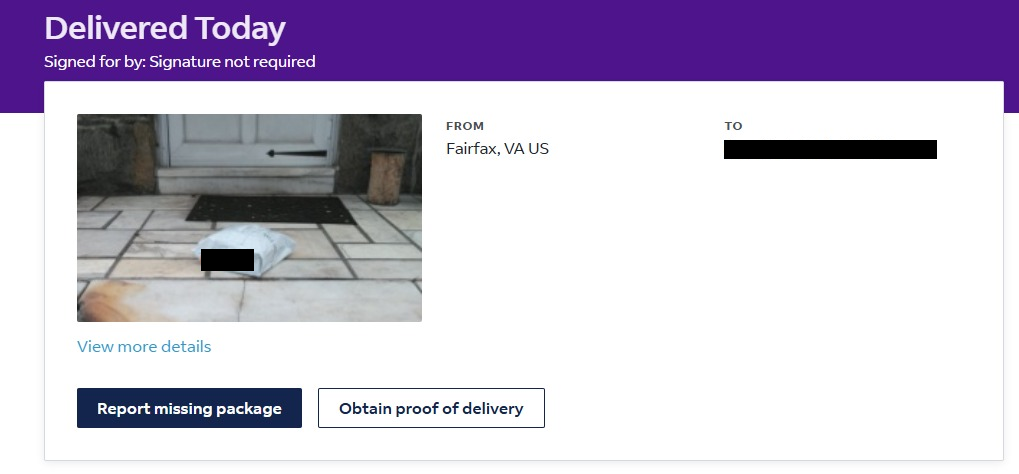
Destination state
Recipient details withheld
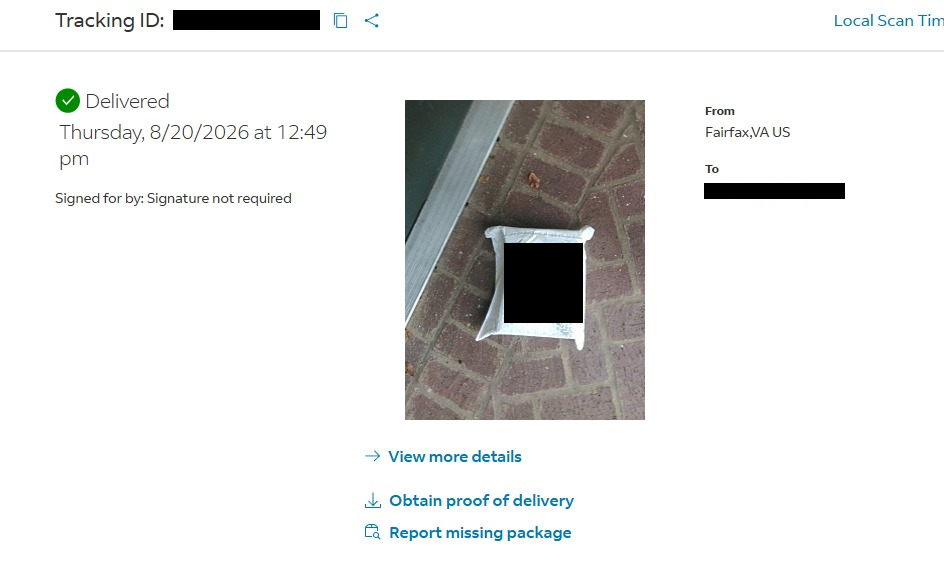
Destination state
Recipient details withheld