
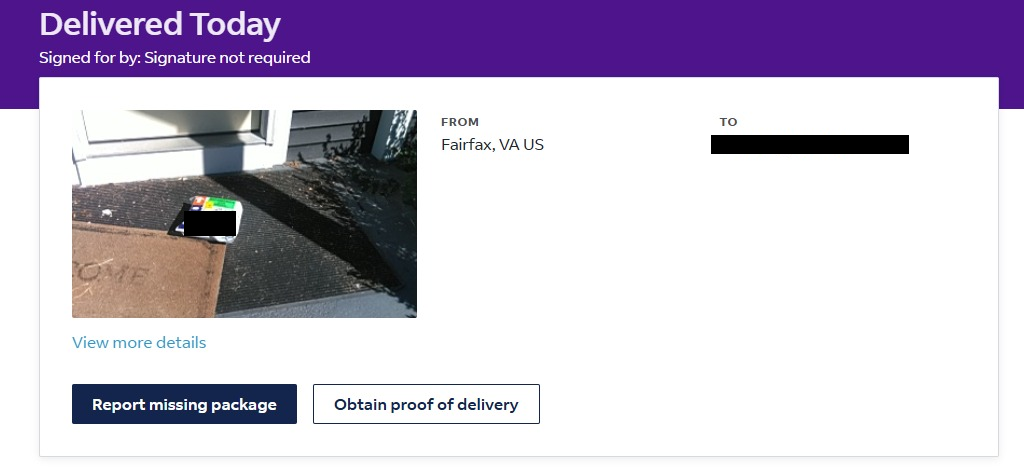
Delivered
Michigan
Destination state
Carrier-confirmed deliveryThe supplied tracking record shows this shipment as delivered.
Recipient details withheld
A medically reviewed guide to expected Semaglutide weight loss, timelines, plateaus, and long-term success habits.

This article has been medically reviewed and approved by Dr. Fremlin Dekyi, MD, to support clinical accuracy and patient-friendly education about Semaglutide weight loss expectations. This content is for educational purposes only and does not replace personalized medical advice from a licensed healthcare provider.
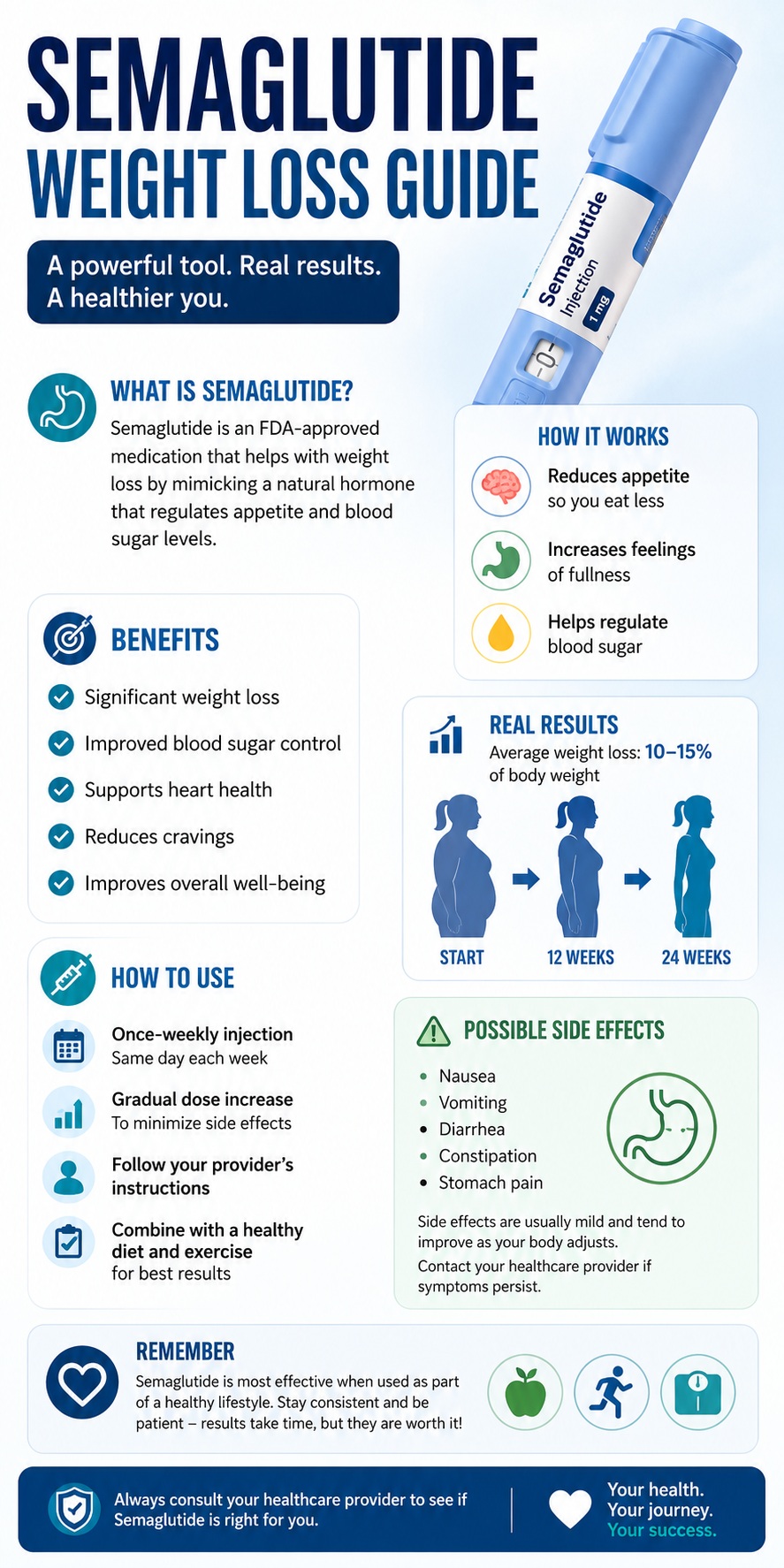
Many patients taking Semaglutide can lose approximately 10% to 15% of their starting body weight when treatment is combined with healthy lifestyle changes and ongoing medical supervision. Some patients lose more, while others lose less depending on consistency, nutrition, activity, medical history, and individual response.
Semaglutide has become one of the most talked-about weight loss medications in recent years. Originally developed to help manage type 2 diabetes, Semaglutide is now widely used in chronic weight management for eligible patients.
Many people considering treatment ask the same question: how much weight can I realistically lose on Semaglutide? The answer depends on starting weight, lifestyle habits, medical history, dose progression, and treatment duration.
This guide explains how Semaglutide works, what clinical studies show, what factors influence results, and how patients can set realistic expectations before starting a medically supervised plan.
The strongest evidence for Semaglutide weight loss comes from the STEP clinical trial program, which evaluated Semaglutide in adults with obesity or overweight.
In the STEP 1 study, adults receiving Semaglutide experienced an average weight reduction of approximately 14.9% of their body weight over 68 weeks. Participants receiving lifestyle intervention alone lost significantly less weight.
For example, a patient starting at 200 pounds could lose about 30 pounds, a patient starting at 250 pounds could lose about 37 pounds, and a patient starting at 300 pounds could lose about 45 pounds.
Research suggests that many patients continue losing weight for several months after starting treatment, particularly during dose escalation and maintenance phases. The majority of weight loss often occurs during the first 12 to 18 months of treatment.
Outside clinical trials, results vary considerably. Some patients lose 5% to 10% of body weight, while others lose 15% to 20% or more. Medication consistency, nutrition, exercise, sleep quality, and follow-up all play major roles in outcomes.
Semaglutide belongs to a class of medications known as GLP-1 receptor agonists. GLP-1 is a naturally occurring hormone involved in appetite, blood sugar, digestion, and satiety.
Semaglutide works by mimicking this hormone and helping many patients feel satisfied with less food. FDA-approved Semaglutide products include Wegovy, Ozempic, and Rybelsus. For weight loss, Wegovy is the FDA-approved formulation specifically indicated for chronic weight management.
Semaglutide addresses several biological factors that contribute to weight gain. Many patients report reduced cravings and less frequent hunger shortly after beginning treatment.
The medication can help patients feel full longer, improve portion control, and support long-term weight management by addressing physiological appetite signals that can contribute to weight regain.
A common estimate is 10% to 15% of starting body weight, though individual results vary. The table below gives examples based on that range.
| Starting Weight | Potential Weight Loss | Potential Weight |
|---|---|---|
| 180 lbs | 18-27 lbs | 153-162 lbs |
| 200 lbs | 20-30 lbs | 170-180 lbs |
| 250 lbs | 25-38 lbs | 212-225 lbs |
| 300 lbs | 30-45 lbs | 255-270 lbs |
| 350 lbs | 35-52 lbs | 298-315 lbs |
One of the most common misconceptions is that weight loss occurs immediately. Most patients experience gradual progress, and the greatest weight loss is typically seen after several months of treatment rather than during the first few weeks.
Many patients notice reduced appetite, fewer cravings, and improved portion control. Expected weight loss may be about 2 to 8 pounds, though many patients are still on lower introductory doses during this period.
The body continues adapting to treatment. Many patients lose about 5 to 15 pounds total and begin noticing looser clothing, reduced waist circumference, or improved energy.
This is often when more noticeable changes occur. Many patients lose about 10 to 25 pounds total and report better appetite control, improved eating habits, and increased confidence.
Weight loss typically becomes more significant, and some patients lose 15 to 40 pounds or more. Beyond one year, long-term maintenance habits become increasingly important.
Not everyone experiences identical outcomes. Semaglutide helps regulate appetite and calorie intake, but individual results are affected by biology, lifestyle, and consistency.
Some individuals naturally respond better to appetite-regulating hormones than others. Genetics, starting BMI, eating habits, physical activity, sleep quality, and stress all influence results.
For example, a patient weighing 300 pounds who loses 15% of body weight may lose 45 pounds, while a patient weighing 200 pounds who loses 15% may lose 30 pounds. The percentage may be similar even though the total pounds are different.
Women represent a significant portion of patients using Semaglutide for weight management. Clinical studies suggest that women often respond very well to GLP-1 medications, although hormonal factors can influence weight loss patterns.
Hormonal changes related to estrogen, progesterone, cortisol, insulin sensitivity, and menopause can affect appetite, water retention, and body composition. Many women lose 10% to 15% of body weight, or 20 to 40 pounds or more, when treatment is combined with healthy lifestyle modifications.
Men also experience substantial benefits from Semaglutide. Because men generally have higher muscle mass and metabolic rates, some may lose weight more rapidly during the early stages of treatment.
Many men lose 10% to 15% of body weight, or 25 to 50 pounds or more, depending on starting weight and adherence. Men frequently report reduced abdominal fat, smaller waist circumference, improved energy, and better blood pressure readings.
The first week should primarily be viewed as an adjustment period. Common experiences include reduced appetite, feeling full sooner, mild nausea, and less interest in snacking.
Weight loss during the first week varies widely and should not be used as a predictor of long-term success.
A weight loss plateau is common and does not necessarily mean the medication has stopped working. Plateaus may happen because calorie needs are lower at a reduced body weight, physical activity has dropped, calorie intake has increased, or the body has adapted.
Healthcare providers may recommend dietary adjustments, increased protein intake, strength training, improved sleep habits, or medication review. Most plateaus can be addressed with appropriate guidance.
Some patients lose 50 pounds or more, particularly when they start at a higher weight, remain on treatment long term, follow nutritional recommendations, and maintain regular physical activity.
Some patients have reported losing 100 pounds or more. This is more common among individuals with severe obesity who remain committed to treatment and lifestyle changes over an extended period. These outcomes are possible but not typical for every patient.
Several issues may contribute if progress is slower than expected. Early doses are often designed primarily for tolerability, so maximum effectiveness may occur later at maintenance doses.
Hidden calories from beverages, snacks, and restaurant meals can also slow progress. Inadequate protein, low activity, inconsistent dosing, hormonal disorders, or other medical conditions may also affect results. A healthcare provider can help evaluate potential causes.
Weight loss is not the only measure of progress. Many patients notice health and quality-of-life improvements even before major scale changes are visible.
Before treatment, many patients struggle with constant hunger, frequent cravings, difficulty maintaining diets, and weight regain. After several months of treatment, many report better appetite control, smaller portions, improved eating habits, and meaningful weight reduction.
Patients should avoid comparing their progress to social media success stories, which often highlight exceptional outcomes rather than average results. A realistic goal may be 1 to 2 pounds per week, 5% to 10% body weight loss over several months, or 10% to 15% over a year.
Even modest weight reduction may improve blood pressure, cholesterol levels, blood sugar control, sleep apnea symptoms, joint pain, and mobility. Many patients begin experiencing health improvements before reaching their target weight.
Semaglutide can be effective, but habits still matter. Common mistakes include eating too little protein, drinking calories, skipping exercise, expecting immediate results, and missing doses.
Patients who stay consistent with treatment, nutrition, movement, hydration, sleep, and follow-up generally achieve better long-term results.
Semaglutide does not permanently change the body's appetite regulation systems. When treatment stops, appetite may gradually return, and some patients experience increased hunger, more cravings, and weight regain.
Successful long-term weight management often involves healthy eating habits, regular exercise, adequate sleep, and ongoing medical supervision whether a patient continues medication or eventually discontinues treatment.
The most successful outcomes occur when Semaglutide is combined with healthy nutrition, regular physical activity, consistent treatment adherence, and ongoing medical supervision.
Semaglutide may be considered for adults with obesity, defined as BMI 30 or higher, or overweight, defined as BMI 27 or higher, with weight-related health conditions. It may also be considered for patients who have struggled with traditional weight loss approaches and want medically supervised support.
A licensed healthcare provider can determine whether treatment is appropriate for your individual situation.
One of the most common questions patients ask before starting treatment is how much Semaglutide costs. The answer depends on the specific medication prescribed, insurance coverage, pharmacy pricing, and eligibility for manufacturer savings programs.
For patients paying entirely out of pocket, monthly costs can vary significantly. Brand-name GLP-1 medications may cost several hundred dollars per month, and in some cases more than one thousand dollars per month without insurance coverage. Because pricing changes frequently, patients should verify current costs with their pharmacy and healthcare provider.
Many patients are surprised to learn that the actual cost they pay may be substantially lower if insurance coverage is available. Some employer-sponsored health plans cover obesity treatment, while others exclude weight-loss medications entirely. Prior authorization requirements may also influence coverage decisions.
When evaluating treatment options, patients should consider more than the monthly medication cost alone. Weight loss can lead to improvements in blood pressure, blood sugar control, sleep apnea symptoms, mobility, and overall quality of life. For many patients, these health improvements become an important part of the overall value equation.
Insurance coverage for Semaglutide varies widely across plans and insurance carriers. Some plans cover FDA-approved weight-loss medications such as Wegovy when patients meet specific medical criteria. Other plans may not provide any obesity medication benefits, even if a patient meets BMI requirements.
Patients with obesity-related conditions such as hypertension, obstructive sleep apnea, prediabetes, type 2 diabetes, or high cholesterol may have an easier time meeting certain coverage requirements. Because coverage rules change frequently, patients should verify benefits directly with their insurance provider.
If insurance does not cover treatment, healthcare providers may discuss alternative options, savings programs, or other medically appropriate approaches.
Semaglutide is not intended for cosmetic weight loss. Medical eligibility is generally based on BMI and overall health status.
Many patients qualify with a BMI of 30 or higher, which meets the medical definition of obesity and may qualify a patient for FDA-approved chronic weight management treatment.
Patients with a BMI of 27 or higher may also qualify if they have at least one weight-related medical condition, such as high blood pressure, type 2 diabetes, prediabetes, high cholesterol, obstructive sleep apnea, or cardiovascular risk factors.
Healthcare providers evaluate each patient individually and consider overall health, medical history, treatment goals, and safety considerations before recommending treatment.
BMI is a useful screening tool, but it does not tell the entire story. Some individuals have significant metabolic health concerns despite having a lower BMI, while others may have higher muscle mass that affects BMI calculations.
For this reason, healthcare providers typically evaluate waist circumference, blood pressure, blood sugar levels, cholesterol levels, lifestyle factors, and family history. A comprehensive assessment provides a more complete picture than BMI alone.
Patients researching weight-loss medications frequently compare Semaglutide and Tirzepatide. Both medications belong to a newer generation of treatments that target appetite regulation and metabolic health, but they work slightly differently.
Semaglutide is a GLP-1 receptor agonist that helps reduce appetite, increase fullness, slow stomach emptying, and improve blood sugar regulation. Tirzepatide activates both GLP-1 and GIP receptors, which may provide additional metabolic benefits for some patients.
Clinical studies suggest that both medications can produce significant weight loss when combined with lifestyle changes. Semaglutide commonly produces approximately 10% to 15% average body weight reduction, while Tirzepatide has demonstrated average weight loss exceeding 20% in some clinical trials.
Average results do not predict individual outcomes. The best medication is not necessarily the one with the highest average weight loss. The best medication is the one that fits the patient's medical history, goals, insurance coverage, and tolerance profile.
At Doko Medical, one of the most common misconceptions providers hear is that Semaglutide produces rapid, effortless weight loss. In reality, patients who achieve the best long-term outcomes tend to focus on consistency rather than speed.
Many successful patients prioritize protein intake, stay physically active, maintain regular follow-up appointments, follow dosing recommendations carefully, and view treatment as a long-term health investment.
Another common misconception is that every patient loses weight at the same pace. Some patients experience noticeable changes within the first few weeks, while others see more gradual progress over several months. Neither experience necessarily predicts long-term success.
Providers often encourage patients to focus on trends rather than daily fluctuations. Sustainable weight loss is typically measured over months rather than days. The goal is not simply a lower number on the scale, but improved health, better metabolic function, greater confidence, increased mobility, and higher quality of life.
Semaglutide has transformed the field of medical weight loss and offers many patients a powerful tool for achieving meaningful, sustainable weight reduction.
While individual results vary, clinical studies suggest that many patients can lose approximately 10% to 15% of their body weight, with some achieving even greater results. The best outcomes happen when medication support is paired with healthy habits and regular medical follow-up.
Doko Medical offers convenient online consultations for eligible patients interested in medically supervised weight loss treatment. Licensed healthcare providers can help determine whether Semaglutide may be appropriate for your weight-loss goals and create a personalized treatment plan designed around your needs.
Patients usually get more value from medical review, fit assessment, and follow-up planning than from choosing a medication based only on headlines or social posts.
See some of the completed delivery confirmations shared by Doko Medical.
Destination state
Recipient details withheld

Destination state
Recipient details withheld
Destination state
Recipient details withheld

Destination state
Recipient details withheld
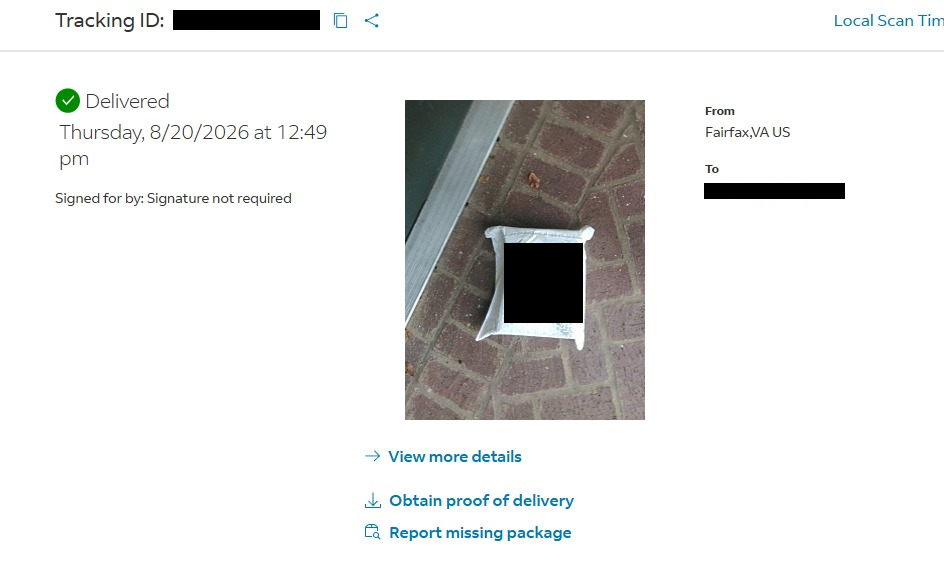
Destination state
Recipient details withheld