
This article has been medically reviewed and approved by Dr. Fremlin Dekyi, MD, to support clinical accuracy and patient-friendly education about Semaglutide side effects. This content is for educational purposes only and does not replace personalized medical advice from a licensed healthcare provider.
What are the most common Semaglutide side effects?
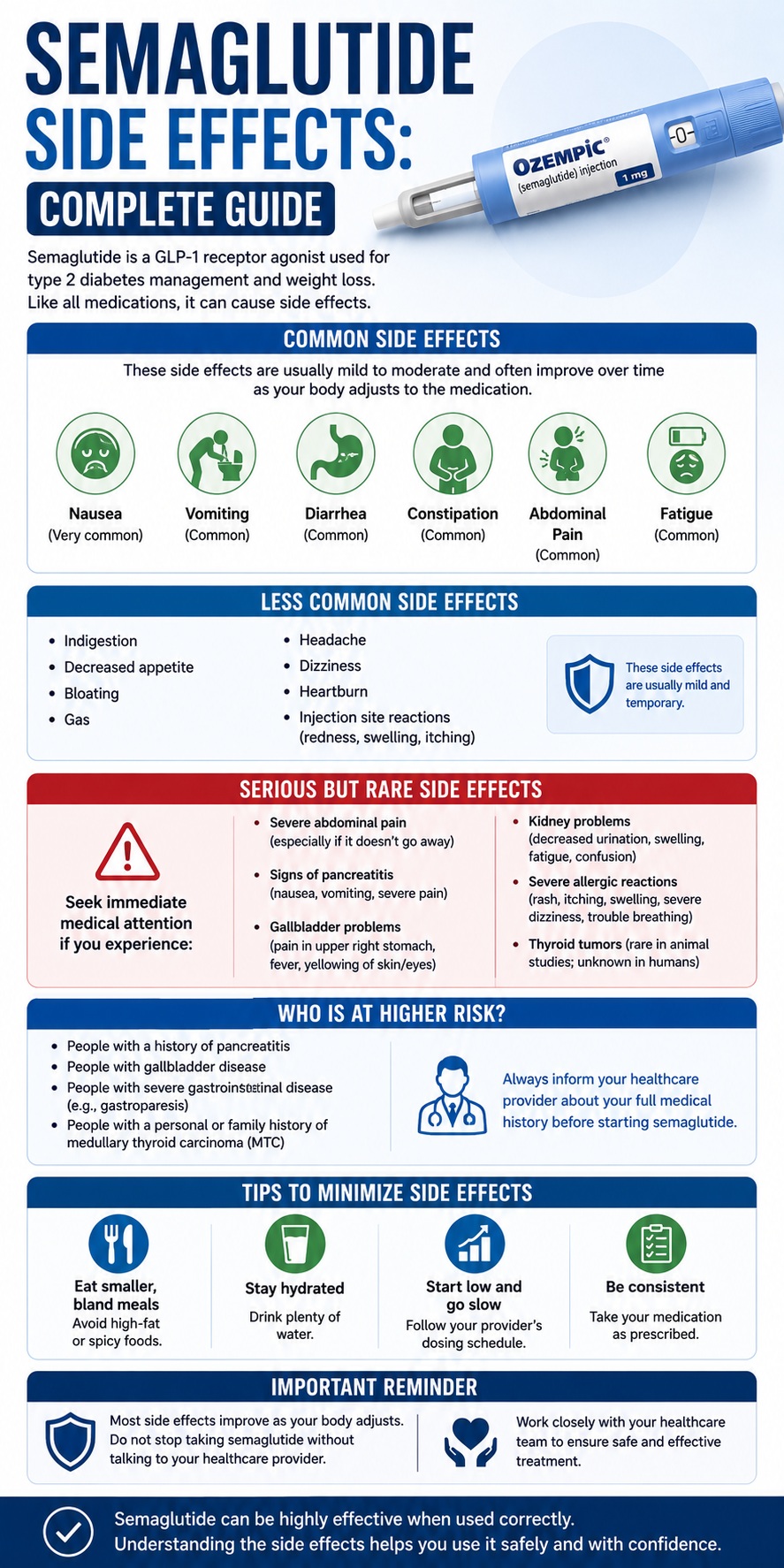
Most people taking Semaglutide experience either no side effects or mild-to-moderate side effects that improve over time. The most common symptoms include nausea, constipation, diarrhea, vomiting, stomach discomfort, bloating, reduced appetite, fatigue, headaches, and heartburn. Serious side effects are uncommon but require prompt medical attention.
Semaglutide has become one of the most widely discussed medications in modern weight management. Available under brand names such as Wegovy, Ozempic, and Rybelsus, it has helped many people lose weight and improve metabolic health.
Like any prescription medication, Semaglutide can cause side effects. For many patients, the possibility of nausea, constipation, stomach discomfort, or more serious risks creates anxiety before treatment begins.
This guide explains common Semaglutide side effects, less common symptoms, rare but serious risks, clinical study findings, when to contact a healthcare provider, and practical strategies for reducing side effects.
Clinical Evidence: What Do Studies Show?
The safety profile of Semaglutide has been extensively studied in large clinical trials, including the STEP clinical trial program for obesity treatment.
STEP Clinical Trial Program
The STEP studies evaluated Semaglutide for obesity treatment in thousands of patients. Researchers found that most side effects were gastrointestinal, most were mild to moderate, serious adverse events were relatively uncommon, and side effects were most common during dose escalation.
Importantly, the majority of patients successfully continued treatment despite experiencing side effects, especially when dosing was increased gradually and symptoms were monitored.
Why Side Effects Often Occur Early
Semaglutide treatment typically begins with a low dose and gradually increases over time. This process helps improve tolerability, reduce nausea, and reduce gastrointestinal discomfort.
Patients who increase doses too rapidly may be more likely to experience symptoms. Temporary symptoms after a dose increase are common and often improve as the body adapts.
What Is Semaglutide?
Semaglutide belongs to a class of medications known as GLP-1 receptor agonists. GLP-1 stands for glucagon-like peptide-1, a naturally occurring hormone involved in appetite regulation, blood sugar control, digestion, and satiety.
Semaglutide works by mimicking the effects of this hormone. FDA-approved Semaglutide medications include Wegovy, Ozempic, and Rybelsus. Although these medications have different approved indications, they contain the same active ingredient.
Why Does Semaglutide Cause Side Effects?
Many side effects occur because Semaglutide intentionally changes how the digestive system functions. The medication slows stomach emptying, reduces hunger, increases feelings of fullness, and alters appetite signaling.
These mechanisms help support weight loss but can also create gastrointestinal symptoms during treatment. The good news is that most side effects are temporary and become less noticeable as treatment continues.
Most Common Semaglutide Side Effects
The most common Semaglutide side effects are gastrointestinal. They are often most noticeable when starting treatment or increasing the dosage and typically improve as the body adjusts.
- Nausea
- Constipation
- Diarrhea
- Vomiting
- Stomach discomfort or cramping
- Bloating
- Reduced appetite
- Fatigue
- Headaches
- Heartburn or acid reflux
- Injection site reactions
Nausea
Nausea is the most commonly reported side effect. Many patients describe mild queasiness, feeling overly full, reduced desire to eat, or stomach discomfort after meals.
Semaglutide slows stomach emptying, meaning food remains in the stomach longer than usual. This contributes to fullness but may also trigger nausea, especially during the first few weeks, after dose increases, or after large meals.
For many patients, nausea improves within several weeks as the body adapts and becomes much less noticeable over time.
Constipation
Constipation is another common side effect. Patients may notice less frequent bowel movements, hard stools, difficulty passing stools, or abdominal discomfort.
Slower digestion, reduced food intake, lower fiber intake, and inadequate hydration can all contribute. Helpful strategies include drinking more water, increasing dietary fiber, staying physically active, and eating fruits and vegetables.
Diarrhea, Vomiting, Stomach Pain, and Bloating
Some patients experience diarrhea instead of constipation. Symptoms may include loose stools, increased bowel frequency, or urgency. Diarrhea is usually temporary and often improves as the body adjusts to treatment.
Vomiting occurs less frequently than nausea but may happen after eating too quickly, eating large meals, eating high-fat foods, or increasing the dose. Persistent vomiting should be discussed with a healthcare provider.
Stomach pain, cramping, pressure, and bloating may occur because of slower digestion and changes in eating patterns. Persistent or severe abdominal pain should be evaluated.
Reduced Appetite, Fatigue, Headaches, and Heartburn
Reduced appetite is part of how Semaglutide works rather than a traditional side effect. Patients often report less hunger, fewer cravings, smaller portions, and reduced interest in snacking.
Temporary fatigue may occur when starting treatment because of reduced calorie intake, dehydration, dietary changes, or weight loss adaptation. Headaches may be related to dehydration, reduced food intake, or electrolyte changes.
Some patients also report heartburn, acid reflux, burping, or indigestion. Eating smaller meals and avoiding trigger foods may reduce these symptoms.
Injection Site Reactions and Less Common Effects
Because Semaglutide is administered as an injection, mild reactions may occasionally occur at the injection site. These can include redness, mild swelling, itching, or tenderness and are generally temporary.
Less common effects may include dizziness, increased sensitivity to certain foods, changes in taste preferences, and temporary food aversions. Some patients report a reduced desire for highly processed foods, sweets, greasy foods, and fast food.
Why High-Fat Foods Often Cause Problems
Many patients notice that fatty foods become more difficult to tolerate. Fried foods, fast food, heavy cream sauces, and large restaurant meals may worsen nausea, bloating, and stomach discomfort.
Healthcare providers often recommend focusing on lean proteins, fruits, vegetables, and whole foods during treatment.
Understanding Dose Escalation Side Effects
Most Semaglutide treatment plans involve gradual dose increases. A typical schedule may include a low starting dose, incremental increases, and then a maintenance dose.
Each increase gives the body time to adapt. Patients frequently notice temporary symptoms immediately after a dose increase, followed by gradual improvement. This pattern is common and expected.
Are Side Effects a Sign That the Medication Is Working?
Not necessarily. Some patients experience noticeable side effects and lose substantial weight. Others experience very few side effects and still achieve strong results.
The absence of side effects does not mean the medication is ineffective. Likewise, more side effects do not guarantee greater weight loss. Every patient responds differently.
When Should You Contact a Healthcare Provider?
Most side effects are mild and manageable, but patients should seek medical advice if symptoms are persistent, severe, or interfere with daily life.
- Persistent vomiting
- Severe dehydration
- Severe abdominal pain
- Signs of allergic reaction
- Inability to eat or drink
- Symptoms that interfere with daily life
Do Side Effects Improve Over Time?
For most patients, yes. The majority of gastrointestinal symptoms improve over weeks, become less frequent, and become less severe.
This adaptation period is one reason gradual dose escalation is so important. Patients who remain consistent with treatment often find that early side effects become easier to manage over time.
Serious But Uncommon Semaglutide Side Effects
Although most Semaglutide side effects are mild and gastrointestinal, patients should understand rare but potentially serious risks. These events are uncommon, and many patients use Semaglutide successfully without serious complications.
- Pancreatitis
- Gallbladder disease
- Severe dehydration
- Allergic reactions
- Kidney complications related to dehydration
Pancreatitis Risk
Pancreatitis refers to inflammation of the pancreas. Symptoms may include severe abdominal pain, pain radiating to the back, persistent nausea, vomiting, and fever.
Pancreatitis is considered uncommon, but patients with a history of pancreatitis should discuss treatment carefully with their healthcare provider before starting Semaglutide. Prompt medical evaluation is important if severe or worsening abdominal pain occurs.
Gallbladder Disease
Rapid weight loss itself can increase the risk of gallbladder problems. Because Semaglutide may contribute to significant weight loss, gallbladder-related issues occasionally occur during treatment.
Gallstones or gallbladder inflammation may cause upper right abdominal pain, nausea, vomiting, fever, digestive symptoms, or pain after fatty meals. Prompt medical evaluation is important if these symptoms occur.
Kidney Complications and Dehydration
Semaglutide itself is not generally considered directly harmful to the kidneys. However, persistent vomiting, diarrhea, or poor fluid intake can lead to dehydration, which may place stress on kidney function.
Older adults, patients with existing kidney disease, and patients with prolonged vomiting or severe diarrhea may be at higher risk. Drinking adequate fluids and contacting a provider when unable to stay hydrated can help reduce risk.
Understanding the Thyroid Tumor Warning
Semaglutide carries a warning regarding thyroid C-cell tumors observed in rodent studies. At present, researchers have not established a direct causal relationship between Semaglutide and thyroid cancer in humans.
Patients with a personal history of medullary thyroid carcinoma, a family history of medullary thyroid carcinoma, or Multiple Endocrine Neoplasia Syndrome Type 2 are generally advised to avoid Semaglutide. Healthcare providers routinely screen for these risk factors before treatment begins.
Long-Term Safety Data
Clinical studies have followed many patients for extended periods. Current evidence suggests Semaglutide has an established safety profile when prescribed appropriately and monitored by qualified healthcare professionals.
Studies have also shown improvements in body weight, blood sugar control, cardiovascular risk factors, waist circumference, and blood pressure. Researchers continue studying long-term outcomes, cardiovascular effects, weight maintenance, and quality of life measures.
How to Reduce Semaglutide Side Effects
Many side effects can be minimized through simple adjustments. Patients often do better when they eat smaller meals, avoid overeating, stay hydrated, eat slowly, and follow dose escalation instructions carefully.
- Eat smaller portions
- Avoid overeating and stop when comfortably full
- Drink adequate fluids
- Eat slowly and take smaller bites
- Follow the recommended dose escalation schedule
- Stay in communication with your care team
Foods to Eat While Taking Semaglutide
Certain foods may be easier to tolerate during treatment. Lean proteins such as chicken, turkey, fish, eggs, and Greek yogurt can support satiety and muscle preservation.
Vegetables provide fiber, vitamins, and nutrients while supporting digestive health. Fruits such as berries, apples, oranges, and melons may be tolerated in moderate portions. Whole grains such as oatmeal, brown rice, and whole grain bread may help support digestive regularity.
Foods to Avoid If You Experience Side Effects
Certain foods commonly worsen symptoms. Fried foods, heavy fatty meals, sugary foods, sugary beverages, and very large portions may increase nausea, bloating, fullness, and stomach discomfort.
Smaller, balanced meals are often easier to tolerate than large, high-fat meals.
Alcohol and Semaglutide
Moderate alcohol consumption may be acceptable for some individuals, but alcohol can contribute to dehydration, nausea, gastrointestinal irritation, and poor food choices.
Patients who choose to drink alcohol may benefit from drinking in moderation, staying hydrated, and avoiding alcohol on an empty stomach. Healthcare providers can provide personalized recommendations based on medical history.
What Happens If Side Effects Do Not Go Away?
Most side effects improve over time, but some patients continue experiencing symptoms. Healthcare providers may recommend remaining on the current dose longer, slowing dose escalation, adjusting eating patterns, reviewing hydration habits, or evaluating other medications.
Occasionally, patients may not tolerate Semaglutide despite adjustments. In these situations, a provider may discuss alternative treatment options. The goal is to balance effectiveness with quality of life.
How Much Does Semaglutide Cost?
One of the most common questions patients ask before starting treatment is how much Semaglutide costs. The answer depends on several factors, including the specific medication prescribed, insurance coverage, dosage, pharmacy pricing, and eligibility for manufacturer savings programs.
Semaglutide is available under several brand names, including Wegovy, Ozempic, and Rybelsus. Wegovy is FDA-approved specifically for chronic weight management, while Ozempic is approved for type 2 diabetes but may be prescribed based on clinical judgment when appropriate.
Without insurance, brand-name Semaglutide can cost between $900 and $1,500 per month depending on the medication, dosage, and pharmacy. Prices may vary significantly by location and insurance plan.
Patients should remember that medication cost is only one part of a medically supervised weight loss program. Ongoing provider support, dosage adjustments, monitoring, nutrition guidance, and follow-up care can all contribute to treatment success.
The good news is that many patients do not pay the full retail price. Insurance coverage, employer-sponsored health plans, manufacturer savings programs, and other assistance options may significantly reduce out-of-pocket costs.
Patients interested in treatment should speak with a healthcare provider about available options, coverage opportunities, and whether Semaglutide is an appropriate choice for their medical history and weight loss goals.
At Doko Medical, providers help patients understand available treatment options and identify the most appropriate path based on individual health needs, eligibility, and insurance considerations.
Does Insurance Cover Semaglutide?
Insurance coverage for Semaglutide varies significantly between health plans. Some insurance companies provide coverage for FDA-approved weight loss medications, while others exclude obesity treatment benefits entirely.
Many insurance plans require patients to meet specific clinical criteria before approving coverage. Some insurers may request documentation of previous weight loss attempts, participation in lifestyle modification programs, or evidence of obesity-related health conditions.
Patients who are denied coverage initially may still have options. Healthcare providers can often submit additional documentation, medical necessity letters, or appeals when clinically appropriate.
Because insurance rules change frequently, patients should verify coverage directly with their insurer and healthcare provider before beginning treatment.
- Body Mass Index, or BMI
- Weight-related health conditions
- Employer-sponsored plan benefits
- Prior authorization requirements
- Medical necessity documentation
- Hypertension
- Type 2 diabetes
- Sleep apnea
- High cholesterol
- Cardiovascular risk factors
Who Qualifies for Semaglutide?
Not everyone qualifies for Semaglutide weight loss treatment. Healthcare providers evaluate several factors before prescribing the medication, including BMI, medical history, current health conditions, medications, and treatment goals.
In general, FDA-approved Wegovy eligibility includes adults with a BMI of 30 or higher, or adults with a BMI of 27 or higher who also have a weight-related medical condition.
Patients with a BMI of 30 or greater are generally considered eligible for obesity treatment and may qualify for Semaglutide if medically appropriate.
Patients with a BMI of 27 or greater may also qualify if they have a weight-related condition such as high blood pressure, type 2 diabetes, sleep apnea, high cholesterol, or cardiovascular disease.
BMI is only one part of the evaluation process. Providers also assess overall health, previous weight loss efforts, current medications, and potential contraindications before recommending treatment.
Some individuals with lower BMIs may still struggle with weight management, but insurance coverage and prescribing guidelines are often based on established BMI thresholds.
At Doko Medical, licensed providers perform a comprehensive review of each patient's health history to determine whether Semaglutide may be a safe and appropriate treatment option.
Doko Medical Provider Insights
At Doko Medical, one of the most common concerns patients express before starting Semaglutide is fear of side effects. In clinical practice, many patients are pleasantly surprised to discover that side effects are often manageable and temporary.
Patients who tend to have the best experiences often follow dosing instructions carefully, eat smaller meals, prioritize hydration, and maintain regular communication with their provider.
Many individuals find that side effects improve significantly after the first several weeks of treatment. Because every patient responds differently, personalized care and ongoing support remain essential components of successful medical weight management.
Final Thoughts
Most Semaglutide side effects are mild to moderate and improve over time, especially when treatment is started gradually and paired with hydration, smaller meals, and ongoing medical supervision.
Serious side effects are uncommon, but patients should know the warning signs and contact a healthcare provider when symptoms are severe, persistent, or concerning. A supervised plan helps patients balance treatment benefits with safety and comfort.
Ready to Start Your Weight Loss Journey?
Doko Medical offers convenient online consultations for eligible patients interested in medically supervised weight loss treatment. Licensed healthcare providers can help determine whether Semaglutide may be appropriate and support patients through side-effect questions, dose planning, and follow-up care.
Key Semaglutide side effect takeaways
- Nausea is the most commonly reported side effect.
- Constipation, diarrhea, bloating, stomach discomfort, heartburn, and fatigue can occur.
- Side effects are often most noticeable when starting treatment or increasing the dose.
- Most symptoms improve with time, hydration, smaller meals, and gradual dose escalation.
- Severe abdominal pain, persistent vomiting, dehydration, or allergic symptoms should be evaluated promptly.
Use consultation to turn search intent into a real treatment decision
Patients usually get more value from medical review, fit assessment, and follow-up planning than from choosing a medication based only on headlines or social posts.