
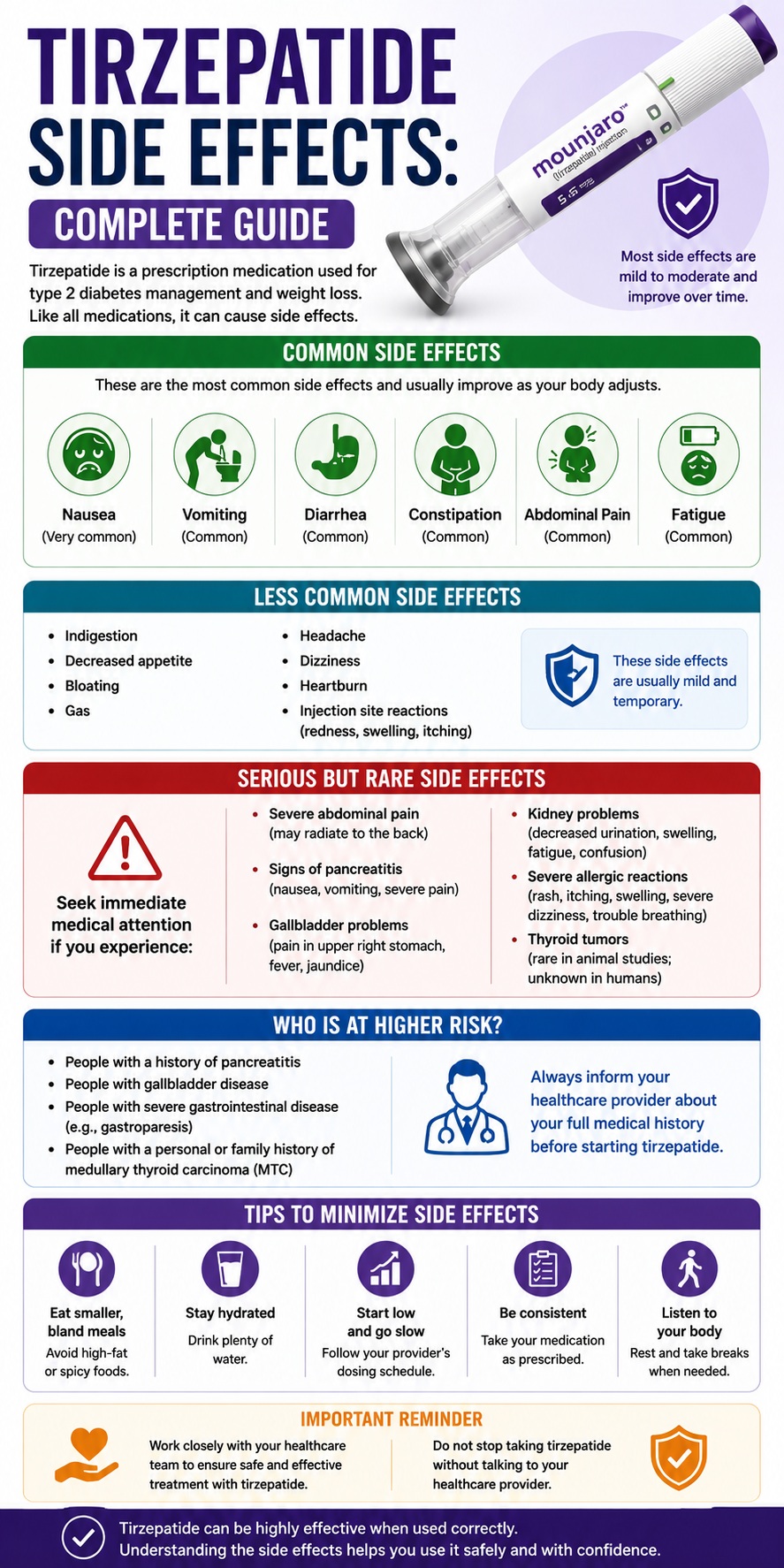
This article has been medically reviewed and approved by Dr. Fremlin Dekyi, MD, to support clinical accuracy and patient-friendly education about Tirzepatide side effects. This content is for educational purposes only and does not replace personalized medical advice from a licensed healthcare provider.
What are the most common Tirzepatide side effects?
Most people taking Tirzepatide experience either mild side effects or no significant side effects at all. The most common symptoms include nausea, constipation, diarrhea, vomiting, stomach discomfort, bloating, reduced appetite, fatigue, headaches, heartburn, and injection site reactions. Serious side effects are uncommon but may include pancreatitis, gallbladder disease, severe dehydration, kidney complications related to dehydration, and allergic reactions.
Tirzepatide has transformed the treatment of obesity and weight-related conditions. Available under brand names such as Zepbound and Mounjaro, Tirzepatide has demonstrated some of the most substantial weight loss results seen with a prescription medication.
As interest in Tirzepatide continues to grow, many patients have questions about potential side effects, including whether nausea is normal, how long symptoms last, whether serious risks exist, and how side effects may be reduced.
This guide explains what current clinical evidence shows, how side effects occur, and what patients can do to minimize discomfort during treatment.
Clinical Evidence: What Do Studies Show?
The safety profile of Tirzepatide has been evaluated in several large clinical trials, including the SURMOUNT clinical trial program.
SURMOUNT Clinical Trial Program
The SURMOUNT studies enrolled thousands of participants with obesity or overweight and evaluated both effectiveness and safety. Researchers found that most side effects were gastrointestinal, most were mild to moderate, serious adverse events were uncommon, and side effects occurred most frequently during dose escalation.
The majority of participants were able to remain on treatment despite temporary side effects, especially when dosing was increased gradually and symptoms were monitored.
Why Dose Escalation Matters
Tirzepatide treatment is intentionally started at a low dose and gradually increased. This strategy helps reduce nausea, improve tolerability, and allow digestive adaptation.
Patients who follow the prescribed dosing schedule often experience fewer side effects than those who increase doses too quickly.
What Is Tirzepatide?
Tirzepatide is a medication that activates two hormone pathways involved in appetite and blood sugar regulation. Unlike Semaglutide, which targets GLP-1 receptors, Tirzepatide activates both GLP-1 receptors and GIP receptors.
These hormones influence hunger, satiety, digestion, blood sugar control, and energy balance. By targeting both pathways, Tirzepatide often produces greater average weight loss than previous GLP-1 medications.
Why Does Tirzepatide Cause Side Effects?
The same biological mechanisms that help patients lose weight can also contribute to side effects. Tirzepatide slows stomach emptying, reduces appetite, alters digestion, and changes hunger signaling.
These effects support weight loss but can temporarily affect the digestive system. Fortunately, most side effects improve as the body adapts.
Most Common Tirzepatide Side Effects
The most common Tirzepatide side effects are gastrointestinal. They are usually most noticeable when treatment begins or after dose increases and often improve over time.
- Nausea
- Constipation
- Diarrhea
- Vomiting
- Stomach discomfort or stomach pain
- Bloating
- Reduced appetite
- Fatigue
- Headaches
- Heartburn or indigestion
- Injection site reactions
Nausea
Nausea is the most frequently reported Tirzepatide side effect. Patients may experience mild queasiness, stomach discomfort, feeling overly full, or reduced desire to eat.
Tirzepatide slows stomach emptying and increases satiety. These effects support weight loss, but they can also contribute to nausea, particularly during the early stages of treatment.
Nausea often occurs during the first several weeks, after dose increases, after large meals, or after eating high-fat foods. For most patients, symptoms improve over time.
Constipation
Constipation is another commonly reported side effect. Patients may notice fewer bowel movements, hard stools, abdominal pressure, or difficulty passing stool.
Potential causes include slower digestion, reduced food intake, decreased fiber consumption, and inadequate hydration. Simple dietary adjustments often help improve symptoms.
Diarrhea, Vomiting, Stomach Pain, and Bloating
Some patients experience diarrhea instead of constipation. Symptoms may include loose stools, increased bowel frequency, or urgency. Although uncomfortable, diarrhea is usually temporary and often improves as treatment continues.
Vomiting occurs less frequently than nausea but may affect some individuals, especially after overeating, high-fat meals, rapid eating, or dose escalation. Persistent vomiting should be evaluated by a healthcare provider.
Abdominal discomfort, cramping, pressure, general stomach upset, fullness, gas, and bloating can occur during the adjustment period. Eating smaller meals often reduces symptoms.
Reduced Appetite, Fatigue, Headaches, and Heartburn
Reduced appetite is one of the primary therapeutic effects of Tirzepatide. Patients frequently report less hunger, smaller portions, reduced snacking, and fewer cravings. Some individuals initially perceive this dramatic reduction in appetite as a side effect.
Temporary fatigue can occur because of reduced calorie intake, weight loss adaptation, dehydration, or dietary changes. Headaches may occur if hydration or food intake changes significantly.
Some patients experience heartburn, reflux, burping, or indigestion. Eating smaller meals and avoiding trigger foods often helps.
Injection Site Reactions and Food Aversions
Because Tirzepatide is administered by injection, mild redness, itching, swelling, or tenderness may occur. These symptoms are generally temporary and mild.
Many patients also report unexpected changes in food preferences. Foods that once seemed appealing may suddenly feel too rich, too greasy, or too sweet. This response may contribute to lower calorie intake and support weight loss goals.
Why Fatty Foods Often Cause Problems
Patients frequently notice that high-fat foods become more difficult to tolerate. Fast food, fried foods, heavy sauces, and large restaurant meals may worsen nausea, bloating, and fullness.
Many providers recommend focusing on nutrient-dense whole foods during treatment.
Does Tirzepatide Cause More Side Effects Than Semaglutide?
Because Tirzepatide activates both GLP-1 and GIP pathways, some patients wonder whether side effects are more severe than with Semaglutide.
Current evidence suggests the side effect profiles are broadly similar, gastrointestinal symptoms are the most common for both medications, and individual experiences vary considerably. Some patients tolerate Tirzepatide better than Semaglutide, while others report the opposite.
Are Side Effects a Sign That Tirzepatide Is Working?
Not necessarily. Some patients experience significant appetite reduction and substantial weight loss with minimal side effects, while others experience more noticeable symptoms.
The presence or absence of side effects does not reliably predict treatment success.
Who Is More Likely to Experience Side Effects?
Several factors may influence tolerability, including larger meals, high-fat diets, rapid eating, dehydration, and dose escalation.
Patients who continue eating large portions, eat quickly, or do not maintain hydration may notice more gastrointestinal symptoms, headaches, constipation, or fatigue.
When Should You Contact Your Healthcare Provider?
Patients should seek medical advice if symptoms are persistent, severe, or interfere with daily life. Most side effects can be managed successfully with provider guidance.
- Persistent vomiting
- Severe abdominal pain
- Signs of dehydration
- Severe diarrhea
- Allergic reactions
- Symptoms interfering with daily life
Do Tirzepatide Side Effects Improve Over Time?
For most patients, yes. The majority of gastrointestinal symptoms improve over several weeks, become less frequent, and become easier to manage.
This adaptation period is one reason healthcare providers emphasize gradual dose escalation and patience during treatment. Many patients find that symptoms that initially seemed concerning become far less noticeable after the body adjusts.
Serious But Uncommon Tirzepatide Side Effects
While most Tirzepatide side effects are mild and digestive in nature, patients should also understand rare but potentially serious risks. These complications are uncommon, and the majority of patients complete treatment without serious adverse events.
- Pancreatitis
- Gallbladder disease
- Severe dehydration
- Kidney complications related to dehydration
- Allergic reactions
Pancreatitis Risk
Pancreatitis is inflammation of the pancreas, an organ responsible for producing digestive enzymes and helping regulate blood sugar. Symptoms may include severe abdominal pain, pain that radiates to the back, persistent nausea, vomiting, and fever.
Pancreatitis is considered rare. However, patients with a history of pancreatitis should discuss potential risks and benefits with their healthcare provider before starting treatment. Prompt medical evaluation is important for severe, worsening, or persistent abdominal symptoms.
Gallbladder Disease
Rapid weight loss itself may increase the risk of gallbladder-related issues. Because Tirzepatide can produce significant weight reduction, some patients may experience gallbladder complications during treatment.
Gallstones or gallbladder inflammation may cause upper right abdominal pain, nausea, vomiting, fever, digestive discomfort, or pain after eating fatty foods. Prompt medical evaluation is recommended if gallbladder symptoms develop.
Kidney Complications and Dehydration
Tirzepatide is not generally considered directly harmful to the kidneys. However, persistent vomiting, diarrhea, or poor fluid intake may result in dehydration.
Severe dehydration can place stress on kidney function and potentially worsen pre-existing kidney disease. Older adults, patients with kidney disease, patients with prolonged gastrointestinal symptoms, and individuals unable to maintain adequate hydration may be at higher risk.
Prevention strategies include drinking adequate fluids, monitoring symptoms, and contacting a healthcare provider if unable to stay hydrated.
Understanding the Thyroid Tumor Warning
Tirzepatide carries a warning related to thyroid C-cell tumors observed in animal studies. During studies involving rodents, some animals developed thyroid tumors after exposure to medications in this class.
Researchers have not established a direct causal relationship between Tirzepatide and thyroid cancer in humans. However, because the findings occurred in animal studies, the warning remains part of the prescribing information.
Patients with a personal history of medullary thyroid carcinoma, a family history of medullary thyroid carcinoma, or Multiple Endocrine Neoplasia Syndrome Type 2 are generally advised not to use Tirzepatide. Healthcare providers routinely review these risk factors before treatment begins.
Long-Term Safety Data
Clinical trials and real-world experience suggest that Tirzepatide has a favorable safety profile when prescribed appropriately and monitored by qualified healthcare professionals.
Studies have demonstrated improvements in body weight, blood sugar control, insulin resistance, blood pressure, waist circumference, and cardiometabolic health. Researchers continue evaluating long-term weight maintenance, cardiovascular outcomes, metabolic benefits, and quality of life.
How to Reduce Tirzepatide Side Effects
Many side effects can be minimized through practical lifestyle adjustments. Patients often tolerate treatment better when they eat smaller meals, avoid overeating, stay hydrated, eat slowly, and follow dose escalation instructions.
- Eat smaller portions
- Avoid overeating and stop when comfortably satisfied
- Drink adequate fluids throughout the day
- Eat slowly, take smaller bites, and chew thoroughly
- Follow the provider-recommended dose escalation schedule
- Stay in communication with your care team
Foods to Eat While Taking Tirzepatide
Certain foods are often easier to tolerate during treatment. Lean protein sources such as chicken, turkey, fish, eggs, and Greek yogurt can support satiety and help preserve muscle during weight loss.
Vegetables provide fiber, nutrients, and digestive support. Fruits such as berries, apples, melons, and citrus fruits are often tolerated in moderate amounts. Whole grains such as oatmeal, brown rice, and whole grain bread may support digestive regularity.
Foods to Avoid If You Experience Side Effects
Certain foods commonly worsen symptoms. Fried foods, fast food, heavy fatty meals, sugary foods, sugary beverages, and very large portions may increase nausea, bloating, stomach discomfort, and fullness.
Smaller portions are often better tolerated than large high-fat meals.
Alcohol and Tirzepatide
Moderate alcohol consumption may be acceptable for some individuals, but alcohol may increase certain risks. Alcohol can contribute to dehydration, nausea, gastrointestinal irritation, and poor dietary choices.
Patients who choose to drink alcohol may benefit from drinking in moderation, staying hydrated, and avoiding alcohol on an empty stomach. Healthcare providers can offer personalized guidance based on individual health history.
What Happens If Side Effects Do Not Go Away?
Most side effects improve as the body adjusts. However, some patients continue experiencing symptoms despite following treatment recommendations.
Healthcare providers may recommend remaining at the current dose longer, slowing dose escalation, reviewing eating habits, improving hydration, or evaluating other medications. Occasionally, alternative treatment options may be discussed. The goal is always to balance effectiveness with quality of life.
Tirzepatide Cost: How Much Does Tirzepatide Cost Without Insurance?
One of the most common questions patients ask before starting treatment is how much Tirzepatide costs. The answer depends on several factors, including the specific medication prescribed, insurance coverage, manufacturer savings programs, pharmacy pricing, and whether the medication is being prescribed for obesity treatment or type 2 diabetes management.
Tirzepatide is available under two major brand names: Zepbound, which is FDA-approved for chronic weight management, and Mounjaro, which is FDA-approved for type 2 diabetes.
Without insurance, retail pricing can be significant. Depending on dosage, pharmacy, and location, monthly costs may range from approximately $900 to over $1,300 per month.
Patients considering Tirzepatide should discuss both clinical eligibility and financial considerations with their healthcare provider before beginning treatment.
Dose Strength
Higher maintenance doses often cost more than starter doses. Patients typically begin with a lower dose before gradually increasing according to their provider's recommendations.
Insurance Coverage
Some commercial insurance plans cover Tirzepatide for obesity treatment, while others exclude weight loss medications entirely. Coverage policies continue to evolve as demand increases.
Pharmacy Pricing and Manufacturer Savings
Prices may vary between pharmacies. Some patients compare prices using pharmacy discount programs or prescription savings platforms.
Eligible patients may qualify for savings cards or manufacturer assistance programs that reduce out-of-pocket costs.
Long-Term Value Considerations
Although Tirzepatide may appear expensive initially, many patients consider broader health benefits when evaluating treatment costs. Significant weight loss can improve obesity-related conditions, reduce medication burden, improve mobility, and support long-term metabolic health.
Insurance Coverage for Tirzepatide
Insurance coverage remains one of the most important factors affecting access to Tirzepatide treatment. Coverage varies significantly among employer-sponsored insurance plans, commercial insurance carriers, marketplace health plans, Medicare, and Medicaid programs.
Because insurance policies change frequently, patients should verify current benefits directly with their insurance carrier or healthcare provider.
Does Insurance Cover Zepbound?
Some commercial insurers now cover Zepbound for obesity treatment, particularly when patients meet BMI qualification requirements and complete prior authorization requirements.
Coverage often depends on BMI, weight-related medical conditions, previous weight-loss attempts, provider documentation, and plan-specific obesity medication benefits.
Does Insurance Cover Mounjaro?
Mounjaro coverage is often more common when prescribed for type 2 diabetes because that is its FDA-approved indication.
Some insurers may require a diagnosis of type 2 diabetes, documentation of previous treatments, and laboratory evidence supporting treatment necessity.
Prior Authorization Requirements
Many insurers require prior authorization before approving Tirzepatide. This process often involves provider evaluation, BMI documentation, documentation of obesity-related conditions, previous weight-loss history, submission of medical records, and insurance review.
Medicare, Medicaid, and Denials
Coverage rules vary considerably. Some Medicaid programs provide obesity medication coverage while others do not. Medicare coverage for weight loss medications remains limited, although policy discussions continue to evolve.
Patients should not assume an insurance denial is final. Healthcare providers may be able to submit additional documentation, file an appeal, correct coding issues, explore alternative coverage pathways, or discuss other treatment options.
What BMI Qualifies for Tirzepatide?
One of the most frequently searched questions online is what BMI is needed to qualify for Tirzepatide. Current FDA guidelines generally support eligibility for chronic weight management when patients meet established BMI criteria and treatment is medically appropriate.
BMI of 30 or Higher
Patients with a BMI of 30 or above are generally considered eligible for obesity treatment evaluation. Examples may include someone who is 5 feet 5 inches and 180 pounds, 5 feet 8 inches and 200 pounds, or 5 feet 10 inches and 210 pounds.
BMI of 27 or Higher With a Weight-Related Medical Condition
Patients with a BMI between 27 and 29.9 may qualify if they also have a weight-related health condition such as high blood pressure, type 2 diabetes, prediabetes, sleep apnea, high cholesterol, or cardiovascular risk factors.
Why BMI Is Only One Part of the Evaluation
While BMI remains an important screening tool, providers evaluate many additional factors, including medical history, current medications, weight-loss history, metabolic health, cardiovascular risk, and lifestyle factors.
Some individuals with BMI values below standard treatment thresholds may still struggle with weight-related symptoms or metabolic concerns. However, eligibility decisions must follow current prescribing guidelines and individualized clinical judgment.
Doko Medical Approach
At Doko Medical, eligibility decisions are based on a comprehensive medical evaluation rather than BMI alone. Providers review overall health, weight history, current conditions, and treatment goals to determine whether Tirzepatide may be appropriate for a particular patient.
SURMOUNT Clinical Trial Results: Why Tirzepatide Has Received So Much Attention
Tirzepatide gained national attention largely because of the results seen in the SURMOUNT clinical trial program. The SURMOUNT studies evaluated adults with obesity or overweight and demonstrated some of the largest average weight-loss outcomes reported for an FDA-approved obesity medication.
Researchers found that participants receiving Tirzepatide achieved significantly greater weight loss compared with placebo while also experiencing improvements in several cardiometabolic health markers.
The studies also confirmed that most side effects were gastrointestinal, most side effects were mild to moderate, serious adverse events were uncommon, dose escalation improved tolerability, and significant weight loss was maintained throughout the treatment period.
These findings helped establish Tirzepatide as one of the most effective prescription weight-loss therapies currently available.
Doko Medical Provider Insights
At Doko Medical, one of the most common concerns patients express before starting Tirzepatide is fear of side effects. In clinical practice, many patients discover that side effects are manageable and often temporary.
Patients who typically have the best experiences tend to follow dosing instructions carefully, prioritize hydration, eat smaller meals, focus on protein intake, and maintain communication with their healthcare provider.
Many individuals notice that symptoms improve substantially after the first several weeks of treatment. Because every patient responds differently, personalized medical supervision remains an important part of successful weight management.
Final Thoughts
Most Tirzepatide side effects are mild to moderate and improve over time, especially when treatment is started gradually and paired with hydration, smaller meals, thoughtful food choices, and ongoing medical supervision.
Serious side effects are uncommon, but patients should know warning signs and contact a healthcare provider when symptoms are severe, persistent, or concerning.
Key Tirzepatide side effect takeaways
- Nausea is the most commonly reported side effect.
- Constipation, diarrhea, vomiting, bloating, stomach discomfort, fatigue, headaches, and heartburn can occur.
- Side effects are often most noticeable when starting treatment or increasing the dose.
- Most symptoms improve with time, hydration, smaller meals, and gradual dose escalation.
- Severe abdominal pain, persistent vomiting, dehydration, allergic symptoms, or severe diarrhea should be evaluated promptly.
Use consultation to turn search intent into a real treatment decision
Patients usually get more value from medical review, fit assessment, and follow-up planning than from choosing a medication based only on headlines or social posts.
Frequently asked questions
Related weight loss resources
Sources
- Jastreboff AM, et al. Tirzepatide Once Weekly for the Treatment of Obesity (SURMOUNT-1), New England Journal of Medicine, 2022
- FDA Zepbound Prescribing Information
- FDA Mounjaro Prescribing Information
- NIDDK: Prescription Medications to Treat Overweight and Obesity
- NIH / NHLBI: Overweight and Obesity Resources
- American Diabetes Association Standards of Care in Diabetes