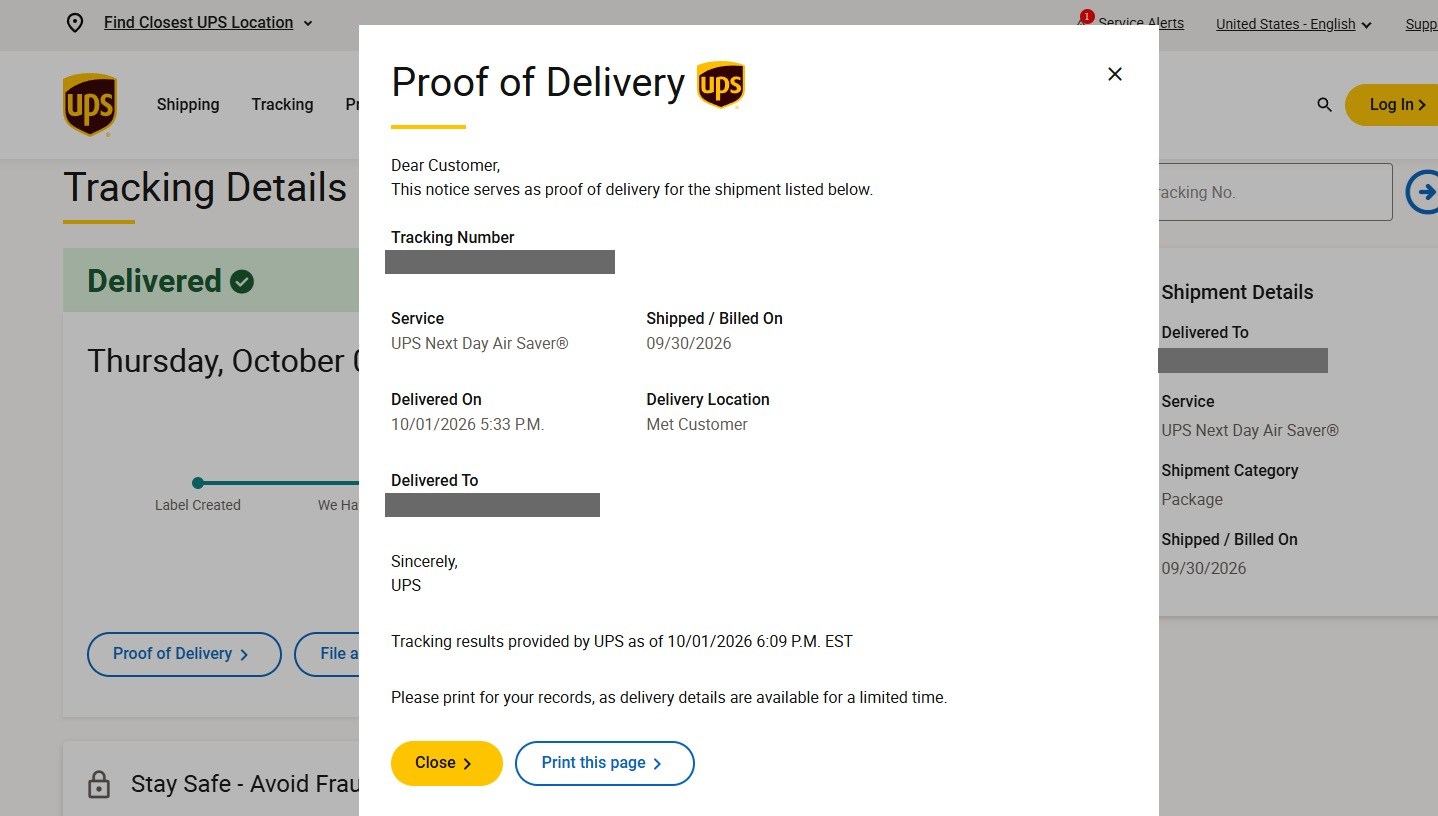
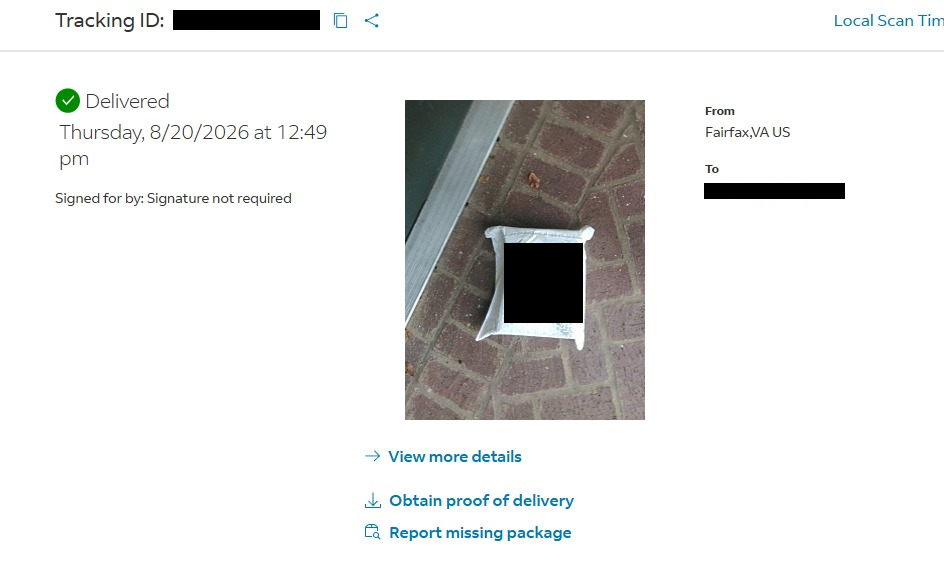
Delivered
Michigan
Destination state
Carrier-confirmed deliveryThe supplied tracking record shows this shipment as delivered.
Recipient details withheld
A medically reviewed guide to Tirzepatide weight loss results, timelines, clinical studies, maintenance, and realistic expectations.

This article has been medically reviewed and approved by Dr. Fremlin Dekyi, MD, to support clinical accuracy and patient-friendly education about Tirzepatide weight loss expectations. This content is for educational purposes only and does not replace personalized medical advice from a licensed healthcare provider.
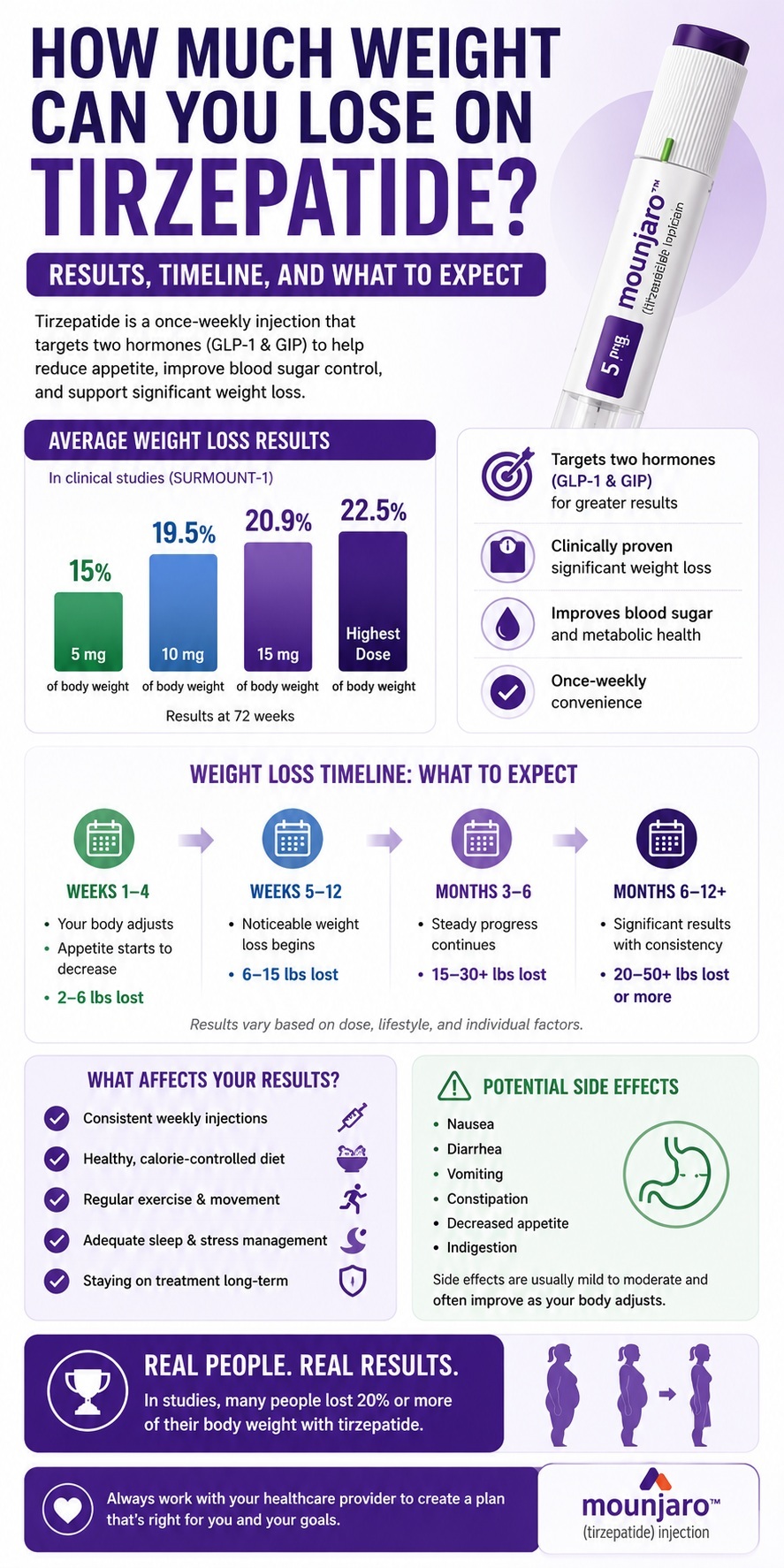
Many patients taking Tirzepatide for weight management can lose approximately 15% to 22% of their starting body weight when treatment is combined with healthy lifestyle changes and ongoing medical supervision. Some patients lose more and others lose less depending on treatment duration, adherence, nutrition, physical activity, and overall health status.
If you have been researching medical weight loss options, you have probably heard about Tirzepatide. Marketed under brand names such as Zepbound and Mounjaro, Tirzepatide has generated significant attention because of the weight loss results seen in clinical trials and real-world care.
Many patients considering treatment want to know how much weight they can realistically lose, how quickly Tirzepatide works, what clinical studies show, what affects individual results, and how Tirzepatide compares with Semaglutide.
This guide provides an evidence-based overview of expected Tirzepatide weight loss results, treatment timelines, clinical research findings, and practical tips for maximizing long-term success.
One of the reasons Tirzepatide has attracted so much attention is the strength of the clinical evidence supporting its use for weight management in eligible adults.
The SURMOUNT trials represent some of the largest and most important obesity studies conducted for this medication class. Researchers evaluated Tirzepatide in adults with obesity or overweight and measured weight loss outcomes over extended treatment periods.
In SURMOUNT-1, participants receiving higher Tirzepatide doses achieved average weight reductions approaching 20% or more of body weight over 72 weeks. Some participants achieved weight loss levels that changed expectations for medical obesity treatment.
For a patient weighing 200 pounds, 20% weight loss is approximately 40 pounds. For a patient weighing 250 pounds, it is approximately 50 pounds. For a patient weighing 300 pounds, it is approximately 60 pounds.
These results can represent substantial improvements in body weight, waist circumference, and overall health markers, though individual outcomes vary.
One of the most common questions patients ask is whether Tirzepatide works better than Semaglutide. Recent head-to-head clinical research suggests Tirzepatide generally produces greater average weight loss for many patients.
Clinical findings have shown average weight loss of about 20% with Tirzepatide compared with about 14% with Semaglutide in some study settings. Both medications are highly effective, but Tirzepatide currently appears to provide greater average weight reduction for many patients.
Tirzepatide is a prescription medication that belongs to a newer class of drugs sometimes referred to as dual incretin receptor agonists. Unlike Semaglutide, which targets only the GLP-1 receptor, Tirzepatide activates both GLP-1 and GIP pathways.
These naturally occurring hormone pathways help regulate appetite, satiety, blood sugar control, energy balance, and insulin sensitivity. By targeting both pathways, Tirzepatide may produce stronger appetite suppression and greater average weight loss than many other obesity treatments.
Weight gain is not simply a matter of willpower. Appetite, hormones, metabolism, and food cravings all play important roles. Tirzepatide works by addressing several biological factors involved in weight regulation.
Many patients notice decreased hunger, earlier fullness, fewer cravings for highly processed foods or sweets, and better portion control. Stable blood sugar levels may also help reduce hunger fluctuations throughout the day.
Many patients taking Tirzepatide lose approximately 15% to 22% of starting body weight. The table below shows example ranges based on starting weight.
| Starting Weight | Potential Weight Loss | Potential Ending Weight |
|---|---|---|
| 180 lbs | 27-40 lbs | 140-153 lbs |
| 200 lbs | 30-44 lbs | 156-170 lbs |
| 250 lbs | 38-55 lbs | 195-212 lbs |
| 300 lbs | 45-66 lbs | 234-255 lbs |
| 350 lbs | 53-77 lbs | 273-297 lbs |
Patients often expect immediate results, but successful weight loss usually occurs gradually. Understanding the timeline can help set realistic expectations.
During the first week, many patients notice reduced appetite, earlier fullness, less snacking, and fewer cravings. Weight loss varies significantly during this period; some patients lose several pounds while others notice mainly appetite changes.
During the first month, common experiences include better portion control, reduced food noise, and increased awareness of hunger cues. Average weight loss may range from about 4 to 10 pounds depending on starting weight and lifestyle habits.
This period often marks the beginning of more noticeable weight reduction. Patients frequently report smaller clothing sizes, improved confidence, and better energy. Many individuals lose 10 to 20 pounds or more during the first three months.
Weight loss often becomes more visible as patients progress through treatment. Typical outcomes may include 15 to 30 pounds lost, improved blood pressure, better mobility, and reduced joint discomfort.
At this stage, many patients experience substantial body composition changes. Some individuals lose 30 to 50 pounds, 15% or more of body weight, or even more depending on starting weight. Beyond one year, treatment often focuses on continued progress, weight maintenance, and prevention of regain.
Not everyone experiences identical outcomes. Several factors influence Tirzepatide results, including starting body weight, dose progression, dietary habits, physical activity, sleep quality, consistency, and individual medical history.
Patients with higher starting weights often lose more total pounds. Patients who successfully reach higher maintenance doses and consistently follow provider recommendations may experience greater average weight loss.
Yes. Many patients lose 50 pounds or more while taking Tirzepatide, particularly if their starting weight is higher, treatment continues long term, healthy habits are maintained, and they follow provider recommendations.
For some patients, a 50-pound weight loss is achievable within the first year of treatment, though this should not be treated as a guaranteed result.
Although not typical, some patients have reported losing 100 pounds or more. This outcome is more common among individuals with severe obesity who remain on treatment long term, maintain dietary changes, stay physically active, and continue medical follow-up.
Such results require sustained effort and should not be considered average outcomes.
One of the most common concerns patients have is what happens after they stop taking Tirzepatide. While Tirzepatide can be highly effective for weight loss and appetite management, obesity is generally considered a chronic medical condition rather than a temporary problem.
Just as blood pressure may increase when hypertension medication is discontinued, appetite regulation may change when Tirzepatide treatment stops. Some patients notice increased appetite, more frequent hunger, return of cravings, or difficulty maintaining previous calorie intake.
This does not mean the medication failed. It reflects the body's natural biological systems reasserting themselves after treatment ends.
Tirzepatide helps regulate hunger and fullness signals by activating both GLP-1 and GIP receptors. When treatment is discontinued, these effects may gradually diminish.
Clinical research has demonstrated that some patients regain a portion of their lost weight after stopping GLP-1-based medications. The amount regained varies depending on diet quality, physical activity, sleep habits, stress management, duration of treatment, and ongoing medical support.
Some individuals maintain most of their weight loss after discontinuing Tirzepatide, particularly if they have successfully adopted long-term nutrition and exercise habits. Others may regain some or all of the weight that was lost.
Patients who successfully maintain weight loss often focus on high-protein nutrition, strength training, regular physical activity, and ongoing medical follow-up.
For some patients, long-term treatment may be appropriate. Because obesity is a chronic condition, some individuals benefit from continued medical therapy as part of a comprehensive weight management strategy. The best approach should be determined through shared decision-making with a healthcare provider.
While many patients focus on the number on the scale, Tirzepatide may provide benefits that extend beyond simple weight reduction. Even modest weight loss can improve overall health, quality of life, and long-term wellness.
Tirzepatide was originally developed to help manage type 2 diabetes, and many patients experience better glucose control, reduced insulin resistance, and improved HbA1c levels.
As weight decreases, many patients also experience improvements in systolic and diastolic blood pressure, cardiovascular health, cholesterol levels, triglycerides, waist circumference, mobility, sleep quality, energy, and confidence.
Clinical studies suggest Tirzepatide generally produces greater average weight loss than Semaglutide for many patients. However, average results do not decide which medication is best for an individual person.
The best treatment depends on medical history, weight-loss goals, insurance coverage, side-effect tolerance, medication availability, and provider recommendations.
Many providers recommend focusing on lean proteins, vegetables, fruits, whole grains, and high-fiber foods while limiting highly processed foods. Smaller balanced meals may also be easier to tolerate during treatment.
Protein and resistance training are especially important because significant weight loss can include some lean mass loss if muscle preservation is not part of the plan.
You may be eligible for Tirzepatide if you have obesity or overweight with certain weight-related health conditions. A licensed healthcare provider can determine whether treatment is appropriate based on BMI, health history, current medications, treatment goals, and safety considerations.
One of the most common questions patients ask before starting treatment is how much Tirzepatide costs. The answer depends on several factors, including the medication prescribed, insurance coverage, pharmacy pricing, manufacturer savings programs, and whether treatment is being used for weight management or diabetes care.
Tirzepatide is available under two primary brand names: Zepbound, which is FDA approved for chronic weight management in eligible adults, and Mounjaro, which is FDA approved for type 2 diabetes management.
For patients paying entirely out of pocket, monthly costs can vary significantly. Brand-name GLP-1 medications may cost several hundred to more than one thousand dollars per month depending on dosage, location, and pharmacy pricing. Because pricing changes frequently, patients should verify current costs directly with their pharmacy and healthcare provider.
While medication cost is important, many patients also consider the broader health benefits associated with successful weight loss. Substantial weight reduction may improve blood pressure, blood sugar control, sleep apnea symptoms, mobility, joint pain, and overall quality of life.
Insurance coverage for Tirzepatide varies widely among insurance carriers and employer-sponsored health plans. Some plans cover FDA-approved obesity medications such as Zepbound when patients meet specific eligibility requirements. Other plans exclude weight-loss medications entirely.
Coverage often depends on BMI, weight-related health conditions, medical necessity documentation, prior authorization approval, and employer-selected benefits. Because policies change frequently, patients should verify coverage directly with their insurance provider.
If insurance does not provide coverage, patients may discuss manufacturer savings programs, alternative treatment options, flexible payment arrangements, or other medically appropriate therapies with their healthcare provider.
Prior authorization is a process insurers use to determine whether a medication meets coverage requirements. A healthcare provider may need to submit documentation showing current BMI, medical history, obesity-related health conditions, previous weight-loss attempts, and the treatment rationale.
Approval timelines vary depending on the insurance carrier. Insurance coverage decisions are often based on employer benefit selections, state regulations, insurance carrier policies, and medical necessity criteria.
Tirzepatide is intended for medical weight management and is generally prescribed based on established eligibility criteria. Many patients qualify with a BMI of 30 or higher, which meets the medical definition of obesity.
Patients may also qualify with a BMI of 27 or higher plus at least one weight-related medical condition, such as high blood pressure, type 2 diabetes, prediabetes, high cholesterol, obstructive sleep apnea, or cardiovascular risk factors.
BMI is a useful screening tool, but healthcare providers evaluate additional factors as well. A comprehensive assessment may include waist circumference, blood pressure, blood sugar levels, cholesterol levels, current medications, lifestyle factors, and family history.
Two patients with identical BMIs may have very different health profiles. For this reason, treatment decisions should always be based on a personalized medical evaluation rather than BMI alone.
At Doko Medical, one of the most common misconceptions providers hear is that Tirzepatide produces immediate and effortless weight loss. In reality, the most successful patients tend to focus on consistency rather than speed.
Patients who achieve the strongest long-term results often follow dosing recommendations carefully, prioritize protein intake, stay physically active, attend regular follow-up visits, focus on sustainable lifestyle habits, and view treatment as a long-term health investment.
Not everyone loses weight at the same pace. Some patients experience significant appetite reduction within the first few weeks, while others notice more gradual changes. Starting weight, medication dose, nutrition habits, exercise routine, sleep quality, stress levels, and medical conditions all influence results.
Daily weight changes are normal. The most meaningful measure of success is often the long-term trend over weeks and months rather than day-to-day fluctuations. Weight loss is also about more than the scale: many patients report increased energy, improved mobility, better confidence, improved blood sugar control, reduced food cravings, and better quality of life.
One of the strongest reasons healthcare providers have become interested in Tirzepatide is the quality of evidence supporting its effectiveness. The SURMOUNT clinical trial program evaluated Tirzepatide in adults with obesity or overweight and measured outcomes over extended treatment periods.
In the SURMOUNT-1 trial, participants receiving Tirzepatide achieved substantial average weight loss over 72 weeks. Many participants lost approximately 15% of body weight, 20% of body weight, or more than 20% of body weight depending on dosage and individual response.
For a patient weighing 200 pounds, 20% weight loss equals about 40 pounds. For a patient weighing 250 pounds, 20% weight loss equals about 50 pounds. For a patient weighing 300 pounds, 20% weight loss equals about 60 pounds.
The SURMOUNT program demonstrated that meaningful weight reduction is possible when Tirzepatide is combined with healthy lifestyle changes and ongoing medical supervision. While no medication guarantees specific outcomes, the evidence has significantly changed expectations for medical obesity treatment.
Tirzepatide is one of the most effective FDA-approved weight loss medications currently available for eligible patients. Many patients lose approximately 15% to 22% of starting body weight when medication is combined with healthy lifestyle changes and ongoing medical supervision.
Individual results vary, and the strongest outcomes usually come from consistency, follow-up, nutrition, physical activity, sleep, and a long-term approach to health rather than a short-term focus on the scale alone.
Doko Medical offers convenient online consultations for eligible patients interested in medically supervised weight loss treatment. Licensed healthcare providers can help determine whether Tirzepatide may be appropriate for your weight-loss goals and create a personalized treatment plan designed around your needs.
Patients usually get more value from medical review, fit assessment, and follow-up planning than from choosing a medication based only on headlines or social posts.
See some of the completed delivery confirmations shared by Doko Medical.
Destination state
Recipient details withheld
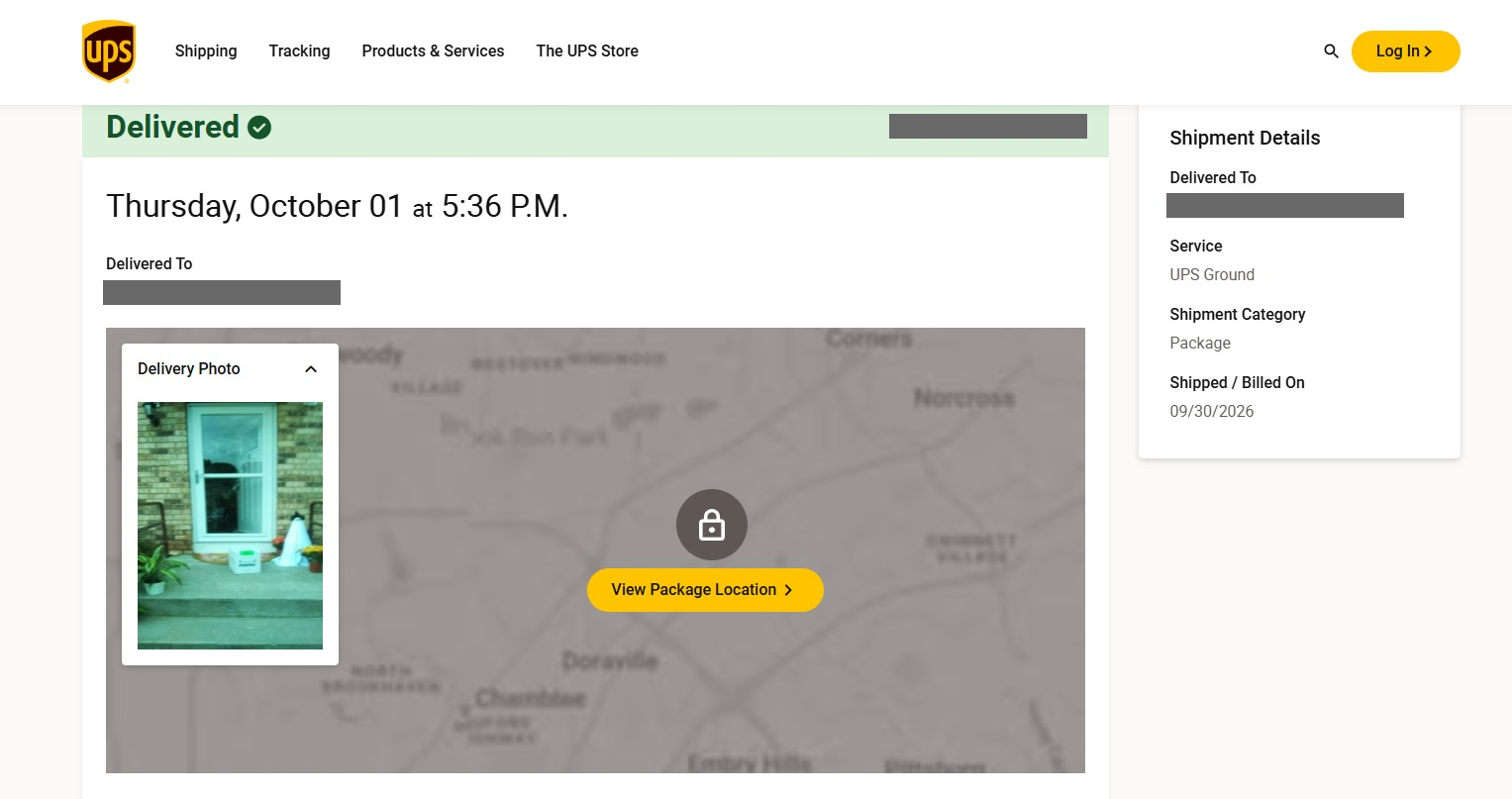
Destination state
Recipient details withheld
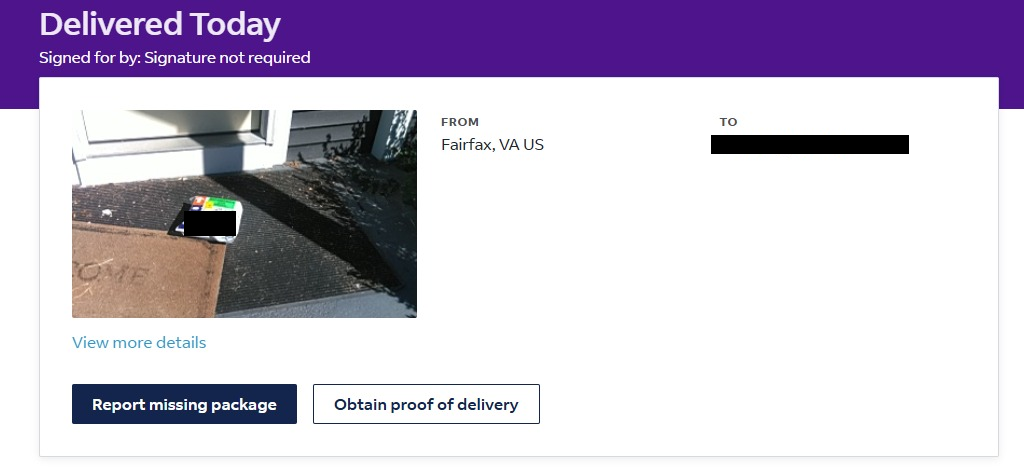
Destination state
Recipient details withheld

Destination state
Recipient details withheld
Destination state
Recipient details withheld