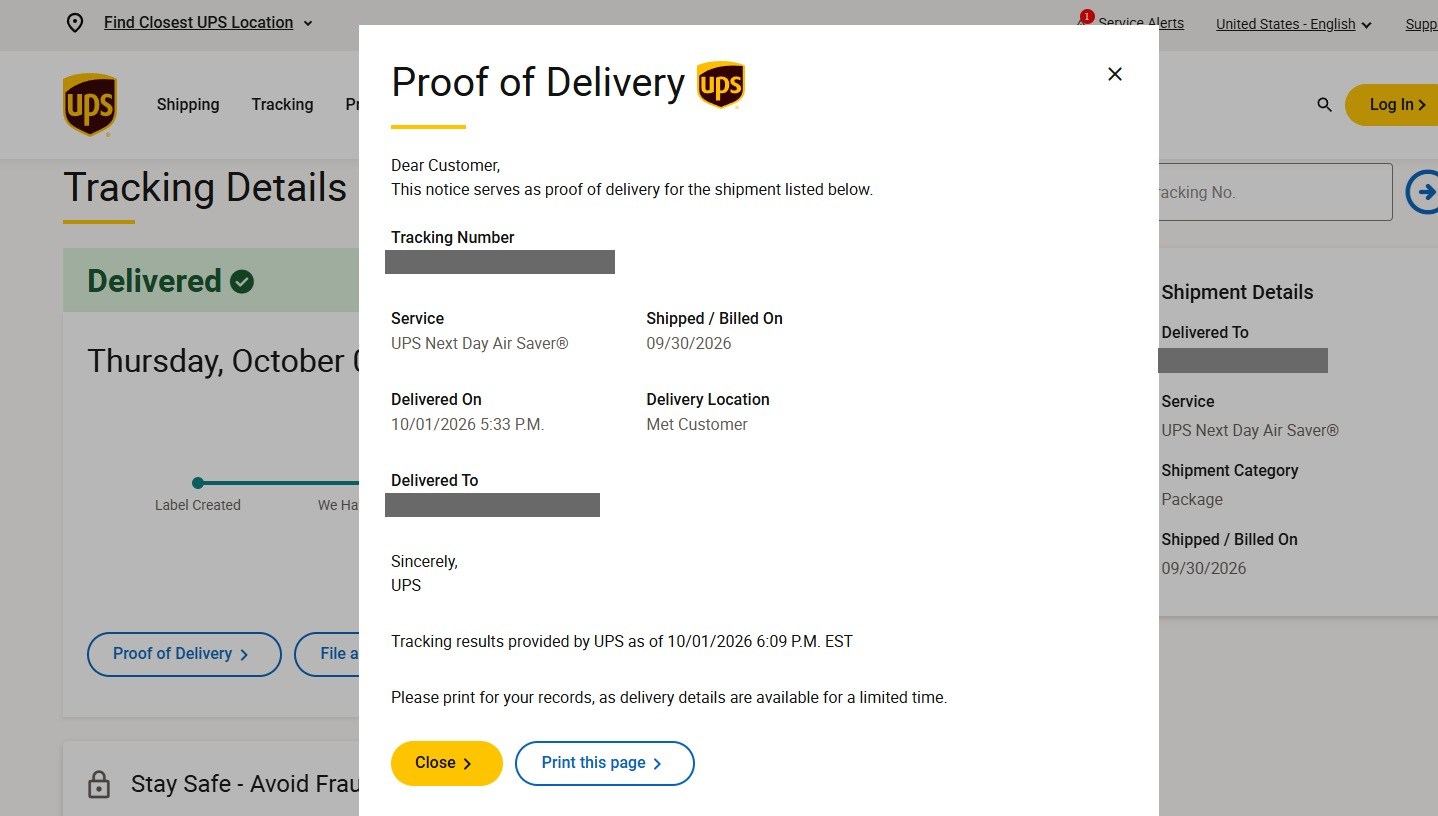
Delivered
Michigan
Destination state
Carrier-confirmed deliveryThe supplied tracking record shows this shipment as delivered.
Recipient details withheld
A medically reviewed guide to Zepbound and Mounjaro cash prices, online program fees, dosage, savings, coverage, and compounded-product concerns.

This article has been medically reviewed and approved by Dr. Fremlin Dekyi, MD. Prices, coverage, discounts, availability, and compounding rules change frequently; obtain current product and program quotes before treatment.
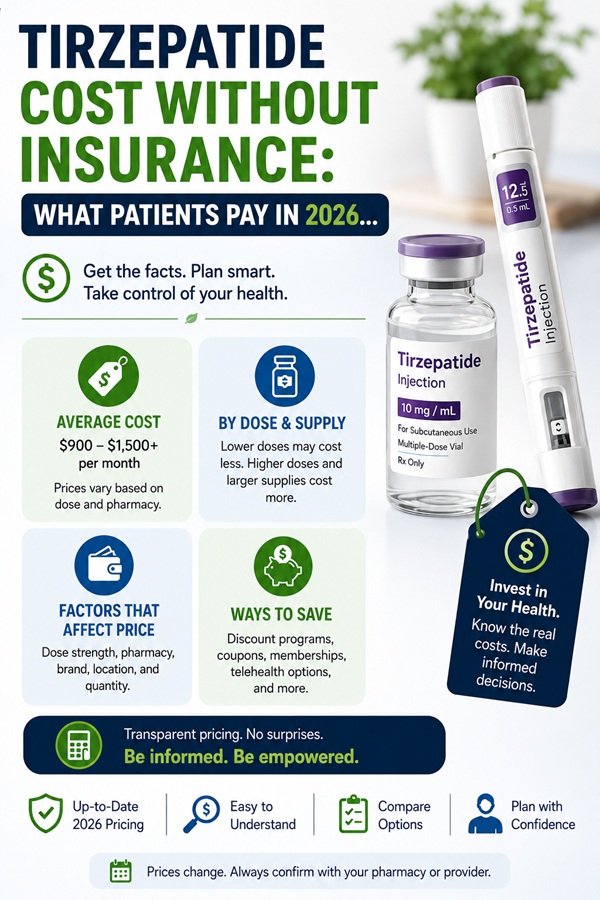
Brand-name Zepbound or Mounjaro cash prices may be roughly $900-$1,500 or more per month before discounts. Online program fees, laboratory testing, follow-up, supplies, and shipping may be separate. These are broad estimates rather than live quotes, so patients should confirm the exact product, pharmacy price, and complete program cost.
Tirzepatide is the active ingredient in Zepbound and Mounjaro. Zepbound is approved for chronic weight management and another product-specific indication, while Mounjaro is approved for type 2 diabetes. They should not be selected or substituted based on price alone.
Total out-of-pocket cost can include the medication, initial consultation, membership, follow-up appointments, testing, prescription management, supplies, and shipping.
Cost should be weighed against approved indication, safety, expected benefit, and realistic outcomes.
In SURMOUNT-1, adults with obesity or overweight without diabetes who received tirzepatide plus lifestyle intervention lost roughly 15% to 21% of body weight on average over 72 weeks, depending on dose.
The study population, dose, duration, and accompanying intervention matter. Individual results vary and are not guaranteed.
Tirzepatide is a once-weekly injectable dual GIP and GLP-1 receptor agonist. It influences appetite, fullness, digestion, insulin response, and blood sugar.
| Product | Active ingredient | Primary relevant FDA use |
|---|---|---|
| Zepbound | Tirzepatide | Chronic weight management and another product-specific sleep-apnea indication |
| Mounjaro | Tirzepatide | Type 2 diabetes; not approved specifically for chronic weight management |
Cash-paying patients generally face the highest prices. The ranges below are broad estimates, not live pharmacy quotes, and may change with manufacturer pricing, availability, dose, package duration, and location.
| Treatment or service | Illustrative monthly range | What to confirm |
|---|---|---|
| Brand-name Zepbound | $1,000-$1,500+ | Current pharmacy price, package, dose, and savings eligibility |
| Brand-name Mounjaro | $900-$1,400+ | Approved indication, current price, dose, and savings eligibility |
| Online treatment program | $150-$600+ with widely varying inclusions | Exact medication, visits, testing, supplies, and shipping included |
Pricing reflects research and clinical development, regulatory work, specialized peptide manufacturing, quality controls, supply, distribution, demand, negotiated rebates, and insurance structures.
A manufacturer list price, pharmacy cash price, insurer-negotiated amount, and patient out-of-pocket cost are not necessarily the same.
Tirzepatide is available in 2.5 mg, 5 mg, 7.5 mg, 10 mg, 12.5 mg, and 15 mg strengths. Treatment generally starts at 2.5 mg weekly and increases gradually according to the product label and individual tolerability.
Higher strength does not always create a simple proportional retail-price increase. Request a quote for the exact prescribed product, strength, quantity, and package. Never change dose to reduce cost without prescriber guidance.
| Dose step | Typical role |
|---|---|
| 2.5 mg weekly | Treatment initiation |
| 5 mg weekly | First maintenance option after escalation |
| 7.5 mg and 12.5 mg weekly | Escalation steps rather than standard maintenance doses |
| 10 mg or 15 mg weekly | Higher maintenance options when appropriate |
Telehealth programs may bundle or separate evaluation, membership, follow-up, testing, medication, and delivery. Advertised prices should name the exact product and licensed dispensing pharmacy.
| Program component | Illustrative range | What to ask |
|---|---|---|
| Consultation only | $50-$150+ | Are follow-up and prescription review included? |
| Membership | $99-$299+ monthly | Which visits, messages, coaching, and refills are included? |
| Medication plus clinical support | $150-$600+ advertised by some programs | Which exact product, dose, testing, supplies, and shipping are included? |
The exact product, pharmacy, dose, quantity, availability, location, insurance, and savings eligibility can affect medication cost. Program structure adds consultation, membership, testing, monitoring, supplies, and shipping costs.
Compounded tirzepatide is not FDA-approved. FDA does not review compounded products for safety, effectiveness, or quality before marketing. Federal law generally restricts compounding products that are essentially copies of commercially available drugs, subject to limited circumstances and changing shortage-related rules.
FDA has warned about unapproved GLP-1 products, fraudulent labeling, dosing errors, and quality concerns. Patients should verify the prescriber, licensed pharmacy, exact ingredient, concentration, dosing units, storage, testing, current legal availability, and adverse-event process.
A lower advertised price does not establish equivalence to Zepbound or Mounjaro. Price should not be the only factor in choosing treatment.
| What to verify | Why it matters |
|---|---|
| FDA approval status | Compounded products are not FDA-approved |
| Licensed dispensing pharmacy | Provides traceability and state oversight |
| Ingredient and concentration | Variation can affect quality and dosing accuracy |
| Dosing units and instructions | Errors can cause serious adverse effects |
| Current legal availability | Compounding permissions can change with shortage status and law |
Ask for a written estimate covering initial and recurring costs, including what happens if insurance denies coverage, medication is unavailable, treatment pauses, or the patient cancels.
| Potential cost | Examples |
|---|---|
| Clinical care | Evaluation, follow-up, messaging, refill review |
| Testing | Laboratory work or other monitoring when indicated |
| Medication | Product, dose, quantity, dispensing fee |
| Supplies and shipping | Needles where applicable, packaging, delivery |
| Administration | Membership, platform, cancellation, or authorization fees |
Brand-name products in both medication families can have high cash prices. Value depends on the approved indication, expected benefit, tolerability, coverage, savings, and complete care cost.
| Feature | Tirzepatide | Semaglutide |
|---|---|---|
| Weight-management brand | Zepbound | Wegovy |
| Type 2 diabetes brand | Mounjaro | Ozempic or Rybelsus |
| Brand cash price | Typically high; verify current product price | Typically high; verify current product price |
| Online access | Varies by program, state, and eligibility | Varies by program, state, and eligibility |
Results depend on dose, duration, adherence, lifestyle changes, medical conditions, and individual response. The examples show 20% of starting weight and do not promise an outcome.
| Starting weight | 20% of starting weight |
|---|---|
| 200 lbs | 40 lbs |
| 250 lbs | 50 lbs |
| 300 lbs | 60 lbs |
For chronic weight management, adults commonly qualify with BMI 30 or higher, or BMI 27 or higher with at least one weight-related condition. Product-specific criteria, contraindications, and medical review apply.
Mounjaro has a different approved indication. A clinician should select the product according to diagnosis and medical need.
Savings terms and coverage change. Confirm every option directly before relying on a quoted monthly amount.
Coverage depends on the exact product, diagnosis, plan formulary, employer benefit, and authorization rules. A plan may cover Mounjaro for qualifying type 2 diabetes while excluding Zepbound under an obesity-medication exclusion.
Verify medication, telehealth, testing, and follow-up benefits separately.
Potential benefits can include substantial weight loss, appetite reduction, improved mobility, metabolic improvements, and better quality of life for some patients. Benefits and risks vary.
Value should be assessed through medical appropriateness, expected benefit, side effects, long-term affordability, alternatives, and what happens if treatment stops.
Compare the exact product, pharmacy, clinician access, monitoring, cancellation terms, refill process, dose-related fees, and total monthly cost. Be cautious of guaranteed prescriptions, hidden pharmacies, unclear ingredients, or no access to a clinical team.
Understanding Zepbound cost by dose helps patients budget for long-term treatment. Zepbound is available in 2.5 mg, 5 mg, 7.5 mg, 10 mg, 12.5 mg, and 15 mg strengths. Most patients start at 2.5 mg and gradually increase according to provider recommendations.
Cost can vary by pharmacy, insurance status, location, manufacturer programs, quantity, and package. Patients should evaluate total treatment cost, not just medication cost.
| Zepbound dose | Typical role | Cost planning note |
|---|---|---|
| 2.5 mg weekly | Starter dose | Often used for treatment initiation; ask whether first-month pricing changes later. |
| 5 mg weekly | First maintenance option | Verify pharmacy price and refill timing after escalation. |
| 7.5 mg weekly | Escalation step | May be used during titration; confirm dose-specific availability and cost. |
| 10 mg weekly | Maintenance option | Long-term monthly affordability becomes important. |
| 12.5 mg weekly | Escalation step | Ask whether dose changes affect program or pharmacy pricing. |
| 15 mg weekly | Highest approved maintenance dose | Budget for recurring medication, follow-up, and monitoring costs. |
Starter dosing may include onboarding, consultation, eligibility review, and medication initiation. Maintenance therapy may continue for months or longer, so patients should ask about costs after the first refill or promotional period.
Follow-up visits, laboratory testing, prescription management, and shipping may contribute to overall expenses.
| Treatment phase | Common expenses | What to verify |
|---|---|---|
| Month 1 starter phase | Consultation, eligibility review, first prescription, supplies, shipping | Whether pricing is introductory or ongoing. |
| Dose escalation phase | Follow-up, refill review, side-effect support, dose changes | Whether dose changes affect cost or availability. |
| Maintenance phase | Recurring medication, monitoring, refills, long-term follow-up | Monthly total cost and what happens if coverage changes. |
Month 1 often includes onboarding costs such as consultation, eligibility review, and medication initiation. By Month 3, patients may have completed early dose escalation and follow-up visits. At Month 6, many patients are established on maintenance therapy. At Month 12, evaluating annual cost becomes important.
Understanding annual tirzepatide cost helps avoid interruptions and supports long-term planning.
| Timeline | Cost planning focus |
|---|---|
| Month 1 | Initial consultation, eligibility review, first prescription, supplies, shipping, and possible lab work. |
| Month 3 | Dose escalation, follow-up visits, refill management, side-effect support, and repeated medication costs. |
| Month 6 | Maintenance therapy, ongoing monitoring, progress review, and affordability reassessment. |
| Month 12 | Annual medication cost, insurance changes, reauthorization requirements, and long-term treatment planning. |
Patients should compare monthly medication costs, provider fees, laboratory monitoring, shipping, savings-program terms, and potential insurance changes. A monthly cost that feels manageable at first may become harder to sustain over a full year.
Insurance coverage varies widely. Some commercial plans cover Zepbound when medical necessity requirements are met. Coverage often depends on BMI, obesity-related conditions, employer plan design, formulary rules, and prior authorization approval.
Major insurers such as Aetna, Blue Cross Blue Shield, UnitedHealthcare, and Cigna may offer coverage under certain plans. Medicare and Medicaid coverage varies by indication, state, and plan design. Patients should verify benefits directly with their insurer.
| Coverage factor | Why it matters |
|---|---|
| BMI documentation | Many plans require current BMI before approving obesity medication. |
| Obesity-related conditions | Hypertension, sleep apnea, prediabetes, type 2 diabetes, high cholesterol, or cardiovascular disease may support medical necessity. |
| Employer plan design | Some employer plans exclude weight-loss medications even when the insurer offers coverage elsewhere. |
| Prior authorization | Approval is often required before the plan pays for Zepbound. |
| Pharmacy network | The lowest out-of-pocket price may depend on preferred pharmacy rules. |
Prior authorization is one of the most important topics for patients considering Zepbound. Insurers may require BMI documentation, obesity-related conditions, previous weight-loss attempts, current medications, and provider notes.
Common denial reasons include incomplete paperwork, missing BMI documentation, insufficient medical records, and employer exclusions. Appeals may succeed when additional medical evidence is submitted.
| Approval step | What usually happens |
|---|---|
| Benefit verification | Confirm whether the plan covers Zepbound for the patient's diagnosis. |
| Provider documentation | Record BMI, health conditions, prior attempts, contraindications, and treatment rationale. |
| Prior authorization submission | Provider submits required forms and notes to the insurer. |
| Insurance decision | Plan approves, denies, requests more information, or requires an alternative step. |
| Appeal if denied | Additional medical evidence may be submitted when appropriate. |
Patients often compare Zepbound, Wegovy, and Mounjaro. While all may carry significant costs without insurance, total value depends on expected results, coverage, tolerability, approved indication, and provider recommendations.
The most practical option may be the one that is medically appropriate, available, tolerated, and covered by the patient's plan.
| Product | Active ingredient | Primary relevant indication | Cost and coverage consideration |
|---|---|---|---|
| Zepbound | Tirzepatide | Chronic weight management and another product-specific indication | Often reviewed under obesity medication benefits; cash price may be high without coverage. |
| Wegovy | Semaglutide | Chronic weight management and another product-specific cardiovascular indication | Also commonly expensive without coverage; insurance criteria may differ from Zepbound. |
| Mounjaro | Tirzepatide | Type 2 diabetes | May be covered for qualifying diabetes diagnosis; not approved specifically for chronic weight management. |
Annual treatment expense includes more than the medication price. Patients should compare the full year of medication, visits, monitoring, shipping, supplies, prior authorization support, and potential insurance changes.
| Expense category | Zepbound | Wegovy | Mounjaro |
|---|---|---|---|
| Medication cash price | Typically high; verify current dose-specific quote | Typically high; verify current dose-specific quote | Typically high; verify current product quote |
| Insurance approval pathway | Often obesity-medication benefit and prior authorization | Often obesity-medication benefit and prior authorization | Often diabetes-related criteria |
| Clinical follow-up | Needed for dose escalation and side effects | Needed for dose escalation and side effects | Needed for diabetes or metabolic care |
| Total annual planning | Include refills, visits, labs, shipping, and reauthorization | Include refills, visits, labs, shipping, and reauthorization | Include refills, visits, labs, and coverage rules |
Patients usually get more value from medical review, fit assessment, and follow-up planning than from choosing a medication based only on headlines or social posts.
See some of the completed delivery confirmations shared by Doko Medical.
Destination state
Recipient details withheld
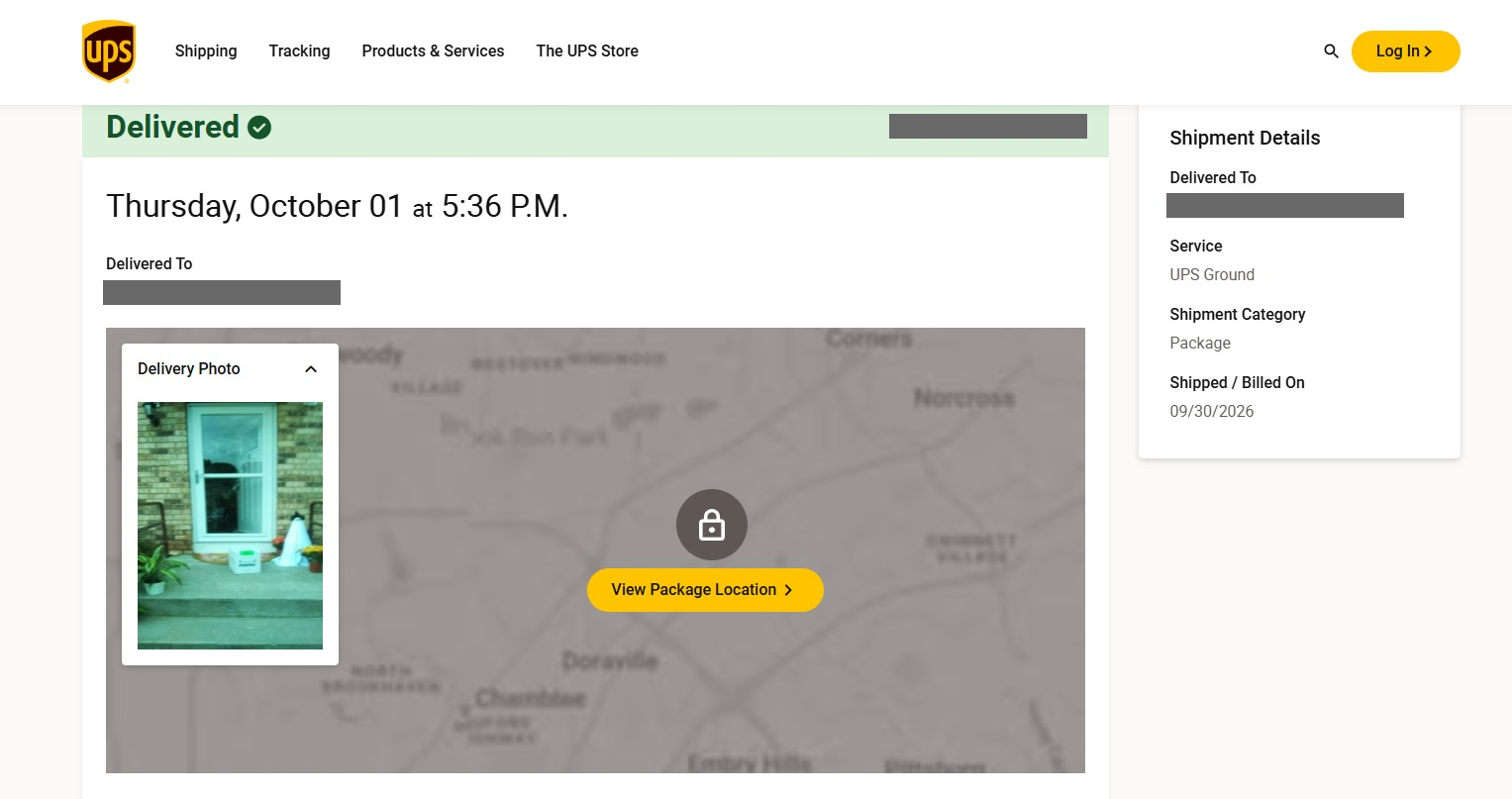
Destination state
Recipient details withheld
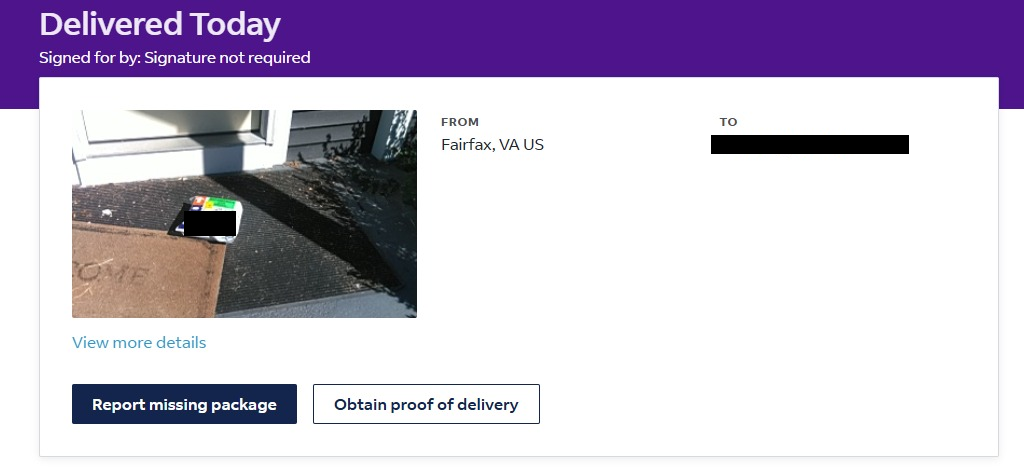
Destination state
Recipient details withheld
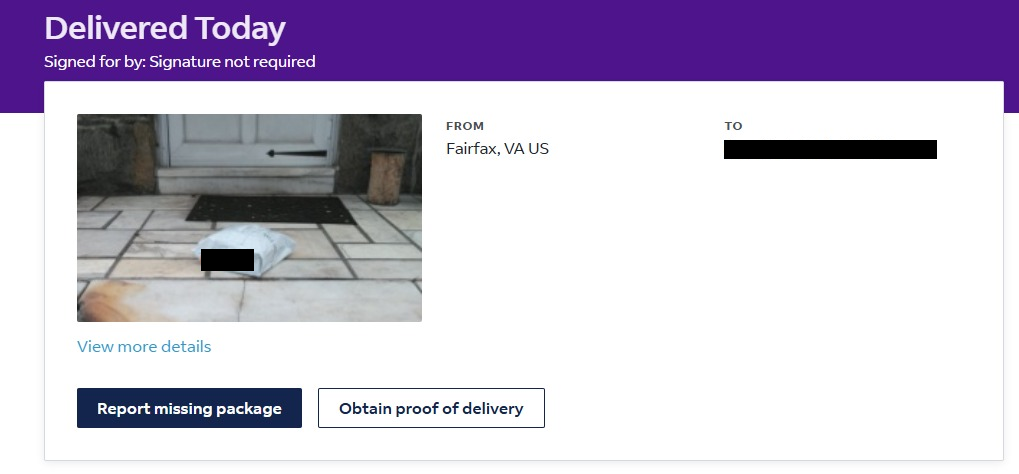
Destination state
Recipient details withheld
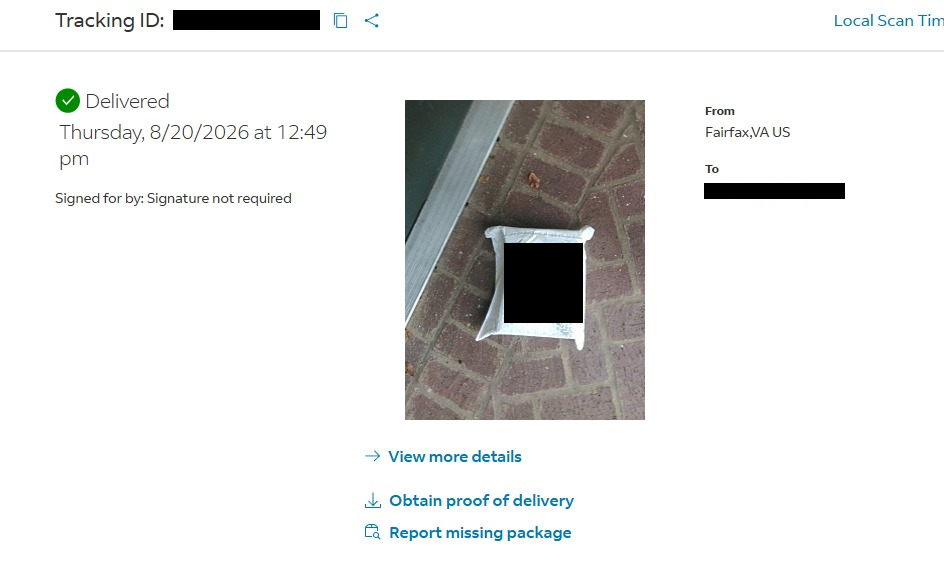
Destination state
Recipient details withheld