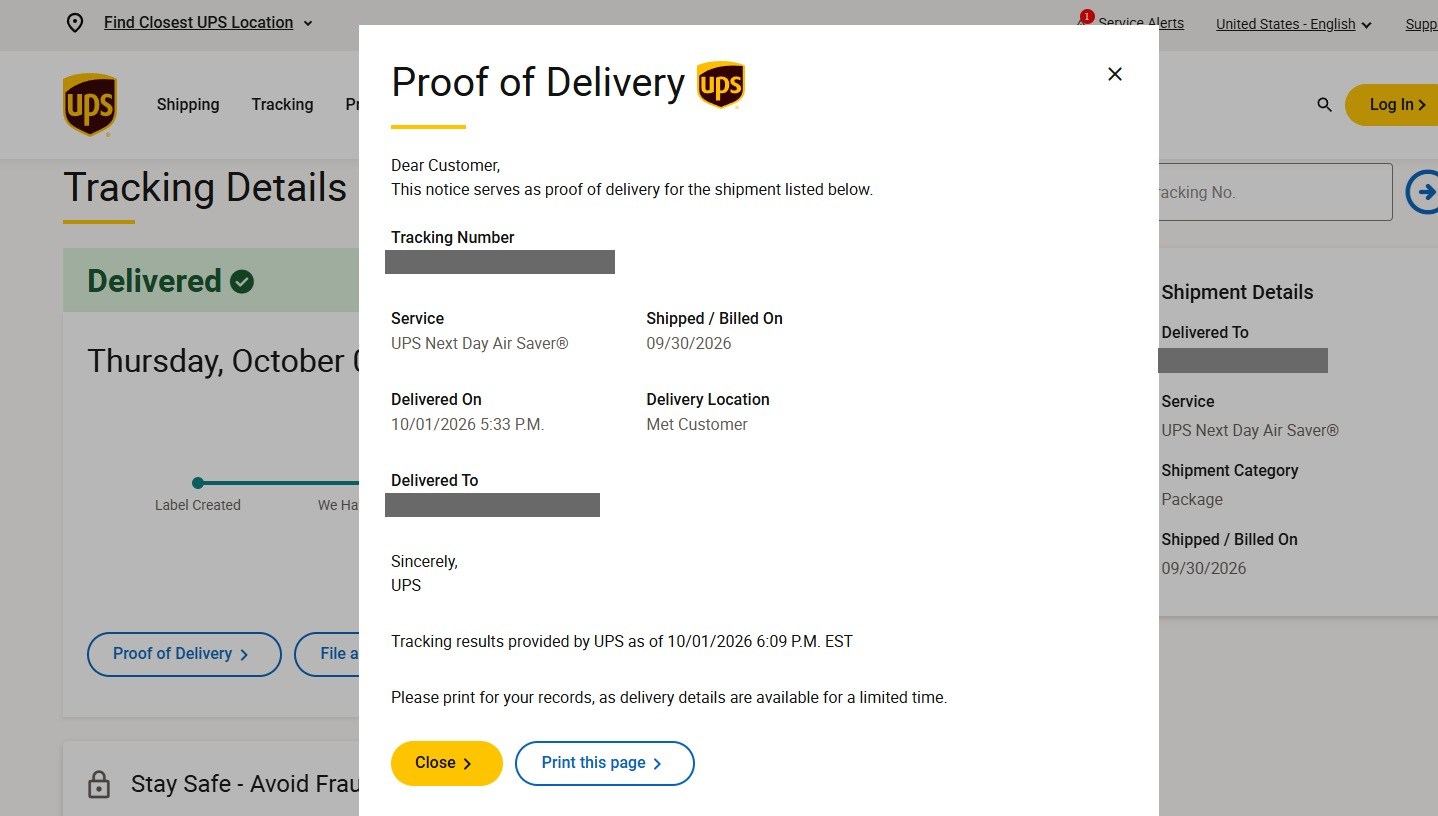
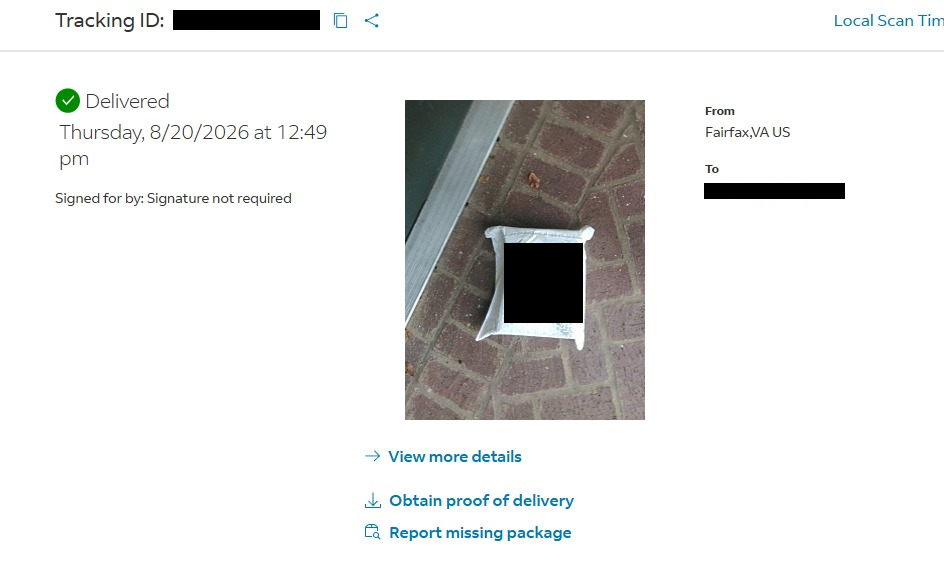
Delivered
Michigan
Destination state
Carrier-confirmed deliveryThe supplied tracking record shows this shipment as delivered.
Recipient details withheld
A medically reviewed guide to online assessment, provider review, treatment options, eligibility, costs, insurance, monitoring, and realistic results.

This article has been medically reviewed and approved by Dr. Fremlin Dekyi, MD, to support clinical accuracy and patient-friendly education about online medical weight loss. It is educational and does not replace individualized medical advice.
Online weight loss programs let eligible patients complete an assessment and meet with a licensed healthcare provider through telehealth. A program may include medical-history review, treatment eligibility assessment, lifestyle guidance, prescription options when appropriate, progress monitoring, side-effect support, and medication fulfillment or delivery where legally and clinically appropriate.
Online medical weight loss programs provide clinician-supervised obesity care without requiring every visit to occur in a physical clinic. The exact process varies by program, state rules, patient needs, and treatment selected.
A reputable program should evaluate the whole patient rather than promise a particular medication or result. Lifestyle support remains important, while prescription treatment may be considered when a licensed provider determines it is safe and appropriate.
Some online programs use medications supported by large clinical trials, but results depend on the medication, dose, duration, patient population, adherence, and accompanying lifestyle intervention.
In STEP 1, adults with overweight or obesity without diabetes who received semaglutide 2.4 mg plus lifestyle intervention lost about 15% of body weight on average over 68 weeks. Individual results varied.
In SURMOUNT-1, adults with obesity or overweight without diabetes who received tirzepatide plus lifestyle intervention lost roughly 15% to 21% on average over 72 weeks, depending on dose. Individual results varied.
Obesity is increasingly treated as a complex chronic condition influenced by genetics, hormones, metabolism, appetite regulation, behavior, medications, sleep, environment, and other health factors.
Nutrition and physical activity remain foundational, but modern treatment may also address biological drivers of hunger and weight regain rather than relying on willpower alone.
An online weight loss program is a telehealth service through which licensed healthcare professionals evaluate and manage eligible patients remotely. The plan may include nutrition, activity, behavior support, medication, or a combination.
Providers commonly review BMI, weight history, health conditions, current medications, prior treatment attempts, safety considerations, treatment goals, and access barriers.
Patients searching for the best online weight loss programs are often looking for more than medication. They want a program that combines medical expertise, personalized treatment, ongoing support, convenient follow-up, and transparent pricing.
The best online weight loss program is not necessarily the one with the most advertising. Patients should evaluate provider qualifications, available medications, insurance support, follow-up care, pharmacy transparency, and the overall patient experience.
A high-quality program should provide individualized medical review rather than simply selling medication. Clinical oversight matters because obesity treatment can involve contraindications, side effects, insurance requirements, and long-term maintenance planning.
Programs that sell medication without meaningful clinical oversight may not provide the same level of safety, monitoring, or long-term success.
Online programs can look similar at first glance, but the quality of medical review, follow-up, medication access, and insurance support can vary substantially.
| Feature | Doko Medical | Typical telehealth program |
|---|---|---|
| Medical review | Yes | Varies |
| Licensed providers | Yes | Usually |
| Weight-loss medication evaluation | Yes | Usually |
| Insurance support | Yes | Varies |
| Home delivery options | Yes | Often |
| Ongoing follow-up | Yes | Varies |
| Eligibility assessment | Yes | Usually |
| Lifestyle guidance | Yes | Varies |
Most medically supervised programs follow the same broad sequence, although exact requirements and communication methods vary.
| Step | What usually happens |
|---|---|
| 1. Online assessment | Submit height, weight, health history, current medications, prior attempts, and treatment goals |
| 2. Medical review | A licensed provider assesses eligibility, contraindications, risks, and whether more information or testing is needed |
| 3. Treatment recommendation | Discuss lifestyle strategies and any clinically appropriate prescription options |
| 4. Prescription or care plan | A prescription may be issued only when medically appropriate and legally permitted |
| 5. Follow-up | Monitor progress, side effects, adherence, dose decisions, and changing health needs |
A licensed physician or other qualified prescribing clinician may review medical history, assess medication eligibility, order or review appropriate testing, prescribe when indicated, monitor progress, adjust the care plan, and address side effects.
Not every patient qualifies for prescription treatment, and not every telehealth program offers the same level of follow-up or access to clinicians.
Eligibility depends on the treatment and a complete clinical evaluation. For medications approved for chronic weight management, adults commonly qualify with a BMI of 30 or higher, or a BMI of 27 or higher with at least one weight-related condition.
Relevant conditions may include high blood pressure, dyslipidemia, sleep apnea, type 2 diabetes, prediabetes, or cardiovascular disease. Product-specific criteria and contraindications still apply.
| Common pathway | Typical criterion |
|---|---|
| Obesity pathway | BMI 30 or higher |
| Overweight plus health risk | BMI 27 or higher with a qualifying weight-related condition |
| Final decision | Individual medical review, safety assessment, and product-specific requirements |
Telehealth does not change a medication’s FDA-approved use. A clinician should recommend a product based on diagnosis and medical need rather than popularity.
| Brand | Active ingredient | Primary relevant FDA use |
|---|---|---|
| Wegovy | Semaglutide | Chronic weight management and another product-specific cardiovascular indication |
| Zepbound | Tirzepatide | Chronic weight management and another product-specific sleep-apnea indication |
| Ozempic | Semaglutide | Type 2 diabetes and other product-specific risk-reduction indications; not approved specifically for chronic weight management |
| Mounjaro | Tirzepatide | Type 2 diabetes; not approved specifically for chronic weight management |
GLP-1 receptor agonists and dual GIP/GLP-1 receptor agonists influence appetite, fullness, digestion, and blood sugar. They may reduce hunger, quiet cravings, increase fullness, and lower calorie intake.
Medication does not replace nutrition, activity, sleep, or follow-up. Sustainable results generally require a broader long-term plan.
Trial averages suggest tirzepatide can produce greater average weight reduction than semaglutide in some studied populations. Cross-trial comparisons have limitations, and no result is guaranteed.
The most appropriate medication is the one that fits the patient’s approved indication, health history, risks, goals, tolerability, access, and budget.
| Medication studied | Approximate average result in pivotal obesity trial | Important context |
|---|---|---|
| Semaglutide 2.4 mg | About 15% at 68 weeks in STEP 1 | Adults without diabetes; lifestyle intervention included |
| Tirzepatide | About 15%-21% at 72 weeks in SURMOUNT-1, depending on dose | Adults without diabetes; lifestyle intervention included |
Telehealth can reduce travel, improve privacy and scheduling flexibility, and expand access for people in rural or underserved areas. Digital messaging and remote follow-up may also make ongoing care easier.
For patients balancing work, family, and health concerns, online medical weight loss can significantly reduce barriers to care.
Choosing the right program can improve both safety and long-term success. Patients should understand who provides care, what is included, how follow-up works, and what the total monthly cost may be before enrolling.
Many patients wonder how quickly treatment begins and what results they can realistically expect. Every program differs, but medically supervised online weight loss programs often follow a similar care timeline.
| Timeline | What may happen |
|---|---|
| Week 1: Initial assessment | Patients submit height, weight, medical history, current medications, previous weight-loss attempts, and treatment goals. |
| Week 2: Medical review | A licensed healthcare provider reviews BMI, health conditions, contraindications, medication interactions, and eligibility requirements. Not every patient qualifies for prescription treatment. |
| Month 1: Treatment begins | Patients may receive nutrition recommendations, activity guidance, behavioral strategies, and prescription medication when appropriate. Some notice reduced appetite, better portion control, and fewer cravings. |
| Month 3: Early progress | Many patients experience meaningful weight reduction, improved energy, better eating habits, and increased confidence. Providers may adjust the plan based on response and side effects. |
| Month 6: Continued weight loss | Patients may see improvements in blood pressure, mobility, sleep quality, and metabolic health. Regular follow-up remains important. |
| Month 12: Long-term success | Sustainable nutrition, consistent activity, ongoing follow-up, and long-term health goals become central to preventing regain. |
Program prices vary widely and change over time. Costs may include an initial consultation, recurring membership, laboratory testing, follow-up visits, and medication. Some programs bundle services while others bill them separately.
Published examples may range from roughly $50-$200 or more for a consultation and $99-$300 or more per month for membership, before medication. Brand-name medication cash prices may exceed $1,000 per month. These are not quotes; patients should request a complete current cost breakdown.
| Potential cost | What to verify |
|---|---|
| Consultation | One-time or recurring fee and cancellation policy |
| Membership | Included visits, messaging, coaching, and refill support |
| Testing | Whether laboratory work is required and billed separately |
| Medication | Brand or compounded product, pharmacy, insurance, and cash price |
| Shipping | Whether fulfillment and shipping are included |
Coverage depends on the insurer, employer benefits, diagnosis, medication formulary, medical-necessity rules, network status, and state requirements. Telehealth visits and medication may be covered differently.
Many plans require prior authorization, BMI documentation, medical records, qualifying health conditions, or step therapy. Patients should verify both the program’s network status and the medication benefit.
One of the most common questions patients ask is whether insurance will cover weight loss medication. Coverage for medications such as Wegovy and Zepbound depends on the insurance plan, employer benefits, medical history, and whether the patient meets specific eligibility requirements.
Understanding the insurance approval process can help patients avoid delays and improve their chances of obtaining coverage.
| Coverage factor | Why it matters |
|---|---|
| Specific insurance plan | Each plan has its own formulary, benefit rules, and authorization requirements. |
| Employer-sponsored benefits | Some employer plans exclude obesity medications even when the insurer offers them elsewhere. |
| State regulations | Rules and coverage requirements may vary by state and plan type. |
| Medical necessity | The plan may require provider documentation explaining why treatment is appropriate. |
| Prior authorization | Many plans require approval before the medication is paid for. |
| BMI and health conditions | BMI and weight-related conditions often determine whether criteria are met. |
Prior authorization for weight loss medication is a process where the healthcare provider submits clinical information to the insurance company before the prescription is approved for coverage.
The insurer reviews the request to determine whether the medication meets coverage requirements. Prior authorization does not guarantee approval, but it is often required before insurance will pay for treatment.
Insurance companies often want evidence that obesity is affecting overall health before approving treatment. Complete documentation can reduce delays.
| Requested information | Common purpose |
|---|---|
| Current height and weight | Used to calculate and document BMI. |
| Body Mass Index (BMI) | Helps determine whether plan criteria are met. |
| Weight-related medical conditions | Supports medical necessity. |
| Previous weight-loss attempts | Some plans require documented lifestyle or treatment history. |
| Current medications | Helps assess interactions and clinical fit. |
| Medical history | Helps evaluate safety and eligibility. |
| Provider notes | Explains diagnosis, treatment rationale, and follow-up plan. |
Many insurance plans use criteria similar to FDA-approved chronic weight-management indications. Final eligibility still depends on the plan and provider review.
Qualifying conditions may include high blood pressure, sleep apnea, prediabetes, type 2 diabetes, high cholesterol, or cardiovascular disease.
| Eligibility pathway | Common requirement |
|---|---|
| Obesity | BMI 30 or higher |
| Overweight with a health condition | BMI 27 or higher plus a qualifying weight-related condition |
A denial does not necessarily mean treatment is inappropriate. Denials may happen because documentation is missing, forms are incomplete, or the plan excludes obesity medication coverage.
In many cases, providers can submit additional information to support the request or appeal the decision.
If insurance approves treatment, patients may still have out-of-pocket responsibilities. Approval means the plan may help pay, not that the medication will be free.
Actual cost depends on the specific insurance plan, deductible status, pharmacy benefit, copay, coinsurance, and medication availability.
| Possible patient cost | What it means |
|---|---|
| Copay | A fixed amount paid for the medication or visit. |
| Deductible | The amount the patient may need to pay before benefits apply. |
| Coinsurance | A percentage of the medication cost paid by the patient. |
Yes. Many insurance plans allow appeals when a request is denied. Additional documentation may strengthen an appeal, especially when the denial involved missing records or incomplete clinical details.
Patients can help the process by providing complete and accurate information early. Insurance coverage for weight loss medication continues to evolve as obesity treatment becomes increasingly recognized as an important part of long-term health management.
Results vary with treatment selection, dose, adherence, nutrition, physical activity, medical history, side effects, and duration. The examples below simply show a 15% change in starting weight and do not promise an outcome.
| Starting weight | 15% of starting weight |
|---|---|
| 200 lbs | 30 lbs |
| 250 lbs | 37.5 lbs |
| 300 lbs | 45 lbs |
GLP-1-related medications commonly cause nausea, vomiting, diarrhea, constipation, reduced appetite, and abdominal discomfort. Serious risks, warnings, contraindications, and interactions vary by product.
Patients should receive clear instructions about side effects, urgent warning signs, missed doses, escalation, and how to contact the clinical team. Severe or persistent symptoms require medical attention.
Lifestyle changes are essential, but many people experience biological pressure toward hunger and weight regain. For eligible patients, clinician-supervised treatment can supplement lifestyle strategies and address additional drivers of weight.
Medication is not automatically better or appropriate for everyone. The right level of care depends on health risk, treatment history, preferences, and clinical assessment.
Both models can provide appropriate care. The better format depends on clinical complexity, access, preference, examination or testing needs, and the quality of follow-up.
| Feature | Online program | Traditional clinic |
|---|---|---|
| Telehealth access | Core delivery method | Varies |
| Travel required | Usually no | Usually yes |
| Remote follow-up | Common | Varies |
| Physical examination | Limited remotely | Available in person |
| Prescription access | When appropriate and permitted | When appropriate |
| Convenience | Often high | Depends on location and scheduling |
These fictional examples illustrate possible evaluation pathways and do not predict approval or results.
A patient with multiple unsuccessful diet attempts completes a medical review. BMI and hypertension may support eligibility, but safety and product-specific factors still determine the recommendation.
A provider reviews the documented health condition, weight history, medications, and goals before deciding whether prescription treatment is appropriate.
A more complex plan may include medication, close follow-up, laboratory review, nutrition support, and discussion of other obesity-treatment options.
Online weight loss programs can be highly effective, but not every patient achieves the results they expect. Understanding why weight loss programs fail can help patients develop realistic expectations and improve long-term success.
In many cases, failure is not caused by lack of motivation. Obesity is a complex chronic condition influenced by biology, hormones, environment, stress, sleep, medications, and lifestyle factors.
Many patients become discouraged when they expect rapid results. Healthy weight loss takes time, results vary, medication response differs, and lifestyle changes remain important.
Patients who discontinue treatment prematurely may experience increased hunger, return of cravings, weight regain, and reduced motivation. Long-term success often requires ongoing follow-up and sustainable habits.
Regular follow-up allows providers to monitor progress, adjust doses, address side effects, review nutrition habits, and improve adherence.
A plateau occurs when progress slows or temporarily stops. As body weight decreases, metabolism changes, calorie needs decrease, and weight loss naturally slows.
Even highly effective medications work best with healthy nutrition, physical activity, adequate sleep, stress management, and consistent follow-up.
Patients often search for why weight loss medications stop working when they experience a plateau. In reality, the medication may still be providing important benefits such as appetite control, reduced cravings, and prevention of weight regain.
The perceived slowdown often reflects the body's natural adaptation rather than medication failure. Providers may review nutrition habits, physical activity, sleep quality, stress levels, adherence, and dose adjustments before determining whether treatment changes are necessary.
The most successful patients focus on sustainable lifestyle changes, consistent follow-up, realistic expectations, and long-term health improvement.
Weight management is rarely a straight line. Temporary setbacks, plateaus, and fluctuations are common. The goal is not perfection but steady progress toward better health over time.
Patients should look for licensed clinicians, transparent pricing, clear pharmacy information, evidence-based eligibility review, privacy protections, side-effect support, and a realistic follow-up plan.
Be cautious of guaranteed prescriptions, guaranteed weight loss, unclear medication sourcing, hidden fees, or programs that provide no practical way to reach a clinical team.
One of the most common reasons patients seek online weight loss treatment is access to evidence-based medications. Several prescription options may be discussed during a medical evaluation, but the right choice depends on diagnosis, approved indication, medical history, side-effect tolerance, insurance coverage, treatment goals, and provider recommendations.
| Medication | Active ingredient | Key treatment context |
|---|---|---|
| Zepbound | Tirzepatide | Activates both GIP and GLP-1 receptors; used for chronic weight management in eligible patients. |
| Wegovy | Semaglutide | GLP-1 receptor agonist approved for chronic weight management in eligible patients. |
| Ozempic | Semaglutide | Approved for type 2 diabetes and certain related uses; not approved specifically for chronic weight management. |
| Mounjaro | Tirzepatide | Approved for type 2 diabetes; shares the same active ingredient as Zepbound but has a different approved indication. |
Clinical studies suggest Zepbound and other tirzepatide-based treatment pathways can produce substantial average weight loss, while Wegovy also has strong clinical evidence for chronic weight management. Individual results vary significantly.
Medication choice should not be based on average weight loss alone. Safety, side-effect tolerance, insurance coverage, affordability, diagnosis, and provider guidance all matter.
| Medication | Approximate average weight-loss context |
|---|---|
| Zepbound | About 15% to 21% in pivotal tirzepatide obesity trial data, depending on dose and study context |
| Wegovy | About 15% in pivotal semaglutide 2.4 mg obesity trial data |
| Mounjaro | Similar active ingredient to Zepbound, but approved for type 2 diabetes rather than chronic weight management |
| Ozempic | Generally lower average weight-loss context than Wegovy dosing; approved for type 2 diabetes uses |
Patients usually get more value from medical review, fit assessment, and follow-up planning than from choosing a medication based only on headlines or social posts.
See some of the completed delivery confirmations shared by Doko Medical.
Destination state
Recipient details withheld
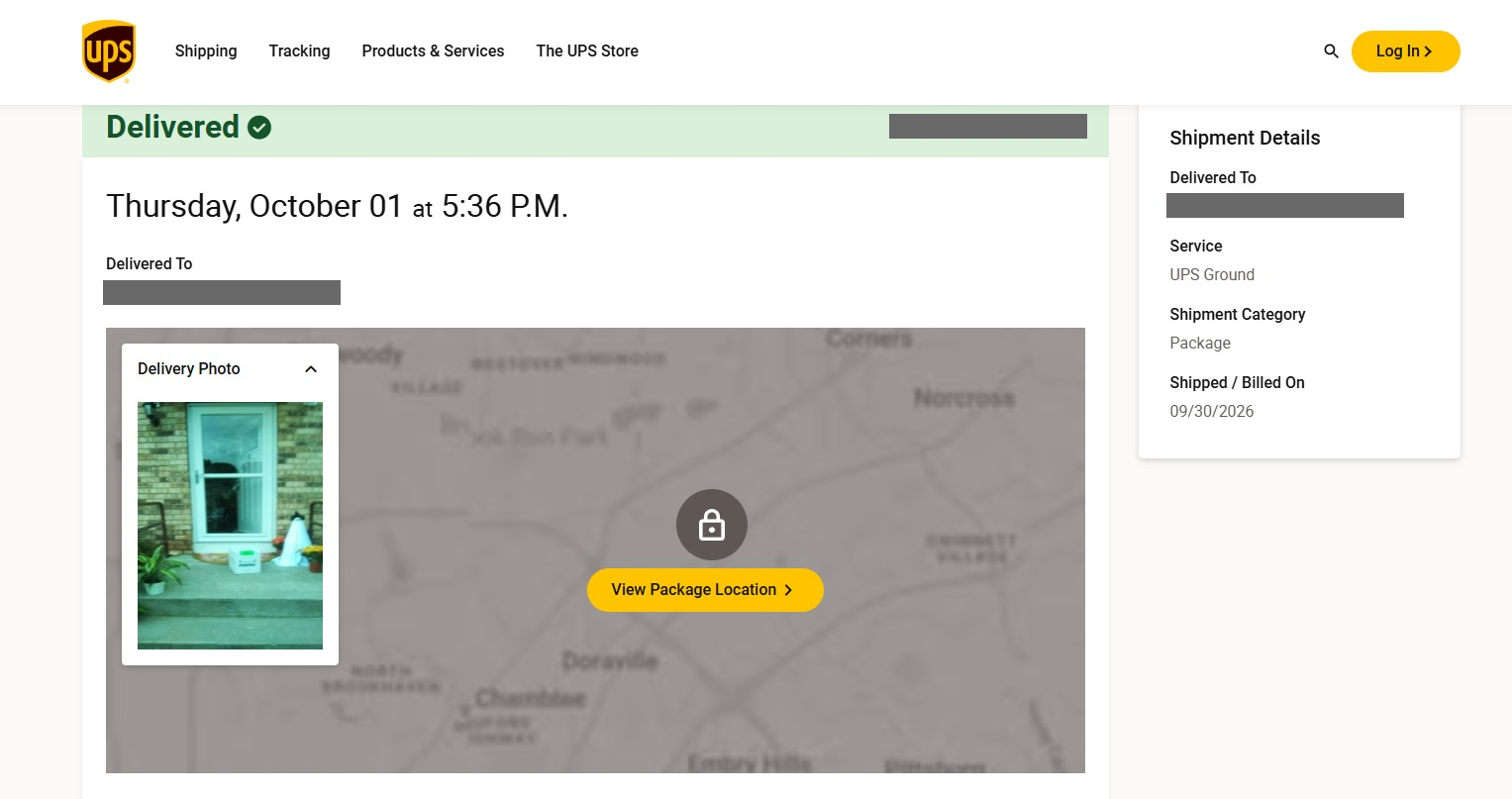
Destination state
Recipient details withheld
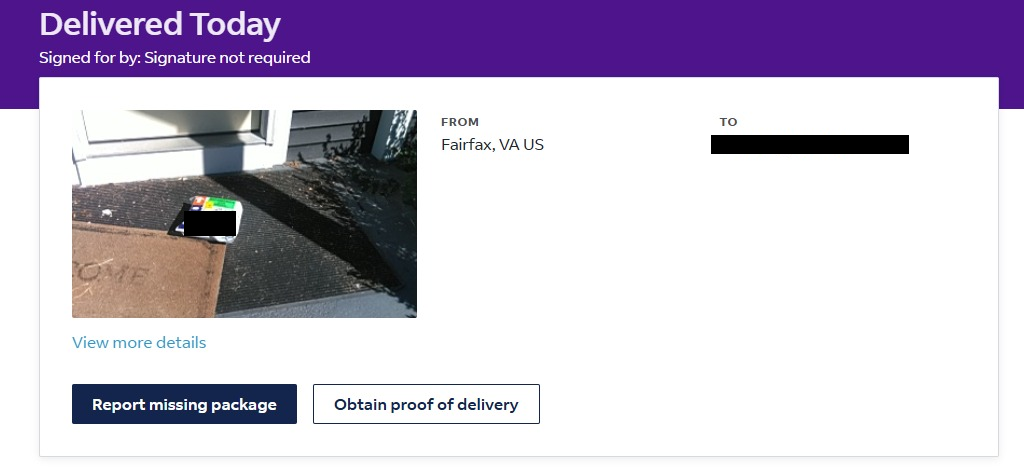
Destination state
Recipient details withheld

Destination state
Recipient details withheld
Destination state
Recipient details withheld