BMI of 30 or higher
You may meet the standard BMI threshold for chronic weight-management medication evaluation.
See how the BMI 30 and BMI 27 thresholds commonly apply to GLP-1 weight-loss medication evaluation, related health conditions, and insurance review.

Adults commonly meet initial criteria for weight-management medication at a BMI of 30 or higher, or a BMI of 27 or higher with at least one weight-related health condition. Meeting a BMI threshold does not automatically mean a medication is appropriate or covered by insurance; final eligibility requires clinical review.
Enter your height and weight for an educational estimate. Your result is only one part of a licensed provider's assessment.
BMI is a screening starting point—not a diagnosis or an automatic prescription. A licensed clinician makes the final treatment decision.
You may meet the standard BMI threshold for chronic weight-management medication evaluation.
You may meet common weight-management criteria when a weight-related health condition is also present. A clinician must assess whether treatment is appropriate.
Weight-management GLP-1 medications generally are not indicated solely for weight loss at this level.
This list is educational and not exhaustive. Requirements can differ by medication, medical history, and insurance plan.
Updated October 1, 2026 by the Doko MD Education Team. Medication-specific safety details were checked against current manufacturer prescribing information. Medically reviewed by Dr. Fremlin Dekyi, MD. Reviewed: October 1, 2026. This content does not replace individualized medical advice.
One of the most common questions patients ask when exploring medical weight loss options is what BMI is needed to qualify for GLP-1 weight loss treatment.
As medications such as Semaglutide and Tirzepatide become increasingly popular, more patients are seeking clear information about eligibility requirements.
BMI is one of the most important factors healthcare providers consider, but it is not the only consideration. Providers also review medical history, current health conditions, previous weight loss efforts, medication safety, and treatment goals.
This guide explains BMI requirements, how qualification works, and what patients should expect during the evaluation process.
BMI requirements for GLP-1 medications are based on obesity treatment guidelines, FDA-approved indications, and clinical trials evaluating safety and effectiveness.
Research has demonstrated that obesity is associated with increased risk of type 2 diabetes, heart disease, stroke, sleep apnea, hypertension, and certain cancers.
Weight reduction may improve many of these conditions, which is why BMI and weight-related health risks are part of treatment evaluation.
Major clinical studies involving Semaglutide, Tirzepatide, and Liraglutide primarily enrolled patients who met established BMI thresholds.
Researchers demonstrated meaningful improvements in body weight, blood pressure, blood sugar control, and cardiometabolic health. These findings contributed to current FDA-approved eligibility criteria.
BMI stands for Body Mass Index. It is a screening measure calculated from weight and height, not a direct measurement of body fat or a diagnosis on its own.
BMI helps healthcare providers classify weight categories and assess potential health risks. BMI is calculated by dividing weight by height squared. While BMI is not a perfect measurement, it remains one of the most commonly used tools in clinical practice.
The Centers for Disease Control and Prevention generally classifies adult BMI into the categories below.
| BMI | Category |
|---|---|
| Below 18.5 | Underweight |
| 18.5-24.9 | Healthy weight |
| 25.0-29.9 | Overweight |
| 30.0-34.9 | Obesity Class I |
| 35.0-39.9 | Obesity Class II |
| 40.0+ | Obesity Class III |
For most patients, a BMI of 30 or greater represents the primary qualification threshold for GLP-1 weight loss treatment. This BMI category meets the clinical definition of obesity.
Research shows that individuals with obesity face elevated risks for numerous chronic diseases. Because of these risks, healthcare providers may recommend medical treatment when lifestyle changes alone have not produced sufficient results.
| Height | Approximate weight for BMI 30 |
|---|---|
| 5'0" | 154 lbs |
| 5'3" | 169 lbs |
| 5'6" | 186 lbs |
| 5'9" | 203 lbs |
| 6'0" | 221 lbs |
Yes. Many patients qualify with a BMI of 27 or higher if they also have one or more weight-related medical conditions.
This category often includes patients who are overweight but not technically obese. Medical review helps determine whether medication is appropriate and safe.
Several obesity-related conditions may support eligibility for GLP-1 weight loss treatment. These conditions can also strengthen insurance approval requests when documentation is required.
Hypertension is one of the most common qualifying conditions. Excess body weight can contribute significantly to elevated blood pressure.
GLP-1 medications were originally developed for blood sugar management. Type 2 diabetes and prediabetes may strengthen eligibility because weight reduction can improve insulin sensitivity and metabolic risk.
High cholesterol, obstructive sleep apnea, and cardiovascular disease are commonly considered weight-related conditions. Providers consider overall cardiometabolic risk during evaluation.
In most cases, patients with a BMI below 27 do not qualify for GLP-1 medications prescribed specifically for weight management.
Clinical trials primarily focused on individuals with obesity or overweight plus comorbidities. Current FDA indications and many insurance policies generally reflect those populations.
Certain situations may require individualized evaluation, but treatment outside approved indications is determined by healthcare providers based on medical judgment and patient-specific circumstances.
Several medications use similar eligibility guidelines for chronic weight management.
Wegovy contains Semaglutide and is approved for chronic weight management in eligible adults who meet BMI criteria.
Zepbound contains Tirzepatide and follows similar obesity treatment criteria.
Saxenda contains Liraglutide and also uses BMI-based eligibility requirements.
No. BMI is important, but healthcare providers evaluate the whole patient.
The BMI 30 and BMI 27 thresholds discussed here apply to adult weight-management evaluation. They do not define every diabetes, cardiovascular, sleep-apnea, or pediatric indication; clinicians must check the specific product label and insurers may apply additional rules.
Providers review chronic conditions, current medications, previous treatments, family history, nutrition, exercise habits, sleep quality, stress levels, and personal treatment goals.
Some patients focus on weight reduction, while others focus on diabetes prevention, cardiovascular health, or improved mobility. These goals help guide treatment planning.
Insurance companies frequently adopt criteria similar to FDA-approved indications. BMI helps establish medical necessity, health risk, and potential treatment benefit.
Many insurance plans require BMI documentation, medical records, and weight-related diagnoses before approving coverage. Some plans also require prior authorization and evidence of previous weight loss attempts.
Patients considering treatment typically undergo a medical assessment. Providers gather information about current health, medications, weight history, and obesity-related health conditions.
Height and weight are used to calculate BMI. Providers then evaluate risks, determine whether treatment is appropriate and safe, and recommend a personalized plan when eligibility criteria are met.
If eligible, the plan may include medication options, nutrition, physical activity, follow-up care, and insurance documentation support.
Although BMI is useful, it has limitations. Athletes with significant muscle mass may have elevated BMI despite low body fat, and BMI does not distinguish between fat, muscle, and bone.
For this reason, providers may consider additional factors such as waist circumference, blood pressure, blood sugar levels, cholesterol, medical history, and body composition.
BMI is a useful starting point, but it does not tell the entire story. Healthcare providers increasingly recognize that obesity is a complex chronic disease influenced by genetics, hormones, metabolism, lifestyle, environment, and medical conditions.
By considering the complete clinical picture, providers can develop individualized treatment plans that extend beyond BMI alone.
Excess abdominal fat is associated with increased cardiovascular and metabolic risk. Two patients may have identical BMI scores but very different waist measurements and health risks.
Prediabetes, diabetes, elevated blood pressure, and abnormal cholesterol levels can significantly increase health risks associated with excess weight. Lab testing and vital signs may help providers understand metabolic health and determine whether treatment may be beneficial.
Providers often review lifetime weight trends, previous diet attempts, exercise history, and weight regain patterns. Many patients have successfully lost weight multiple times but struggled to maintain long-term results.
Genetics can influence obesity risk, appetite regulation, and metabolic health. A family history of obesity, diabetes, or cardiovascular disease may provide additional clinical context.
Wegovy and Zepbound are contraindicated with a personal or family history of medullary thyroid carcinoma, MEN 2, or a prior serious allergic reaction to the respective medicine. Neither is recommended with severe gastroparesis. Discuss pancreatic, gallbladder, kidney, and eye problems and all current medicines with the prescriber.
For weight management, pregnancy requires stopping treatment and contacting the prescriber. Wegovy should be stopped at least two months before a planned pregnancy. Zepbound can reduce oral hormonal contraceptive effectiveness: use a non-oral method or add a barrier method for four weeks after starting and after each dose increase. Insulin or sulfonylurea doses may need clinician-directed adjustment to reduce low blood sugar risk.
Safety information checked October 1, 2026 against the current Wegovy and Zepbound prescribing information. Medically reviewed by Dr. Fremlin Dekyi, MD. Reviewed: October 1, 2026.
Yes. Weight changes may affect treatment eligibility, insurance coverage, and medical necessity documentation. Regular follow-up helps ensure appropriate treatment planning.
Patients sometimes miss eligibility thresholds by a small margin. Providers still evaluate overall health, but insurance approval may be more difficult if official criteria are not met.
Patients may benefit from evaluation if they have obesity, have overweight with related medical conditions, have struggled with weight loss despite lifestyle changes, or want medically supervised treatment options.
A healthcare provider can determine whether treatment is appropriate based on individual circumstances.
Many patients understand the BMI requirements for GLP-1 medications but are unsure how those numbers apply to their own situation. The following examples show approximate body weights for BMI 27 and BMI 30 at different heights.
| Height | BMI 27 | BMI 30 |
|---|---|---|
| 5'0" | 138 lbs | 154 lbs |
| 5'2" | 148 lbs | 164 lbs |
| 5'4" | 157 lbs | 175 lbs |
| 5'6" | 167 lbs | 186 lbs |
| 5'8" | 177 lbs | 197 lbs |
| 5'10" | 188 lbs | 209 lbs |
| 6'0" | 199 lbs | 221 lbs |
| 6'2" | 210 lbs | 234 lbs |
Some individuals experience persistent hunger, food cravings, weight cycling, and difficulty maintaining weight loss even when BMI falls below 27.
Genetics, appetite regulation, metabolism, fat storage, energy expenditure, GLP-1, GIP, leptin, ghrelin, and insulin may influence weight regulation.
BMI thresholds still exist because clinical trials primarily studied patients meeting specific BMI requirements, and FDA indications and insurance policies are generally based on those populations.
Clinical eligibility and insurance coverage are separate decisions. A BMI of 30 or higher, or 27 or higher with a weight-related condition, may support a treatment evaluation but does not guarantee coverage.
Ask your insurer whether your specific plan covers the prescribed medication for your diagnosis. Requirements may include prior authorization, documented BMI and weight history, relevant diagnoses, and records of previous treatment attempts.
Some plans require step therapy or continued-treatment reviews. Confirm your out-of-pocket cost and renewal requirements before starting. If coverage is denied, ask for the reason and whether additional documentation or an appeal is available.
Insurance companies often evaluate whether treatment is medically necessary. Medical necessity generally means that a healthcare provider believes treatment is appropriate based on current health status, obesity-related medical conditions, health risks, previous treatment attempts, and potential benefits of treatment.
Patients with obesity-related complications frequently have stronger medical necessity documentation because weight loss may improve overall health outcomes.
Examples include high blood pressure, prediabetes, type 2 diabetes, sleep apnea, high cholesterol, and cardiovascular disease.
When providers submit prior authorization requests, medical necessity documentation often becomes one of the most important factors influencing approval decisions.
Many patients compare GLP-1 medications with bariatric surgery. Although both approaches may support significant weight loss, eligibility requirements differ.
Typical GLP-1 medication criteria include BMI 30 or greater, or BMI 27 or greater with qualifying conditions. Bariatric surgery often requires BMI 40 or greater, or BMI 35 or greater with serious obesity-related conditions.
The best approach depends on medical history, weight loss goals, risk tolerance, and provider recommendations.
Semaglutide is one of the most widely prescribed GLP-1 medications for chronic weight management. It is available under several brand names, including Ozempic for type 2 diabetes and Wegovy for obesity and overweight treatment.
When patients search for Semaglutide eligibility, one of the most common questions is whether they meet the BMI requirements necessary for treatment. For weight management, the FDA-approved Semaglutide product is Wegovy.
Adults may generally qualify if they have a BMI of 30 or higher, which meets the medical definition of obesity, or a BMI of 27 or higher with at least one weight-related medical condition.
Common qualifying conditions include high blood pressure, type 2 diabetes, prediabetes, high cholesterol, obstructive sleep apnea, and cardiovascular disease.
These BMI thresholds are based on the populations studied during major Semaglutide clinical trials. Researchers found that patients meeting these criteria often experienced meaningful weight loss and improvements in obesity-related health risks.
Many patients assume that a BMI above 30 automatically guarantees access to Semaglutide. In reality, healthcare providers evaluate much more than BMI alone. Medical history, current medications, previous weight loss attempts, safety considerations, and treatment goals all play important roles in determining whether Semaglutide is appropriate.
Insurance approval can also depend on BMI documentation. Many insurers require providers to submit current height and weight measurements, medical necessity documentation, and evidence of obesity-related conditions before approving coverage. Some plans may require prior authorization or proof of previous weight loss efforts.
Patients with a BMI between 27 and 29.9 frequently ask whether they qualify. The answer is often yes if they have a documented weight-related medical condition. For example, a patient with a BMI of 28 and hypertension may be considered eligible even though they do not technically meet the obesity threshold.
Patients with a BMI below 27 generally do not meet standard FDA-approved criteria for Semaglutide weight loss treatment. However, every patient is unique, and healthcare providers evaluate eligibility based on the complete clinical picture.
Semaglutide has become popular because it helps regulate appetite, slow stomach emptying, and reduce food cravings. Many patients report feeling satisfied with smaller portions, which can make long-term weight management easier than relying on willpower alone.
Patients interested in learning more about treatment expectations, side effects, and weight loss results may also review the Semaglutide Weight Loss Guide, Semaglutide Side Effects Guide, and Semaglutide vs Tirzepatide comparison.
The best way to determine whether you meet Semaglutide BMI requirements is through a medical evaluation that reviews BMI, health conditions, medication safety, and treatment goals.
Tirzepatide is one of the newest and most effective medications available for chronic weight management. It is marketed under the brand name Zepbound for weight loss and Mounjaro for type 2 diabetes treatment.
As awareness of Tirzepatide continues to grow, many patients want to understand whether they meet the BMI requirements needed to qualify. For chronic weight management, adults may generally qualify for Tirzepatide if they have a BMI of 30 or higher, or a BMI of 27 or higher with at least one weight-related health condition.
These eligibility criteria are similar to those used for Semaglutide and reflect FDA-approved indications for obesity treatment.
Weight-related conditions that may support eligibility include hypertension, prediabetes, type 2 diabetes, high cholesterol, obstructive sleep apnea, and cardiovascular disease.
Tirzepatide differs from Semaglutide because it activates both GIP and GLP-1 receptors. This dual-action mechanism may contribute to greater average weight loss for some patients, although individual results vary.
Eligibility still depends on medical review rather than BMI alone. Providers consider current health status, medication safety, digestive history, family and personal medical history, prior weight loss attempts, and treatment goals before recommending Tirzepatide.
Insurance approval may require documentation of BMI, obesity-related health conditions, previous treatment attempts, and medical necessity. Some plans cover Zepbound for eligible patients, while others require prior authorization or exclude obesity medications.
Patients with BMI between 27 and 29.9 may qualify when a weight-related condition is documented. Patients with BMI below 27 generally do not meet standard FDA-approved criteria for Tirzepatide weight loss treatment.
A provider evaluation is the most reliable way to determine whether Tirzepatide is appropriate and whether insurance documentation may support coverage.
Many patients are surprised when they receive an insurance denial. Common reasons include BMI not meeting requirements, missing documentation, no qualifying comorbidities, excluded benefits, incomplete prior authorization, or step therapy requirements.
Understanding the denial reason can help the provider determine whether additional records, diagnosis documentation, or an appeal may be appropriate.
The following examples illustrate how BMI and health conditions may influence eligibility. These examples are educational only and do not replace individualized medical review.
Sarah is 38 years old, 5 feet 5 inches, and weighs 198 pounds. Her BMI is approximately 33. Although she does not have diabetes or hypertension, she meets standard obesity criteria and may qualify for GLP-1 treatment if a healthcare provider determines treatment is appropriate.
Michael is 47 years old, 5 feet 10 inches, and weighs 195 pounds. His BMI is approximately 28. Because he has documented hypertension, he may qualify under overweight-plus-comorbidity criteria.
Jennifer has struggled with fatigue and was diagnosed with obstructive sleep apnea. Her BMI is 29. Because sleep apnea is a recognized obesity-related condition, she may qualify for treatment even though her BMI is below 30.
David has a BMI of 26 and does not have obesity-related health conditions. In most cases, he would not meet standard eligibility criteria for GLP-1 weight loss medications prescribed specifically for chronic weight management.
Angela has a BMI of 31 and recently learned she has prediabetes. Because she meets obesity criteria and has an additional metabolic risk factor, she would generally be considered a strong candidate for evaluation.
At Doko Medical, one of the most common misconceptions we encounter is the belief that BMI alone determines eligibility.
While BMI is an important starting point, healthcare providers evaluate the entire clinical picture, including current health conditions, weight history, previous treatment attempts, medication safety considerations, and insurance requirements.
Many patients are surprised to learn that qualifying medical conditions can significantly influence eligibility and insurance approval. We also frequently see patients who initially receive insurance denials but later obtain approval after additional documentation is submitted.
Because coverage policies and qualification criteria continue evolving, individualized medical evaluation remains the most reliable way to determine eligibility.
BMI alone does not determine your cost or insurance coverage. Before starting, confirm the consultation or program fee, medication cost, any lab charges, and follow-up fees. Ask what is included in the quoted price.
Check your insurance plan's medication coverage and any prior authorization requirements. Meeting clinical eligibility criteria does not guarantee payment by your insurer.
Have your current height and weight, medication list, relevant diagnoses, previous weight-loss treatment history, and insurance details ready. Confirm that care is available in your state. A licensed clinician will review your health history and discuss appropriate next steps.
Patients usually get more value from medical review, fit assessment, and follow-up planning than from choosing a medication based only on headlines or social posts.
Estimate your BMI and review commonly used criteria.
Share your health history, medications, insurance information, and treatment goals.
A licensed provider evaluates safety and medical appropriateness.
Discuss treatment and coverage options when clinically appropriate.
Verified feedback about the Doko virtual-care experience. These comments do not describe or promise weight-loss outcomes.
★★★★★“The visit was simple to book and the clinician explained everything clearly.”
★★★★★“Helpful service and quick response. I felt listened to during the appointment.”
★★★★★“The provider answered my questions and helped me understand the next steps.”
Medical weight management is a process shaped by clinical guidance, consistent habits, and ongoing support.
Individual results vary. The experience shown does not guarantee a specific amount or rate of weight loss. Medication is prescribed only when clinically appropriate.
Our team considers your health history, goals, medication safety, and weight-related risks—not just a number on the BMI chart.

Lead Diabetes Care

Primary Care Support

Metabolic Health

Family Medicine Physician

Urgent Visit Care

Family Nurse Practitioner
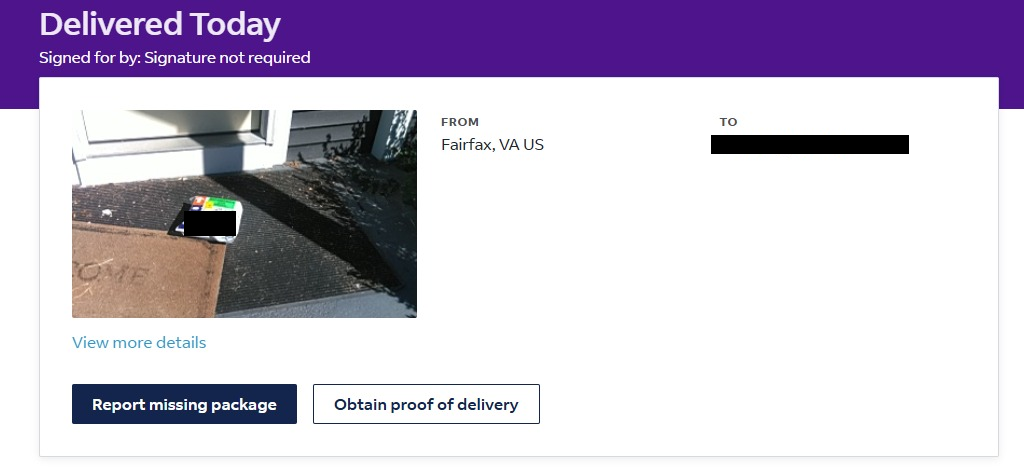
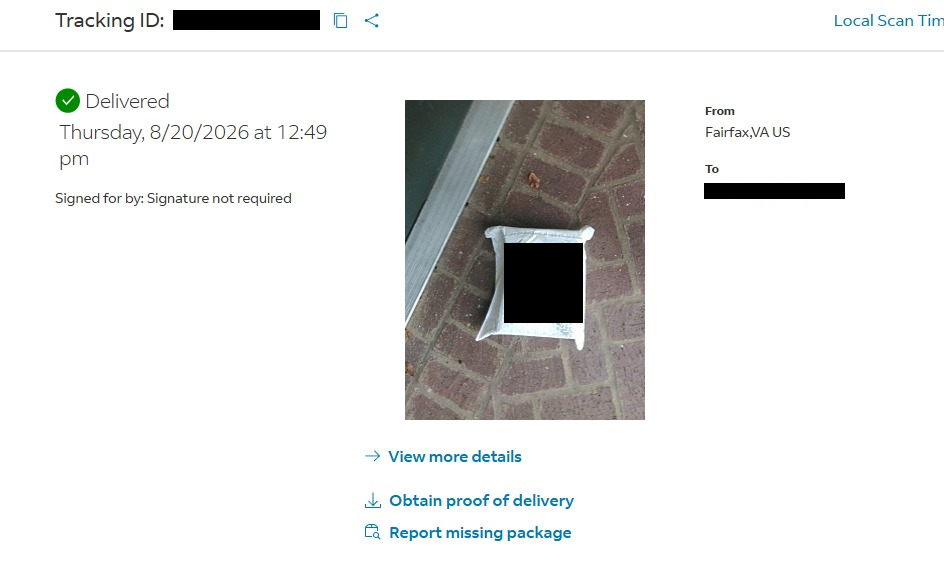
See some of the completed delivery confirmations shared by Doko Medical.

Destination state
Recipient details withheld

Destination state
Recipient details withheld
Destination state
Recipient details withheld

Destination state
Recipient details withheld
Destination state
Recipient details withheld