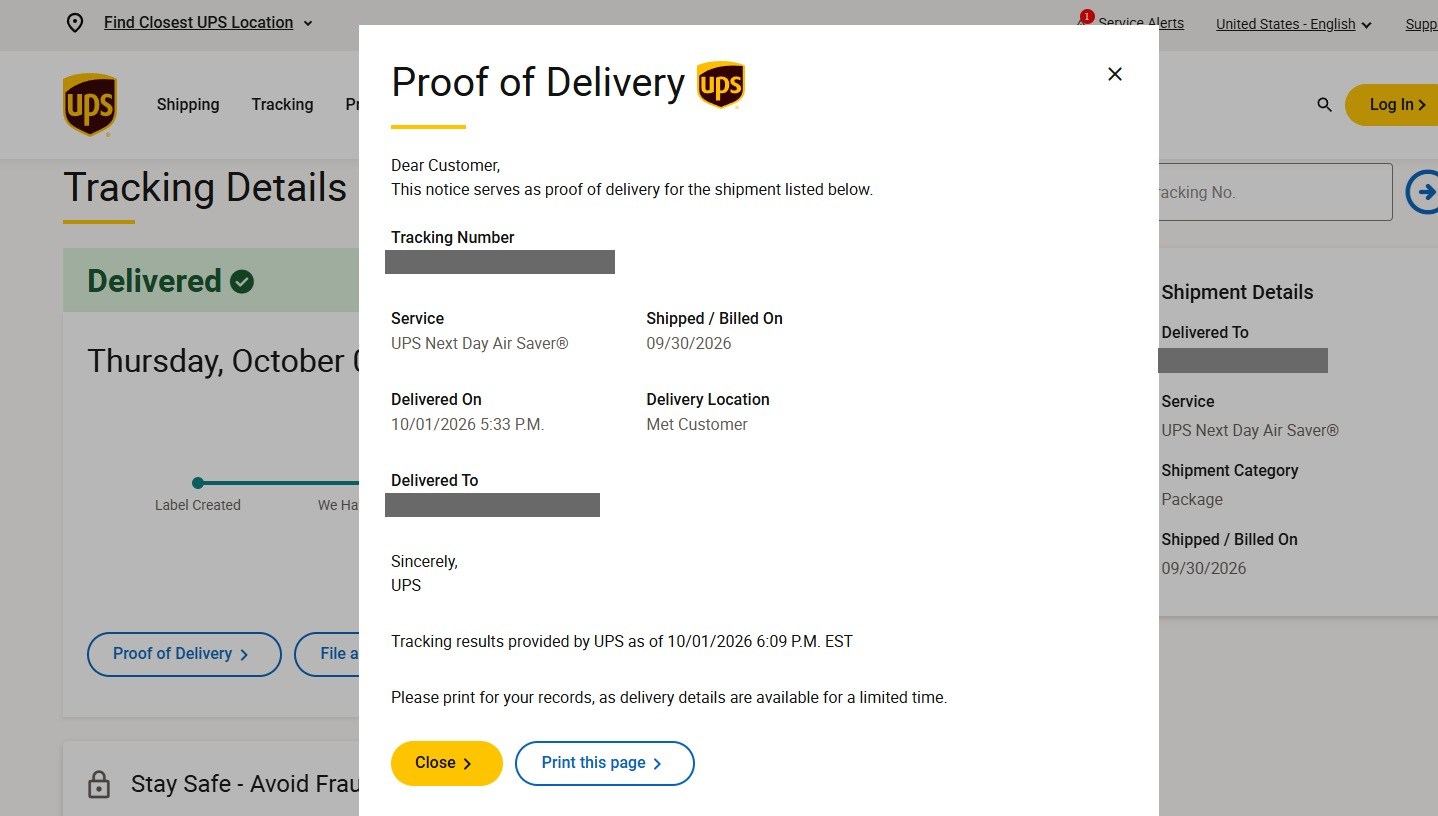
Delivered
Michigan
Destination state
Carrier-confirmed deliveryThe supplied tracking record shows this shipment as delivered.
Recipient details withheld
A medically reviewed guide to weight regain, appetite changes, side effects, and what patients can expect after stopping Wegovy.

This article has been medically reviewed and approved by Dr. Fremlin Dekyi, MD, to support clinical accuracy and patient-friendly education about stopping Wegovy. It is educational and does not replace individualized medical advice, medication instructions, or follow-up from a licensed healthcare provider.
Many patients notice appetite gradually returning after stopping Wegovy. Reduced fullness, stronger cravings, and weight regain may occur over the following months. Clinical evidence from the STEP 1 extension showed that participants regained a substantial portion of lost weight after semaglutide was withdrawn, although individual outcomes vary.
Wegovy, a brand-name semaglutide 2.4 mg medication, is FDA-approved for chronic weight management in eligible patients. Many people lose meaningful weight while taking it and later wonder what happens if they stop because they reached a goal, lost insurance coverage, developed side effects, or want to consider another option.
Obesity is often a chronic condition that needs long-term planning. Just as blood pressure can rise after stopping blood-pressure medication, appetite and body weight can change after stopping a weight-loss medication. The goal is not to blame the patient; it is to plan ahead with realistic expectations and medical support.
The strongest evidence comes from semaglutide weight-management trials and follow-up research after medication withdrawal. These studies help explain why maintenance planning matters.
The STEP 1 extension followed participants after semaglutide treatment and structured lifestyle intervention were stopped. Participants regained a substantial portion of the weight they had lost during treatment.
The study also reported that some cardiometabolic improvements moved back toward baseline after withdrawal. This supports the view that obesity often requires ongoing management rather than a short medication course alone.
Research suggests Wegovy can be highly effective while treatment continues, but appetite suppression and weight-loss support may fade after discontinuation.
Weight regain is common, but it is not identical for everyone. Nutrition habits, physical activity, strength training, monitoring, treatment duration, and follow-up support all influence what happens next.
Most patients experience a gradual shift rather than an immediate overnight change. Semaglutide remains in the body for some time after the last dose, but its appetite-related effects fade as medication levels decline.
| Time after stopping Wegovy | What may happen |
|---|---|
| 1-4 weeks | Appetite may gradually increase, although weight may remain relatively stable for some patients. |
| 1-3 months | Reduced fullness, larger portions, more snacking, or stronger cravings may become more noticeable. |
| 3-6 months | Weight regain may begin or become easier to see on the scale. |
| 6-12 months | Some patients regain a significant portion of lost weight, especially without a maintenance plan. |
| Long term | Results depend on lifestyle habits, biology, support, and whether another treatment strategy is used. |
Wegovy is a prescription medication containing semaglutide. It belongs to a class of medications known as GLP-1 receptor agonists.
Wegovy works by mimicking a naturally occurring hormone involved in appetite regulation, hunger control, satiety signaling, blood sugar regulation, and gastric emptying. These effects can help patients eat less, feel fuller longer, and reduce calorie intake.
There are many reasons people discontinue Wegovy. The reason matters because it can shape the safest next step.
Some patients achieve their target weight and wonder whether they still need treatment. They may want to maintain results through nutrition, activity, and monitoring alone.
Insurance is a common reason patients stop Wegovy. Prior authorization denials, coverage restrictions, employer plan changes, or higher out-of-pocket costs can make treatment difficult to continue.
Although many patients tolerate Wegovy, side effects can occur. Nausea, vomiting, diarrhea, constipation, and stomach discomfort are common reasons patients ask whether treatment should pause, slow down, or stop.
Wegovy is generally not recommended during pregnancy. Patients planning pregnancy should discuss when and how to discontinue treatment with a healthcare provider.
Supply interruptions can affect access to specific Wegovy doses. Some patients stop because they cannot consistently obtain medication.
Compare withdrawal evidence and prepare a longer-term management checklist.
One of the earliest changes many patients notice is increased hunger. During treatment, Wegovy often helps reduce hunger, support smaller portions, decrease snacking, and reduce food cravings.
After discontinuation, those effects gradually fade. Patients may feel hungry more often, want larger portions, snack more frequently, or notice renewed interest in food. This is a biological response and does not mean the patient lacks willpower.
Many patients report fewer cravings while taking Wegovy, especially for desserts, candy, sugary drinks, fast food, or processed snacks.
After stopping Wegovy, cravings may increase. More frequent thoughts about food, stronger emotional eating urges, and higher interest in calorie-dense foods can contribute to weight regain.
Weight regain is one of the most common concerns after stopping Wegovy. Some patients maintain most of their weight loss, while others regain a substantial portion.
The difference often depends on lifestyle habits, amount of weight lost, treatment duration, exercise habits, nutrition quality, sleep, stress, and access to ongoing support.
Many people assume weight regain means treatment failed. That is not accurate. Obesity is influenced by genetics, hormones, metabolism, appetite regulation, environment, sleep, stress, and medication access.
After weight loss, the body may activate mechanisms that push weight back upward, including increased hunger, reduced calorie expenditure, and stronger food reward signaling. Wegovy helps counteract some of these forces while treatment continues. Once medication is removed, those signals may return.
The timeline varies. In the first month, many patients notice more hunger, less fullness, and returning cravings. Weight may not change much at first because medication levels decline gradually.
During months two and three, increased calorie intake and more frequent hunger may lead to early regain. During months four through six, regain can become more noticeable. By six to twelve months, longer-term patterns become clearer.
Many patients ask what happens after the last Wegovy injection. Because semaglutide has a long half-life of about one week, medication effects usually fade gradually rather than disappearing overnight.
Individual results differ based on treatment duration, maintenance dose, nutrition, exercise habits, metabolism, and underlying health conditions.
| Time after last dose | What patients may notice |
|---|---|
| Week 1 | Medication is still active for many patients. Appetite may remain controlled, portions may stay smaller, cravings may remain lower, and body weight may be stable. |
| Week 2 | Medication levels continue to decline. Hunger may return more often, meals may feel less satisfying, and snacks or desserts may become more tempting. |
| Month 1 | Appetite suppression may fade substantially. Larger portions, increased snacking, cravings, and emotional eating may become more noticeable. |
| Month 3 | Appetite may return closer to baseline. Without a structured maintenance plan, calorie intake and weight regain may increase. |
| Month 6 | Long-term patterns become clearer. Some patients maintain well, some regain moderately, and others regain a substantial portion. |
| Month 12 | Maintenance becomes the main focus. Some patients continue lifestyle support, while others discuss restarting treatment or switching medications. |
During the first week, many patients feel similar to how they felt during weekly injections because semaglutide is still circulating. A slight increase in hunger may appear near the end of the week for some patients.
By the second week, food thoughts, snack interest, and cravings may gradually increase. These changes do not mean treatment failed; they reflect the gradual loss of Wegovy's appetite-suppressing effects.
Around one month, some patients remain relatively stable, while others start seeing early regain. Weekly weight monitoring, adequate protein intake, resistance exercise, meal planning, and limiting highly processed snacks can help during this transition.
At three months, appetite has often returned closer to pre-treatment levels. Patients who continue strength training, healthy nutrition, regular follow-up, and weight monitoring often have better maintenance outcomes.
At six months, patients often fall into one of several patterns: successful maintenance, moderate weight regain, or significant regain. Regain should not be treated as a lack of willpower because obesity is influenced by complex biological mechanisms.
At twelve months, some patients maintain their results through nutrition, exercise, strength training, behavioral counseling, and medical follow-up. Others may discuss restarting semaglutide, switching medications, or adding more structured support.
No. Some patients maintain most of their weight loss after stopping Wegovy, especially when they have strong maintenance habits and follow-up support.
Factors associated with better maintenance include higher protein intake, regular exercise, strength training, consistent weight monitoring, behavioral support, and ongoing healthcare follow-up. Even with those habits, maintenance can still be challenging for many people.
For patients with insulin resistance, prediabetes, or diabetes, stopping Wegovy may affect blood glucose levels, insulin sensitivity, and broader metabolic health.
Changes vary between individuals. Patients with blood sugar concerns should monitor as directed and review medication changes with a healthcare provider.
Many patients ask whether Wegovy permanently changes metabolism. Current evidence suggests many of Wegovy's benefits depend on ongoing treatment and maintenance habits.
After discontinuation, appetite regulation changes, hunger can increase, and calorie intake may rise. Those appetite and behavior changes often play a larger practical role than metabolism alone.
Patients should not stop Wegovy without a maintenance plan when avoidable. A provider can help review why treatment is stopping, whether tapering or switching should be discussed, and what monitoring is appropriate.
No strategy guarantees permanent maintenance, but sustainable habits can improve the chance of preserving progress after medication ends.
Many patients ask whether they should switch to another medication after stopping Wegovy. Some people stop because they reached a goal weight, while others stop because of insurance changes, medication shortages, side effects, or interest in a different treatment.
The decision to switch should always be made with a qualified healthcare provider. Every medication has its own dosing schedule, safety considerations, contraindications, and insurance requirements.
For some patients, switching may provide continued appetite-control support and reduce the risk of weight regain. The transition should be planned rather than made abruptly.
One common discussion is switching from Wegovy to Zepbound. Zepbound contains tirzepatide, which activates both GIP and GLP-1 receptors. This dual mechanism may produce greater average weight loss for some patients, although individual results vary.
Some patients ask about switching from Wegovy to Ozempic. Both contain semaglutide, but they have different FDA-approved indications. Wegovy is approved for chronic weight management, while Ozempic is approved for type 2 diabetes and certain related risk-reduction uses.
Other patients discuss Mounjaro, which contains tirzepatide and is approved for type 2 diabetes. The decision depends on diabetes status, medical history, insurance coverage, treatment goals, and provider recommendations.
| Medication | Active ingredient | Primary FDA approval | Weekly injection | Weight-loss support |
|---|---|---|---|---|
| Wegovy | Semaglutide | Chronic weight management and certain cardiovascular-risk use | Yes | Excellent for eligible patients |
| Zepbound | Tirzepatide | Chronic weight management and another product-specific indication | Yes | Excellent for eligible patients |
| Ozempic | Semaglutide | Type 2 diabetes and certain related risk-reduction uses | Yes | Weight loss is commonly observed |
| Mounjaro | Tirzepatide | Type 2 diabetes | Yes | Weight loss is commonly observed |
Patients often ask whether they can restart Wegovy after stopping. In many situations, restarting may be possible if insurance coverage resumes, pregnancy has ended, supply improves, side effects resolve, or weight regain occurs.
Patients frequently cannot simply restart at the previous maintenance dose. Depending on how long treatment has been interrupted, a provider may recommend restarting at a lower dose to reduce gastrointestinal side effects.
Restarting semaglutide safely may involve gradual dose escalation, monitoring for nausea, hydration guidance, and follow-up appointments. Attempting to restart a high maintenance dose immediately may increase nausea, vomiting, abdominal discomfort, or diarrhea.
Insurance coverage is one of the most common reasons patients discontinue Wegovy. Access can change when employers change plans, prior authorization expires, insurers update policies, deductibles reset, or prescription benefits change.
Losing coverage does not always mean treatment options disappear. Providers may discuss submitting a new prior authorization, filing an appeal, documenting medical necessity, considering alternative covered medications, or reviewing manufacturer savings opportunities.
Some patients choose to pay out of pocket, but long-term affordability should be reviewed carefully. A financially sustainable plan is often more successful than short-term treatment that cannot be continued.
The following fictional examples show how different situations may lead to different plans. They are educational scenarios and are not based on individual patients.
A patient who lost significant weight over twelve months may stop after reaching a goal. A maintenance plan might include strength training several times weekly, higher protein intake, weekly weight monitoring, and follow-up every few months.
A patient who loses coverage after an employer plan change may work with a provider to submit an appeal, review alternative medications, adjust nutrition, and increase activity to avoid a long interruption in care.
A patient with persistent nausea despite dose adjustments may discuss switching medications rather than abandoning medical weight management entirely. Transitions should be gradual and monitored.
A patient planning pregnancy should discuss stopping Wegovy well before trying to conceive. The maintenance plan may emphasize nutrition, exercise, prenatal planning, and continued medical follow-up.
Dr. Fremlin Dekyi emphasizes that maintaining weight loss after Wegovy requires planning rather than simply hoping the weight stays off.
Patients who continue prioritizing protein intake, resistance exercise, consistent activity, healthy sleep, and regular follow-up frequently have better long-term outcomes than those who stop both medication and structured lifestyle support at the same time.
Stopping Wegovy should not mark the end of medical weight management. Whether patients transition to another medication, maintain weight through lifestyle changes, or temporarily discontinue treatment, a structured follow-up plan often produces better long-term outcomes than simply stopping without support.
The goal is not only choosing the next medication or losing weight. It is building a personalized strategy that supports lasting health, sustainable maintenance, and continued clinical success.
Patients usually get more value from medical review, fit assessment, and follow-up planning than from choosing a medication based only on headlines or social posts.
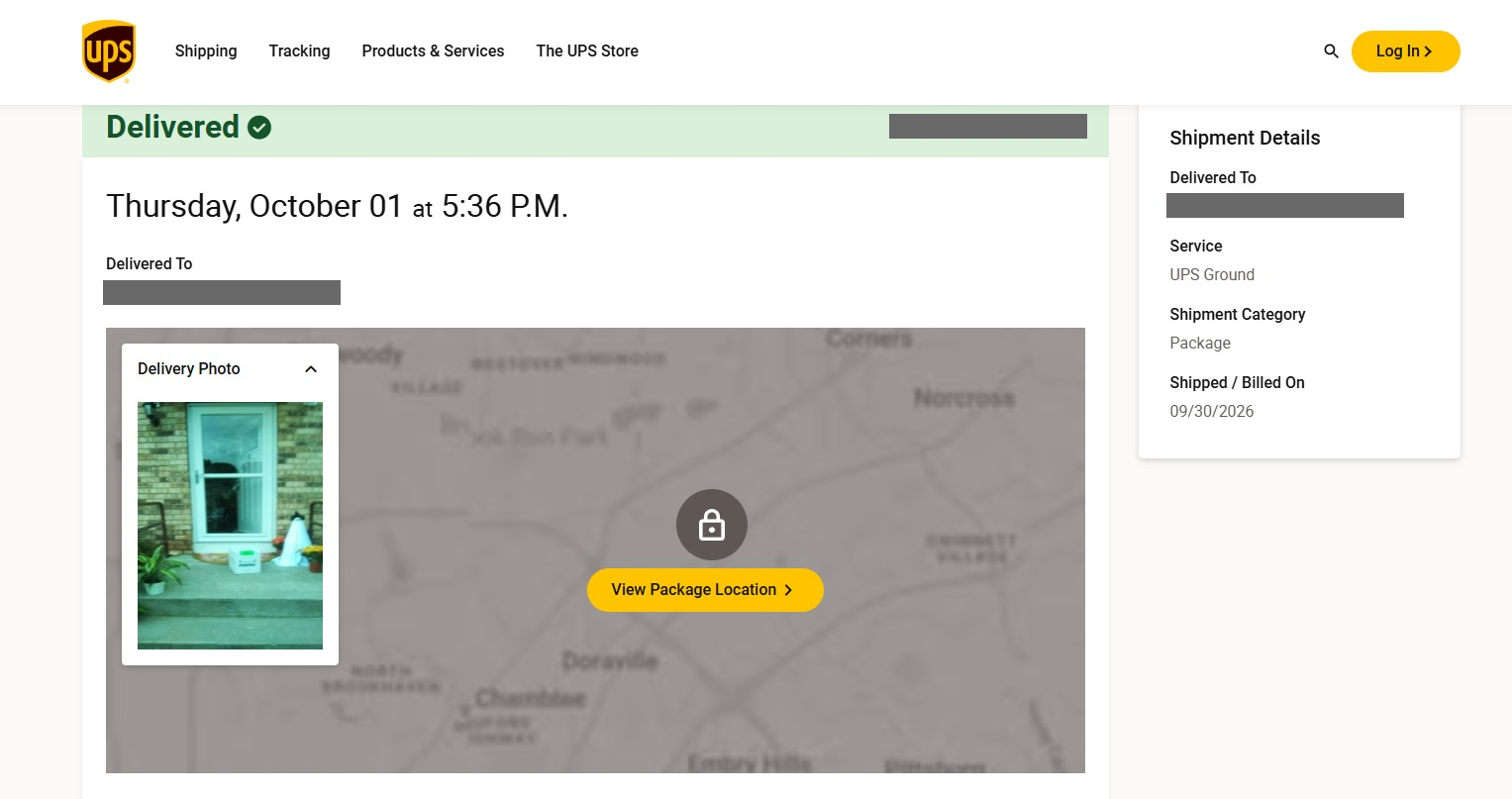
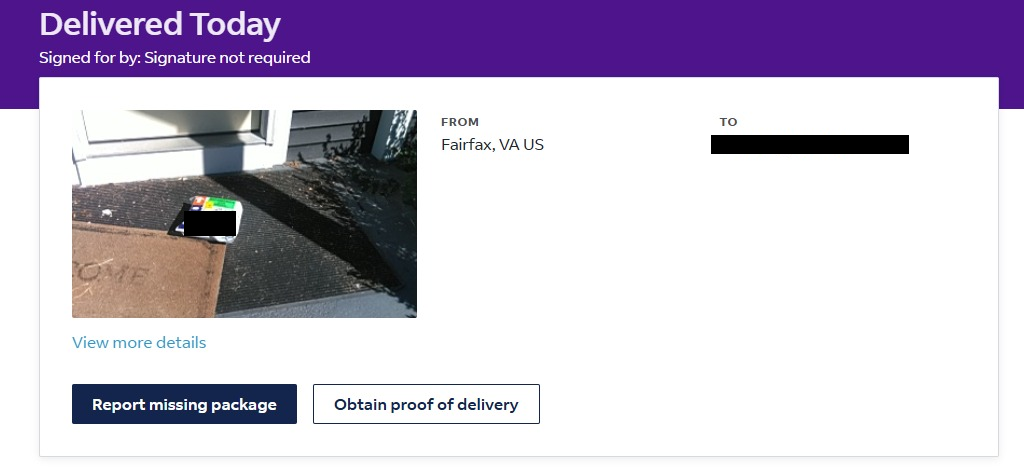
See some of the completed delivery confirmations shared by Doko Medical.
Destination state
Recipient details withheld
Destination state
Recipient details withheld
Destination state
Recipient details withheld
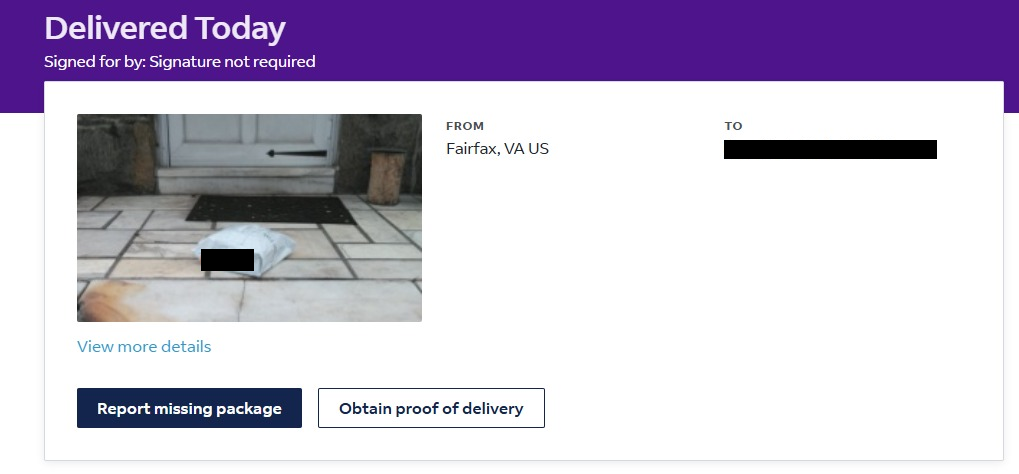
Destination state
Recipient details withheld
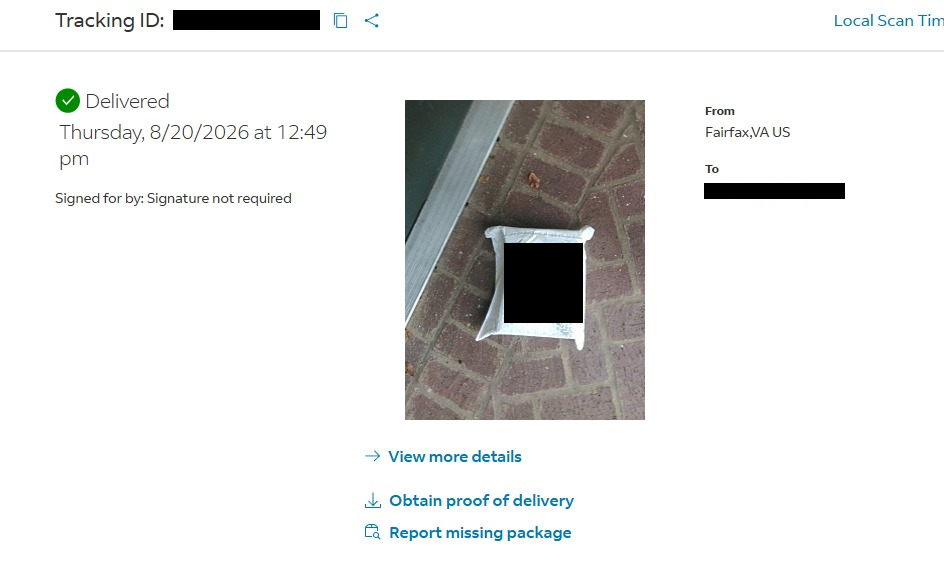
Destination state
Recipient details withheld