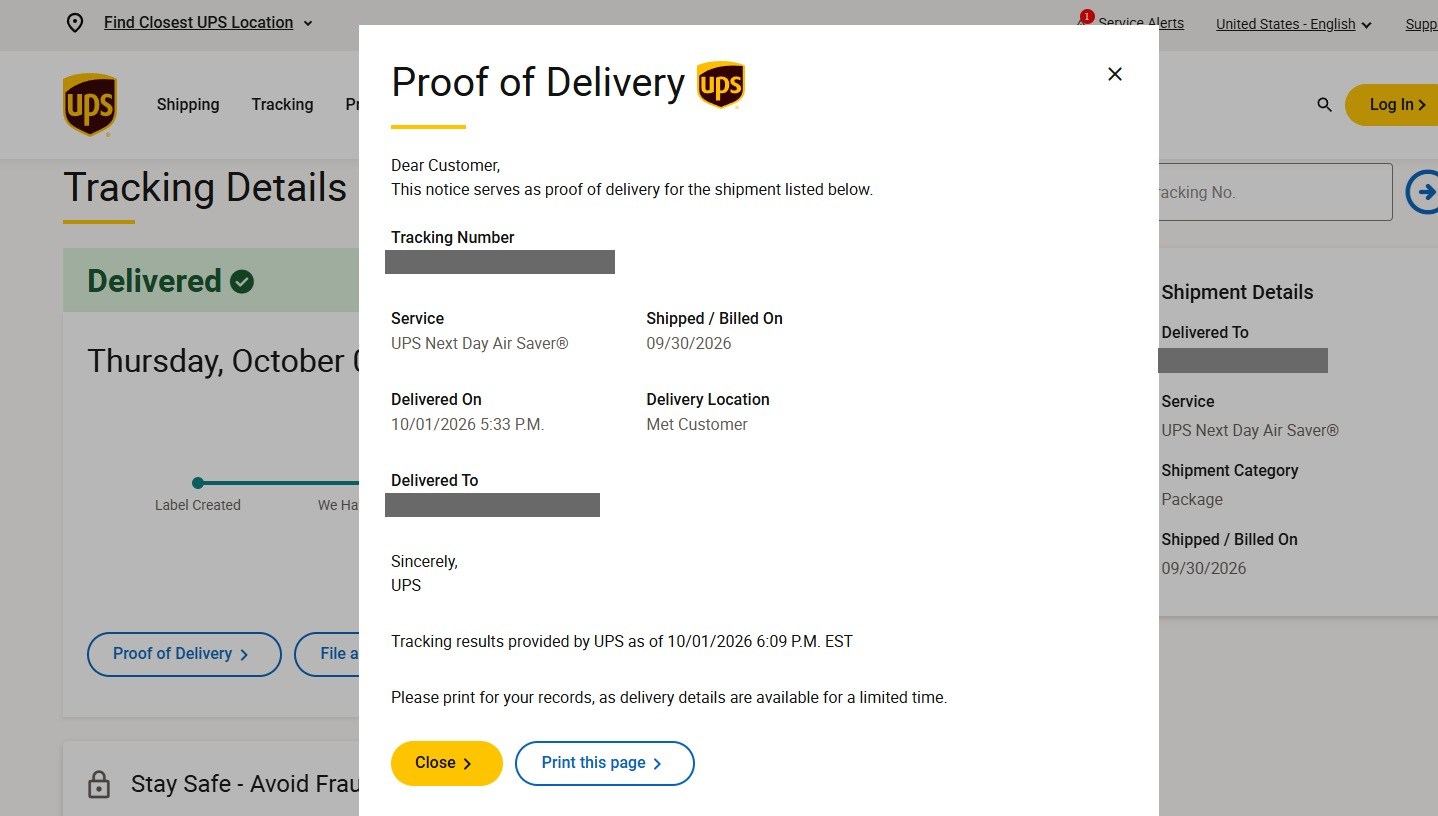
Delivered
Michigan
Destination state
Carrier-confirmed deliveryThe supplied tracking record shows this shipment as delivered.
Recipient details withheld
A medically reviewed guide to appetite changes, weight regain, blood sugar changes, and maintenance planning after semaglutide.

This article has been medically reviewed and approved by Dr. Fremlin Dekyi, MD, to support clinical accuracy and patient-friendly education about stopping semaglutide. This content is educational and does not replace individualized medical advice.
Many patients notice increased appetite, reduced fullness, stronger cravings, and some degree of weight regain after stopping semaglutide. The timeline varies, but clinical evidence suggests many patients regain at least part of the weight they lost when treatment is discontinued.
Semaglutide is used in products such as Wegovy for chronic weight management and Ozempic for type 2 diabetes care. Patients may stop because they reached a goal weight, lost insurance coverage, developed side effects, are planning pregnancy, or cannot access medication consistently.
Stopping semaglutide can change appetite, weight, metabolism, blood sugar, and eating behavior. Planning ahead with a healthcare provider can help patients understand what to expect and reduce avoidable setbacks.
Clinical trial extension data help explain why weight regain can occur after semaglutide is stopped.
In the STEP 1 extension, participants who stopped semaglutide after treatment regained a substantial portion of the weight they had lost. Some cardiometabolic improvements also moved back toward baseline.
This does not mean treatment failed. It supports the view that obesity is often a chronic condition that may require ongoing management.
Semaglutide can work well while treatment continues, but appetite suppression usually decreases after discontinuation. Weight regain is common, and long-term maintenance strategies are important.
Most patients do not experience every change at once. Semaglutide remains in the body for a period after the last dose, and appetite-related effects usually fade gradually.
| Time after stopping | What may happen |
|---|---|
| Days to weeks | Appetite may increase and food thoughts may return. |
| 1-3 months | Fullness after meals may decrease and portions may grow. |
| 3-6 months | Weight regain may begin or become more noticeable. |
| 6-12 months | Some patients regain a meaningful portion of lost weight. |
| Long term | Weight depends on lifestyle habits, biology, support, and future treatment plans. |
Patients may stop after reaching a goal weight, after insurance changes, because monthly costs become difficult, because of nausea or other gastrointestinal symptoms, during pregnancy planning, or because of medication availability problems.
The reason for stopping matters because a provider may recommend different monitoring, alternative medications, insurance steps, or maintenance planning.
Compare semaglutide and tirzepatide withdrawal studies and their limitations.
One of the first changes many patients notice is increased hunger. During treatment, semaglutide can reduce hunger, support earlier fullness, reduce cravings, and improve portion control.
After stopping, patients may notice larger meals, more frequent snacking, stronger cravings for sweets or fast food, or more emotional eating. These changes are biological and do not mean the patient failed.
Weight regain is common after semaglutide discontinuation, but the amount varies. Some patients maintain much of their weight loss, while others regain a substantial portion.
Weight regain can occur because the body responds to weight loss with stronger hunger signals, reduced calorie expenditure, and biological pressure to restore lost weight.
Patients using semaglutide for type 2 diabetes may see blood sugar control change after stopping. Glucose levels, insulin sensitivity, and diabetes symptoms should be reviewed with a healthcare provider.
Weight loss can improve blood pressure, cholesterol, blood sugar, inflammation, and mobility. If significant weight regain occurs, some of those improvements may diminish.
Semaglutide generally does not require tapering for addiction or withdrawal reasons, but patients should discuss discontinuation with a provider. A structured plan can help prepare for appetite changes and maintenance habits.
Some providers may discuss gradual dose reduction for transition planning, although evidence remains limited on whether tapering prevents weight regain.
Maintenance usually works best when patients continue the behaviors that supported treatment success and receive follow-up before regain becomes large.
Many patients ask how quickly changes begin after stopping semaglutide. The answer varies because everyone responds differently based on treatment duration, dose, weight loss achieved, lifestyle habits, and underlying medical conditions. While some people notice changes within days, others may continue to experience appetite suppression for several weeks because semaglutide remains in the body for an extended period after the final injection.
Understanding what typically happens during the weeks and months after discontinuation can help patients prepare realistic expectations and develop a long-term maintenance plan with their healthcare provider.
During the first week after the final dose, many patients notice very little difference. Semaglutide has a relatively long half-life of approximately one week, meaning the medication continues circulating in the body even after treatment has stopped.
Some people begin noticing subtle changes in hunger toward the end of the week, while others continue feeling almost identical to when they were actively taking the medication.
At this stage, maintaining healthy eating habits is often easier because the medication continues providing some appetite regulation.
By the second week, semaglutide levels have declined further, and some patients begin recognizing early changes.
These changes are biological rather than psychological. Semaglutide works by influencing appetite-regulating hormones and slowing stomach emptying. As medication levels decline, these effects gradually diminish.
Patients should remember that increased hunger does not mean they have failed treatment. It reflects the body's natural appetite regulation returning toward its previous state.
Around one month after stopping semaglutide, many patients notice more significant changes in eating behavior.
This period often represents the greatest adjustment because patients no longer receive the same degree of appetite suppression that helped support weight loss.
For patients who established healthy lifestyle habits during treatment, these weeks may feel manageable. Others may find maintaining previous eating patterns considerably more challenging.
Continuing regular exercise, meal planning, adequate protein intake, and follow-up with a healthcare provider can help minimize early setbacks.
During the second and third months after discontinuation, some patients begin regaining weight. The amount varies considerably.
Some patients maintain nearly all of their previous weight loss, while others regain several pounds during this period.
Research suggests that appetite hormones continue encouraging the body to regain lost weight after weight reduction, making long-term maintenance challenging for many individuals.
Patients who continue monitoring their weight regularly often identify small increases early, allowing them to adjust nutrition and activity before substantial regain occurs.
By six months, many patients have established a new long-term routine.
Others may experience gradual weight regain as hunger increases and previous eating habits return.
The goal is not simply preventing weight regain but creating a sustainable long-term plan that supports overall health.
One year after stopping semaglutide, patient experiences differ considerably.
Some individuals successfully maintain most of their weight loss through consistent healthy habits and regular medical follow-up.
Others regain a meaningful portion of the weight they previously lost. Clinical studies have shown that many participants regained a substantial percentage of lost weight after discontinuing treatment, although results varied widely between individuals.
Importantly, weight regain should not be viewed as a personal failure.
Obesity is increasingly recognized as a chronic medical condition influenced by genetics, hormones, metabolism, environmental factors, and long-term physiology. Just as blood pressure or diabetes often require ongoing treatment, some patients benefit from continued obesity management rather than short-term therapy alone.
No two patients experience the same journey after stopping semaglutide.
For this reason, discontinuing semaglutide should ideally be part of a broader long-term weight management strategy developed with a qualified healthcare provider. Regular follow-up appointments allow patients to monitor changes, adjust lifestyle strategies, and discuss whether additional treatment or alternative therapies may be appropriate to help maintain their progress over time.
Many patients are surprised when weight begins to return after stopping semaglutide. After months of successful weight loss, it can feel discouraging to notice increased hunger, stronger cravings, or gradual weight gain. However, these changes are usually driven by biology rather than a lack of motivation or willpower.
Semaglutide works by mimicking the GLP-1 hormone, helping regulate appetite, increase fullness after meals, slow stomach emptying, and reduce food cravings. While taking the medication, many patients naturally consume fewer calories without constantly feeling hungry. Once treatment stops, these effects gradually diminish as the medication leaves the body.
One of the biggest reasons weight regain occurs is the return of appetite. As GLP-1 activity decreases, hunger signals become stronger and patients often begin thinking about food more frequently. Portion sizes may slowly increase, snacking may become more common, and it becomes harder to feel satisfied after eating.
The body also responds to weight loss by attempting to restore lost weight. Researchers refer to this as metabolic adaptation. After significant weight loss, the body may burn slightly fewer calories at rest than expected for a person of the same size. This natural response evolved to protect against starvation but can make long-term weight maintenance more challenging.
Hormones involved in appetite regulation also change. Hunger-promoting hormones may increase while satiety signals decrease, encouraging patients to eat more. This is one reason obesity is increasingly recognized as a chronic medical condition rather than simply a matter of personal choice.
Lifestyle factors also play an important role. During treatment, healthy habits such as high-protein meals, regular physical activity, strength training, adequate sleep, and stress management help preserve weight loss. If these habits become less consistent after stopping medication, weight regain becomes more likely.
The amount of weight regained varies considerably. Some people maintain nearly all of their weight loss for years, especially if they continue healthy lifestyle practices and receive ongoing medical follow-up. Others regain a substantial portion within months. Factors influencing outcomes include treatment duration, starting weight, total weight lost, age, physical activity, sleep quality, genetics, diabetes status, and access to ongoing healthcare.
It is important to remember that regaining weight after stopping semaglutide does not mean treatment failed. Clinical trials have shown that many patients regain some of the lost weight after discontinuation. These findings reinforce the idea that obesity often requires long-term management, similar to hypertension or diabetes.
Patients concerned about weight regain should speak with their healthcare provider before stopping treatment whenever possible. A personalized maintenance plan may include nutrition counseling, exercise recommendations, behavioral support, regular weight monitoring, or discussion of continued or alternative GLP-1 therapy based on individual goals and medical history.
Understanding why weight regain occurs can help patients approach the process with realistic expectations. Rather than viewing weight regain as a personal failure, it should be recognized as a predictable biological response that can often be reduced through long-term lifestyle strategies and appropriate medical support.
Long-term success after stopping semaglutide depends on creating sustainable habits before the medication is discontinued. While some weight regain is common, many patients maintain a significant portion of their results by combining nutrition, physical activity, regular follow-up, and realistic expectations. The goal is not perfection but a long-term plan that supports metabolic health.
Prioritize protein at every meal. Protein helps preserve lean muscle, increases satiety, and may reduce hunger between meals. Many clinicians recommend including a quality protein source with breakfast, lunch, dinner, and snacks whenever appropriate. Combining protein with vegetables, whole grains, and healthy fats can make meals more satisfying.
Increase fiber intake through vegetables, fruit, legumes, and whole grains. Fiber slows digestion, supports fullness, and promotes healthy blood sugar control. Drinking adequate water also helps fiber work effectively and supports overall health.
Continue regular physical activity. Walking, cycling, swimming, and other aerobic exercise improve cardiovascular fitness and help maintain calorie expenditure. Current public health recommendations generally encourage at least 150 minutes of moderate-intensity exercise each week, adjusted for individual ability and medical conditions.
Include strength training two to three times per week. Building and maintaining muscle mass supports metabolism, functional strength, and long-term weight maintenance. Even simple resistance exercises performed consistently can make a meaningful difference over time.
Plan meals instead of relying on hunger alone. Preparing meals in advance, keeping healthy snacks available, and limiting highly processed foods may reduce impulsive eating when appetite increases after stopping medication.
Monitor your weight regularly without becoming overly focused on daily fluctuations. Weekly weigh-ins often provide a practical balance. Identifying a small upward trend early allows patients to adjust nutrition and activity before significant regain occurs.
Protect sleep and manage stress. Poor sleep and chronic stress can influence hunger hormones, cravings, and food choices. Establishing a regular sleep schedule, practicing stress-reduction techniques, and seeking support when needed can improve long-term outcomes.
Maintain follow-up with your healthcare provider. Regular appointments provide opportunities to review progress, discuss laboratory results when appropriate, and adjust the management plan. Some patients benefit from referrals to registered dietitians, behavioral health professionals, or exercise specialists.
Consider whether ongoing medication is appropriate. Obesity is often a chronic condition. For some patients, continuing semaglutide or switching to another GLP-1 medication under medical supervision may be appropriate. Decisions should be individualized based on benefits, side effects, insurance coverage, and overall health goals.
Remember that occasional setbacks are normal. A holiday, vacation, illness, or stressful period does not erase previous success. Returning to healthy routines promptly is usually more important than striving for perfection. Sustainable habits practiced consistently over months and years are the foundation of lasting weight management.
Stopping semaglutide does not necessarily mean the end of medical weight management. Some patients discontinue treatment because of side effects, medication shortages, insurance changes, cost, pregnancy planning, or because they have reached their treatment goals. Depending on the reason for stopping and a patient's medical history, a healthcare provider may recommend continuing treatment with a different GLP-1 or dual GIP/GLP-1 medication.
Wegovy and Ozempic both contain semaglutide but are approved for different indications. Patients taking one product should not switch to another without medical guidance. When a change is appropriate, clinicians typically review the current dose, previous response, medical conditions, and insurance coverage before creating a transition plan.
Tirzepatide, marketed under different brand names depending on the indication, works differently from semaglutide because it activates both the GLP-1 and GIP receptors. Some patients who experience inadequate weight loss or intolerable side effects with semaglutide may discuss whether tirzepatide is an appropriate option. Decisions should always be individualized and based on a complete medical evaluation.
When transitioning between medications, providers generally avoid overlapping therapies. Instead, they determine an appropriate starting dose of the new medication, educate the patient about expected gastrointestinal side effects, and gradually increase the dose according to the approved prescribing schedule.
Patients switching medications should understand that appetite control may fluctuate during the transition. Continuing healthy nutrition, physical activity, hydration, and regular follow-up appointments can help minimize weight regain while the new treatment is introduced.
Insurance coverage is another important consideration. Formularies differ among commercial insurers, employer-sponsored plans, Medicare, and Medicaid programs. Prior authorization may be required before a new medication is approved. Patients should work closely with both their healthcare provider and insurance company to understand coverage requirements.
Some individuals may decide not to start another medication immediately. In these situations, structured lifestyle support becomes especially important. Monitoring weight weekly, maintaining a high-protein eating pattern, exercising regularly, and seeking behavioral support can improve the likelihood of maintaining previous weight loss.
There are also situations where stopping all GLP-1 medications is appropriate. Pregnancy, certain serious adverse reactions, or other medical considerations may require discontinuation. These decisions should always be made with a qualified healthcare professional who can recommend safe alternatives when necessary.
If weight begins to return after discontinuation, patients should not restart semaglutide or another GLP-1 medication on their own. Reassessment by a healthcare provider is important to determine the safest treatment plan, appropriate dosing, and whether another underlying medical issue may be contributing to weight changes.
Ultimately, the best medication is the one that aligns with a patient's medical history, treatment goals, response to therapy, tolerability, and access to care. For many individuals, obesity is a chronic disease that benefits from ongoing management rather than short-term treatment alone. Open communication with healthcare providers helps ensure that any transition between therapies is safe, evidence-based, and personalized.
Every patient's experience after stopping semaglutide is unique. Factors such as the amount of weight lost, the length of treatment, lifestyle habits, underlying medical conditions, and ongoing support all influence long-term outcomes. The following examples are fictional educational scenarios designed to illustrate common situations patients may encounter. They are not based on individual patients but reflect experiences healthcare providers frequently discuss in clinical practice.
Sarah, a 42-year-old woman, lost 45 pounds during a year of semaglutide therapy. Before stopping treatment, she worked closely with her healthcare provider to develop a maintenance plan focused on protein intake, strength training, meal planning, and weekly weight monitoring. One year later, she had maintained nearly all of her weight loss. Her success was supported by the healthy habits she developed while taking the medication rather than relying on the medication alone.
Michael achieved significant weight loss with semaglutide, but his employer changed insurance plans and the medication was no longer covered. Within several weeks, he noticed increased hunger and gradual weight regain. After discussing options with his healthcare provider, he enrolled in nutrition counseling, increased physical activity, and explored alternative treatment options that were covered by his insurance.
Emily experienced persistent gastrointestinal side effects despite dose adjustments. Her healthcare provider recommended discontinuing semaglutide and allowing symptoms to resolve before considering another treatment approach. During this period, she continued lifestyle modifications and later discussed whether another medication with a different treatment strategy would be appropriate.
Jessica planned to become pregnant and discontinued semaglutide under medical supervision. Her healthcare team emphasized balanced nutrition, appropriate physical activity, and regular prenatal planning. After pregnancy and breastfeeding, she planned to reassess long-term weight management options with her healthcare provider if needed.
David initially maintained his weight for several months after stopping semaglutide. As work-related stress increased and exercise became less consistent, he gradually regained weight. Rather than viewing this as failure, he scheduled a follow-up appointment to reassess his treatment plan. Together with his clinician, he developed a new strategy focused on nutrition, exercise, behavioral support, and discussion of whether additional medical therapy would be beneficial.
These scenarios highlight that there is no single outcome after stopping semaglutide. Some patients maintain excellent long-term results, while others benefit from ongoing medical management. Factors such as lifestyle habits, follow-up care, medication access, and individual biology all contribute to long-term success. Working closely with a qualified healthcare provider helps patients create a personalized plan that supports both weight maintenance and overall health.
Patients usually get more value from medical review, fit assessment, and follow-up planning than from choosing a medication based only on headlines or social posts.
See some of the completed delivery confirmations shared by Doko Medical.
Destination state
Recipient details withheld
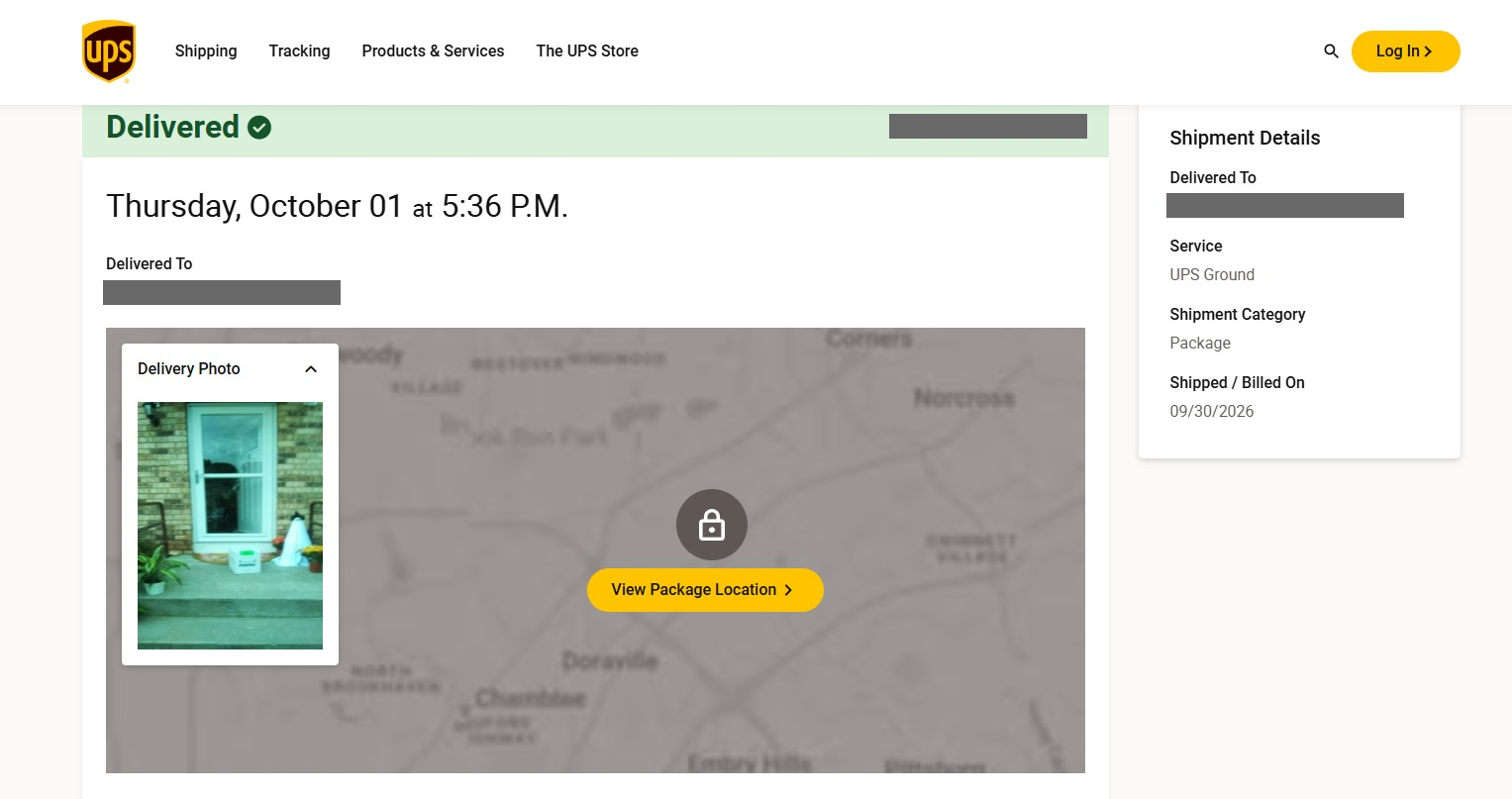
Destination state
Recipient details withheld
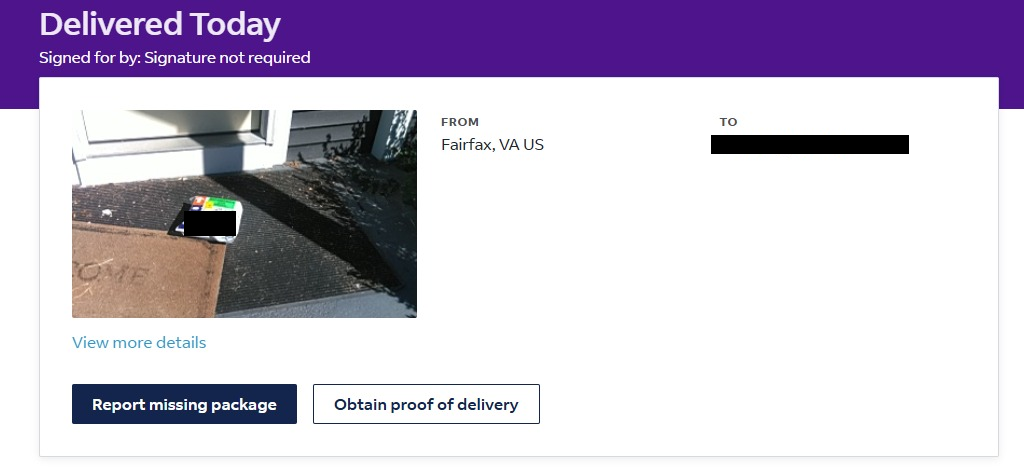
Destination state
Recipient details withheld
Destination state
Recipient details withheld
Destination state
Recipient details withheld