
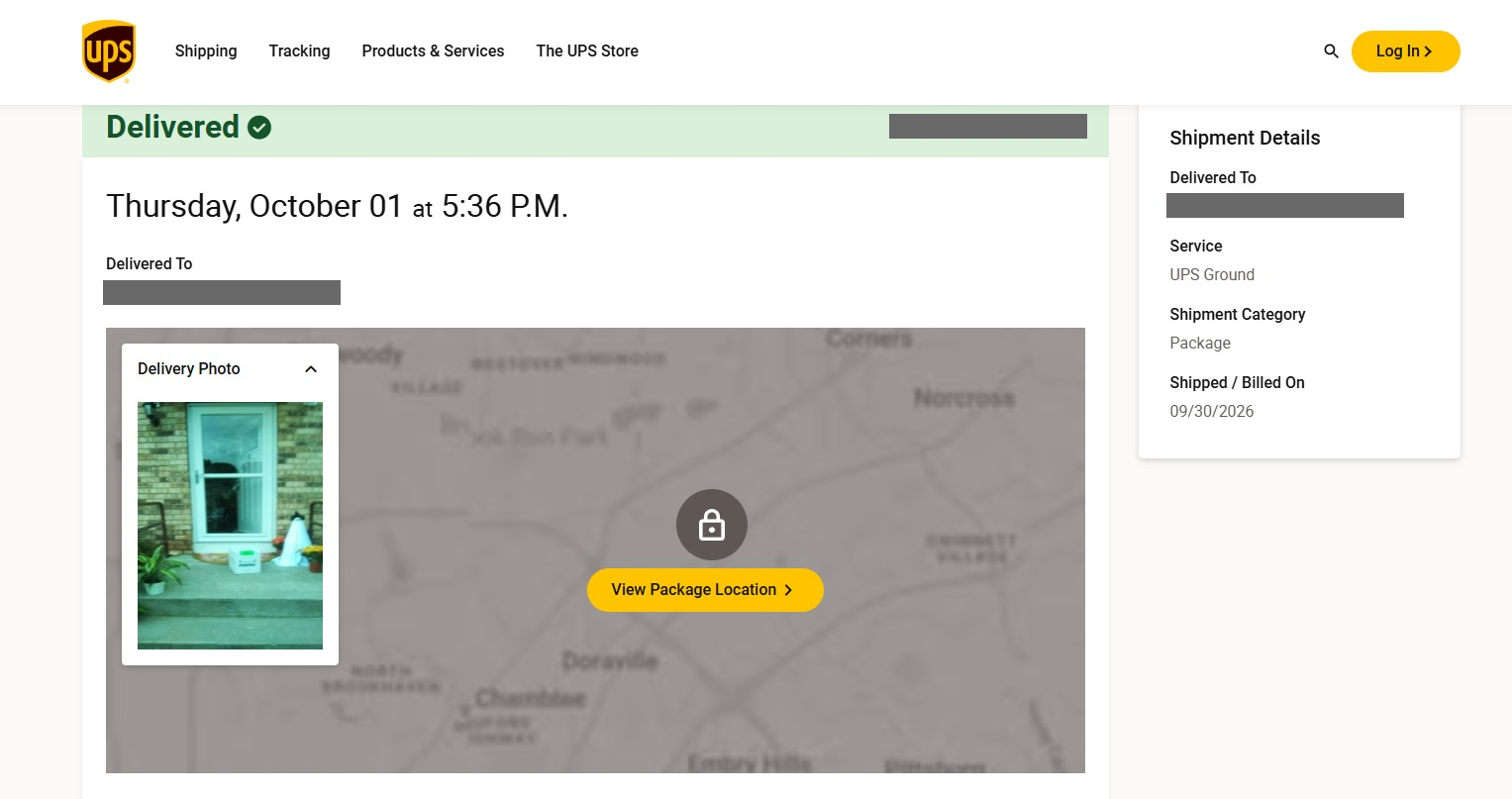
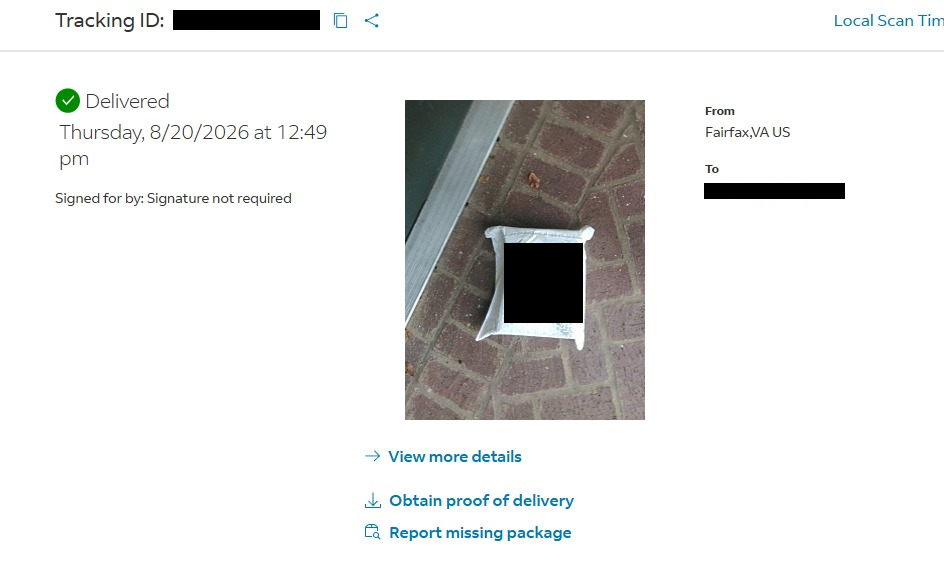
Delivered
Michigan
Destination state
Carrier-confirmed deliveryThe supplied tracking record shows this shipment as delivered.
Recipient details withheld
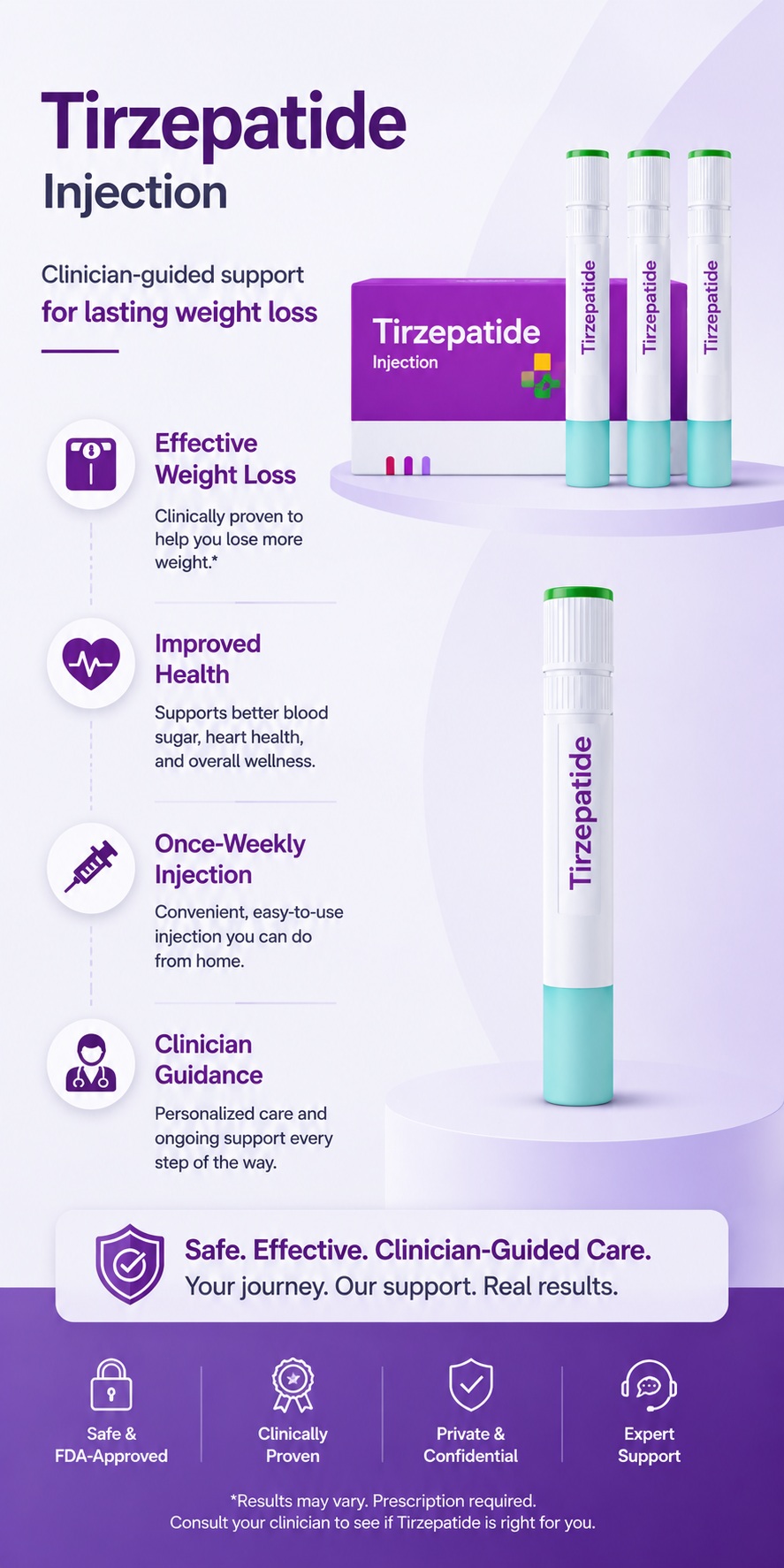
A medically reviewed timeline of tirzepatide appetite changes, weight-loss milestones, dose escalation, and clinical results.

This article has been medically reviewed and approved by Dr. Fremlin Dekyi, MD, to support clinical accuracy and patient-friendly education about tirzepatide treatment timelines.
Many patients notice reduced appetite within 1 to 4 weeks. Substantial weight loss usually develops over several months, with the strongest results often occurring after dose escalation and longer-term consistency.
Tirzepatide is used in products such as Zepbound for chronic weight management and Mounjaro for type 2 diabetes. It activates both GIP and GLP-1 pathways involved in appetite, blood sugar, and body weight regulation.
Understanding the expected timeline can help patients avoid discouragement during early dose escalation and focus on long-term progress.
SURMOUNT trials provide key evidence for tirzepatide in adults with obesity or overweight.
SURMOUNT-1 evaluated tirzepatide in adults with obesity or overweight who did not have diabetes. Participants receiving tirzepatide achieved substantial average weight reduction with lifestyle intervention.
SURMOUNT-5 directly compared tirzepatide with semaglutide and found greater average weight loss with tirzepatide in the studied population.
Appetite changes can appear early, while major weight reduction usually requires months of treatment and follow-up.
| Timeframe | What patients may notice |
|---|---|
| Week 1 | Reduced appetite, fewer cravings, earlier fullness, or mild change. |
| Weeks 2-4 | Smaller portions, better portion control, and less emotional eating. |
| Month 2 | Early weight loss becomes more noticeable for many patients. |
| Month 3 | Visible progress may develop. |
| Months 4-6 | Significant weight reduction may occur as higher doses are reached. |
| Month 12+ | Maximum benefits are often seen with long-term treatment. |
Tirzepatide does not directly burn fat. It helps create the conditions that make weight loss easier by reducing hunger, increasing satiety, reducing cravings, and improving glucose regulation.
Many patients first notice less interest in large meals, fewer cravings for sweets or snacks, and better control around food.
During the first month, the starter dose focuses on adjustment. During month two, dose escalation often begins and weight loss may become more visible. Month three is often a turning point for confidence and physical changes.
By months four through six, many patients are on higher doses and may see continued weight loss, reduced waist circumference, improved blood sugar control, and better cardiovascular risk markers.
Tirzepatide can begin changing appetite within the first one to two weeks, but visible weight loss usually develops gradually over several weeks and months as doses increase and healthier routines become more consistent.
The earliest sign that tirzepatide is working is often better appetite control rather than immediate scale change. Patients should focus on hydration, smaller balanced meals, slow eating, and allowing the body time to adjust during the first month.
| Timeline | What many patients experience |
|---|---|
| Week 1 | Body adjusts to the 2.5 mg starting dose; appetite may decrease, portions may shrink, and mild nausea or stomach discomfort may occur. |
| Week 2 | Appetite suppression may become more noticeable; patients may feel satisfied sooner and have fewer cravings. |
| Week 3 | Healthy habits may become easier, including meal planning, walking, hydration, and reduced emotional eating. |
| Week 4 | First-month progress may show through better portion control, improved blood sugar, more confidence, and early weight reduction. |
| Weeks 5-8 | Dose escalation may strengthen fullness, craving control, calorie reduction, and consistency. |
| Months 3-6 | Many patients notice the greatest visible changes, smaller clothing sizes, improved mobility, and better cardiometabolic markers. |
| Months 9-12 | Long-term maintenance strategy, follow-up, and sustainable habits become central to keeping results. |
Most patients follow gradual dose escalation to improve tolerability while increasing effectiveness when appropriate.
| Time period | Typical dose |
|---|---|
| Weeks 1-4 | 2.5 mg weekly |
| Weeks 5-8 | 5 mg weekly |
| Weeks 9-12 | 7.5 mg weekly |
| Weeks 13-16 | 10 mg weekly |
| Weeks 17-20 | 12.5 mg weekly |
| Week 21+ | 15 mg weekly |
Starting weight, dose, nutrition, activity, sleep, stress, metabolic health, adherence, and medical history all influence the timeline.
Patients with higher starting weights may lose more total pounds, while patients who miss doses or struggle with sleep, stress, or calorie intake may progress more slowly.
Two people taking the same medication, even at the same dose, may have different timelines and outcomes. Comparing progress with online stories can create unrealistic expectations, so providers usually focus on trends over months rather than daily scale changes.
| Factor | How it can affect tirzepatide results |
|---|---|
| Starting BMI | Higher starting weight may allow greater total pounds lost, but individual results still vary. |
| Dose escalation | Introductory doses often help tolerability before stronger appetite effects develop. |
| Nutrition and protein | Lean protein, vegetables, fruit, whole grains, and healthy fats support better long-term outcomes. |
| Physical activity | Walking and resistance training preserve muscle, improve mobility, and support maintenance. |
| Sleep and stress | Poor sleep and chronic stress can increase hunger, cravings, and inconsistent routines. |
| Medical conditions | Type 2 diabetes, PCOS, hypothyroidism, and insulin resistance may influence the pace of results. |
Weight loss is only one measure of progress. Early signs can include reduced hunger, smaller portions, fewer cravings, improved blood sugar, increased fullness, and more control around snacks or sweets.
Some patients notice non-scale changes first, such as clothing fitting more comfortably, better energy, improved mobility, or less joint discomfort. These changes can matter even before the scale moves dramatically.
A plateau is common as body weight decreases and calorie needs decline. This does not automatically mean tirzepatide has stopped working.
Providers may review dose, nutrition, protein intake, activity, medical conditions, and medication adherence if progress slows.
A smaller body needs fewer calories, metabolism may adapt, portions may gradually increase, activity may decline, doses may be missed, and sleep or stress may affect appetite. Many patients still receive benefits during a plateau, including better appetite regulation, blood sugar control, mobility, waist circumference, and quality of life.
| Plateau strategy | Why it helps |
|---|---|
| Review nutrition | Checks for larger portions, sugary beverages, restaurant meals, and frequent snacks. |
| Increase daily movement | Walking, swimming, cycling, steps, and strength training support energy expenditure. |
| Prioritize protein | Supports muscle preservation, fullness, metabolism, and exercise recovery. |
| Stay patient | Many patients resume losing after several weeks of consistency. |
| Contact your provider | Needed if weight is unchanged for months, appetite returns, side effects interfere, or doses were missed. |
Tirzepatide works best as part of a comprehensive medical weight-management program. Medication alone is only one part of the plan.
The strongest long-term outcomes usually come from balanced nutrition, protein, physical activity, quality sleep, stress management, medication consistency, and regular medical follow-up.
Small patterns can reduce progress over time. Recognizing them early helps patients adjust before frustration builds.
The following fictional examples show how tirzepatide progress may vary. They are educational and do not predict individual outcomes.
A patient with BMI 33 may notice less snacking and smaller portions in month one, more comfortable clothing and better energy by month three, and meaningful weight loss by month six. The biggest change may be that healthy eating feels easier to repeat.
A patient with high blood pressure and prediabetes may progress steadily rather than dramatically. Better blood sugar readings, less knee pain, improved blood pressure, and increased activity can be major wins before the final goal weight is reached.
A patient may lose steadily for several months, then plateau for six weeks. Reviewing protein intake, strength training, walking, hydration, sleep, and medication timing can help progress resume without immediately changing treatment.
Some patients with type 2 diabetes lose more gradually but still improve A1C, blood pressure, sleep quality, daily activity, energy, and long-term health. Progress should not be judged by the scale alone.
Tirzepatide success is not only measured by pounds lost. Many patients experience important health improvements before dramatic weight loss is visible.
Patients usually get more value from medical review, fit assessment, and follow-up planning than from choosing a medication based only on headlines or social posts.
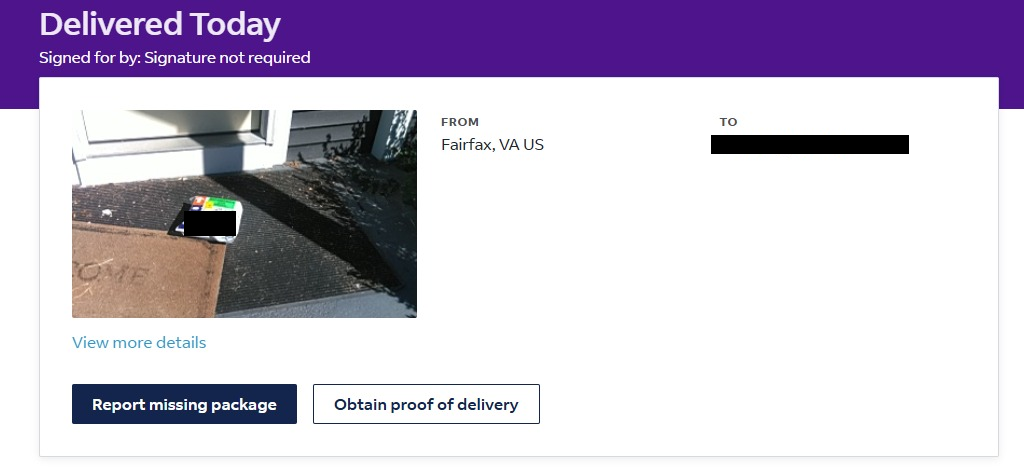
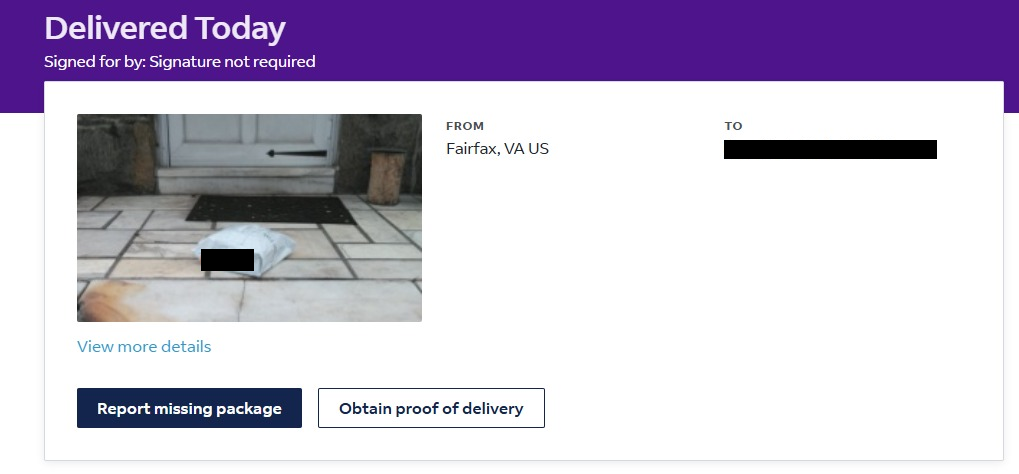
See some of the completed delivery confirmations shared by Doko Medical.
Destination state
Recipient details withheld
Destination state
Recipient details withheld
Destination state
Recipient details withheld
Destination state
Recipient details withheld
Destination state
Recipient details withheld