
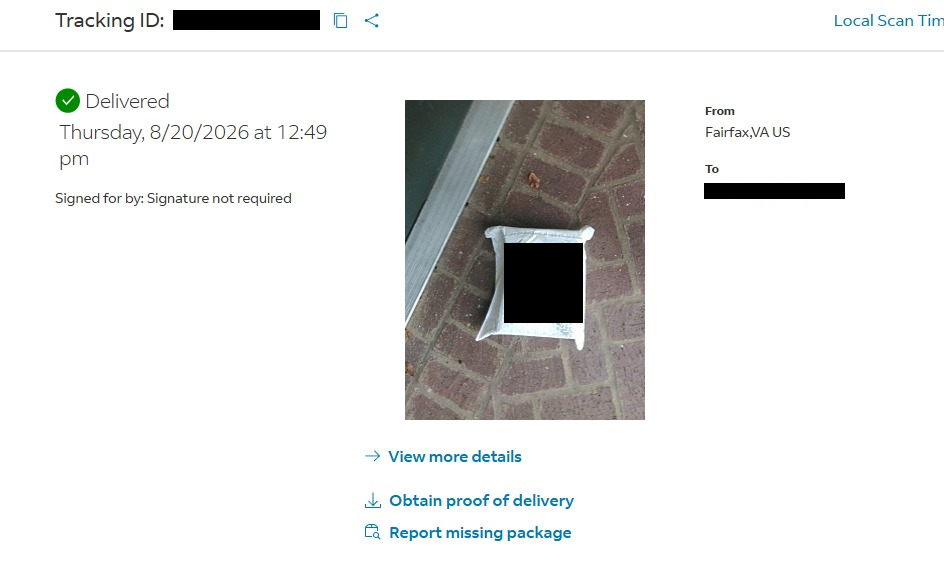
Delivered
Michigan
Destination state
Carrier-confirmed deliveryThe supplied tracking record shows this shipment as delivered.
Recipient details withheld
A medically reviewed guide to common reasons tirzepatide weight loss may be slow and what to discuss with a provider.

This article has been medically reviewed and approved by Dr. Fremlin Dekyi, MD, to support clinical accuracy and patient-friendly education about slow weight loss on tirzepatide.
Common reasons include not reaching a therapeutic dose, not enough time on treatment, calorie intake, limited physical activity, poor sleep, chronic stress, hormonal conditions, medication effects, or a normal weight-loss plateau.
Tirzepatide can produce strong average weight-loss results, but not every patient sees rapid progress. Slow weight loss does not automatically mean treatment failure.
Progress depends on dose, time, nutrition, movement, sleep, stress, medical conditions, medications, adherence, and individual biology.
SURMOUNT studies show strong average results with tirzepatide, but those outcomes develop over time.
SURMOUNT-1 showed substantial average weight loss with tirzepatide compared with placebo in adults with obesity or overweight.
SURMOUNT-5 showed greater average weight loss with tirzepatide than semaglutide in the studied population, while individual response still varied.
Many patients become concerned before treatment has had enough time or before the dose has increased enough to produce stronger appetite effects.
Most patients begin at 2.5 mg weekly. This starting dose is intended to improve tolerability and allow adjustment, not to maximize weight loss.
Many patients notice stronger appetite suppression as doses increase over time.
| Weeks | Typical dose |
|---|---|
| 1-4 | 2.5 mg weekly |
| 5-8 | 5 mg weekly |
| 9-12 | 7.5 mg weekly |
| 13-16 | 10 mg weekly |
| 17-20 | 12.5 mg weekly |
| 21+ | 15 mg weekly |
Tirzepatide reduces appetite, but calories still matter. Coffee beverages, alcohol, protein bars, smoothies, dressings, snacks, and restaurant meals can quietly add up.
Responding to fullness cues, eating slowly, using smaller plates, and stopping when comfortably full may help.
Physical activity can improve insulin sensitivity, support cardiovascular health, preserve muscle, and increase calorie expenditure. Walking alone can make a meaningful difference.
Poor sleep and chronic stress may increase hunger, cravings, cortisol, and emotional eating. Improving sleep and stress routines can support medication results.
If you previously lost weight and progress has stalled, use the plateau assessment worksheet.
A tirzepatide plateau occurs when weight stabilizes and progress slows temporarily. Plateaus can last weeks or months and may improve after treatment or habit adjustments.
Hypothyroidism, PCOS, sleep apnea, insulin resistance, corticosteroids, some antidepressants, antipsychotics, and some diabetes medications can interfere with weight loss.
One common mistake is expecting rapid weight loss during the first few weeks. Tirzepatide is designed for long-term success, and many patients achieve their strongest results after reaching maintenance doses and building sustainable habits.
One of the most common questions patients ask is, "Why am I not losing weight on tirzepatide yet?" The answer often depends on where you are in your treatment journey. Tirzepatide is started at a low dose to reduce gastrointestinal side effects while your body adjusts. Because of this gradual dose-escalation schedule, meaningful weight loss often develops over months rather than days.
A lack of early weight loss does not automatically mean tirzepatide is ineffective. Providers often review dose progression, medication adherence, calorie intake, hidden liquid calories, protein intake, physical activity, sleep quality, stress, medical conditions such as hypothyroidism or PCOS, and medications that may contribute to weight gain before making changes.
Even before significant weight loss appears, patients may notice positive changes such as feeling full sooner, reduced cravings, smaller meal portions, improved blood glucose, increased energy, or looser-fitting clothing. These non-scale victories often appear before major changes on the scale.
Every patient responds differently to tirzepatide. Genetics, starting weight, insulin resistance, nutrition, physical activity, sleep, stress, and adherence all influence results. Rather than comparing your progress with someone else's, work with your healthcare provider to evaluate your own progress over time.
During the first month, most patients receive the 2.5 mg starting dose. This dose is designed to improve tolerability rather than maximize weight loss. Some people notice reduced appetite, smaller portion sizes, and fewer food cravings within the first couple of weeks, while others experience little change.
As the dose increases, appetite suppression often becomes more noticeable. Many patients report feeling full sooner, eating fewer snacks, and finding it easier to avoid high-calorie foods. Weight loss may begin to accelerate, although individual responses vary depending on starting weight, nutrition, activity level, sleep, and medical conditions.
By the third month, many patients experience more predictable weight loss. Clinical studies suggest that meaningful improvements often become more apparent after several weeks of treatment. Patients who combine tirzepatide with balanced nutrition, adequate protein, and regular exercise generally achieve better outcomes than medication alone.
As doses increase further, appetite regulation and fullness may continue improving. Weight loss usually becomes steadier, although the weekly rate often slows naturally. This does not necessarily mean the medication has stopped working.
Many patients who reach higher maintenance doses continue making progress for months. Long-term success depends not only on medication but also on sustainable lifestyle habits including meal planning, physical activity, resistance training, hydration, quality sleep, and ongoing follow-up with a healthcare provider.
| Treatment Stage | Typical Dose | What Many Patients Notice |
|---|---|---|
| Weeks 1-4 | 2.5 mg | Early appetite changes and adjustment to treatment |
| Weeks 5-8 | 5 mg | Improved appetite control and early weight loss |
| Weeks 9-12 | 7.5 mg | More consistent progress for many patients |
| Weeks 13-20 | 10-12.5 mg | Steady weight loss with healthy habits |
| Week 21+ | 15 mg if appropriate | Long-term maintenance and continued progress |
Many patients become concerned when the scale stops moving after several weeks or months of taking tirzepatide. This period is commonly called a weight-loss plateau. Although it can be frustrating, a plateau does not necessarily mean tirzepatide has stopped working.
A weight-loss plateau occurs when body weight remains relatively stable despite continuing treatment and making healthy lifestyle choices. Weight loss is rarely perfectly linear. Most patients experience periods of faster progress followed by weeks where little or no change occurs.
One important reason plateaus occur is metabolic adaptation. As body weight decreases, the body requires fewer calories to support daily activities. The calorie deficit that produced weight loss at the beginning of treatment may gradually become a maintenance intake.
Tirzepatide activates both GIP and GLP-1 receptors, helping reduce appetite and improve fullness. However, biology still influences long-term weight regulation. Hunger signals, daily habits, sleep quality, stress, and energy expenditure all contribute to overall results.
Lifestyle factors frequently contribute to plateaus. Portion sizes may slowly increase, hidden calories from beverages or restaurant meals may accumulate, exercise routines may become less consistent, or resistance training may be overlooked.
Medical conditions should also be considered when progress slows. Hypothyroidism, polycystic ovary syndrome, insulin resistance, untreated sleep apnea, and certain medications can all affect weight loss.
Patients should avoid making sudden changes such as skipping meals, dramatically increasing exercise, or changing medication doses without medical supervision. These approaches are often difficult to maintain and may increase the risk of side effects or injury.
The key message is that a plateau is common and does not mean treatment has failed. Long-term success should be measured over months and years rather than from a single week's number on the scale.
| Possible Cause | Recommended Next Step |
|---|---|
| Metabolic adaptation | Review calorie needs and long-term goals with your provider |
| Hidden calories | Track meals, beverages, and portion sizes |
| Low protein intake | Increase protein within your nutrition plan |
| Limited physical activity | Add walking and resistance training if appropriate |
| Poor sleep or chronic stress | Improve sleep habits and stress-management strategies |
| Medical conditions | Discuss thyroid disease, PCOS, sleep apnea, or insulin resistance with your provider |
| Medication adherence | Take injections consistently and review missed doses |
Although tirzepatide has produced impressive weight-loss results in clinical studies, no medication can overcome every obstacle on its own. Patients sometimes become discouraged when progress is slower than expected, but in many cases there are modifiable factors that reduce treatment effectiveness.
One of the most common mistakes is expecting rapid weight loss during the first few weeks. Tirzepatide treatment begins with a low starting dose to allow the body to adjust and reduce gastrointestinal side effects.
Hidden calories are another frequent reason progress slows. Sugar-sweetened beverages, specialty coffee drinks, fruit juice, alcohol, sauces, dressings, cooking oils, and restaurant meals can add hundreds of calories without creating lasting fullness.
Many patients also underestimate the importance of protein. Adequate protein helps preserve lean muscle during weight loss while supporting satiety after meals.
Skipping resistance training is another common mistake. While walking and aerobic exercise improve cardiovascular fitness, strength training helps preserve muscle mass, which supports metabolism, physical function, and healthy aging during weight loss.
Poor sleep and chronic stress can influence appetite, food cravings, and decision-making. Sleep deprivation may increase hunger hormones, while ongoing stress can encourage emotional eating.
Inconsistent medication use can also affect results. Missing injections, delaying scheduled doses, or stopping tirzepatide without medical advice may reduce appetite control and interrupt progress.
Some people continue eating beyond fullness because of long-established habits, social situations, or emotional triggers. Tirzepatide reduces appetite for many patients, but mindful eating, slower meals, and recognizing fullness cues remain valuable skills.
Medical conditions such as hypothyroidism, polycystic ovary syndrome, insulin resistance, untreated sleep apnea, or medications associated with weight gain may also contribute to slower-than-expected results.
| Common Mistake | Suggested Solution |
|---|---|
| Expecting immediate results | Allow time for dose escalation and consistent treatment |
| Hidden calories | Track food, beverages, and portion sizes |
| Low protein intake | Include protein with each meal when appropriate |
| No resistance training | Add strength training if medically appropriate |
| Poor sleep | Aim for consistent, restorative sleep |
| High stress | Use stress-management techniques and seek support |
| Missing injections | Follow the prescribed dosing schedule |
| Underlying medical conditions | Discuss thyroid disease, PCOS, sleep apnea, and medications with your provider |
Not seeing the weight-loss results you expected with tirzepatide can be discouraging, but it does not necessarily mean the medication has failed. Before making any changes, it is important to review the factors that commonly influence treatment success.
The first step is confirming that you are taking tirzepatide exactly as prescribed. Missing injections, delaying scheduled doses, or stopping treatment temporarily may reduce appetite control and make progress less consistent.
Next, evaluate your nutrition. Although tirzepatide often reduces hunger, total calorie intake still matters. Hidden calories from beverages, restaurant meals, sauces, dressings, and snacks can slow progress.
Protein intake deserves special attention. Protein supports satiety, helps preserve lean muscle mass during weight loss, and can make it easier to maintain healthy eating habits.
Regular physical activity remains an essential part of treatment. Aerobic exercise supports cardiovascular health, while resistance training helps preserve muscle mass and supports long-term metabolism.
Sleep and stress are frequently overlooked but can significantly influence appetite and food choices. Poor sleep may increase hunger hormones, while chronic stress can contribute to emotional eating.
If progress remains slower than expected, your healthcare provider may evaluate for underlying medical conditions such as hypothyroidism, polycystic ovary syndrome, insulin resistance, or obstructive sleep apnea.
Your clinician may also review medications that are associated with weight gain. Certain antidepressants, corticosteroids, antipsychotics, and other prescription medications may affect body weight.
For some patients, treatment adjustments may be appropriate. Your healthcare provider may determine whether you have reached an effective maintenance dose, whether lifestyle modifications should be strengthened, or whether another medication should be considered.
The most important step is maintaining regular follow-up. Obesity is a chronic disease that often requires ongoing management rather than a single intervention.
| Review Area | Recommended Action |
|---|---|
| Medication adherence | Take injections consistently and discuss missed doses |
| Nutrition | Track meals and prioritize protein-rich foods |
| Physical activity | Combine aerobic exercise with resistance training |
| Hydration | Drink adequate water throughout the day |
| Sleep | Aim for consistent, restorative sleep |
| Stress | Practice stress-management techniques and seek support if needed |
| Medical evaluation | Discuss thyroid disease, PCOS, insulin resistance, sleep apnea, and other conditions |
| Follow-up | Schedule regular appointments to review progress and treatment goals |
Some patients who do not achieve their desired results with tirzepatide ask whether changing medications may improve outcomes. Others need to switch because of side effects, medication availability, insurance coverage, cost, or changing medical circumstances.
Before recommending a switch, healthcare providers usually determine whether tirzepatide has been given enough time to work. Because treatment begins at a low dose and gradually increases, many patients do not experience their full weight-loss response until they reach higher maintenance doses and have remained on therapy for several months.
Semaglutide is one of the most common alternatives. While tirzepatide activates both GIP and GLP-1 receptors, semaglutide works by activating the GLP-1 receptor alone. Both medications are effective for chronic weight management when combined with nutrition, physical activity, and ongoing medical care.
Patients who may benefit from discussing a medication change include those with persistent side effects despite dose adjustments, individuals who have reached an appropriate maintenance dose without satisfactory weight loss, or patients whose insurance no longer covers their current medication.
When transitioning between medications, healthcare providers generally avoid overlapping therapies. Instead, they recommend an appropriate starting dose of the new medication and gradually increase it according to the approved prescribing schedule.
Insurance coverage often plays an important role. Prior authorization requirements, employer-sponsored health plans, Medicare, Medicaid, and manufacturer savings programs can all affect medication access.
Changing medications does not replace healthy lifestyle habits. Regardless of which medication is prescribed, patients should continue prioritizing protein-rich meals, regular physical activity, resistance training, hydration, adequate sleep, and stress management.
Patients should never stop tirzepatide or start another prescription medication without medical supervision. A healthcare provider can determine whether a switch is appropriate, recommend a safe transition plan, and monitor for changes in weight, blood glucose, blood pressure, and medication side effects.
The ultimate goal is long-term health, not simply changing medications. Successful weight management usually requires ongoing follow-up, realistic expectations, and a personalized treatment plan that evolves as your health needs change.
| Feature | Tirzepatide | Semaglutide |
|---|---|---|
| Mechanism | Dual GIP/GLP-1 receptor agonist | GLP-1 receptor agonist |
| Transition | Only under provider guidance | Only under provider guidance |
| Lifestyle | Healthy nutrition and exercise remain essential | Healthy nutrition and exercise remain essential |
| Follow-up | Regular medical review recommended | Regular medical review recommended |
Patients usually get more value from medical review, fit assessment, and follow-up planning than from choosing a medication based only on headlines or social posts.
See some of the completed delivery confirmations shared by Doko Medical.
Destination state
Recipient details withheld

Destination state
Recipient details withheld

Destination state
Recipient details withheld

Destination state
Recipient details withheld
Destination state
Recipient details withheld