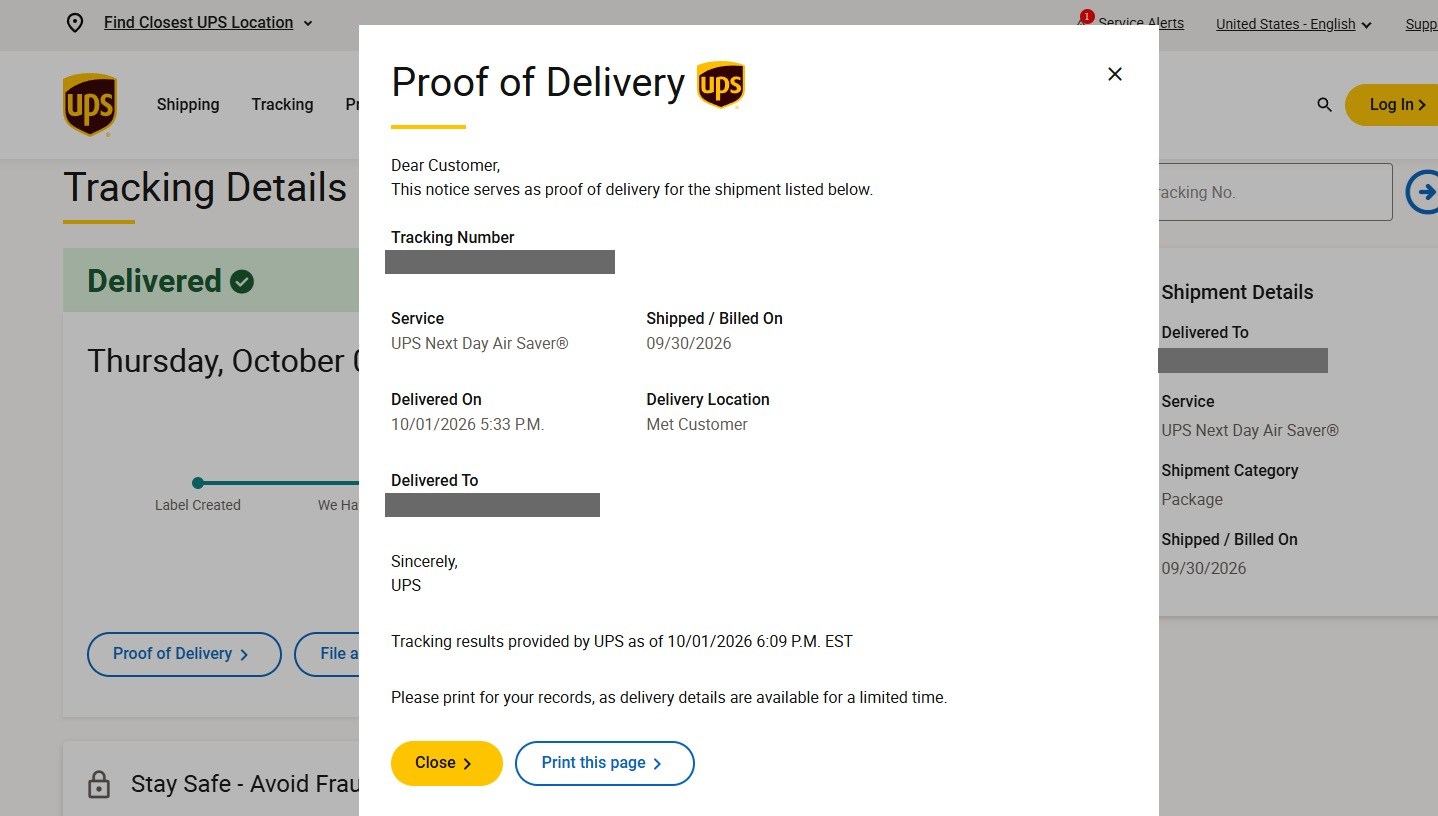
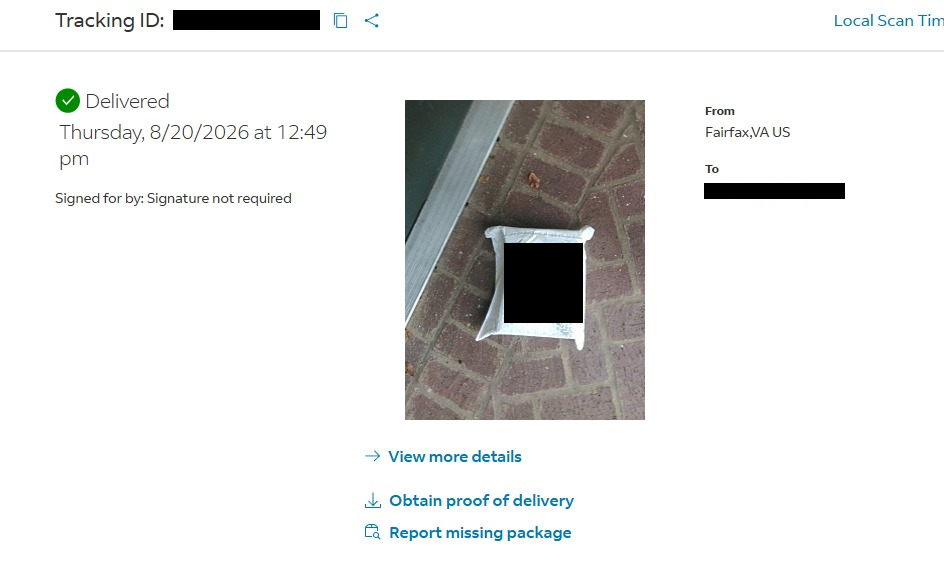
Delivered
Michigan
Destination state
Carrier-confirmed deliveryThe supplied tracking record shows this shipment as delivered.
Recipient details withheld
Understand common and serious tirzepatide side effects, when symptoms occur, practical management and when to contact your clinician.
Educational content updated October 1, 2026 using the sources listed below. Medically reviewed by Dr. Fremlin Dekyi, MD. Reviewed: October 1, 2026. This content does not replace individualized medical advice.
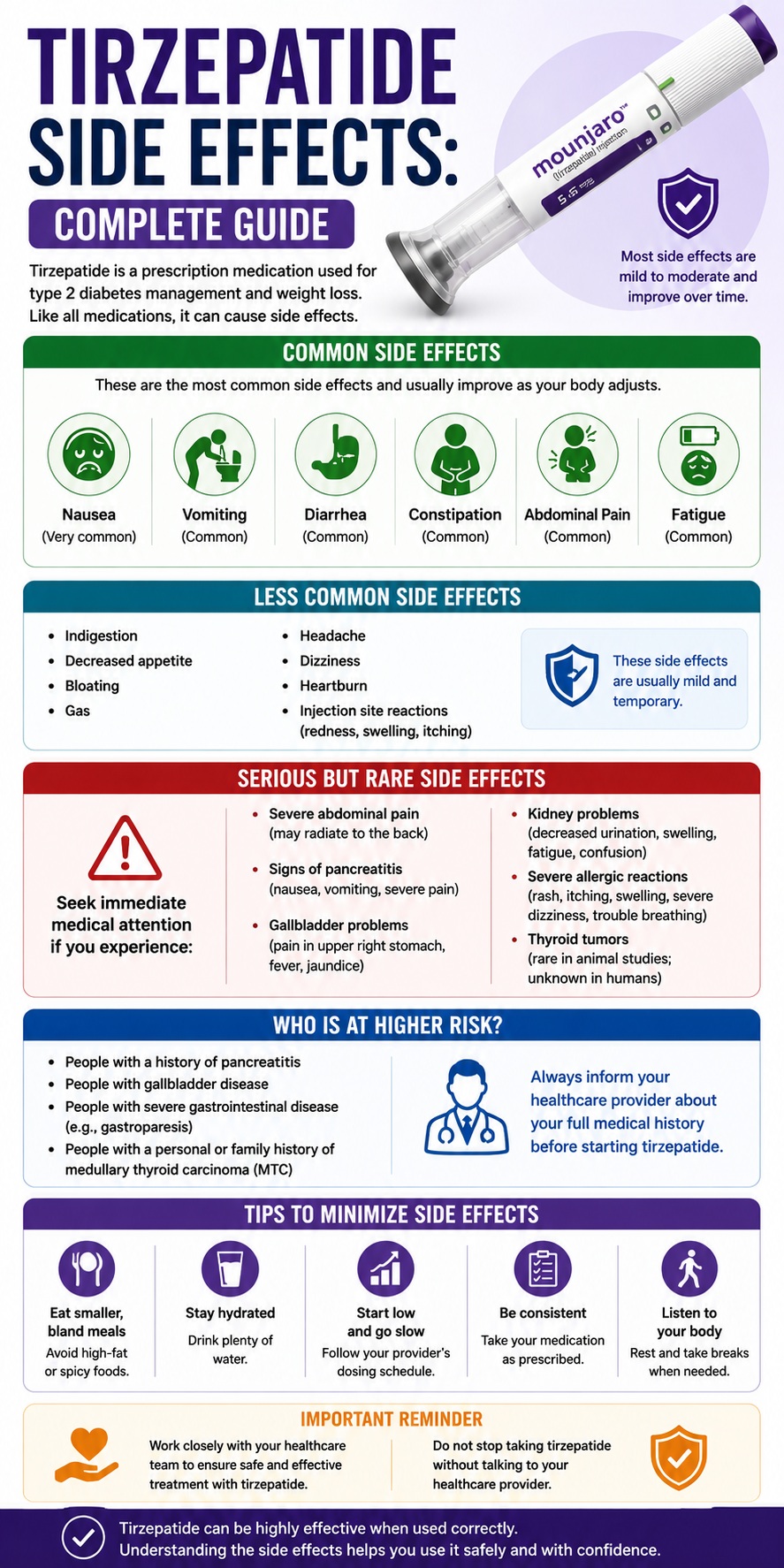
Tirzepatide commonly causes nausea, diarrhea, vomiting, constipation and abdominal discomfort. Mild digestive symptoms may occur during initiation or dose escalation. Severe or persistent symptoms should not be assumed to be a normal adjustment.
| Symptom | What it may mean | Next step |
|---|---|---|
| Mild nausea, early fullness, burping | Common gastrointestinal effects | Try smaller meals and contact your prescriber if intake is affected |
| Constipation or diarrhea | Intake and digestive changes; dehydration may worsen symptoms | Review food, fluid intake and a symptom plan with your care team |
| Persistent severe abdominal pain, with or without vomiting | Possible pancreatitis or another serious abdominal problem | Seek urgent assessment |
| Upper abdominal pain, fever or jaundice | Possible gallbladder disease | Seek prompt medical assessment |
| Very little urine, faintness, repeated vomiting | Possible dehydration or kidney injury | Seek urgent care |
| Shaking, sweating, confusion with insulin/sulfonylureas | Possible low blood glucose | Follow your glucose treatment plan; severe symptoms need emergency care |
| Facial/throat swelling or trouble breathing | Possible serious allergic reaction | Get emergency help |
Symptoms may begin after the first doses or a dose increase, but timing varies. They often ease as treatment continues; there is no guaranteed number of days. Persistent vomiting, inability to eat enough or ongoing bowel changes warrant review before further escalation.
Track the dose date, meals, fluid intake, bowel movements and glucose if relevant. This helps your clinician distinguish medicine effects from other causes.
Eat slowly, use smaller portions and stop before feeling overfull. Try low-fat, mild foods; avoid large fatty meals if they trigger symptoms. Take frequent small sips of fluid. Increase fiber gradually for constipation only when you can drink enough and have no obstruction symptoms.
Ask your prescriber whether escalation should be delayed or treatment adjusted. Do not increase, skip or change doses based on an online guide. A pharmacist or clinician can advise whether a nausea medicine or laxative is suitable.
Tirzepatide can reduce the effectiveness of oral hormonal contraceptives. Use a non-oral method or add a barrier method for 4 weeks after starting and for 4 weeks after every dose increase. Injection-site reactions and hair loss have also been reported with Zepbound. Discuss pregnancy plans promptly.
Both medicines carry a thyroid C-cell tumor boxed warning based on animal findings and must not be used with personal/family medullary thyroid carcinoma or MEN 2. Tell the care team about severe gastroparesis and any planned anesthesia or sedation.
Seek urgent medical care for severe or persistent abdominal pain, repeated vomiting with inability to keep fluids down, fainting, or very little urine. Trouble breathing or swelling of the face or throat is an emergency. Severe bloating with vomiting or inability to pass stool or gas also needs urgent assessment.
Patients usually get more value from medical review, fit assessment, and follow-up planning than from choosing a medication based only on headlines or social posts.
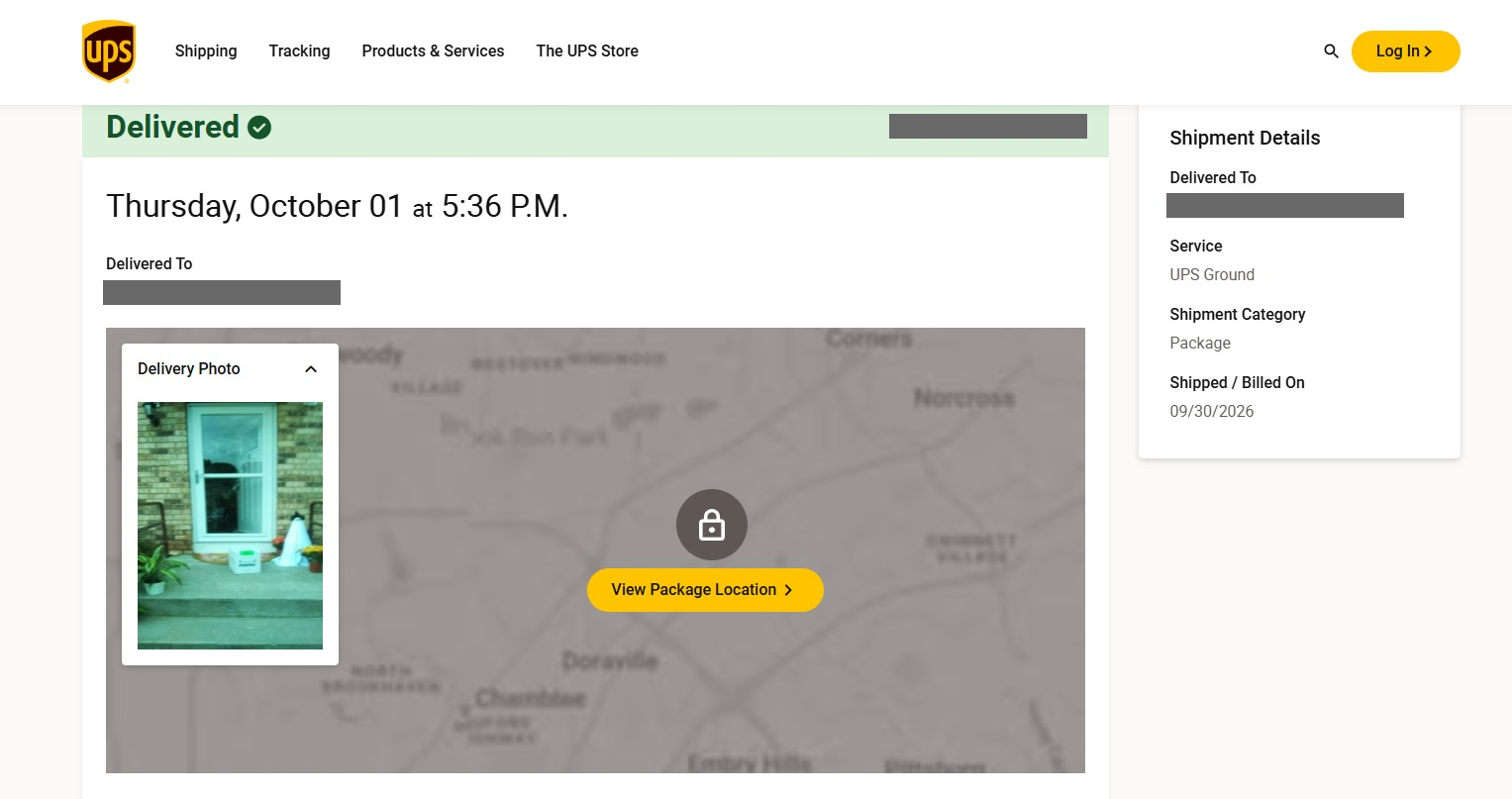
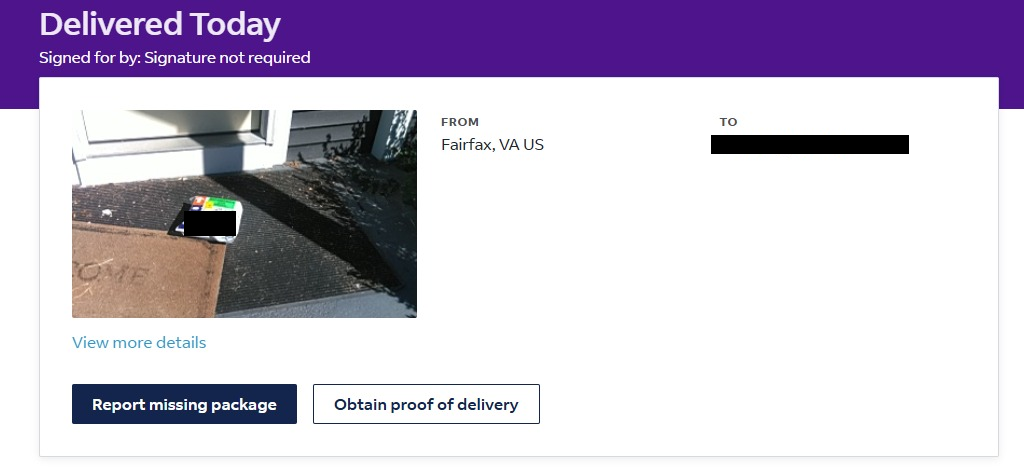
See some of the completed delivery confirmations shared by Doko Medical.
Destination state
Recipient details withheld
Destination state
Recipient details withheld
Destination state
Recipient details withheld

Destination state
Recipient details withheld
Destination state
Recipient details withheld