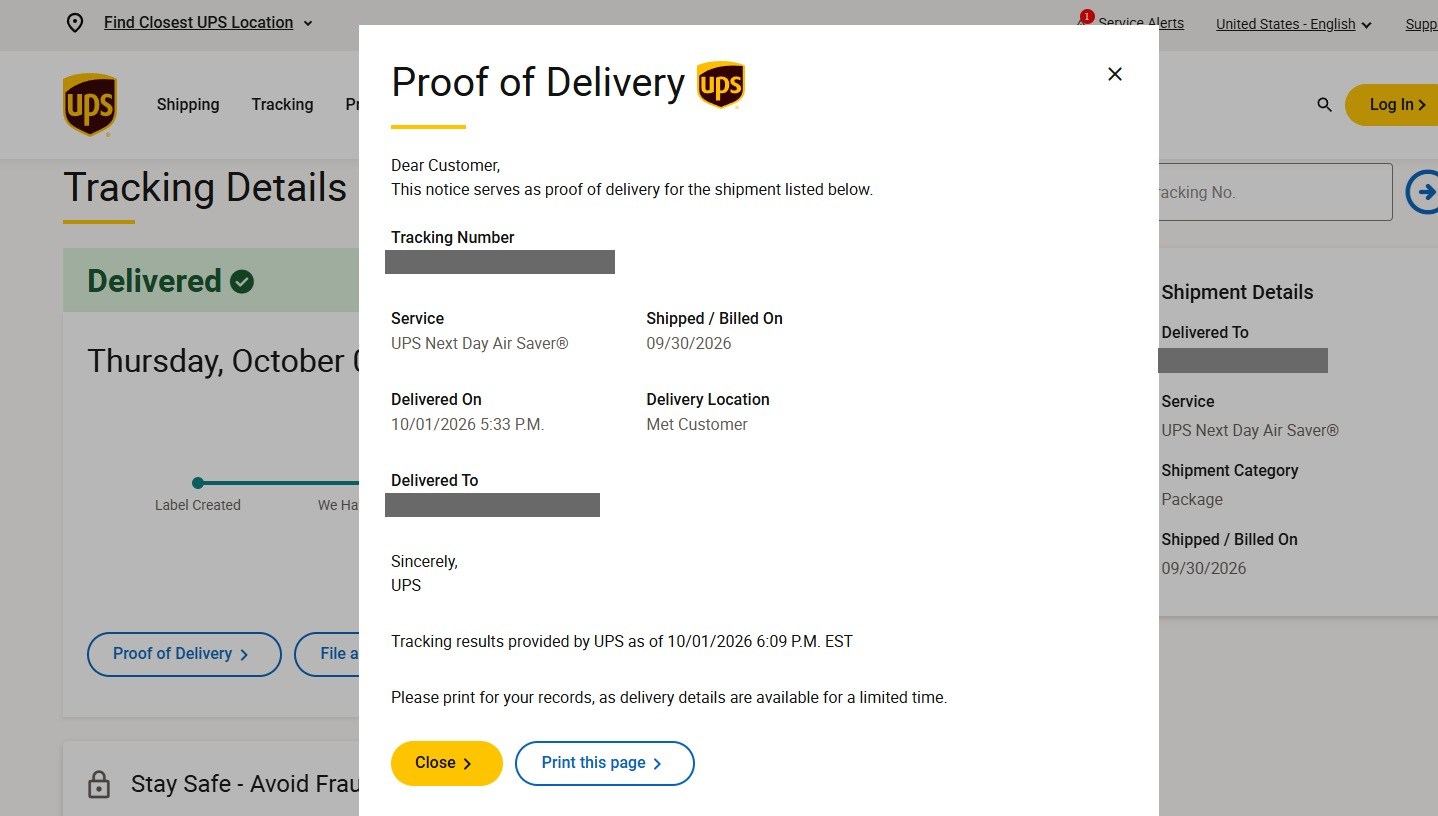
Delivered
Michigan
Destination state
Carrier-confirmed deliveryThe supplied tracking record shows this shipment as delivered.
Recipient details withheld
Virtual Diabetes Doctor Visits
Meet with a diabetes-focused clinician online for medication review, A1C planning, CGM interpretation, and long-term type 2 diabetes support.
Check Eligibility
Published: April 7, 2026
Last updated: October 1, 2026
Clinical review: Medically reviewed by Dr. Fremlin Dekyi, MD. Reviewed: October 1, 2026.
Many people search for an online diabetes doctor because they want specialist follow-up without the delay, travel time, or friction that often comes with in-person scheduling. Doko MD is designed for adults who need structured diabetes care from home, including virtual review of glucose trends, medications, insurance questions, and A1C progress. Your visit should end with clear next steps for monitoring, medication questions, lab testing and follow-up.
An online diabetes doctor does more than simply renew medications. Virtual diabetes care usually involves reviewing blood sugar patterns, checking how current treatment is working, discussing side effects, evaluating A1C movement, and deciding whether the next step should focus on lifestyle changes, CGM use, supply access, or medication adjustment. For many adults with type 2 diabetes, the most important need is not emergency treatment, but reliable follow-up and better day-to-day decision support.
Patients often start looking for a diabetes doctor online when they are dealing with rising A1C, hard-to-interpret blood sugar readings, refill issues, or uncertainty about whether the current plan is still working. Telehealth helps remove some of the barriers that interrupt consistent care. Instead of waiting months for the next office visit, patients can review their progress sooner and make more timely adjustments.
Type 2 diabetes management depends heavily on pattern review. Clinicians often need to see whether fasting blood sugar is rising, whether after-meal spikes are recurring, whether lows are becoming more frequent, or whether medication timing is contributing to unstable glucose. Those are problems that can often be discussed and managed well in a telehealth setting. Virtual visits are especially useful when the goal is to stay more consistent between lab checks and avoid waiting too long to respond to changing numbers.
Virtual visits can help adults with established type 2 diabetes who need routine follow-up and can share recent health records. It is especially relevant for people who want a more structured care model for type 2 diabetes, are interested in CGM support, or need medication follow-up that fits around work and family schedules.
Patients looking for a diabetes doctor online usually need one or more of the following: confirmation that the current treatment still makes sense, help understanding what high or low readings actually mean, support around side effects, clarity on supply access, or a plan for getting A1C back on track. When those issues are left alone too long, patients often lose confidence in the treatment plan even before the next A1C result arrives.
Virtual diabetes follow-up is often a strong fit when the main need is treatment review, glucose interpretation, medication follow-up, or planning around A1C and daily readings. Patients who already have recent labs, meter data, or CGM reports often get more value from the visit because the discussion can move quickly into patterns and next steps. It is especially helpful for adults who want more frequent review without adding more travel and scheduling friction.
Patients usually get more value from a virtual diabetes doctor visit when they bring a short summary of current medications, recent A1C or lab results if available, a list of recurring symptoms, and a sense of which glucose patterns are causing the most concern. CGM reports, fasting readings, and examples of after-meal highs often make the conversation much more specific. The more clearly the pattern is described, the easier it is to identify what should be reviewed first.
A1C summarizes longer-term glucose exposure, while meter readings and CGM reveal daily patterns and lows. Your clinician considers both alongside kidney function, other conditions, side effects and your preferences. Goals and monitoring schedules are individualized; a single reading does not determine the whole plan.
Medication review covers effectiveness, low-glucose episodes, tolerability, affordability and the prescribed schedule. Prescriptions and dose changes depend on the clinical assessment and available records. Do not change insulin or other diabetes medicines based on this page.
Telehealth does not replace foot examinations, retinal screening, laboratory testing or hands-on assessment of new symptoms. Ask how these will be coordinated with local care. A new diagnosis, pregnancy or complex insulin needs may require a different care pathway.
Call 911 for loss of consciousness, a seizure, severe confusion, chest pain or difficulty breathing. Vomiting with high glucose or ketones, inability to keep fluids down, or a worsening foot wound needs prompt medical assessment. Do not wait for an online appointment to address an emergency.
Sources: NIDDK: Managing Diabetes and NIDDK: Low Blood Glucose.
An online diabetes doctor can review glucose trends, discuss medication changes, monitor A1C progress, and help patients understand CGM data and treatment decisions.
Many patients use virtual visits for routine follow-up, medication review, and ongoing diabetes education, while still keeping in-person care available when needed.
Yes. Virtual diabetes care often includes prescription review, CGM interpretation, refill coordination, and guidance on the next step in treatment.
When to Review Your Diabetes Medications, How to Lower A1C Naturally and With Medical Support, and 5 Steps to Improve A1C Between Visits are all useful for patients comparing care options and deciding what follow-up they need now.
Educational content updated October 1, 2026. Medically reviewed by Dr. Fremlin Dekyi, MD. Reviewed: October 1, 2026.
An online diabetes doctor can review glucose readings, discuss symptoms, evaluate your medication plan and arrange follow-up for ongoing diabetes care. Diabetes telehealth is particularly useful for reviewing home glucose or CGM trends between in-person visits.
| Care need | Online role | In-person or other care |
|---|---|---|
| Glucose / CGM review | Discuss patterns, meals, activity and symptoms | Device placement or hands-on training may require local support |
| Medication management | Review effectiveness, side effects, interactions and refills when appropriate | Examination or tests may be needed before changing treatment |
| A1c, kidney and other labs | Order and interpret tests when appropriate | Blood or urine samples still need an authorized testing location |
| Eye and foot screening | Arrange referrals and discuss symptoms | Retinal screening, detailed foot examination and wounds need appropriate hands-on care |
| Acute severe illness | Direct you to urgent care | Severe hypoglycemia, suspected ketoacidosis, chest pain or severe dehydration require immediate medical care |
Bring recent A1c and laboratory results, your complete medicine list, allergies, glucose log or CGM report, blood pressure if available and questions about symptoms or costs. Note low glucose episodes and any missed doses.
Discuss changes in eating, exercise, kidney health, pregnancy plans and new medicines. These can affect which treatment is suitable and how often monitoring is needed.
The clinician reviews glucose patterns alongside A1c, kidney function, side effects and individual goals. Refill and dose-change decisions depend on assessment, state rules and the information available. Do not change insulin based on general website advice.
Ask when to repeat labs, which glucose thresholds should trigger a call, how to share CGM data and who to contact between visits. Your routine care still needs appropriate complication screening.
Call emergency services for loss of consciousness, seizures, severe confusion, chest pain or trouble breathing. High glucose with vomiting, abdominal pain, deep or rapid breathing or ketones needs urgent assessment for possible ketoacidosis.
New foot wounds, spreading redness, sudden vision changes or persistent dehydration should receive prompt hands-on assessment. A routine virtual appointment should not delay urgent care.
A clinician may authorize appropriate refills after reviewing your history, monitoring and state requirements. Some requests need labs or examination first.
A clinician can assess symptoms and arrange testing, but diagnosis generally requires validated blood tests. A virtual visit alone does not replace them.
It helps coordinate follow-up, but laboratory testing, retinal screening and detailed foot assessment require suitable local services.
See some of the completed delivery confirmations shared by Doko Medical.
Destination state
Recipient details withheld
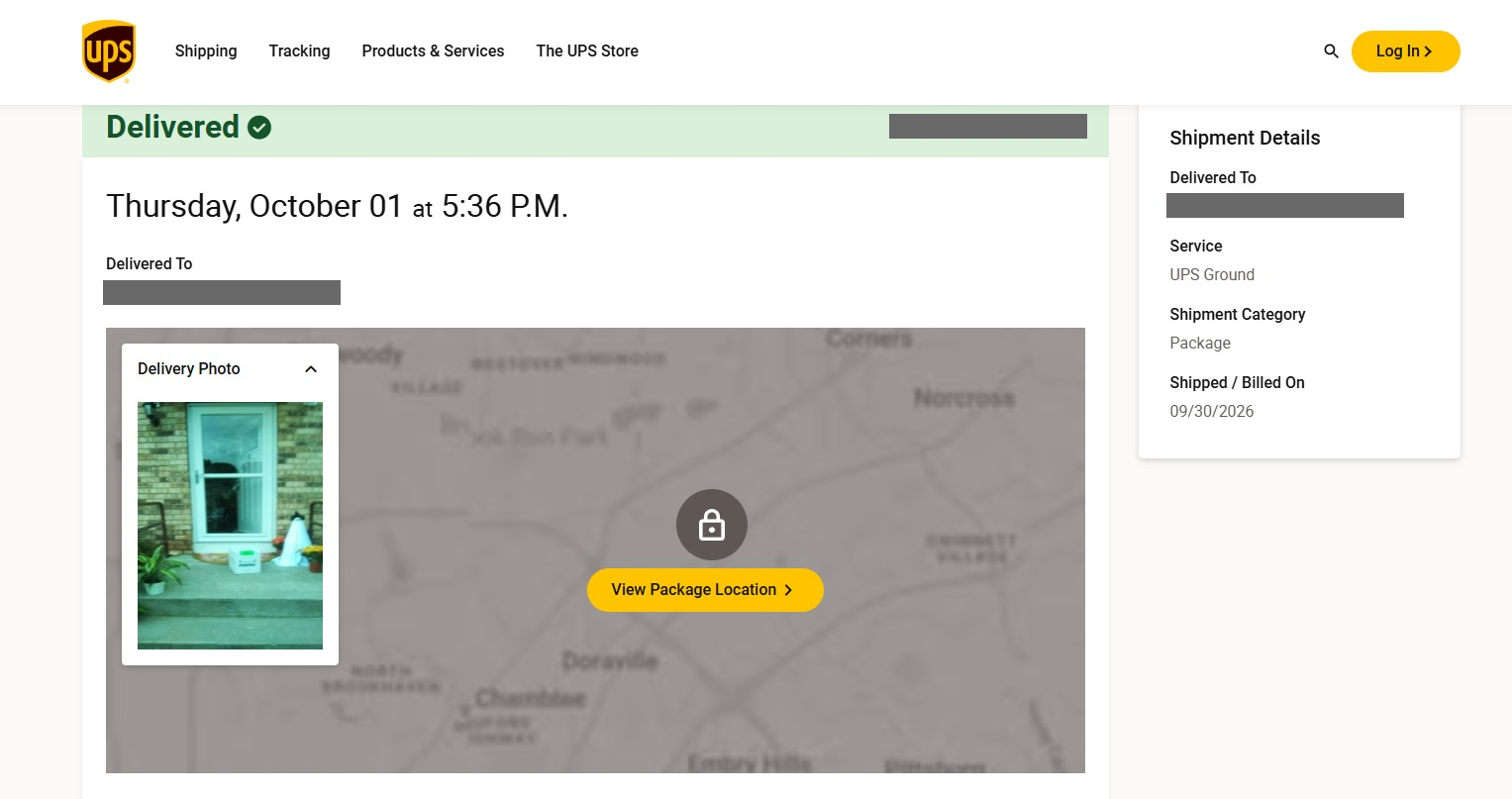
Destination state
Recipient details withheld
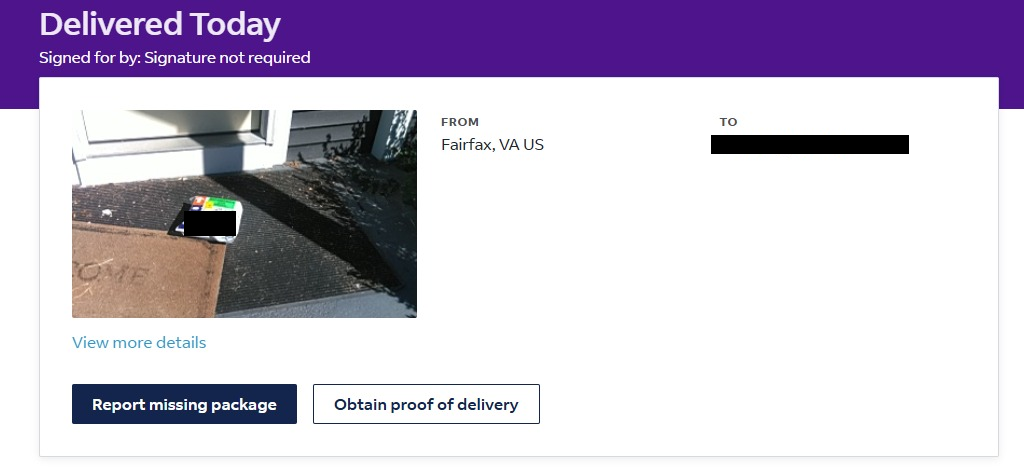
Destination state
Recipient details withheld
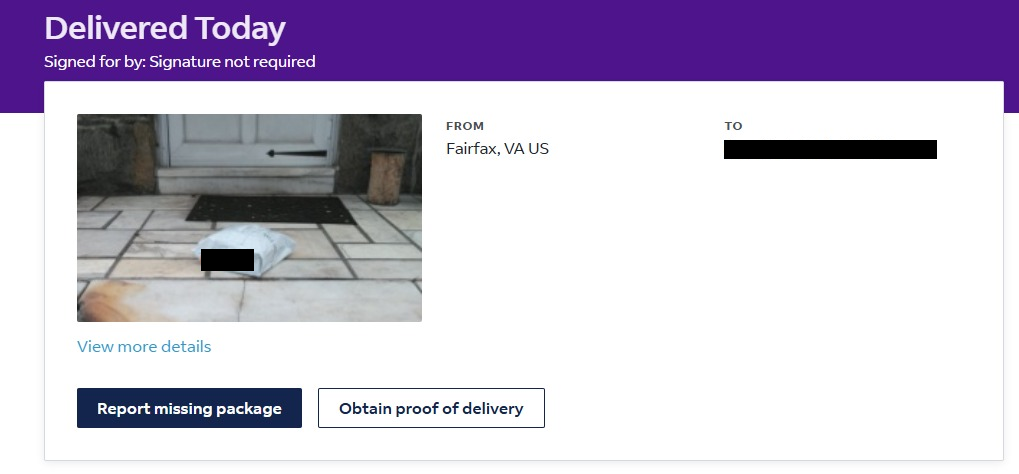
Destination state
Recipient details withheld
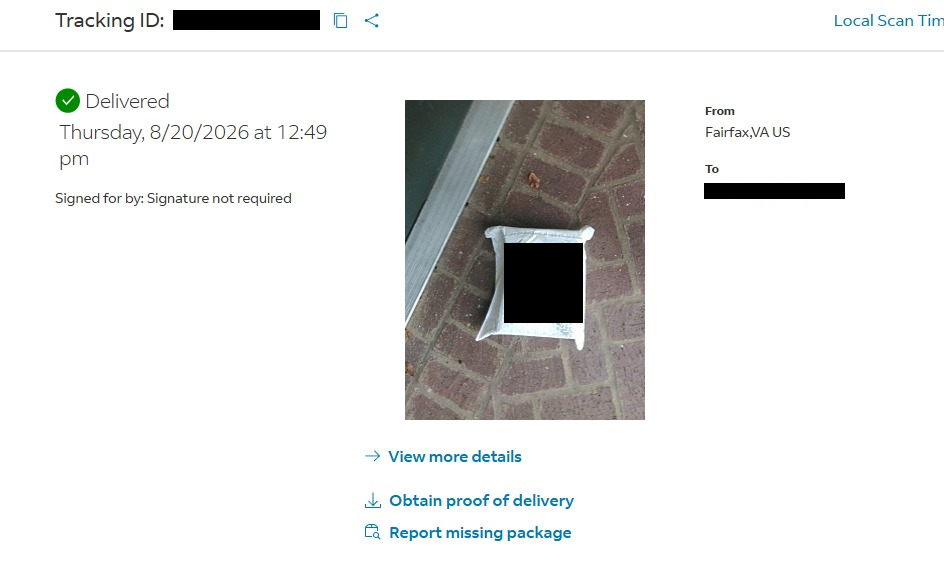
Destination state
Recipient details withheld