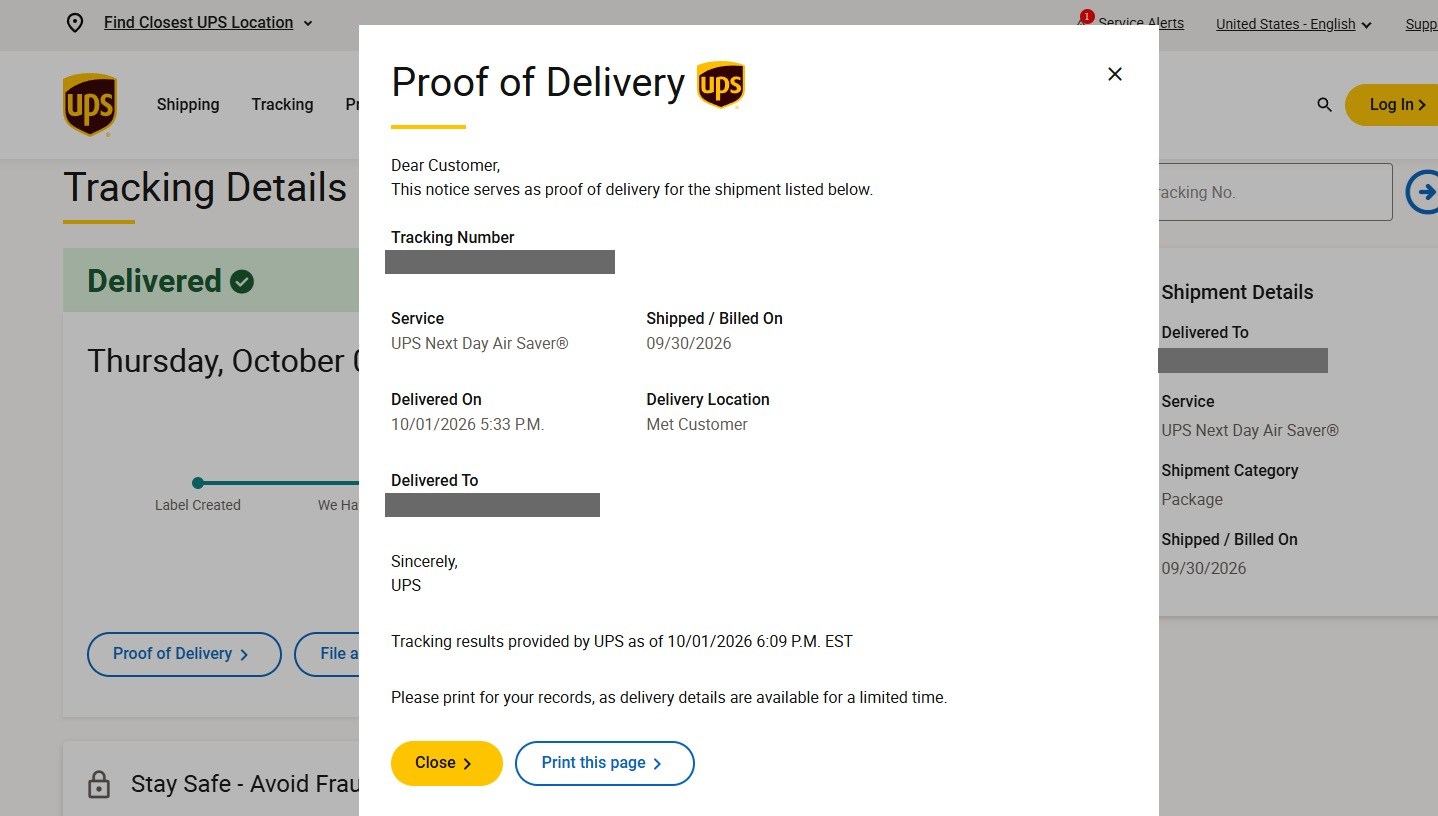
Delivered
Michigan
Destination state
Carrier-confirmed deliveryThe supplied tracking record shows this shipment as delivered.
Recipient details withheld
Type 2 diabetes is easier to manage when patients understand what is driving glucose higher and what options can actually help.
Explore Treatment Support
Published: April 8, 2026
Last updated: April 8, 2026
Author: Doko MD Education Team
Clinical review: Doko MD Clinical Review Team
Type 2 diabetes is a chronic condition in which the body does not use insulin well enough to keep blood sugar in range. Over time, glucose stays higher than it should, which can lead to fatigue, thirst, frequent urination, blurry vision, rising A1C, and longer-term complications if treatment is delayed or the plan no longer fits.
Most patients with type 2 diabetes are dealing with a mix of insulin resistance, changing glucose patterns, and day-to-day routines that affect meals, sleep, activity, stress, and medication use. The condition often develops gradually, so many people notice symptoms only after blood sugar has already been high for a while.
Diagnosis usually involves A1C testing, fasting blood sugar, or other blood glucose measurements reviewed alongside symptoms and risk factors. One abnormal reading may lead to repeat testing, but repeated high readings or elevated A1C often make the pattern much clearer.
Treatment may include meal changes, physical activity, medication review, CGM or glucose monitoring, and structured follow-up. The goal is not only to lower one number. It is to build a routine that keeps glucose steadier and helps the treatment plan keep matching the patient’s current pattern.
Many patients are told they have type 2 diabetes but still do not know whether fasting readings, after-meal spikes, medication timing, or inconsistent routines are causing the biggest problem. Monitoring makes treatment more specific because it shows where glucose is actually rising and whether changes are working.
Many patients improve glucose control substantially when treatment, food patterns, activity, and follow-up are matched to the way their blood sugar is actually behaving.
Not always, but many patients do need medication support, especially when A1C is elevated, fasting glucose is rising, or lifestyle changes alone are not enough.
Treatment should be reviewed when blood sugar remains above target, symptoms continue, side effects develop, or the current plan becomes hard to maintain consistently.
See some of the completed delivery confirmations shared by Doko Medical.
Destination state
Recipient details withheld
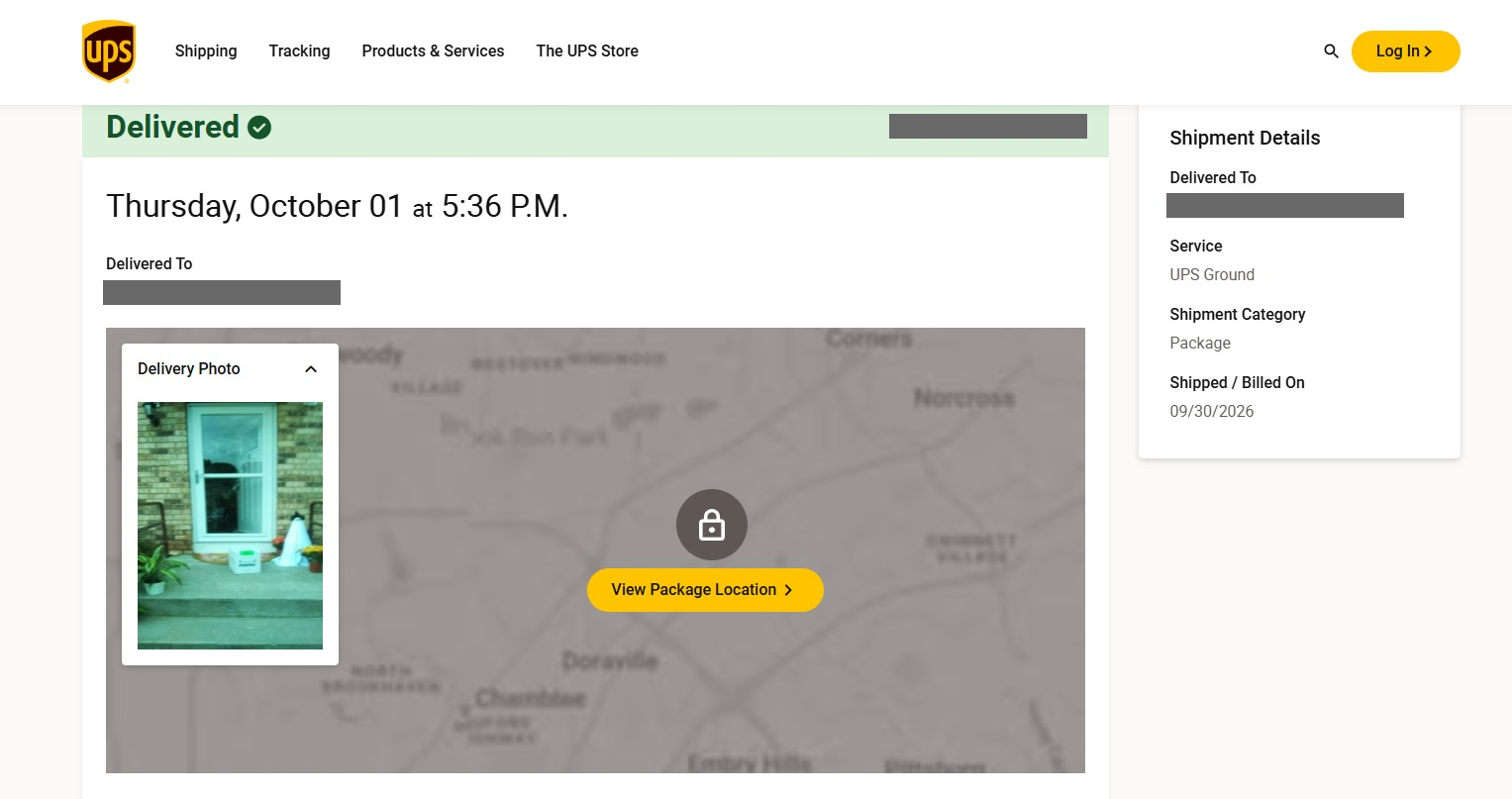
Destination state
Recipient details withheld
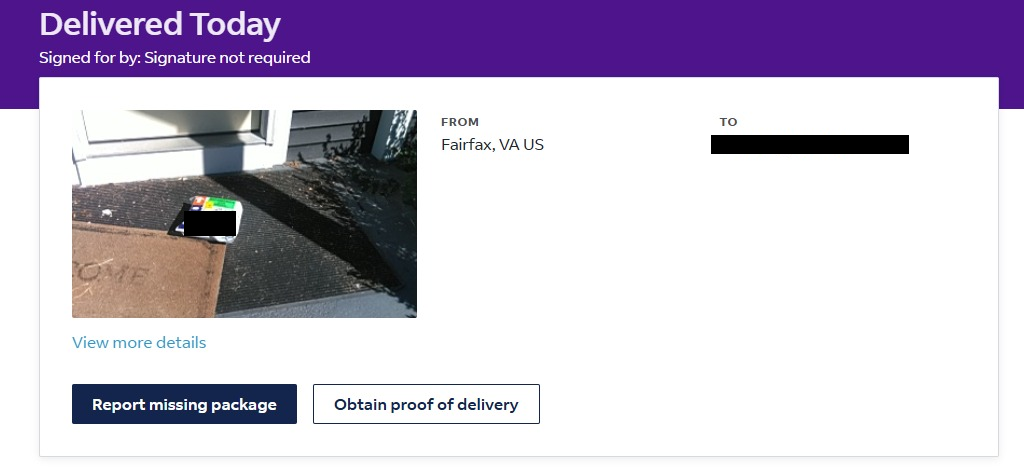
Destination state
Recipient details withheld
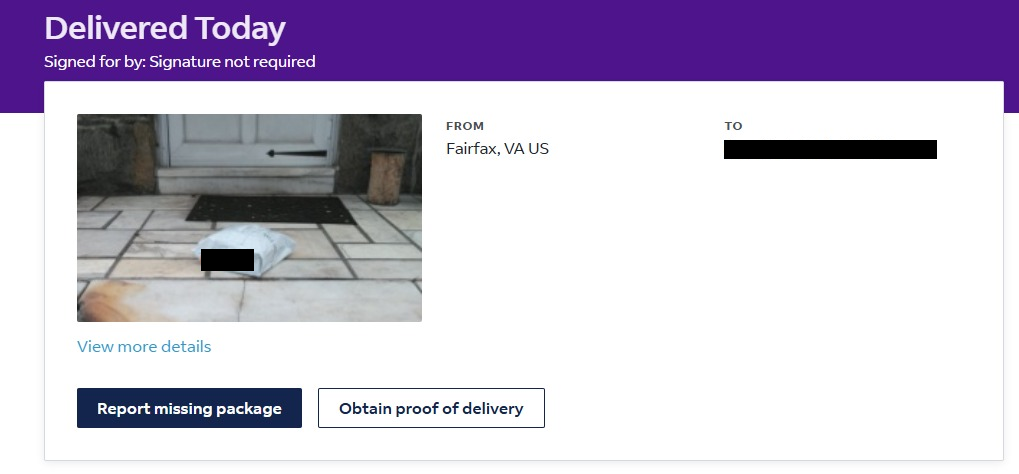
Destination state
Recipient details withheld
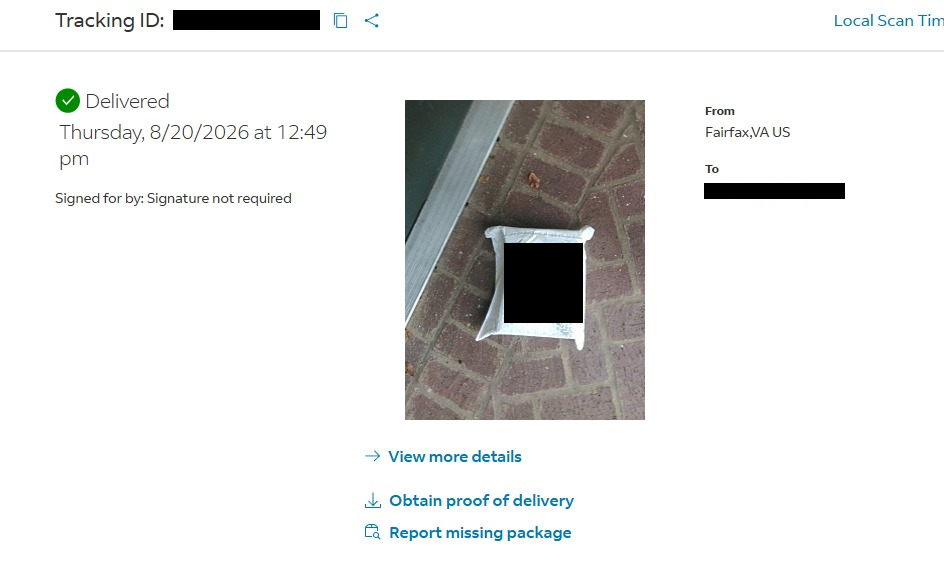
Destination state
Recipient details withheld
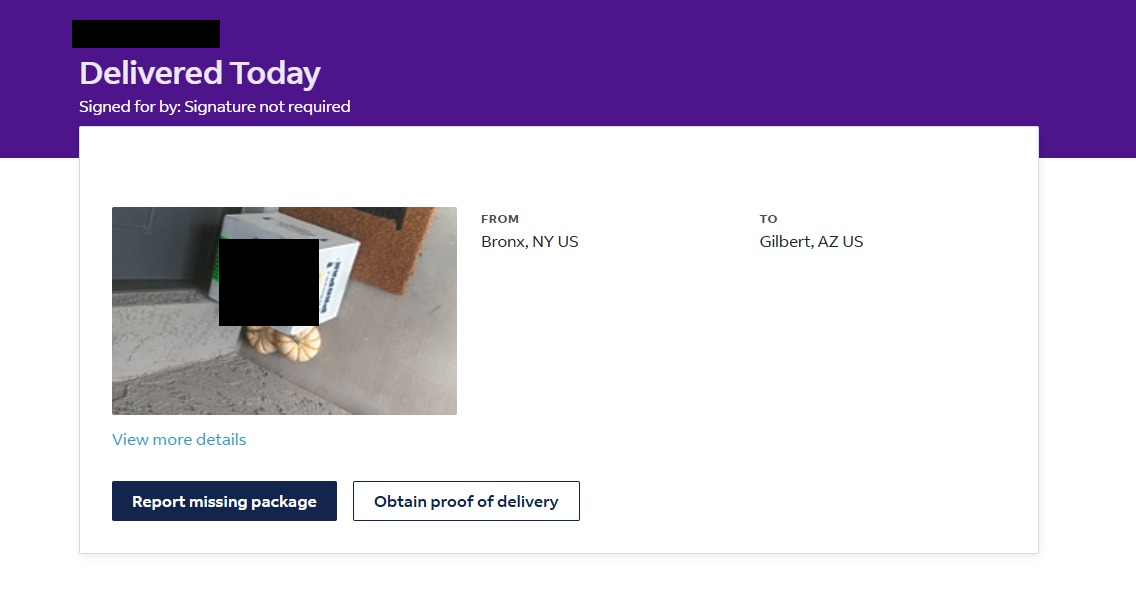
Destination state
Recipient details withheld