Author: Doko MD Education Team
Last updated: October 1, 2026
Review status: Medication instructions checked against the linked prescribing information. Medically reviewed by Dr. Fremlin Dekyi, MD. Reviewed: October 1, 2026.
Food tolerance and medication instructions
Foods that trigger nausea or reflux vary by person. Taking the medicine correctly is a separate issue: follow the instructions for your exact brand and formulation.
- Zepbound injection: May be taken with or without meals. Smaller meals can help tolerance, but fasting is not required for the injection.
- Wegovy tablets: Take in the morning on an empty stomach with up to 4 ounces of plain water. Swallow whole; wait at least 30 minutes before food, drinks, or other oral medicines. These tablet instructions do not apply to Wegovy injections.
Other products may have different instructions. Confirm yours with your pharmacist; do not apply one product's instructions to every GLP-1 medicine.
If you also use insulin or a sulfonylurea
These combinations can increase low blood sugar risk. If nausea or a smaller appetite reduces your intake, contact your diabetes clinician for a glucose-monitoring and medication plan. The prescriber may need to adjust insulin or sulfonylurea doses. Do not change doses yourself; follow your established low-glucose treatment plan and seek urgent help for severe symptoms.
See the Zepbound prescribing information and Wegovy prescribing information for the medication-specific instructions and warnings.
There isn't one universal list of foods everyone must avoid while taking a GLP-1 medication. However, large meals and foods that are very fatty, fried, highly processed, sugary, or spicy may worsen gastrointestinal symptoms in some people. Many people do better with smaller portions and nutrient-dense foods such as lean protein, vegetables, fruits, whole grains and other fiber-containing foods, while maintaining adequate hydration. Your individual tolerance matters.
GLP-1 medications have changed the way obesity and type 2 diabetes can be managed. But medication is only one part of the picture.
What you eat while taking a GLP-1 can affect your nutrition, comfort and ability to continue treatment.
GLP-1-based medications can reduce appetite and affect digestion. Gastrointestinal side effects—including nausea, vomiting, diarrhea and constipation—are among the most commonly reported problems with this class of treatment. Expert nutrition guidance therefore emphasizes adequate nutrition and hydration as well as strategies for managing GI symptoms.
- That doesn't mean you need a restrictive “GLP-1 diet.”
In fact, thinking in terms of foods that you tolerate well, eat less often, or temporarily limit may be more useful than labeling foods simply “good” or “bad.”
This guide explains what to eat on a GLP-1, which foods may cause problems, and how food choices can be adjusted if you're experiencing nausea, constipation, diarrhea or other digestive symptoms.
Are there foods you cannot eat on GLP-1 medications?
Generally, there isn't a single food that everyone taking a GLP-1 medication is automatically prohibited from eating.
The issue is usually tolerance.
GLP-1 medications affect appetite, fullness and gastrointestinal function. Consequently, a meal that felt completely normal before treatment may feel too large, heavy or uncomfortable after starting medication.
Cleveland Clinic notes that foods such as high-fat and spicy foods can contribute to gastrointestinal symptoms in some people taking GLP-1 medications, while individual triggers vary.
You may therefore find that you tolerate certain foods differently after starting treatment or after increasing your dose.
Instead of asking “What am I forbidden from eating?” consider asking: “Which foods help me meet my nutritional needs while minimizing symptoms?” Your answer may change throughout treatment.
8 foods and eating habits you may want to limit
These foods are not necessarily forbidden. Pay attention to portions and personal triggers, especially when symptoms appear.
Fried and Very High-Fat Foods
Fried foods are one of the first categories to reconsider if you're experiencing nausea, uncomfortable fullness or indigestion.
High-fat meals may be more difficult to tolerate when you're already experiencing delayed digestion or prolonged fullness.
Expert guidance for managing GLP-1 gastrointestinal symptoms recommends avoiding high-fat foods in some circumstances, particularly when nausea is present.
- Fried chicken
- French fries
- Onion rings
- Deep-fried appetizers
- Fried fish
- Doughnuts
- Very greasy pizza
- Large portions of fatty meats
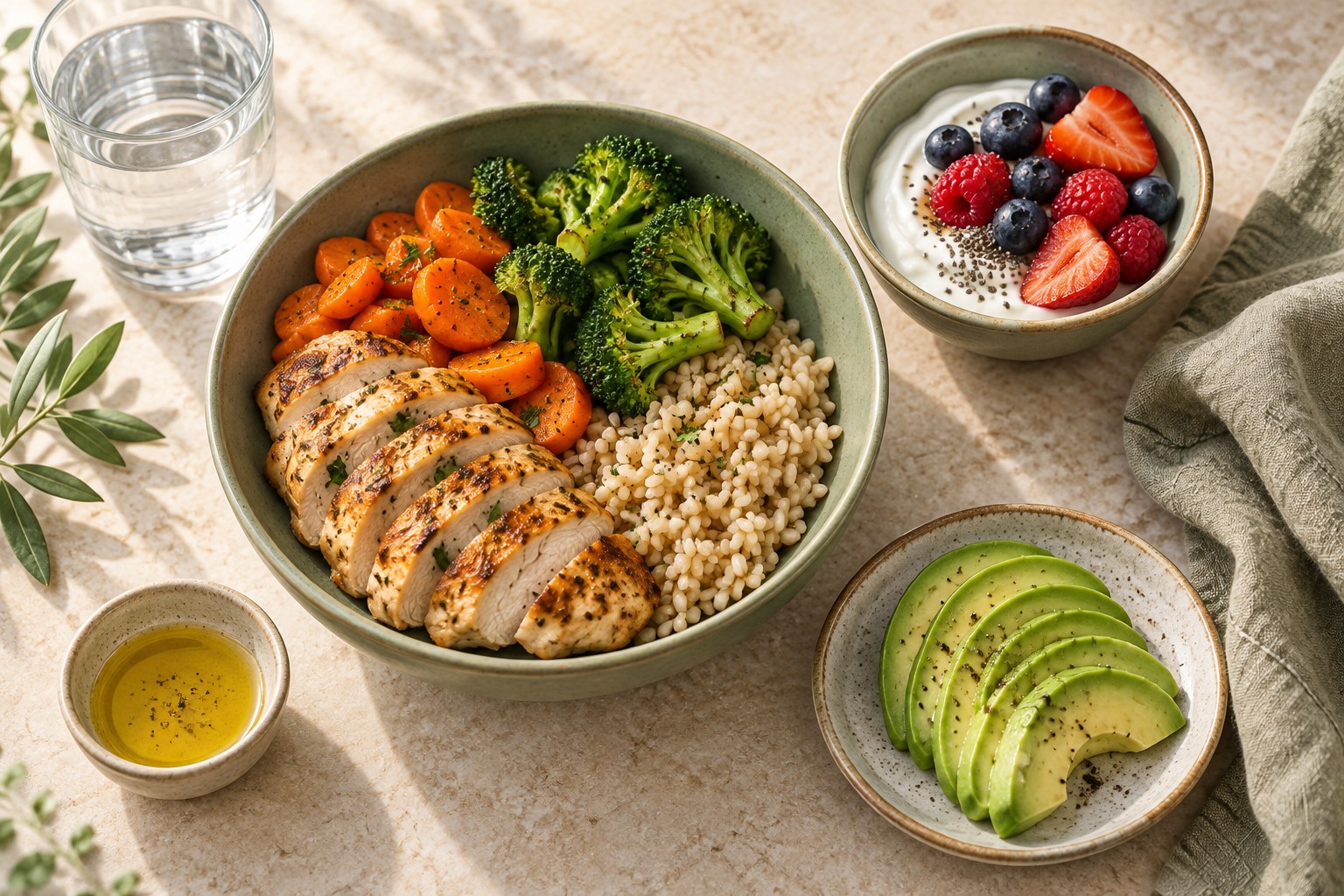
Try grilled, baked, steamed, roasted or air-fried preparations. Instead of fried chicken and fries, consider grilled chicken with roasted vegetables. The goal isn't necessarily to eliminate dietary fat. Foods containing unsaturated fats—such as nuts, seeds, olive oil, avocado and fish—can still be part of a nutritious eating pattern. Portion size matters.
Large Meals
Sometimes the problem isn't what you're eating. It's how much you're eating at once.
GLP-1 treatment can increase feelings of fullness, so portions that were previously comfortable may suddenly feel excessive.
Large meals may contribute to nausea, uncomfortable fullness, bloating, reflux or vomiting.
Expert recommendations commonly emphasize smaller portions and stopping eating when comfortably full.
Instead of forcing yourself to finish a plate because that's how much you used to eat, pay attention to your body's fullness signals. Try eating slowly, pause during the meal, and stop when you're comfortably satisfied.
Foods and Drinks High in Added Sugar
Frequently consuming foods with substantial added sugar can make it harder to build a nutrient-dense eating pattern.
This becomes particularly important when appetite is reduced. If you're eating significantly less food, you have fewer opportunities to obtain protein, fiber, vitamins, minerals and other essential nutrients.
That doesn't mean you can never have dessert. Rather, consider what proportion of your reduced appetite is being filled by foods with relatively little nutritional value.
- Candy
- Cakes
- Cookies
- Pastries
- Sugary breakfast cereals
- Sweetened coffee drinks
- Regular soda
- Some energy drinks
- Sugar-sweetened juices and beverages
Highly Processed Foods
Some ultra-processed foods can provide a lot of calories while offering relatively little protein, fiber or micronutrient density.
When appetite is suppressed, food quality becomes especially important. You may be eating less overall, so prioritizing foods that provide meaningful nutrition can help make those smaller meals count.
A useful principle is to eat the nutritious part of the meal first. For many people, that means prioritizing protein, vegetables, fruit or other nutrient-dense foods before foods that contribute relatively little nutrition.
- Packaged snack cakes
- Chips
- Candy
- Some frozen fast-food-style meals
- Processed baked goods
- Sugary cereals
- Certain convenience snacks
Spicy Foods — If They Trigger Symptoms
You don't automatically have to stop eating spicy foods because you're taking a GLP-1.
But if you develop heartburn, reflux, nausea or stomach discomfort, spicy foods may be worth temporarily reducing.
If spicy food doesn't bother you, there may be no reason to eliminate it solely because you're using a GLP-1. Tolerance is individual.
- Hot peppers
- Hot sauce
- Very spicy curries
- Chili oils
- Heavily spiced sauces
Alcohol
Alcohol deserves special attention during weight-management treatment.
Alcohol supplies calories without providing the nutritional benefits of foods such as protein, vegetables, fruit and whole grains. It can also contribute to dehydration and may aggravate nausea or reflux in some individuals.
Alcohol may also be inappropriate for certain people because of their medical conditions, medications or risk of low blood glucose. Ask your healthcare provider whether alcohol is appropriate for you.
Carbonated Beverages — If You Feel Bloated
Carbonated drinks aren't universally prohibited. However, carbonation may worsen bloating, burping, fullness or indigestion in people who are already experiencing gastrointestinal symptoms.
If you notice a connection between carbonation and discomfort, switch temporarily to still water or another noncarbonated beverage.
- Soda
- Sparkling water
- Carbonated energy drinks
Your Personal Trigger Foods
This category may be more important than any universal list.
Two people taking the same medication can tolerate food very differently.
Consider keeping a simple food-and-symptom record noting: what you ate → portion size → when you ate → symptoms afterward.
After a few weeks, patterns may become much easier to recognize.
What should you eat on a GLP-1?
Knowing what to eat on GLP-1 treatment is arguably more important than having a long list of foods to avoid. A balanced eating pattern should generally emphasize nutrient-dense foods that help you obtain adequate nutrition despite a potentially smaller appetite. Four areas deserve particular attention.
Protein-Rich Foods
Protein becomes particularly important during weight loss because losing weight can include losing some lean body mass.
- Chicken
- Turkey
- Fish
- Eggs
- Greek yogurt
- Cottage cheese
- Beans
- Lentils
- Tofu
- Tempeh
- Edamame
A recent multidisciplinary expert consensus emphasizes adequate high-quality protein during GLP-1-associated weight loss to help minimize muscle loss, although the appropriate amount should be individualized. If you become full quickly, eating your protein source earlier in the meal may help ensure you don't leave it untouched because you're already full. Age, body size, kidney function, activity level, medical conditions and overall calorie intake can all affect what's appropriate. Don't assume that a high-protein target found online is appropriate for you.
Vegetables and Fruit
Vegetables and fruits provide vitamins, minerals, fiber, water and phytonutrients.
Vegetables: broccoli, carrots, spinach, cucumber, peppers, tomatoes, zucchini and leafy greens.
Fruit: berries, oranges, bananas, apples, melon, peaches and kiwi.
Your tolerance matters. If you're experiencing significant nausea, diarrhea or bloating, temporarily changing the type, preparation or amount of fiber may be more comfortable. Cooked vegetables may sometimes be easier to tolerate than a very large raw salad.
Fiber-Rich Carbohydrates
Carbohydrates don't need to disappear from your diet because you're taking a GLP-1. Higher-fiber choices can provide useful nutrients and may help support bowel regularity.
- Oatmeal
- Brown rice
- Quinoa
- Barley
- Whole-grain bread
- Beans
- Lentils
- Fruit
- Vegetables
More fiber isn't always better immediately. If you're experiencing nausea, severe fullness or diarrhea, temporarily eating a very high-fiber meal may worsen symptoms in some people. Increasing fiber rapidly without adequate fluid can also contribute to digestive discomfort.
Healthy Sources of Fat
Fat isn't something you need to eliminate completely.
- Olive oil
- Avocado
- Nuts
- Seeds
- Salmon and other fatty fish
The difference is often portion and preparation. A modest amount of olive oil on vegetables is very different from eating a large deep-fried meal. Because GLP-1 treatment may make larger or fattier meals uncomfortable, smaller portions may be better tolerated.
Foods to eat vs. foods to limit
| Consider choosing more often | Consider limiting if poorly tolerated |
|---|---|
| Grilled chicken or turkey | Fried chicken |
| Fish | Deep-fried fish |
| Greek yogurt | High-sugar desserts |
| Eggs | Very greasy breakfast meals |
| Tofu, beans and lentils | Large high-fat meals |
| Cooked vegetables | Very large meals |
| Fruit | High-sugar beverages |
| Oatmeal and whole grains | Highly refined snacks |
| Water | Sugary drinks |
| Small portions of nuts/seeds | Large portions of fatty foods |
Remember: this isn't a forbidden-food chart. Individual tolerance, nutritional needs and medical conditions should determine what works for you.
What to eat when symptoms show up
Choose a topic below for practical ideas. Persistent or severe symptoms need medical advice.
What to Eat When GLP-1 Causes Nausea
Smaller portions and mild, lower-fat foods may feel more comfortable. Avoid forcing a full meal. Persistent nausea or difficulty eating or drinking needs clinical advice.
See the GLP-1 nausea guide for a step-by-step approach and warning signs →
What to Eat When You Have Constipation on a GLP-1
Increase tolerated fiber gradually, drink according to your individual needs, and keep moving. Severe pain, vomiting, or inability to pass stool or gas needs prompt medical assessment.
See the GLP-1 constipation guide for food choices and next steps →
What to Eat If GLP-1 Causes Diarrhea
- Rice
- Broth
- Cooked carrots
- Skinless or soft fruit
- Lean protein
During active diarrhea, some people may temporarily tolerate lower-fiber, simpler foods better. Maintain adequate hydration and consider temporarily reducing alcohol, large fatty meals, excess caffeine, sugar alcohols and identified trigger foods. Persistent diarrhea deserves medical attention, particularly if you're becoming dehydrated.
What If You Have Heartburn or Acid Reflux?
- Eating smaller portions
- Avoiding lying down immediately after eating
- Limiting very fatty meals
- Limiting spicy foods if they're triggers
- Eating slowly
- Avoiding overeating
Pay attention to patterns. You may discover that portion size causes more problems than the actual food. If reflux is frequent or severe, talk with your healthcare provider.
What Should You Eat When Your Appetite Is Very Low?
Some people become so focused on eating less that they overlook the possibility of eating too little.
GLP-1 medications can substantially reduce appetite. That's part of how these treatments work—but your body still requires protein, essential fats, vitamins, minerals, fiber, fluids and adequate overall nutrition.
When appetite is very low, prioritize nutrient density. Instead of filling your limited appetite with soda, chips or sweets, consider foods that provide more nutrition in a manageable portion.
- Greek yogurt with fruit
- Eggs
- Cottage cheese
- A small chicken-and-vegetable meal
- Tofu
- Soup containing protein and vegetables
- A dietitian-approved nutrition shake when appropriate
If you're consistently unable to eat enough, losing weight unexpectedly fast, becoming weak or struggling to maintain hydration, contact your healthcare provider.
Coffee, restaurants, and everyday life
What about coffee while taking a GLP-1?
Coffee isn't automatically prohibited. However, caffeine can aggravate symptoms such as heartburn, stomach irritation or diarrhea in some people. Large specialty coffee drinks may also contain significant amounts of added sugar and fat. If coffee doesn't cause symptoms, moderate consumption may fit into your eating pattern. If it does, try reducing the amount, changing how you prepare it or temporarily avoiding it.
Can you eat at restaurants?
Absolutely. The objective isn't to stop living normally. Restaurant portions, however, are often much larger than what you may comfortably tolerate.
Choose grilled instead of fried.
Order sauces or dressings on the side.
Prioritize protein and vegetables.
Eat slowly.
Stop when comfortably full.
Take leftovers home rather than forcing yourself to finish the meal.
One restaurant meal doesn't determine your overall health. Your eating pattern over time matters more.
A simple GLP-1 grocery list
Check off what you already have. Your selections reset when you refresh the page.
This list is only a starting point. Cultural preferences, allergies, medical conditions, budget and individual tolerance should guide your choices.
Do you need a special GLP-1 diet?
Not necessarily. There is no single diet that everyone taking a GLP-1 must follow.
The broader goal is to develop an eating pattern that is nutritionally adequate, sustainable, enjoyable, affordable and appropriate for your health.
For one person, that may resemble a Mediterranean-style diet. Another person may prefer culturally specific foods. A vegetarian patient will require different choices from someone who eats meat. Someone with chronic kidney disease may need different protein or electrolyte guidance than someone without kidney disease.
That's why individualized nutrition advice matters.
Does what you eat affect GLP-1 side effects?
It can. Food isn't necessarily the cause of medication-related side effects, but meal size, food composition and individual triggers can influence how you feel.
Am I eating beyond comfortable fullness?
Are my meals extremely high in fat?
Am I eating very quickly?
Am I drinking enough?
Did symptoms begin after my dose increased?
Are particular foods consistently triggering symptoms?
This information can also be valuable when talking with your healthcare provider.
When to contact your healthcare provider
Don't assume every symptom can be solved by changing your diet. Contact your healthcare provider if you're experiencing persistent or concerning symptoms.
- Repeated or persistent vomiting
- Inability to keep fluids down
- Signs of dehydration
- Severe or persistent abdominal pain
- Severe or persistent diarrhea
- Significant or worsening constipation
- Symptoms that become difficult to tolerate
- Difficulty meeting basic nutritional needs
Severe abdominal symptoms may require urgent evaluation. Your healthcare provider can determine whether your symptoms are related to food, your medication, dose escalation or another medical condition.
Do not change your prescribed GLP-1 dose on your own because of side effects.
The bigger picture
There isn't one universal GLP-1 forbidden-food list.
Large, greasy and very high-fat meals may be harder to tolerate.
Prioritize nutrient-dense foods because your appetite may be smaller.
Include adequate protein to support nutritional needs and lean mass during weight loss.
Fiber can support digestive and cardiometabolic health, but adjust it according to symptoms and increase it gradually.
Hydration is particularly important if you're experiencing vomiting, diarrhea or constipation.
Smaller meals may be more comfortable than large portions.
Your personal trigger foods matter.
Persistent GI symptoms should be discussed with your healthcare provider.
Your eating pattern should be individualized rather than unnecessarily restrictive.
Frequently asked questions
What foods should you avoid on GLP-1?
There isn't a universal list of foods everyone must avoid. However, large meals and very fatty, fried, spicy, sugary or highly processed foods may worsen gastrointestinal symptoms in some people. Your individual tolerance should guide what you limit.
What are the best foods to eat on GLP-1?
Nutrient-dense foods such as lean protein, vegetables, fruits, whole grains, legumes and appropriate portions of healthy fats can form the foundation of a balanced eating pattern. Individual medical and nutritional needs vary.
What should I eat on GLP-1 when I'm nauseated?
Smaller portions and relatively bland foods may be easier to tolerate. Some expert guidance suggests options such as crackers, apples and ginger. Avoid large, greasy meals and prioritize hydration. Persistent nausea should be discussed with your healthcare provider.
Should I eat protein while taking a GLP-1?
Protein is important during weight loss, particularly for supporting lean body mass. Foods such as fish, poultry, eggs, Greek yogurt, cottage cheese, tofu, beans and lentils can help. Your appropriate protein target depends on your individual health and should be personalized when necessary.
Can I eat carbohydrates on GLP-1?
Yes. There is no general requirement to eliminate carbohydrates. Whole grains, fruit, vegetables, beans and other fiber-rich carbohydrate sources can provide valuable nutrients.
Can I eat sweets while taking a GLP-1?
There isn't a universal prohibition against sweets, but foods high in added sugar generally provide fewer nutrients relative to their calories. When appetite is reduced, prioritizing nutrient-dense foods becomes particularly useful.
Can I drink alcohol while taking a GLP-1?
Alcohol may worsen nausea or reflux and adds calories with relatively little nutritional value. It may also be inappropriate with certain medications or medical conditions. Ask your healthcare provider about your individual situation.
Why do greasy foods make me feel sick on GLP-1?
GLP-1-based medications affect gastrointestinal function and can increase fullness. Large or high-fat meals may be more difficult for some people to tolerate and can worsen nausea or other GI symptoms.
What should I eat if I'm constipated on a GLP-1?
Adequate hydration, physical activity and gradually increasing tolerated sources of dietary fiber may help. If constipation persists or becomes severe, contact your healthcare provider.
Do I need a dietitian while taking a GLP-1?
Not everyone requires individual dietitian care, but a registered dietitian can be especially helpful if you're struggling to meet nutritional needs, experiencing significant GI symptoms, have complex medical conditions or want an individualized eating strategy.
Turn these choices into a week of meals.
Explore breakfast, lunch, dinner, optional snacks, and smaller-portion alternatives in our seven-day guide.
View the 7-day GLP-1 meal plan →Considering GLP-1 weight loss treatment?
Talk with a licensed healthcare provider about your medical history, eligibility, and a treatment plan that fits your needs.
Explore your care options →GLP-1 medications are not appropriate for everyone. Evaluation does not guarantee a prescription.Medical disclaimer & references
This article is for educational purposes and isn't a substitute for individualized medical or nutrition advice. Dietary needs vary based on medical conditions, medications, allergies, kidney function, diabetes treatment, pregnancy status and other factors. Talk with your healthcare provider or registered dietitian before making significant dietary changes, particularly if you have a chronic medical condition.