
Dr. Andrew Morel, MD
Lead Diabetes Care
Understand common semaglutide side effects, practical symptom tips, urgent warning signs, and questions to ask your prescribing clinician.
Educational content updated November 10, 2026 using the prescribing information linked below. Meet our medical team further down this page. This guide does not replace advice from your prescribing clinician.
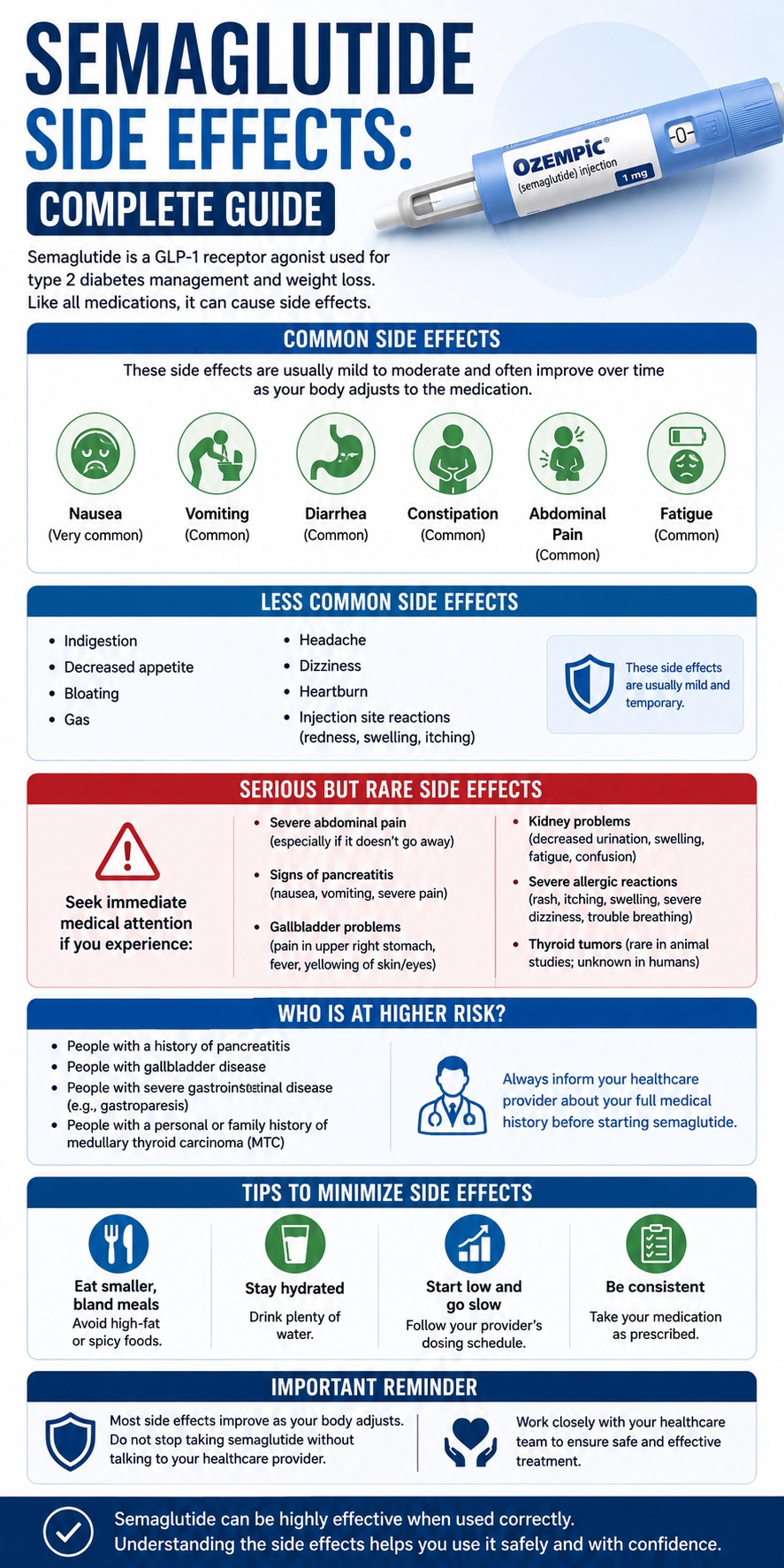
Semaglutide commonly causes nausea, diarrhea, vomiting, constipation and abdominal discomfort. Mild digestive symptoms may occur during initiation or dose escalation. Severe or persistent symptoms should not be assumed to be a normal adjustment.
| Symptom | What it may mean | Next step |
|---|---|---|
| Mild nausea, early fullness, burping | Common gastrointestinal effects | Try smaller meals and contact your prescriber if intake is affected |
| Constipation or diarrhea | Intake and digestive changes; dehydration may worsen symptoms | Review food, fluid intake and a symptom plan with your care team |
| Persistent severe abdominal pain, with or without vomiting | Possible pancreatitis or another serious abdominal problem | Seek urgent assessment |
| Upper abdominal pain, fever or jaundice | Possible gallbladder disease | Seek prompt medical assessment |
| Very little urine, faintness, repeated vomiting | Possible dehydration or kidney injury | Seek urgent care |
| Shaking, sweating, confusion with insulin/sulfonylureas | Possible low blood glucose | Follow your glucose treatment plan; severe symptoms need emergency care |
| Facial/throat swelling or trouble breathing | Possible serious allergic reaction | Get emergency help |
Symptoms may begin after the first doses or a dose increase, but timing varies. They often ease as treatment continues; there is no guaranteed number of days. Persistent vomiting, inability to eat enough or ongoing bowel changes warrant review before further escalation.
Track the dose date, meals, fluid intake, bowel movements and glucose if relevant. This helps your clinician distinguish medicine effects from other causes.
Eat slowly, use smaller portions and stop before feeling overfull. Try low-fat, mild foods; avoid large fatty meals if they trigger symptoms. Take frequent small sips of fluid. Increase fiber gradually for constipation only when you can drink enough and have no obstruction symptoms.
Ask your prescriber whether escalation should be delayed or treatment adjusted. Do not increase, skip or change doses based on an online guide. A pharmacist or clinician can advise whether a nausea medicine or laxative is suitable.
Discuss a history of diabetic retinopathy: rapid improvement in glucose may worsen existing eye disease in some patients. New vision changes need prompt assessment. For weight-management treatment, stop semaglutide at least 2 months before a planned pregnancy in consultation with your clinician.
Both medicines carry a thyroid C-cell tumor boxed warning based on animal findings and must not be used with personal/family medullary thyroid carcinoma or MEN 2. Tell the care team about severe gastroparesis and any planned anesthesia or sedation.
Seek urgent medical care for severe or persistent abdominal pain, repeated vomiting with inability to keep fluids down, fainting, or very little urine. Trouble breathing or swelling of the face or throat is an emergency. Severe bloating with vomiting or inability to pass stool or gas also needs urgent assessment.
For mild nausea, try smaller meals, eat slowly, and stop when comfortably full. Avoid foods that you notice worsen symptoms. Sip fluids regularly; if you have a medical fluid restriction, follow your clinician’s advice.
Contact your prescriber if symptoms persist, interfere with eating or drinking, or return after a dose increase. Ask before using a laxative or anti-nausea medicine. Do not increase your dose while struggling with side effects without discussing the plan with your prescriber.
Stop semaglutide and get urgent medical assessment for severe, persistent abdominal pain, which may spread to your back, with or without vomiting. This can be a sign of pancreatitis. Stop the medicine and seek emergency help for swelling of the face, lips, tongue or throat, difficulty breathing, or fainting that may signal a serious allergic reaction.
Seek prompt care for repeated vomiting, inability to keep fluids down, very little urine, or severe dizziness. Dehydration can contribute to kidney injury. Upper abdominal pain with fever, yellow skin or eyes, or pale stools needs prompt assessment for possible gallbladder problems.
If you take insulin or a sulfonylurea, discuss low-blood-sugar risk and your treatment plan. Confusion, seizures, or loss of consciousness require emergency help. Report new or worsening vision changes promptly, especially if you have diabetes.
Share the exact product name, dose, last dose date, when symptoms began, and whether you can eat and drink normally. Include all medicines and supplements, your blood glucose readings if relevant, and any recent dose changes.
Tell your care team about severe stomach-emptying problems, a history of pancreatitis or gallbladder disease, kidney problems, and diabetic eye disease. Wegovy is not recommended in severe gastroparesis. Its boxed warning concerns thyroid C-cell tumors seen in rodents; the human risk is unknown. It must not be used with a personal or family history of medullary thyroid carcinoma or MEN 2.
Discuss pregnancy plans before treatment; Wegovy labeling advises stopping at least two months before a planned pregnancy. Tell anesthesia and procedure teams that you take semaglutide because delayed stomach emptying may affect anesthesia safety. Follow their individualized instructions.
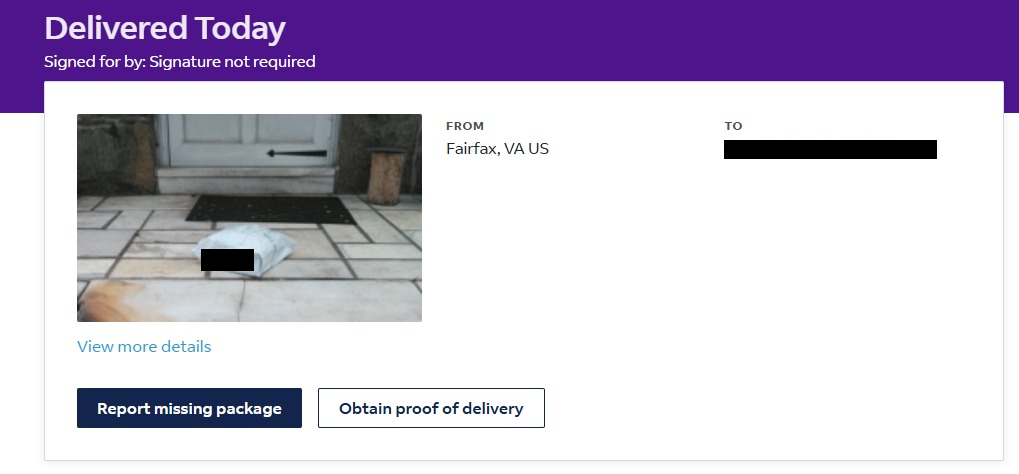
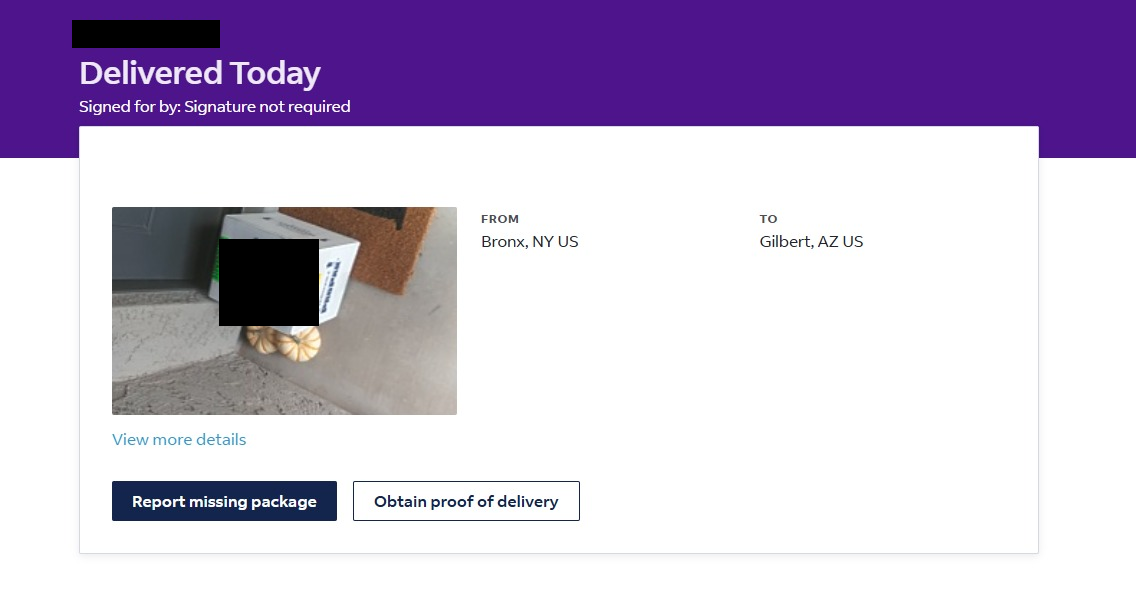
Medication delivery follows a prescription when clinically appropriate. Confirm the dispensing pharmacy, exact product, storage instructions, and shipment arrangements with your care team. Timing varies; the delivery examples below are past records and do not guarantee a delivery date or treatment outcome.
When a shipment arrives, check the label, product, dose, packaging, and storage instructions before use. Storage requirements vary by product and presentation. If it arrives damaged, appears frozen, or may have been outside its allowed temperature range, contact the dispensing pharmacy before using it. Do not guess the dose or use another product’s storage rules.
Patients usually get more value from medical review, fit assessment, and follow-up planning than from choosing a medication based only on headlines or social posts.
Our team considers your health history, goals, medication safety, and weight-related risks—not just a number on the BMI chart.
Lead Diabetes Care

Primary Care Support

Metabolic Health

Family Medicine Physician

Urgent Visit Care

Family Nurse Practitioner
If you already take semaglutide, contact your prescribing clinician about side effects and dose questions. If you are exploring care, share your medical history and current medicines in an eligibility assessment. A clinician determines whether treatment is appropriate.
For severe symptoms, seek urgent in-person care. An online assessment is not an emergency service.
Prescription and medication availability depend on clinical eligibility.
See some of the completed delivery confirmations shared by Doko Medical.
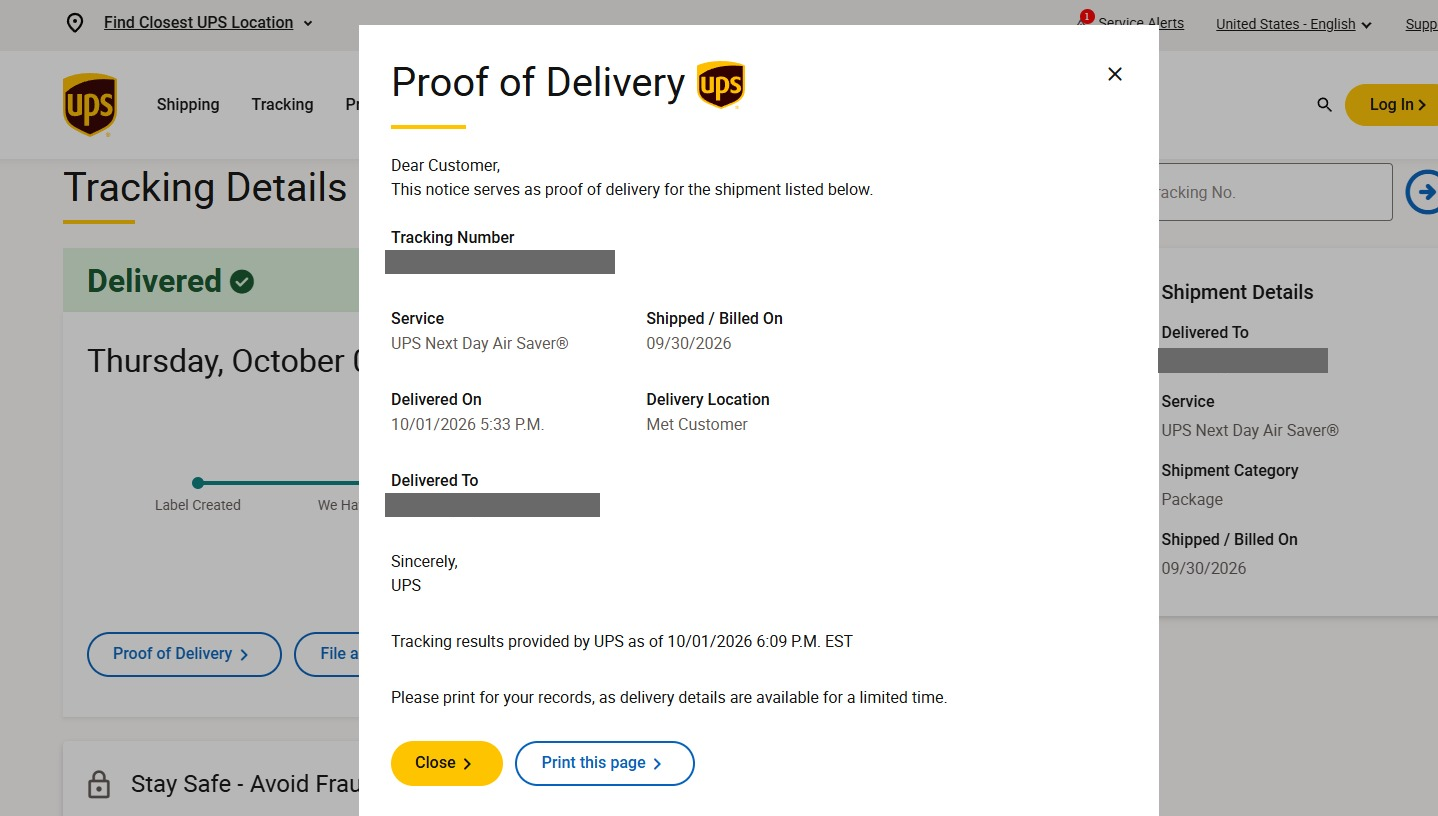
Destination state
Recipient details withheld
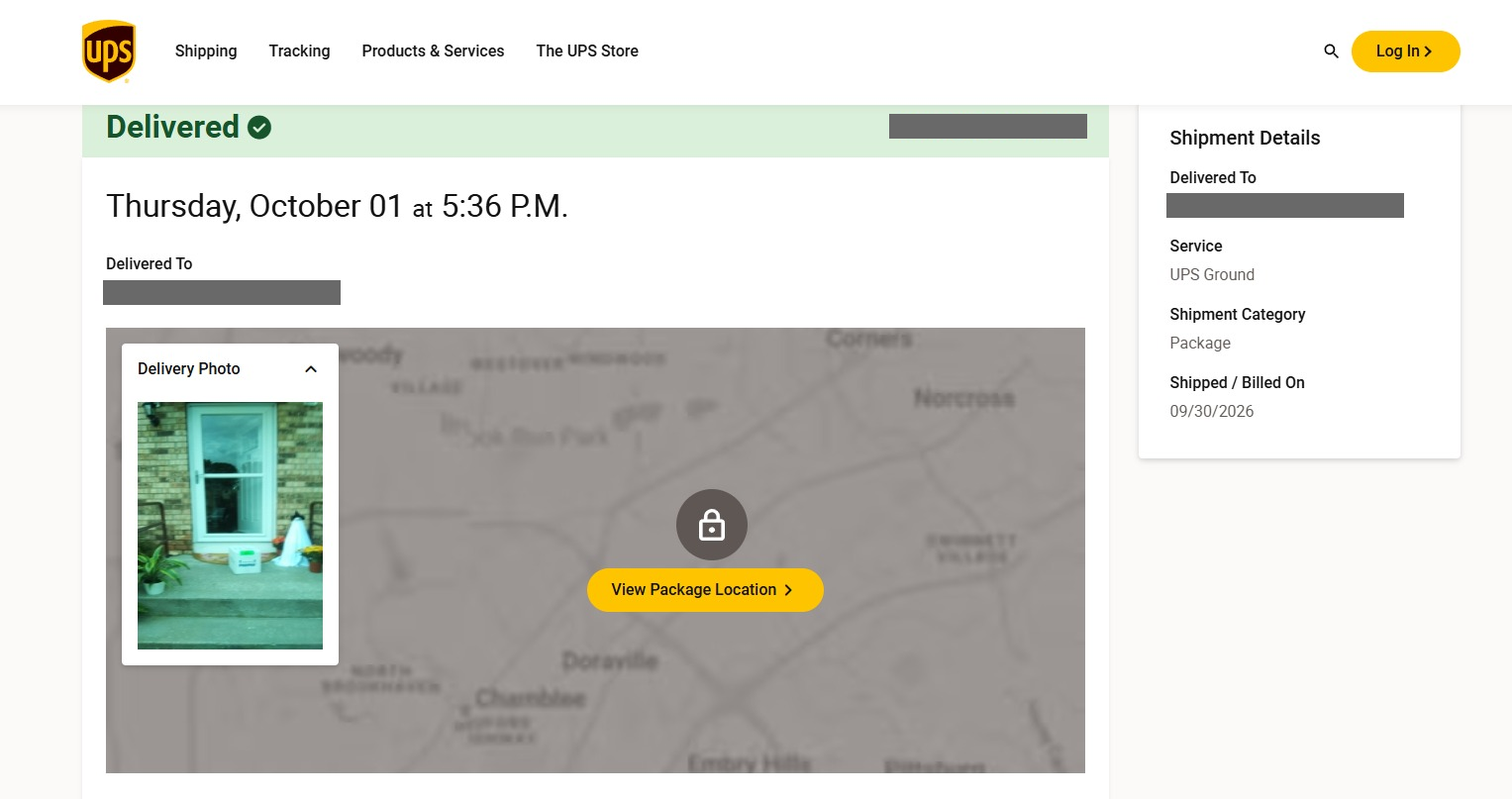
Destination state
Recipient details withheld
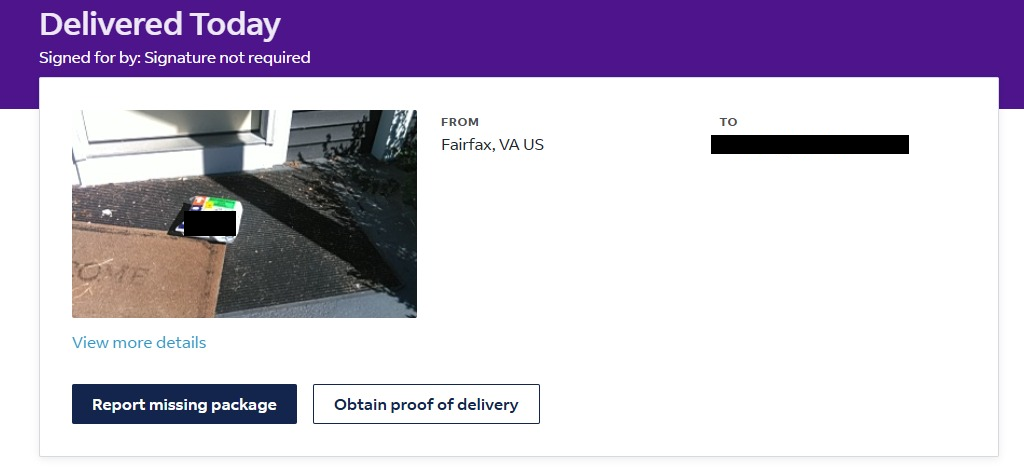
Destination state
Recipient details withheld
Destination state
Recipient details withheld
Destination state
Recipient details withheld