
Dr. Andrew Morel, MD
Lead Diabetes Care
Medicare may cover a continuous glucose monitor for people with type 2 diabetes who meet eligibility, documentation, and follow-up requirements.

Published: April 6, 2026
Last updated: October 1, 2026
Author: Doko MD Education Team
Clinical review: Medically reviewed by Dr. Fremlin Dekyi, MD. Reviewed: October 1, 2026.
Many patients with type 2 diabetes ask the same question before they start the paperwork process: will Medicare actually pay for a CGM? The short answer is yes, Medicare may cover a continuous glucose monitor and related supplies under Part B, but it is not automatic. Your clinician has to prescribe the device, your records have to support the need for it, and your supplier has to bill Medicare correctly.
The eligibility and receiver requirements below were checked against CMS guidance on October 1, 2026. Confirm your current benefits, supplier arrangements, and costs with your clinician, supplier, plan, or Medicare directly.
Yes—if you meet Medicare's requirements. Coverage is not limited to people with type 1 diabetes. People with type 2 diabetes may qualify through insulin treatment or documented problematic hypoglycemia.
According to Medicare.gov, continuous glucose monitors are covered under Medicare Part B as durable medical equipment when the patient is eligible. Medicare also notes that after the Part B deductible, patients typically pay 20% of the Medicare-approved amount if the supplier accepts assignment.
That does not mean every person with type 2 diabetes is automatically approved. The coverage rules focus on whether the patient meets the medical criteria and whether the prescribing clinician documents those criteria clearly enough for the claim to stand up.
Medicare.gov states that a person with diabetes may qualify for CGM coverage if a doctor or other health care provider prescribes the device and the patient either uses insulin or has a history of problematic hypoglycemia. CMS provider guidance is more specific and is useful because it shows what suppliers and contractors actually look for.
Based on current CMS guidance, initial coverage generally requires all of the following:
For patients with type 2 diabetes, that means insulin use is one common path to coverage, but it is not the only path. Medicare's current framework also allows coverage in certain hypoglycemia situations when the documentation is strong enough.
Under CMS LCD L33822, the non-insulin pathway requires either more than one level 2 event with glucose below 54 mg/dL (3.0 mmol/L) that persists after more than one attempt to adjust medication or the diabetes treatment plan, or at least one level 3 event with glucose below that threshold and an altered mental or physical state requiring another person to help treat it. These are Medicare documentation criteria; do not wait for this threshold to seek help for a suspected low.
The treating practitioner must document the qualifying events and, for recurrent level 2 events, the treatment adjustments that were attempted. Ask the clinician and supplier to check the supporting records against CMS Policy Article A52464.
Medicare requires use of a durable stand-alone receiver or a qualifying DME insulin pump to display CGM data. A smartphone may be used alongside the durable receiver, including on days when you use the phone instead. A phone-only system without a stand-alone receiver or qualifying pump does not meet the DME definition, and supply coverage requires use of the durable receiver or pump. Confirm the device and how you will use it with the supplier before ordering.
Coverage update: These eligibility and receiver details were checked against CMS LCD L33822 and Policy Article A52464 on October 1, 2026. Medically reviewed by Dr. Fremlin Dekyi, MD. Reviewed: October 1, 2026.
That matters because many patients assume "I sometimes feel low" is enough for coverage. It usually is not. Medicare contractors want clinical documentation that connects the symptoms, the readings, and the treatment plan to the need for CGM.
In practice, coverage often depends as much on the charting as on the diagnosis itself. A strong record usually includes the diabetes diagnosis, current treatment, the reason CGM is being ordered, and a note that the patient has been evaluated in the required timeframe.
Patients should expect the clinician and supplier to pay attention to these details:
Many denials and delays happen because one piece of the process is incomplete, not because CGM is never covered. Common problems include an outdated visit note, vague documentation about low blood sugar history, missing prescription details, or a supplier issue.
CMS also says continued coverage requires ongoing follow-up. Their current guidance states that the treating practitioner must document an in-person or Medicare-approved telehealth follow-up every 6 months to confirm adherence and ongoing medical necessity. If that follow-up is missing, continued supply claims can be at risk.
Medicare.gov says CGM is covered under Part B and that, after the deductible, patients generally pay 20% of the Medicare-approved amount when the supplier accepts assignment. The actual amount can still vary depending on whether the patient has secondary insurance, whether the supplier participates in Medicare, and how the equipment is billed.
Before ordering, ask whether the DME supplier is enrolled in Medicare, accepts assignment for your CGM and supplies, and will provide a written estimate after your deductible and any secondary coverage. Medicare Advantage members should also confirm network and authorization requirements with their plan.
If paperwork is incomplete, ask the clinician and supplier to correct and resubmit it. If a formal denial has been issued, read the notice for its reason, appeal route, and deadline. Correcting paperwork and filing an appeal are different steps; resubmission does not replace an appeal deadline.
If a patient has Original Medicare, the Medicare Part B rules are the core framework. If the patient has a Medicare Advantage plan, the plan still has to cover Medicare-covered services, but prior authorization steps, supplier networks, and cost-sharing details may differ. That is why two patients with similar diabetes histories can have very different administrative experiences.
This is an inference from Medicare's structure rather than a separate new coverage rule: even when the underlying benefit exists, Medicare Advantage members may still need to verify network and plan-specific requirements before they assume the process will match Original Medicare exactly.
Patients often get stuck between the clinic, the supplier, and the insurer. The most common friction points are missing documentation, uncertainty about who should submit what, and confusion about whether a patient actually meets the coverage standard. That is where structured insurance support can save time.
If you are trying to understand whether you may qualify for CGM, or why a prior request stalled, our team can help you understand the next steps and connect coverage questions back to the actual diabetes care plan.
Clear answers based on current official guidance.
Medicare may cover a CGM and related supplies when a clinician prescribes it and the beneficiary meets eligibility, training, device-use, visit, and documentation requirements.
No. Current CMS guidance also provides a pathway for beneficiaries with documented problematic hypoglycemia that meets specific criteria.
Potentially. Records must document recurrent qualifying level 2 hypoglycemia despite treatment adjustments, or a qualifying level 3 event requiring help from another person.
CMS guidance requires an in-person or Medicare-approved telehealth visit every six months to document adherence and continued medical necessity.
After the Part B deductible, beneficiaries generally pay 20% of the Medicare-approved amount when the supplier accepts assignment. Medigap, Medicare Advantage, or other insurance can affect the final amount.
Medicare Advantage plans must cover Medicare-covered services, but authorization, network, approved supplier, and cost-sharing rules may vary. Contact the plan before ordering.
CMS permits an in-person or Medicare-approved telehealth visit when evaluating initial eligibility and for the required six-month follow-ups.
Frequent causes include missing or outdated visit notes, incomplete eligibility documentation, prescription problems, or supplier enrollment and billing issues.
Use a Medicare-enrolled DME supplier or pharmacy that can bill the benefit correctly. Ask whether the supplier participates in Medicare and accepts assignment before ordering.
Connect online with experienced clinicians providing diabetes care, urgent care, weight loss support, and ongoing virtual healthcare.
Lead Diabetes Care

Primary Care Support

Metabolic Health

Preventive Care

Urgent Visit Care

Board-Certified Family Nurse Practitioner
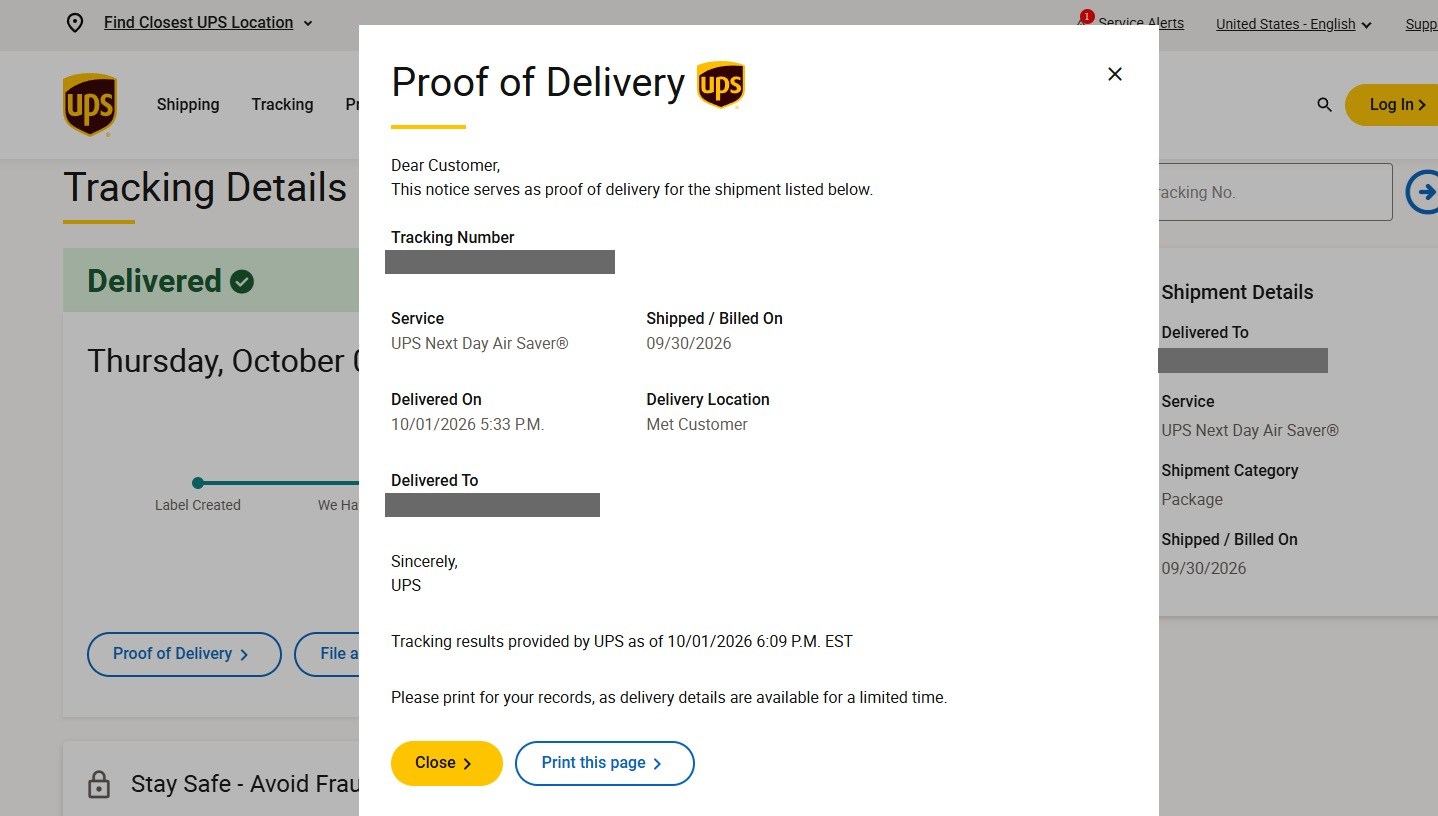
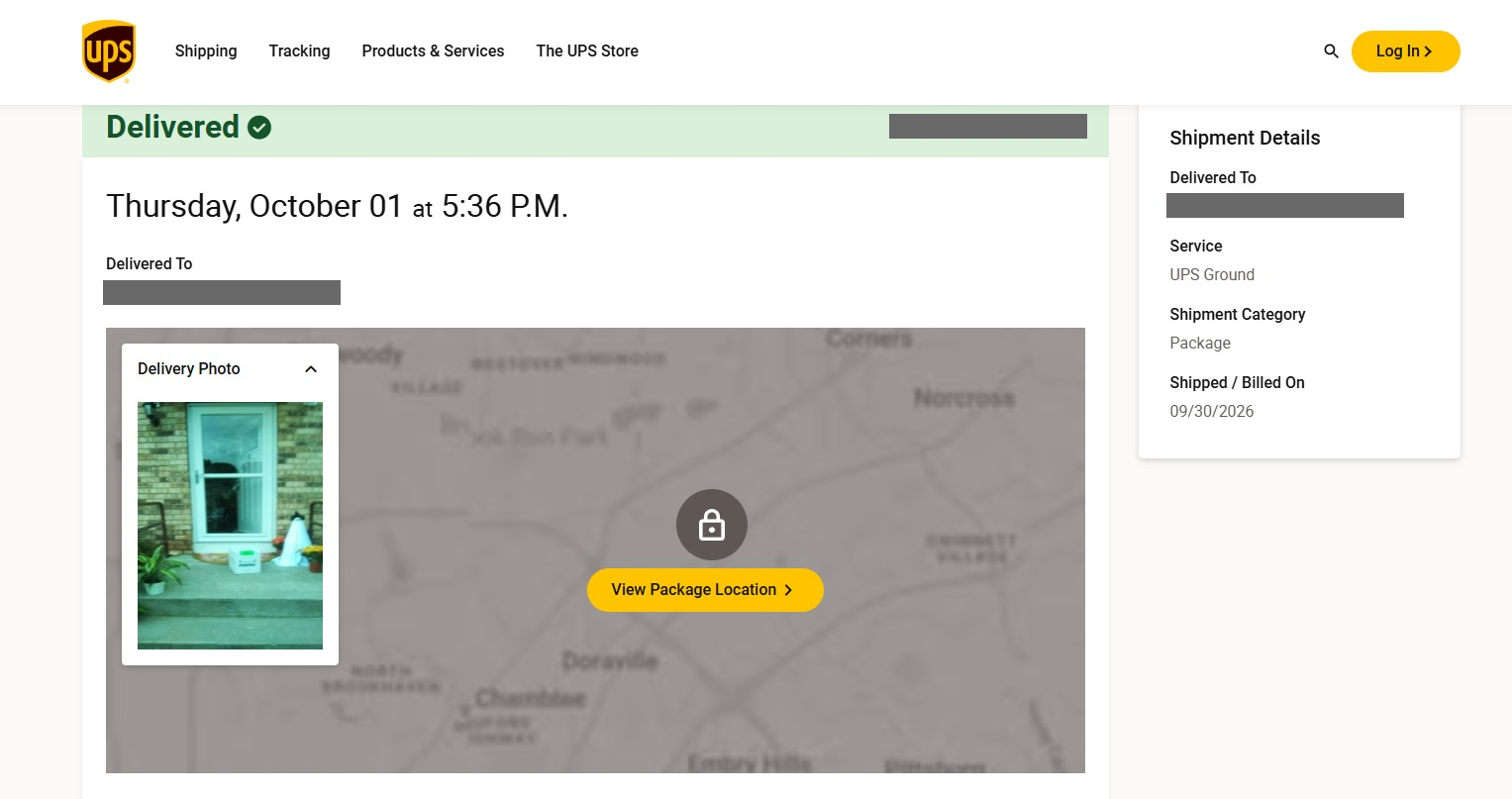
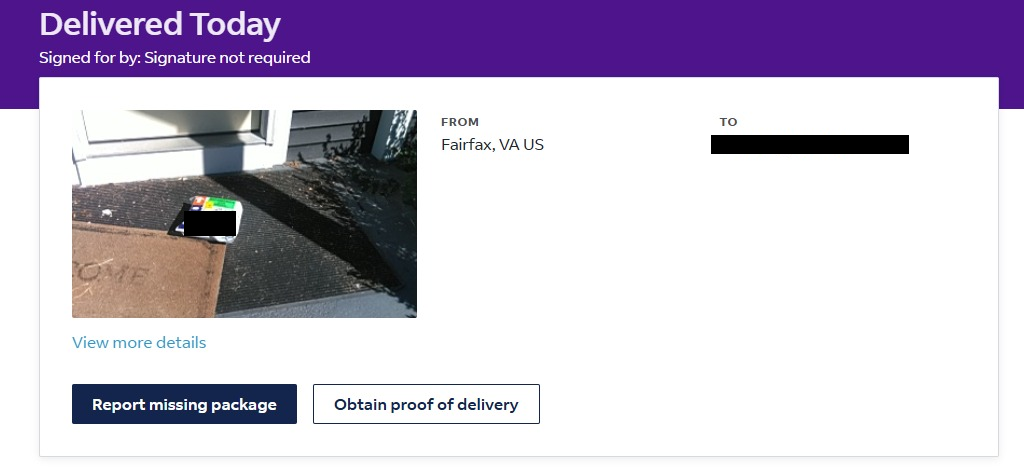
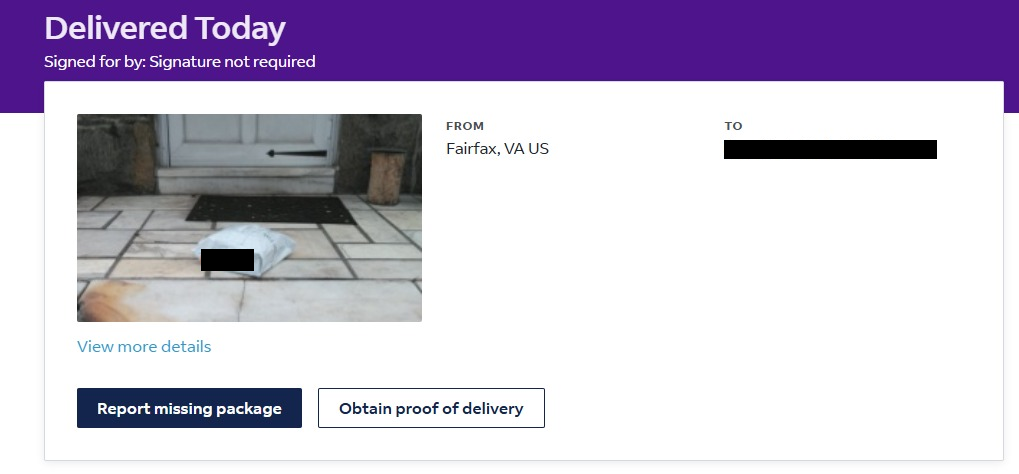
See some of the completed delivery confirmations shared by Doko Medical.
Destination state
Recipient details withheld
Destination state
Recipient details withheld
Destination state
Recipient details withheld
Destination state
Recipient details withheld
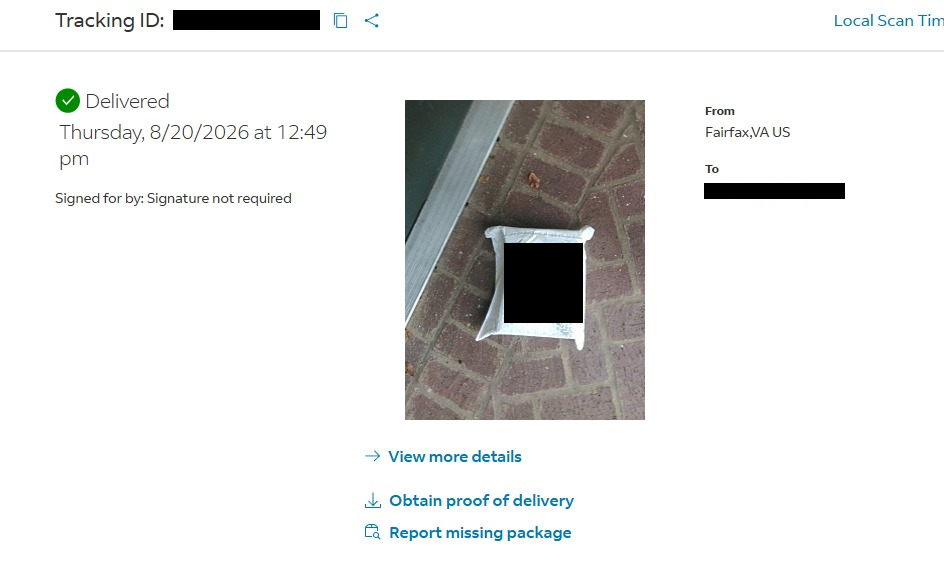
Destination state
Recipient details withheld