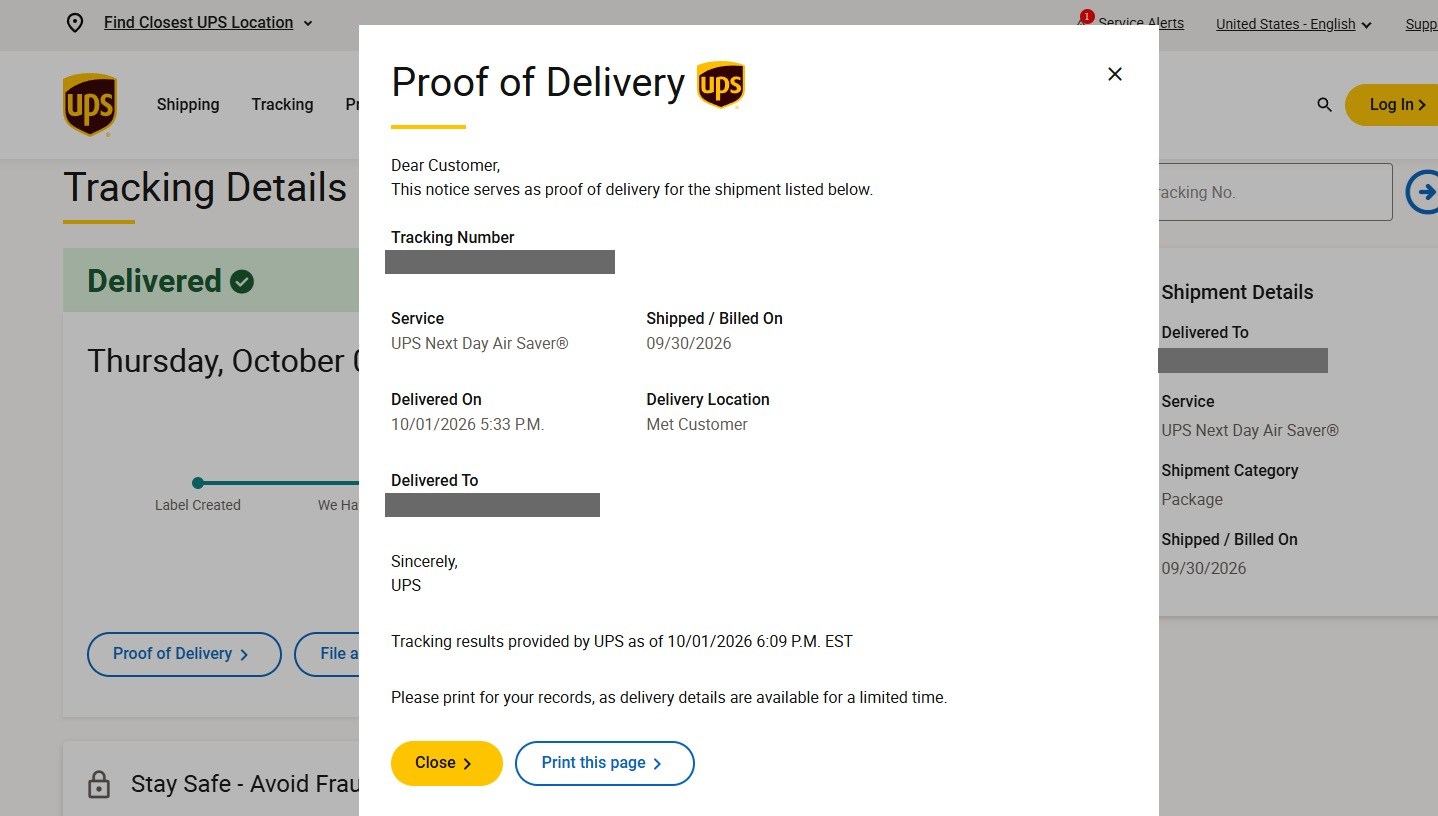
Delivered
Michigan
Destination state
Carrier-confirmed deliveryThe supplied tracking record shows this shipment as delivered.
Recipient details withheld
CGM approval usually depends on documentation, plan rules, and using the right insurance pathway, not just on wanting the device.
Explore Supply Coverage
Published: April 6, 2026
Last updated: April 6, 2026
Author: Doko MD Education Team
Clinical review: Doko MD Clinical Review Team
Many patients assume that qualifying for a continuous glucose monitor is simply a matter of getting a prescription. In reality, insurance approval usually depends on several moving parts: your diabetes history, your current treatment plan, the insurer's criteria, the clinician's documentation, and whether the request goes through the correct supplier or pharmacy workflow.
Most plans want more than a general statement that CGM would be helpful. They typically want to understand why the device is medically appropriate for the patient right now. That often means reviewing the diagnosis, current medications, glucose patterns, risk of high or low blood sugar, and whether the requested device fits the plan's rules.
Not always. Some patients qualify because they use insulin, but that is not the only possible path. Coverage can also depend on recurrent glucose problems, safety concerns, or plan-specific criteria. The exact standard differs across Medicare, Medicare Advantage, Medicaid, and private insurance.
That means it is risky to rely on a blanket statement like "insurance only covers CGM if you use insulin." In many cases the better question is whether the submitted documentation fits the insurer's current standard.
From a practical standpoint, many delays come from missing or incomplete documentation rather than outright ineligibility. A strong request usually includes a recent chart note, a prescription, and clear medical-necessity language that explains how CGM supports safer or more effective diabetes management.
Most CGM approval delays fall into one of a few common categories:
Patients often lose time because each part of the process points somewhere else. A clinic may say the supplier has the order, the supplier may say the insurer needs more information, and the patient may not know what is actually missing. Doko MD helps clarify the path and reduce that back-and-forth.
Not always. Some plans may cover CGM for patients who are not using insulin, but the exact criteria depend on the insurer and the documentation submitted.
Insurers often want a recent clinician note, diagnosis details, proof of medical necessity, current treatment information, and a prescription for the device.
Requests are often delayed because of missing chart notes, incomplete prior authorization forms, unclear medical necessity language, or supplier network issues.
See some of the completed delivery confirmations shared by Doko Medical.
Destination state
Recipient details withheld
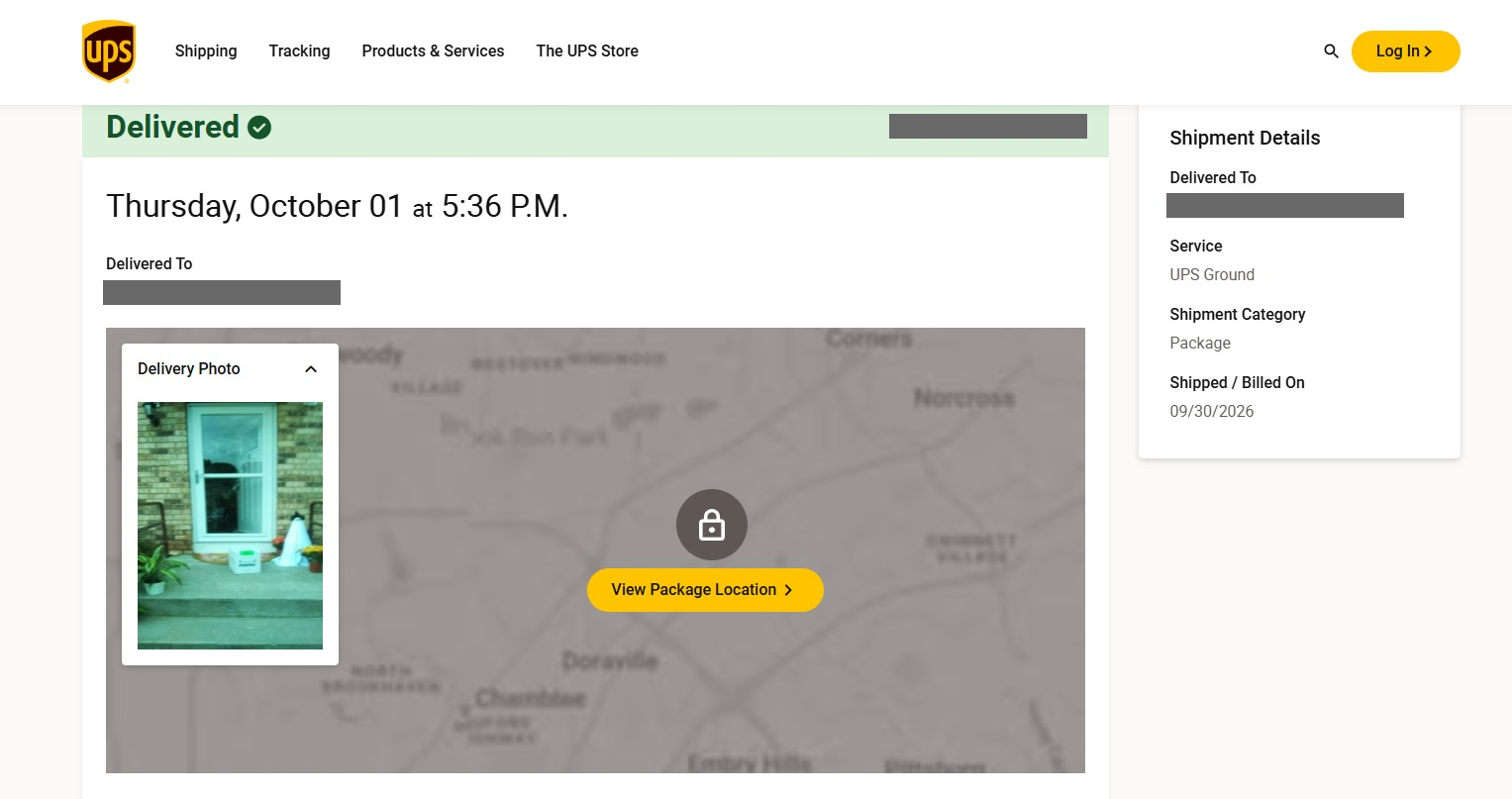
Destination state
Recipient details withheld
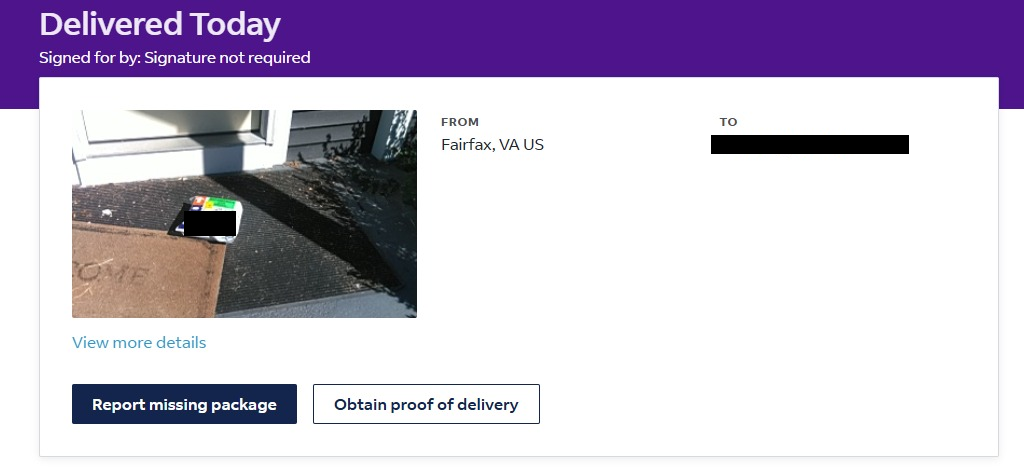
Destination state
Recipient details withheld
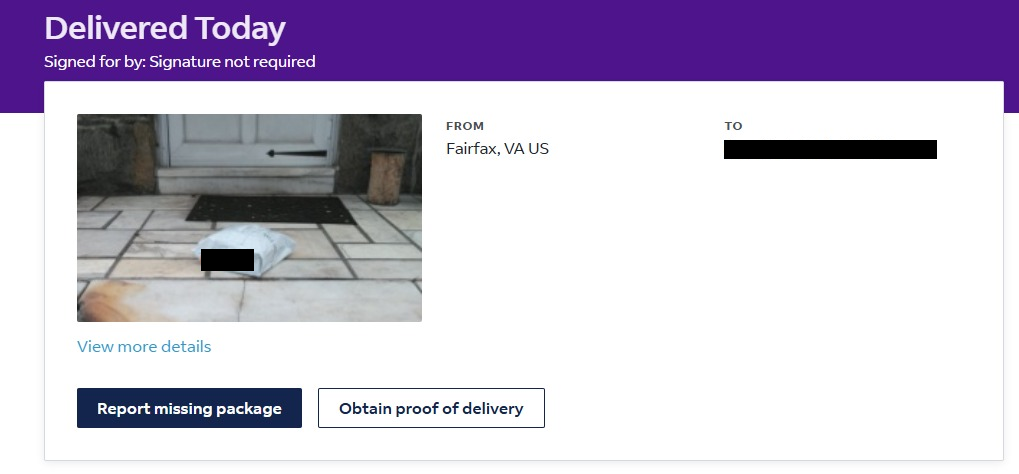
Destination state
Recipient details withheld
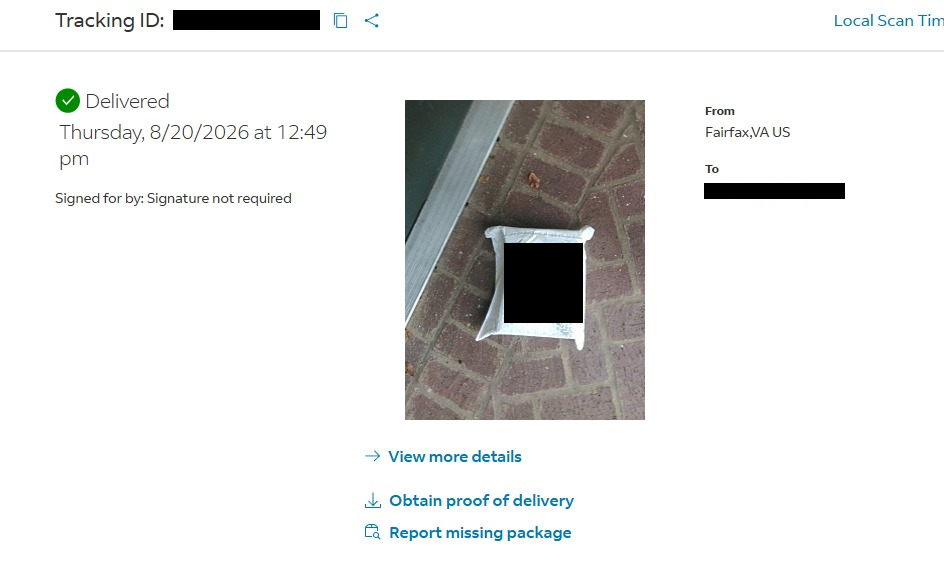
Destination state
Recipient details withheld