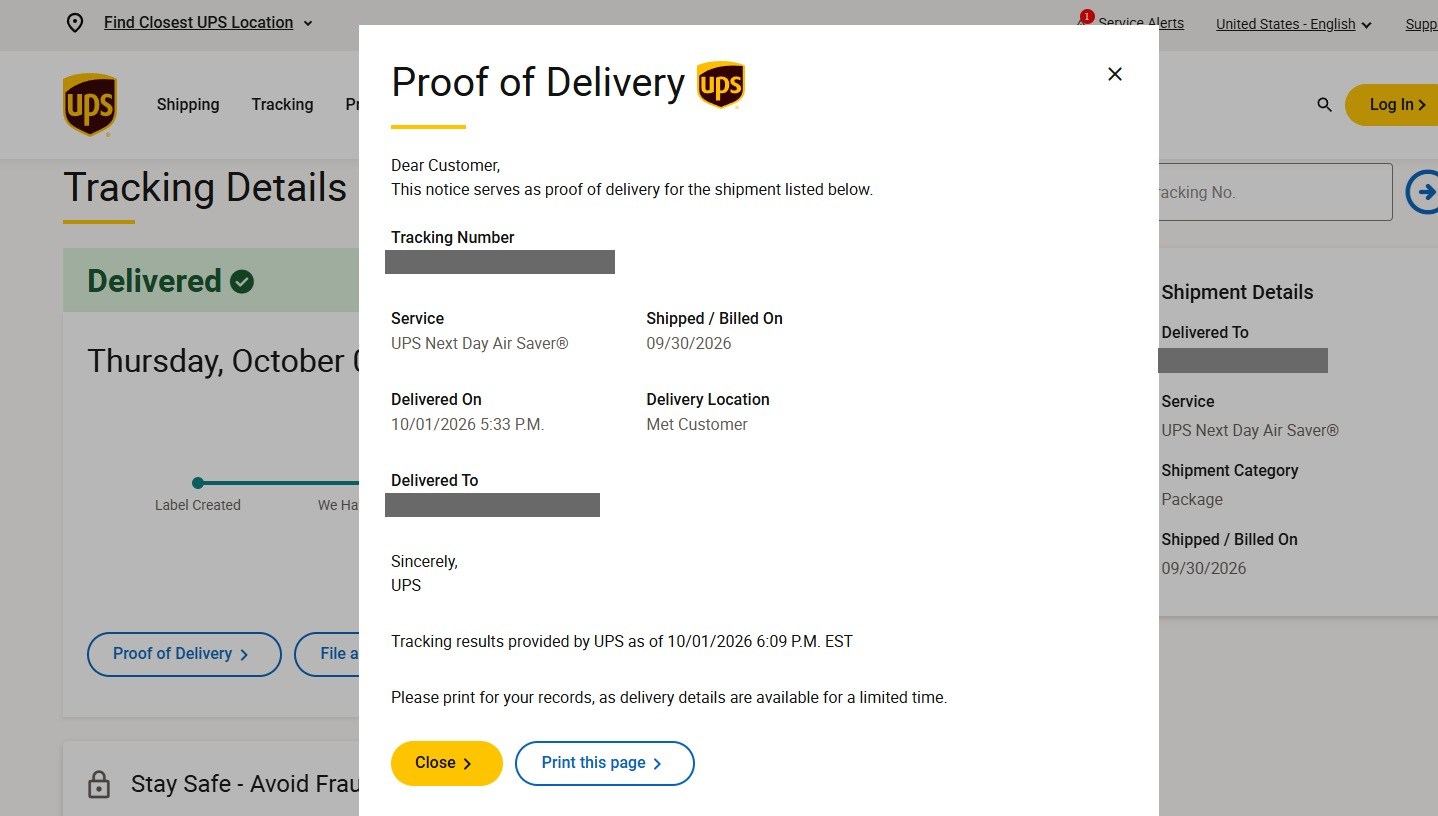
Delivered
Michigan
Destination state
Carrier-confirmed deliveryThe supplied tracking record shows this shipment as delivered.
Recipient details withheld
Lowering A1C usually comes from better daily glucose control, not one quick fix.
Explore A1C Support
Published: April 7, 2026
Last updated: April 7, 2026
Author: Doko MD Education Team
Clinical review: Doko MD Clinical Review Team
Patients who search for how to lower A1C usually want a realistic plan, not generic advice. A1C reflects average blood sugar over the past two to three months, so lowering it means improving the daily patterns that drive that average. The most useful approach is to identify where glucose is staying high, which routines are contributing most, and whether treatment needs to be reviewed instead of waiting for the next lab result.
Most A1C improvement comes from a combination of more consistent meals, better glucose review, medication adherence, activity changes, and follow-up when numbers are not moving in the right direction. Patients often assume the answer is one major diet change, but steady progress usually comes from fixing repeated daily patterns first.
A1C can stay elevated for different reasons. For some patients the main issue is fasting blood sugar. For others it is post-meal spikes, missed doses, inconsistent eating schedules, or glucose swings overnight. That is why daily pattern review is more useful than broad advice alone. Patients make faster progress when they know exactly where the problem is happening.
Some patients improve A1C substantially through food choices, activity, weight loss, and better routine consistency. But "naturally" does not always mean "without medical support." Many patients also need medication review, CGM interpretation, or structured follow-up to lower A1C safely and more predictably.
If A1C remains above target, fasting blood sugar keeps rising, or the current plan feels hard to sustain, treatment should be reviewed. Waiting too long often leads to more frustration and a wider gap between current numbers and long-term goals.
Patients often work hard and still see little movement because the plan is targeting the wrong problem. Some focus only on fasting numbers when the bigger issue is after meals. Others make major weekday changes but lose consistency on weekends. Another common problem is staying on a regimen that no longer fits current glucose patterns. A1C usually improves faster when the effort is tied to the pattern that is actually driving the average up.
Most people need a shorter feedback loop than the next lab draw. Progress often shows up first as fewer after-meal spikes, steadier fasting readings, better time in range, or more consistent routines. Those signs matter because they usually move before the formal A1C result does. Tracking those earlier signals helps patients stay engaged and helps clinicians decide whether the current plan should continue or change.
A1C reflects roughly the prior two to three months of glucose, so patients usually need several weeks of more stable daily readings before a clear lab improvement appears.
CGM often helps because it shows where glucose is running high, when spikes happen, and whether routines or medications are working as expected.
A1C should be reviewed when it stays above target, daily glucose patterns are worsening, or the current plan feels too hard to follow consistently.
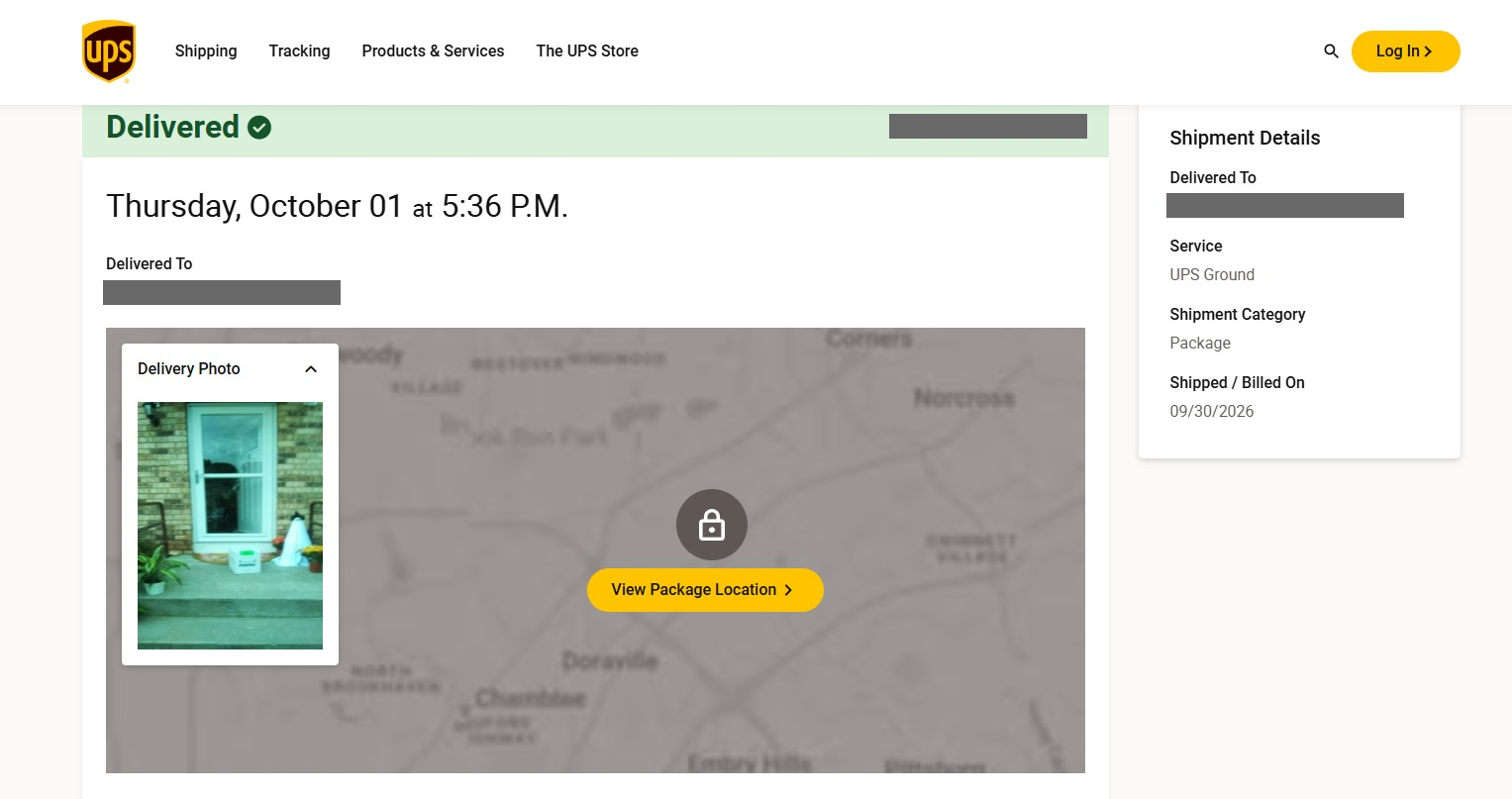
See some of the completed delivery confirmations shared by Doko Medical.
Destination state
Recipient details withheld
Destination state
Recipient details withheld
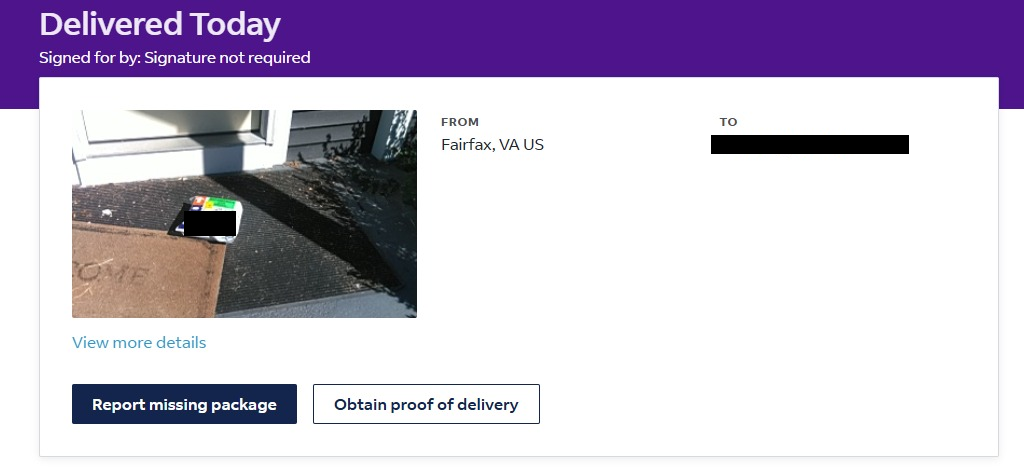
Destination state
Recipient details withheld
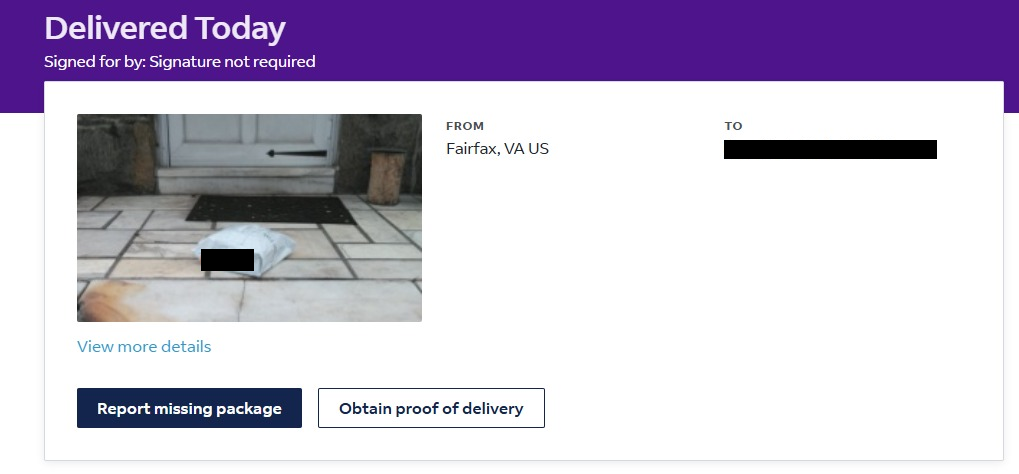
Destination state
Recipient details withheld
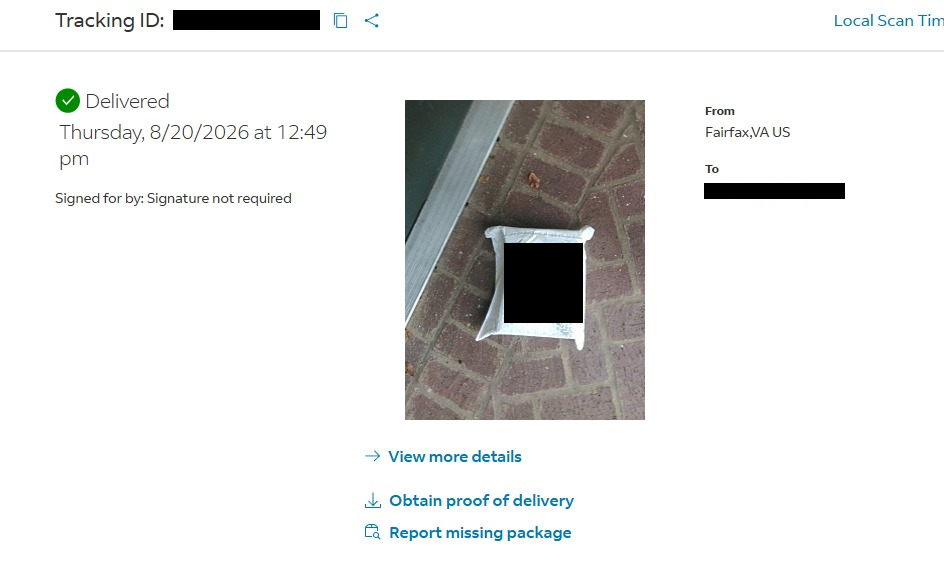
Destination state
Recipient details withheld