Choose an injection site
Use the abdomen at least two inches from the belly button, the front of the thigh, or the upper outer arm.
AbdomenThighUpper arm
Learn how to take and store your medication, what to expect as your dose changes, how to manage common side effects, and which symptoms need prompt medical care.
GLP-1 medications such as semaglutide and tirzepatide are typically given as subcutaneous injections—into the fatty tissue just beneath the skin, not into a muscle or vein. Use the medication exactly as prescribed and follow the instructions supplied with your specific pen.
Use the abdomen at least two inches from the belly button, the front of the thigh, or the upper outer arm.
Use a different spot each week. Repeatedly injecting in one location can increase irritation or small lumps beneath the skin.
Follow your prescribed dosing and dose-escalation plan. Never increase, decrease, or stop your dose without speaking with your clinician.
Injection steps, missed-dose rules, and storage limits can differ by brand and formulation. Read the medication guide and ask your pharmacist or clinician if anything is unclear.
Correct storage helps preserve medication effectiveness. Always check the product label because storage instructions and permitted room-temperature periods vary.
Ask your pharmacist or healthcare provider how to transport your specific medication safely and review the manufacturer’s travel guidance.
GLP-1 medications slow stomach emptying and reduce appetite. Beginning at a low dose gives your digestive system time to adapt and may reduce nausea, vomiting, and stomach discomfort. During the first several weeks, the goal is often tolerance—not maximum weight loss.
Your body begins adapting. Appetite changes may be subtle.
Your clinician considers tolerance, symptoms, and response before changes.
Results build with consistency, nutrition, movement, sleep, and follow-up.
A possible monthly pace for some patients—not a promise or a target that fits everyone.
Some people lose 1–2 pounds a month, others 3–5 pounds, and some 10 pounds or more. Others may lose little at first. A slower, steady pace may be easier to sustain and can help support lean muscle when paired with adequate protein and strength training.
Lower starting doses are designed to improve tolerance. More noticeable results may follow later dose increases and continued lifestyle changes. Speak with your clinician before changing treatment.
GLP-1 medications are not appropriate for everyone. Tell your prescriber about your complete health history, medications, allergies, pregnancy plans, and any changes in your health.
A personal or family history of medullary thyroid carcinoma or multiple endocrine neoplasia syndrome type 2 is a key contraindication for several GLP-1 medicines.
Notify your clinician if you are pregnant, breastfeeding, planning pregnancy, or become pregnant during treatment.
Your clinician should evaluate a history of pancreatitis or risk factors before deciding whether treatment is appropriate.
Gastroparesis, severe delayed stomach emptying, or significant gastrointestinal motility disorders may affect candidacy.
Do not use a medicine if you have had a serious allergic reaction to it or any of its ingredients.
Uncontrolled diabetes or thyroid disease and severe kidney or liver disease may require stabilization or additional evaluation.
Most side effects are digestive, are mild to moderate, and may improve with time. Contact your clinician when symptoms are persistent, severe, or concerning.
Detailed constipation guidance →
Your provider may recommend options such as senna/docusate, polyethylene glycol, or omeprazole in certain situations. The right choice depends on your symptoms, health history, and other medicines.
Stop and seek medical advice promptly for severe or persistent symptoms. If you believe you are having a medical emergency, call 911 or your local emergency service.
Severe abdominal pain, pain that radiates to the back, or persistent nausea and vomiting.
A neck lump or swelling, difficulty swallowing, or persistent hoarseness should be evaluated.
Inability to keep fluids down, severe vomiting, or persistent severe abdominal pain.
Allergic reaction, yellow skin or eyes, or severe constipation or diarrhea with dehydration.
Contact your healthcare provider promptly if you become pregnant during treatment.
Report a new medical condition, hospitalization, or meaningful change in your health.
Check your eligibility and connect with Doko MD to discuss whether a clinician-guided weight loss plan may be right for you.
Medical disclaimer: This guide is for general education and does not replace diagnosis, treatment, product labeling, or advice from your healthcare professional. GLP-1 medicines differ in their indications, dosing, contraindications, warnings, and storage requirements. Always follow the instructions for your specific prescription.
These guides have been medically reviewed and approved by Dr. Fremlin Dekyi, MD.
See some of the completed delivery confirmations shared by Doko Medical.
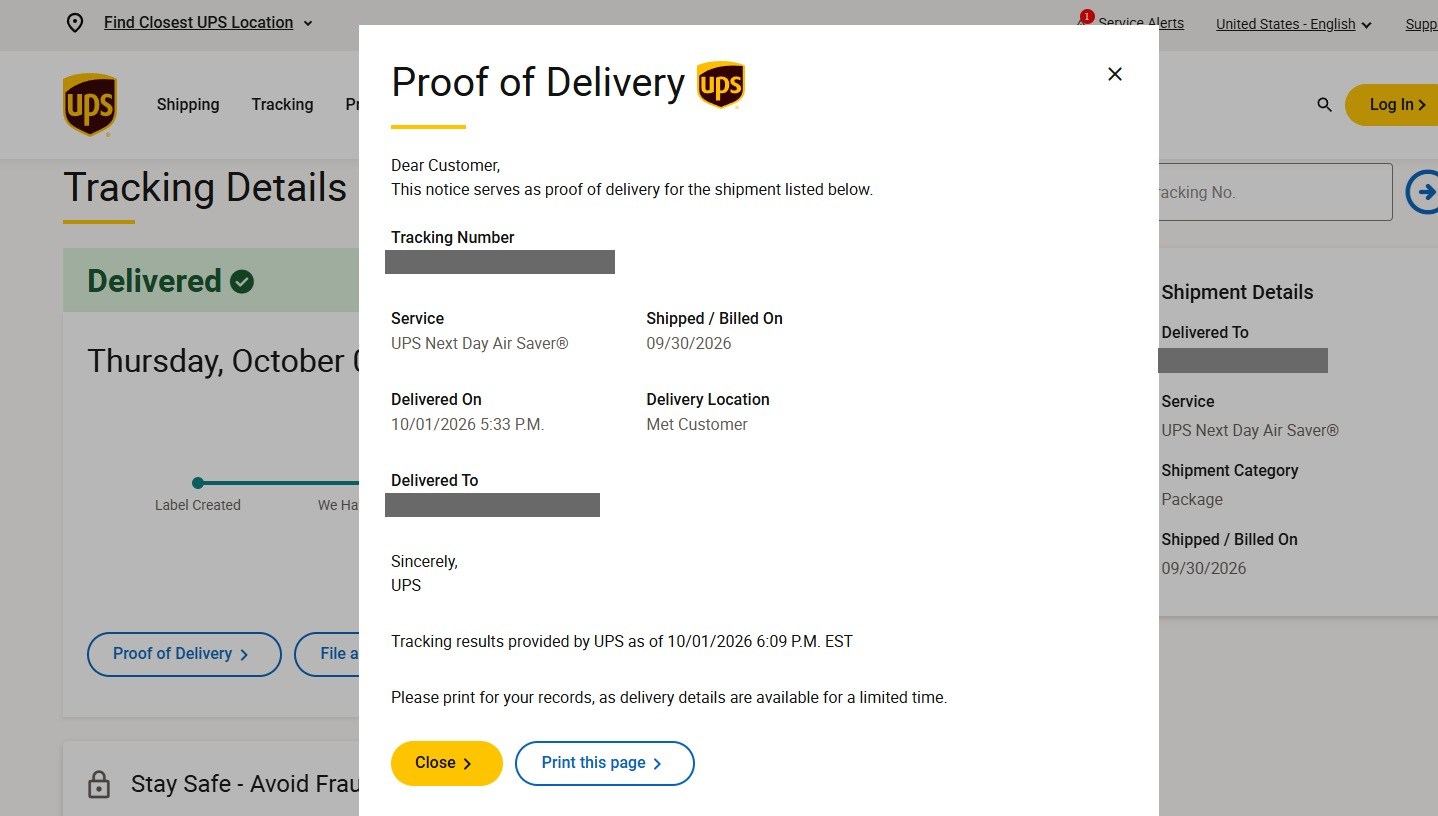
Destination state
Recipient details withheld
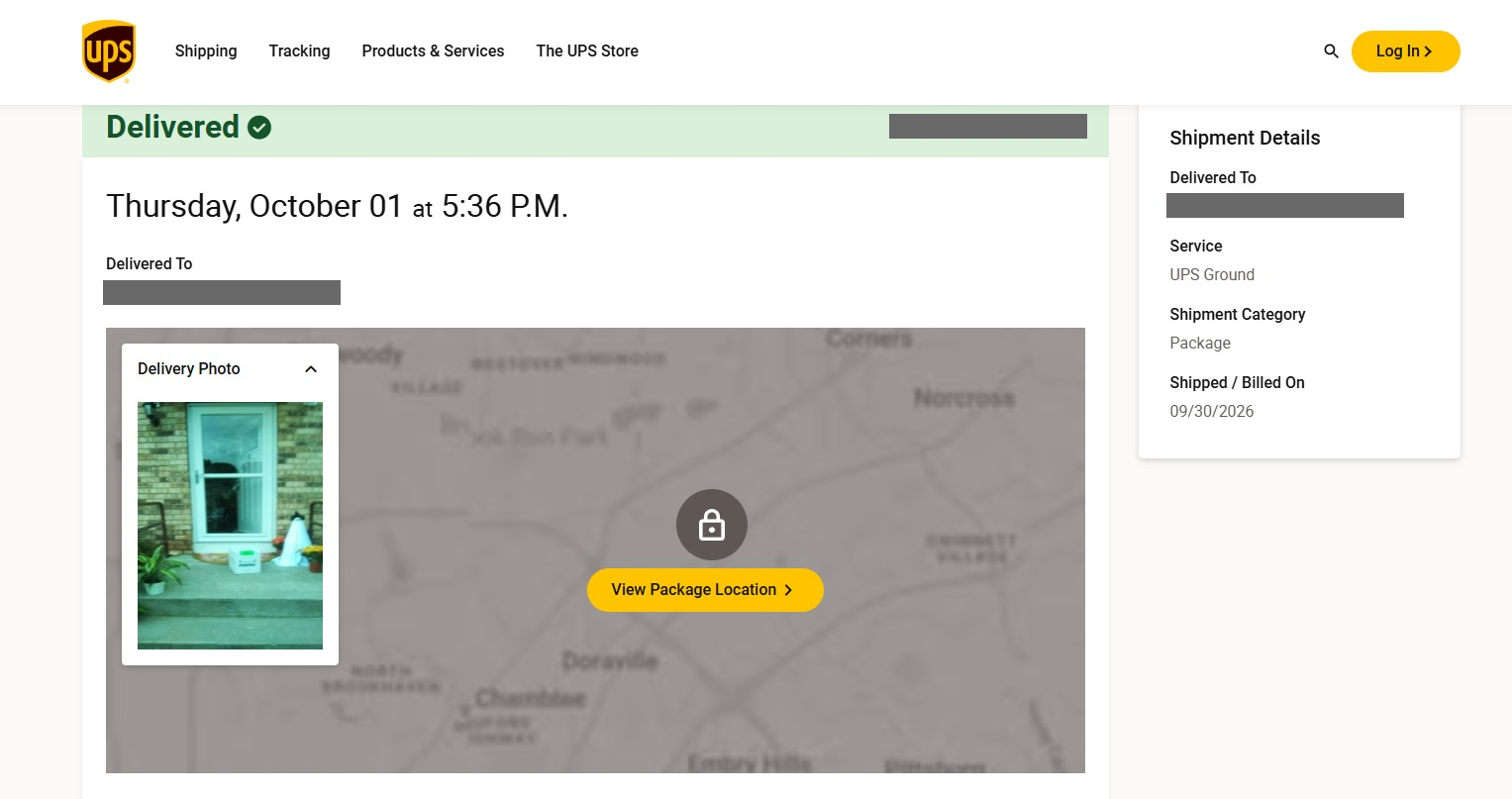
Destination state
Recipient details withheld
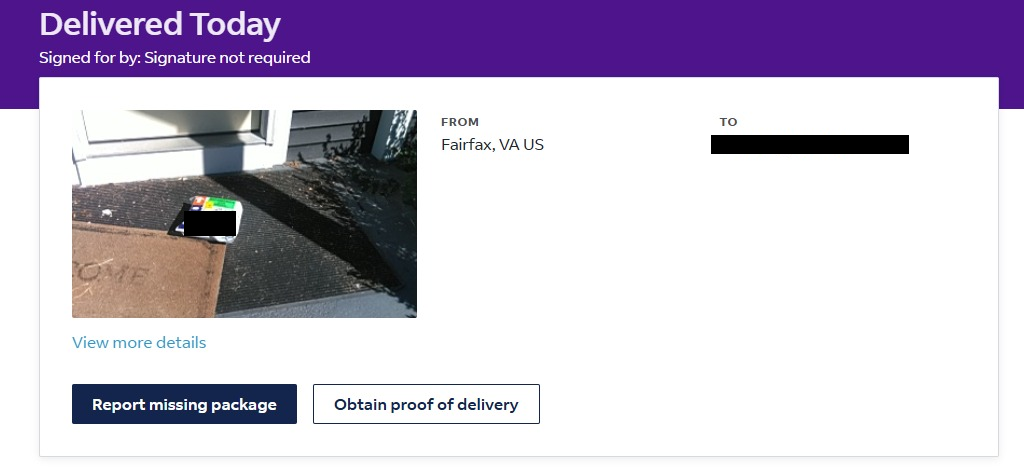
Destination state
Recipient details withheld
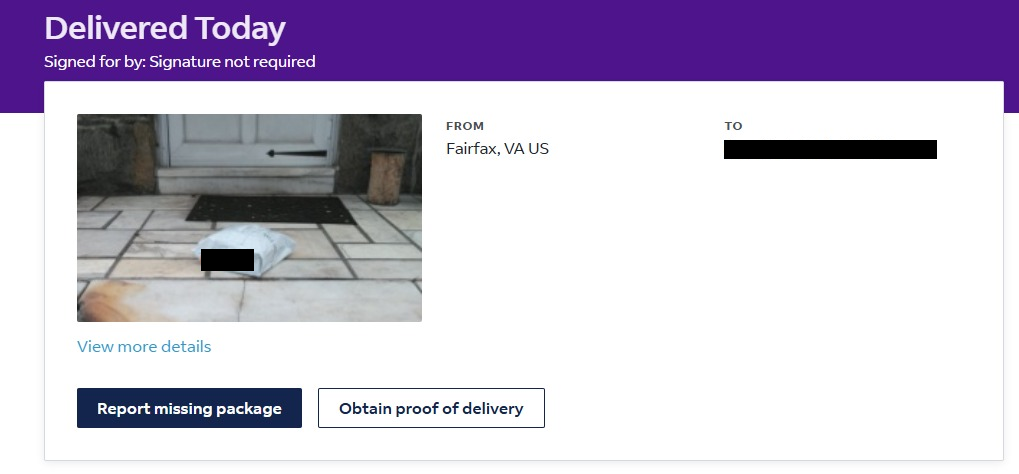
Destination state
Recipient details withheld
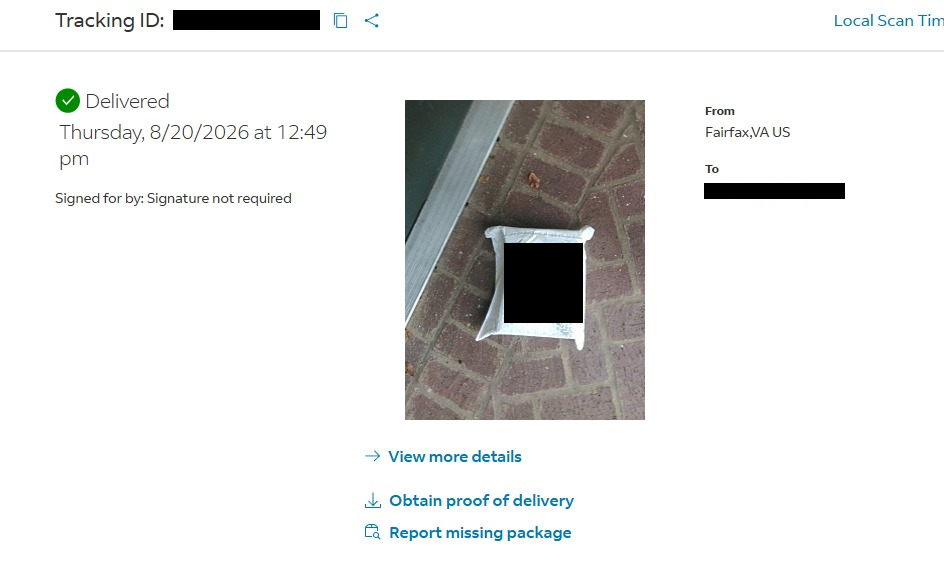
Destination state
Recipient details withheld