
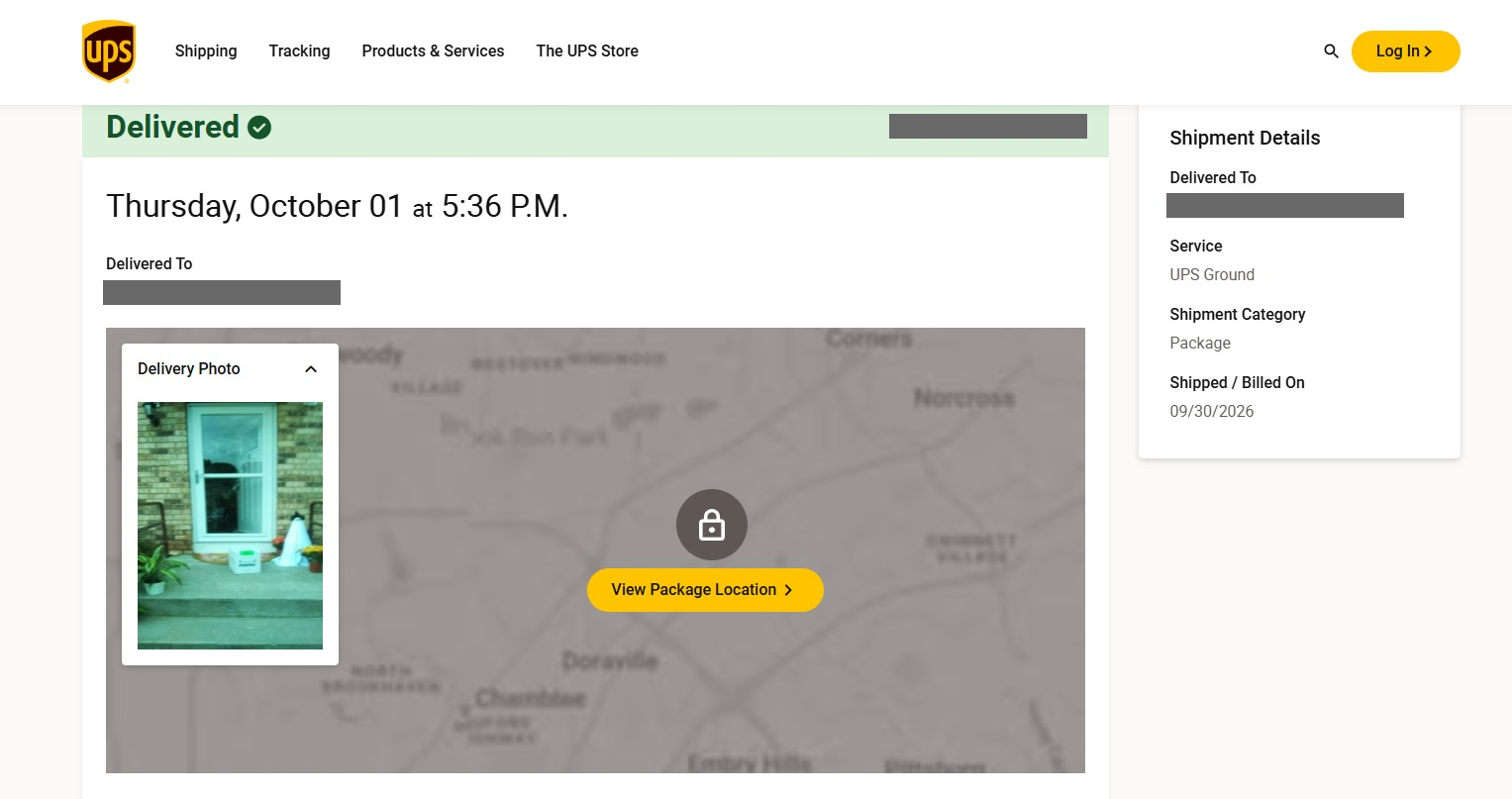
Delivered
Michigan
Destination state
Carrier-confirmed deliveryThe supplied tracking record shows this shipment as delivered.
Recipient details withheld
Food changes work best when they are realistic, repeatable, and connected to glucose patterns.
Explore Treatment Support
Published: April 7, 2026
Last updated: April 7, 2026
Clinical review: Doko MD Clinical Review Team
A strong diabetic diet is not about one perfect food list. It is about building meal patterns that help patients avoid repeated spikes, stay more consistent, and support long-term glucose goals. The most successful approaches usually focus on balance, portion awareness, meal timing, and foods patients can keep eating over time.
Many patients try to manage diabetes with broad food rules that are too strict to maintain. The result is often burnout or rebound eating. A better strategy is to review which meals create the biggest spikes and improve those first.
CGM and meter checks make diet changes more useful because patients can see which foods and portions affect them most. That turns eating advice into something measurable instead of abstract.
A realistic diabetic diet usually looks less dramatic than patients expect. Breakfast may pair protein with fiber-rich carbs instead of a large refined-carb meal. Lunch may focus on balanced portions rather than skipping food and overeating later. Dinner often works best when starches are moderated and meals are built around protein, vegetables, and timing consistency. The goal is not perfection. It is to create enough repeatable structure that blood sugar becomes easier to predict.
Many patients get stuck by cutting too many foods too quickly, relying on "sugar-free" labels without checking overall carbs, skipping meals and then overeating, or changing diet without checking how glucose actually responds. Another frequent mistake is copying a diet that worked for someone else without looking at personal blood sugar patterns. Data and consistency usually matter more than strict rules.
No. Many patients do better with balanced carb choices, portion awareness, and better timing rather than trying to eliminate every carbohydrate source.
Meal size, timing, activity, insulin resistance, sleep, medications, and the rest of the meal can all change how one food affects blood sugar.
Yes. Food changes are often more useful when patients also review glucose data, current medications, and whether the broader treatment plan still fits.
See some of the completed delivery confirmations shared by Doko Medical.
Destination state
Recipient details withheld
Destination state
Recipient details withheld

Destination state
Recipient details withheld

Destination state
Recipient details withheld
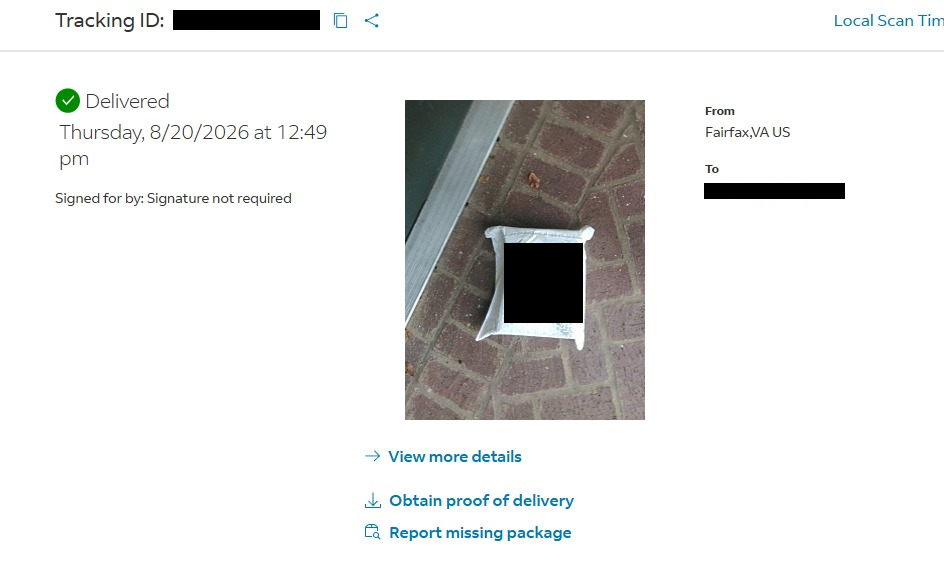
Destination state
Recipient details withheld