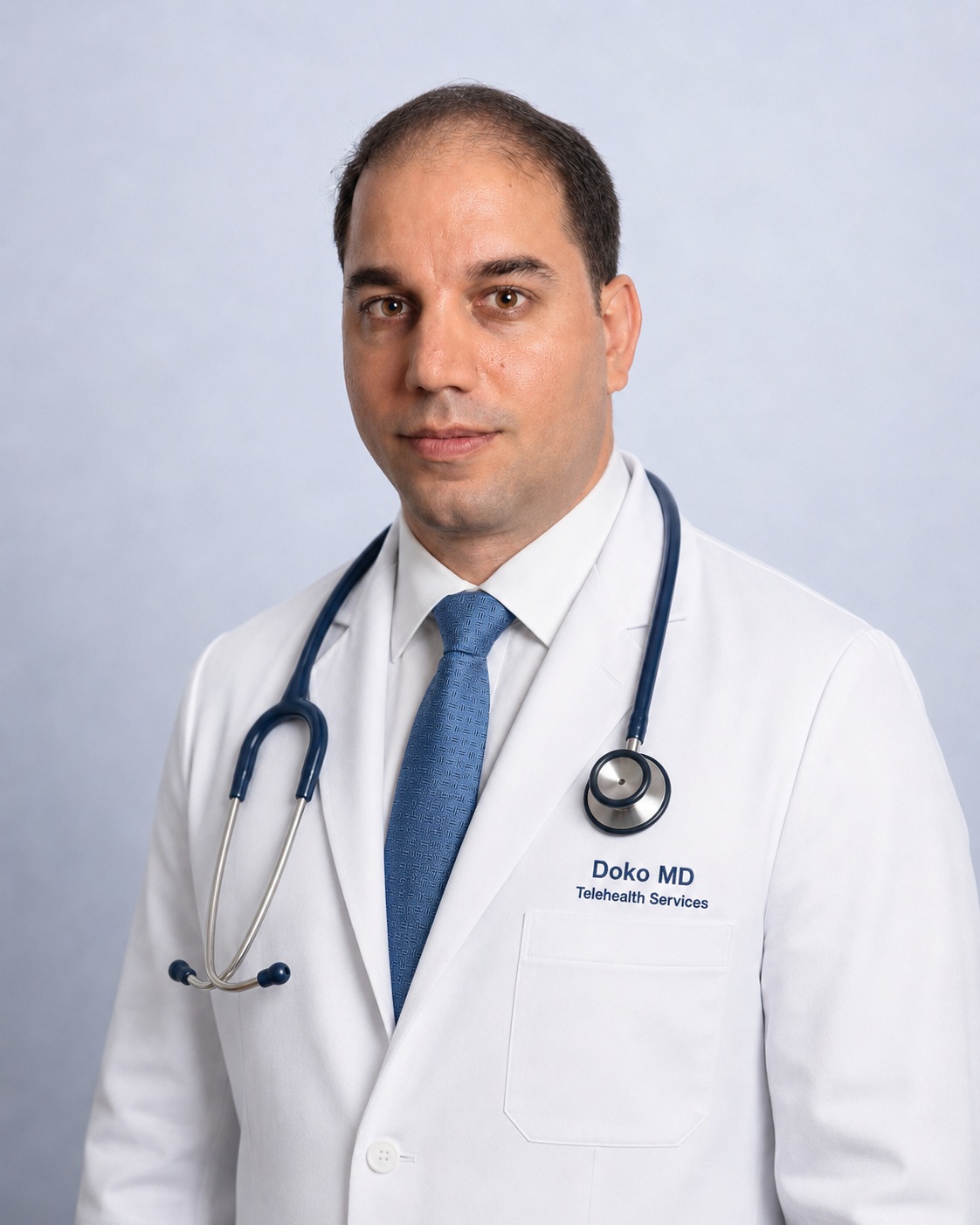
Dr. Andrew Morel, MD
Lead Diabetes Care
Doko MD supports St. Petersburg patients with virtual diabetes follow-up designed for active routines, retirees, heat, hydration, and long-term glucose planning.
Built for patients who want diabetes care that reflects active Gulf Coast routines and long-term monitoring needs.
Connect online with experienced clinicians supporting diabetes care, metabolic health, medication follow-up, and ongoing virtual care planning.
Lead Diabetes Care

Board-Certified Family Nurse Practitioner

Metabolic Health

Preventive Care

Urgent Visit Care
Published: May 28, 2026
Last updated: May 28, 2026
Editorial focus: St. Petersburg telehealth diabetes care, CGM education, medication review, and payment guidance
Clinical review: Doko MD Clinical Review Team
Patients looking for diabetes care in St. Petersburg often want follow-up that works with active routines, retirement schedules, seasonal travel, and repeated blood sugar monitoring. Diabetes care works best when patients can keep reviewing patterns before they become larger problems.
This page explains how online diabetes care may help St. Petersburg patients review symptoms, medications, CGM reports, and day-to-day glucose decisions without turning every follow-up into another office trip.
Many patients in St. Petersburg want routine diabetes review that is easier to repeat. Telehealth can help when the main need is discussing readings, treatment fit, side effects, or next-step planning rather than arranging another in-person visit.
It is especially useful for patients who already have home glucose logs, lab results, or CGM data available. Much of the value comes from interpreting patterns and deciding what to do next.
St. Petersburg patients often ask how walking, outdoor activity, warm weather, hydration, and changing meal schedules may be affecting blood sugar. Those routine factors can influence readings more than patients expect.
Virtual follow-up can help patients review how active days, missed meals, longer outdoor time, or changing sleep patterns may be contributing to highs, lows, or more variable glucose control.
Common diabetes warning signs include increased thirst, frequent urination, fatigue, blurry vision, recurrent infections, slow-healing cuts, numbness or tingling, and unexplained weight changes. Patients with known diabetes may also need review when morning readings rise, lows happen more often, or energy worsens despite treatment.
Those concerns may be appropriate for telehealth follow-up when the patient is stable. Severe vomiting, dehydration, chest pain, confusion, trouble breathing, fainting, or suspected diabetic ketoacidosis require urgent in-person care.
Diabetes treatment should be individualized. A strong plan considers symptoms, A1C, daily readings, low blood sugar risk, kidney health, cardiovascular risk, and what the patient can maintain consistently.
St. Petersburg patients commonly ask about medicines such as metformin, insulin, GLP-1 therapies, and other diabetes treatments. A virtual visit may help determine whether the current plan is working, whether another option may fit better, and what safety questions need attention.
A continuous glucose monitor can show trends throughout the day and overnight instead of relying only on isolated spot checks. That can reveal overnight highs, repeated lows, or post-meal spikes that may otherwise go unnoticed.
Telehealth is a strong fit for CGM education because the visit can focus on sensor reports, alerts, daily patterns, and how activity or meals may influence glucose changes.
The process usually begins with intake information about diagnosis, medications, symptoms, recent labs, and the reason the patient is seeking care. A clinician reviews that information to determine whether telehealth follow-up is appropriate.
During the online appointment, discussion may cover symptoms, glucose logs, CGM data, medication tolerance, refill needs, and goals. After the visit, patients may receive updated recommendations, education, and a follow-up plan, along with prescriptions or supply guidance when appropriate.
Many St. Petersburg patients want answers about whether telehealth visits are covered, whether CGM supplies may need prior authorization, and whether self-pay may be more straightforward in some situations.
Those questions are part of real diabetes care planning, not separate from it, and transparent guidance can make treatment decisions easier to move forward.
Yes. Many St. Petersburg patients use telehealth for diabetes follow-up, medication review, CGM education, and long-term glucose planning, although urgent symptoms still require in-person care.
Many patients want consistent diabetes review that fits active schedules, retirement routines, and repeat follow-up needs without extra office travel.
Yes. Virtual follow-up can include discussion of walking, exercise, hydration, meals, and how outdoor routines may affect glucose patterns or medication timing.
Yes. Many online diabetes visits include CGM trend review, discussion of overnight highs or lows, time in range, and practical next steps.
Severe vomiting, dehydration, chest pain, confusion, trouble breathing, fainting, or symptoms of dangerously high or low blood sugar need urgent in-person evaluation.
Patients who want a broader statewide overview can visit Florida virtual diabetes care. For related Florida pages, explore Tampa, Sarasota, or Miami.
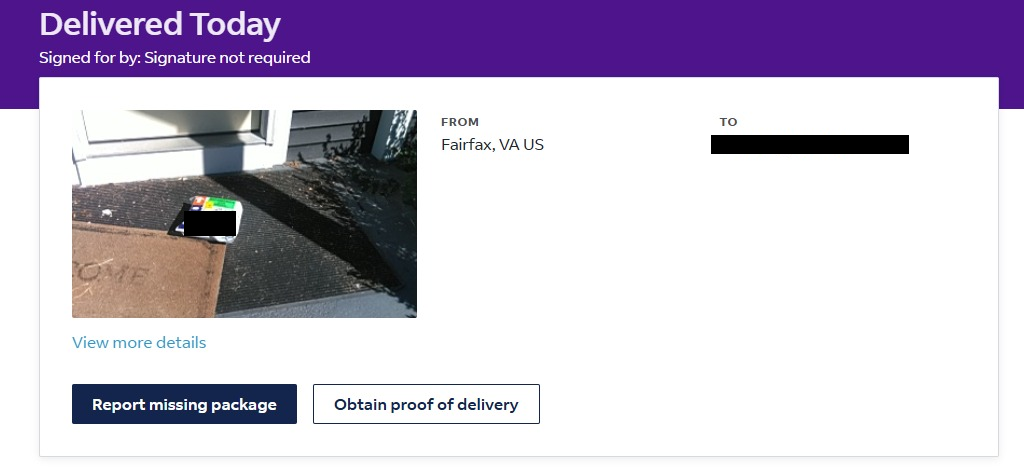
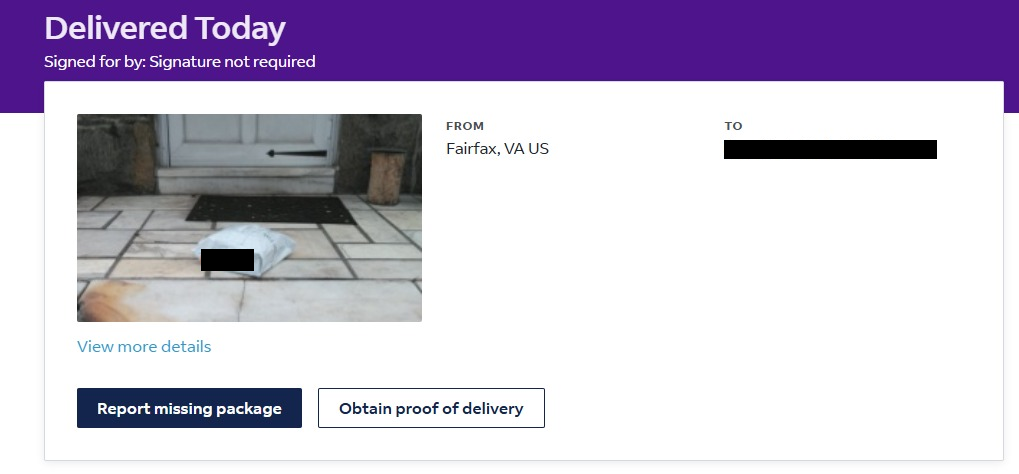
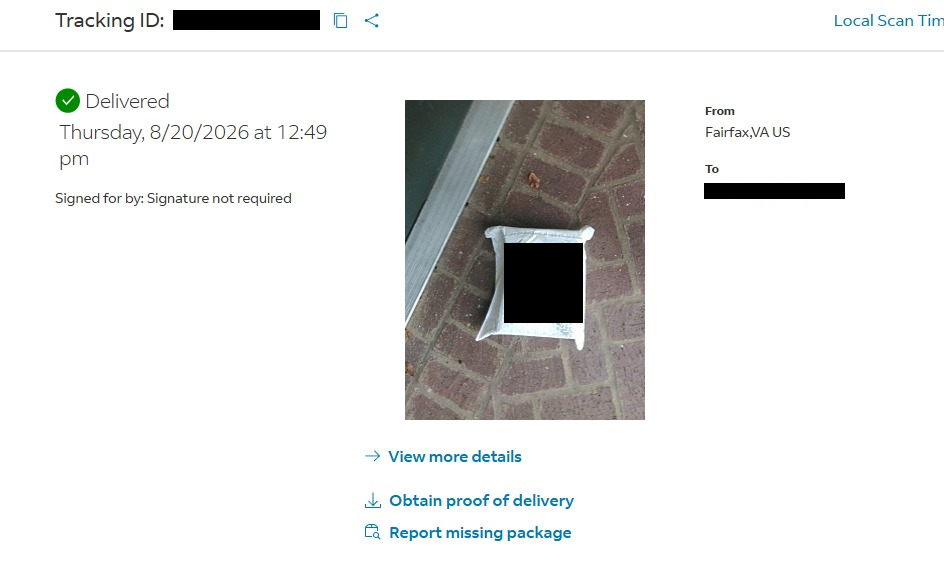
See some of the completed delivery confirmations shared by Doko Medical.
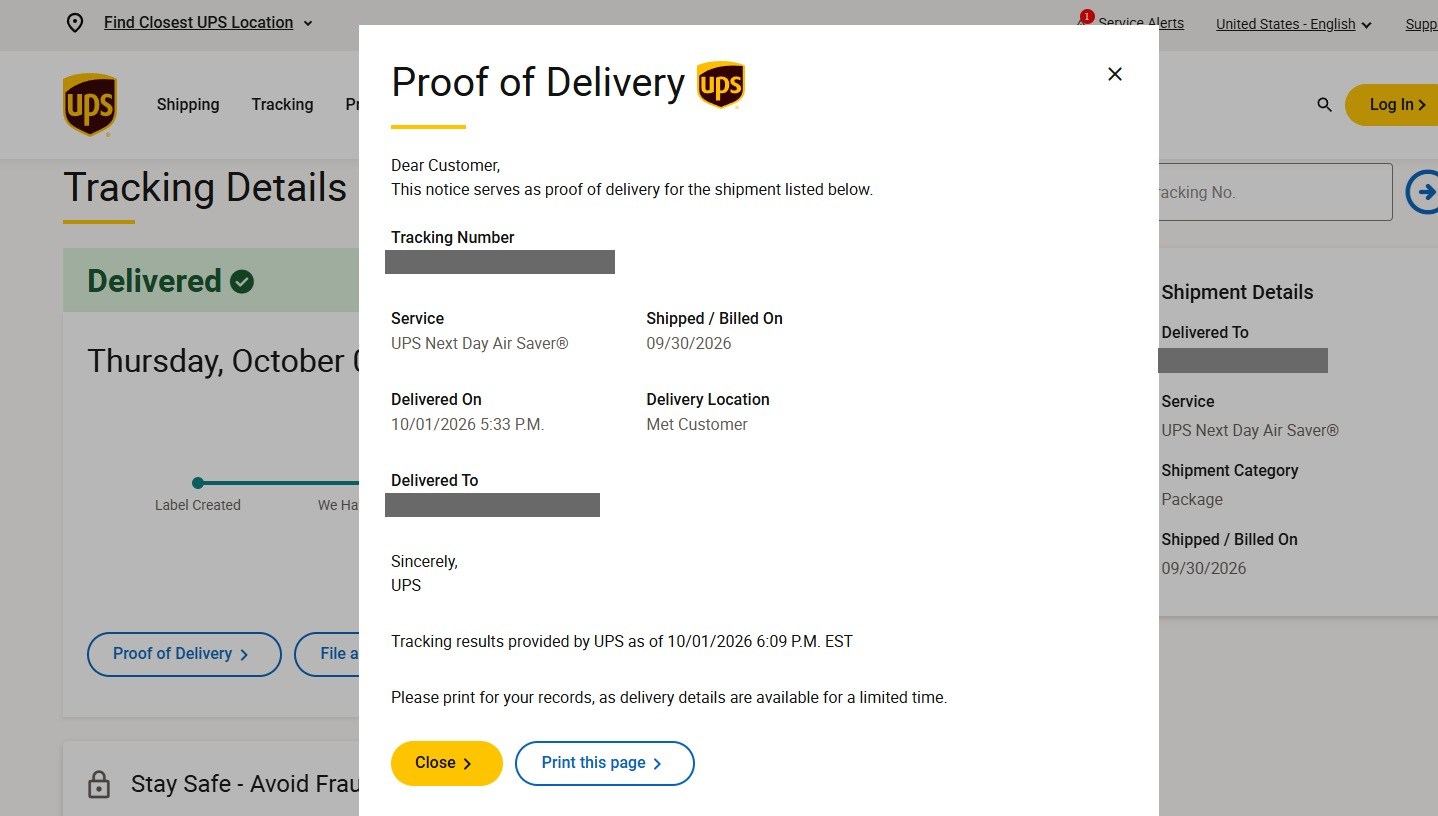
Destination state
Recipient details withheld
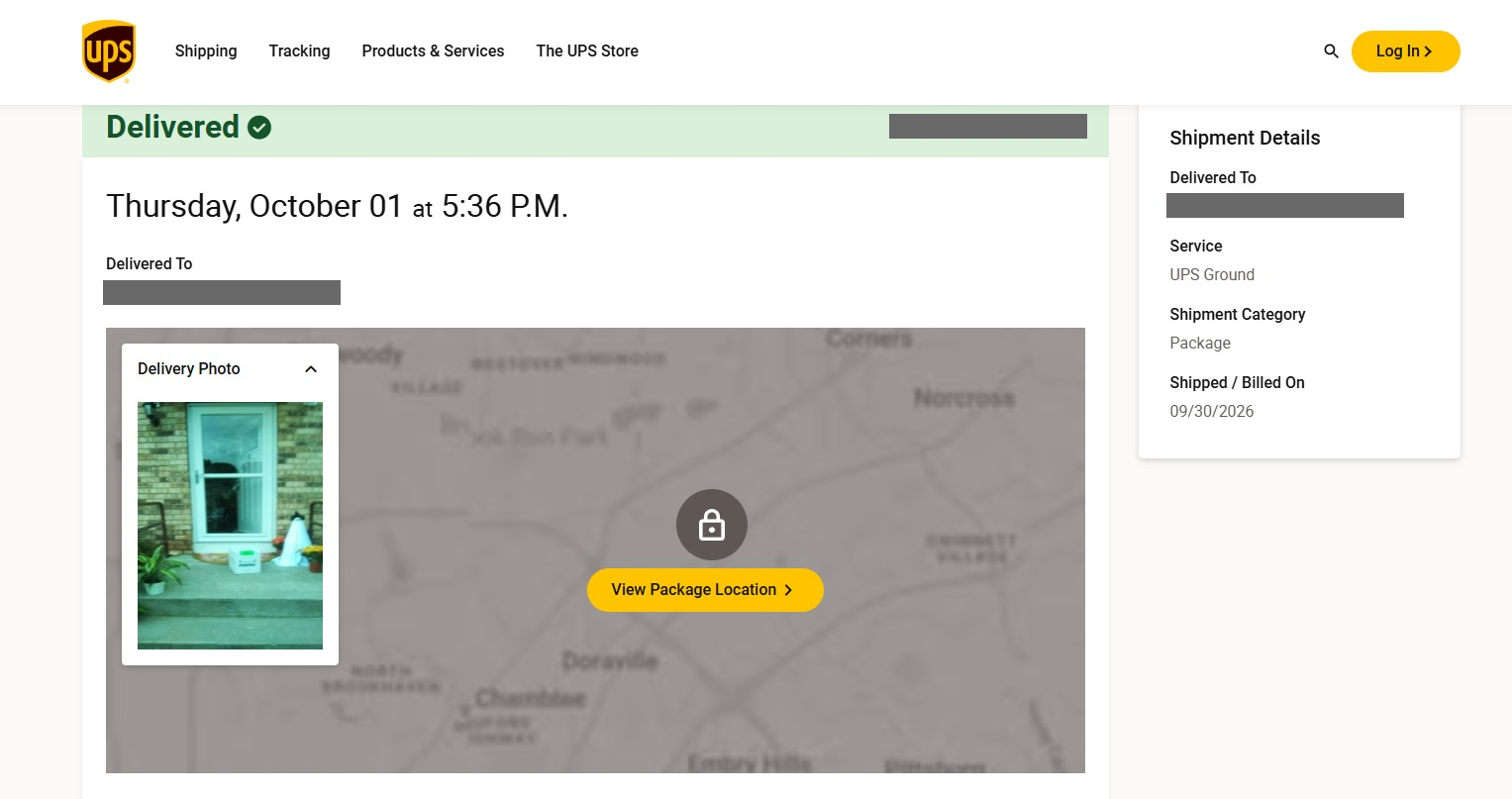
Destination state
Recipient details withheld
Destination state
Recipient details withheld
Destination state
Recipient details withheld
Destination state
Recipient details withheld