Leafy greens
Spinach, kale, collards, and salad greens are low in carbohydrate and rich in vitamins, minerals, and fiber.
Try: eggs with spinach or a large side salad.Build satisfying meals with fiber, protein, and healthy fats—without making food feel complicated or restrictive.
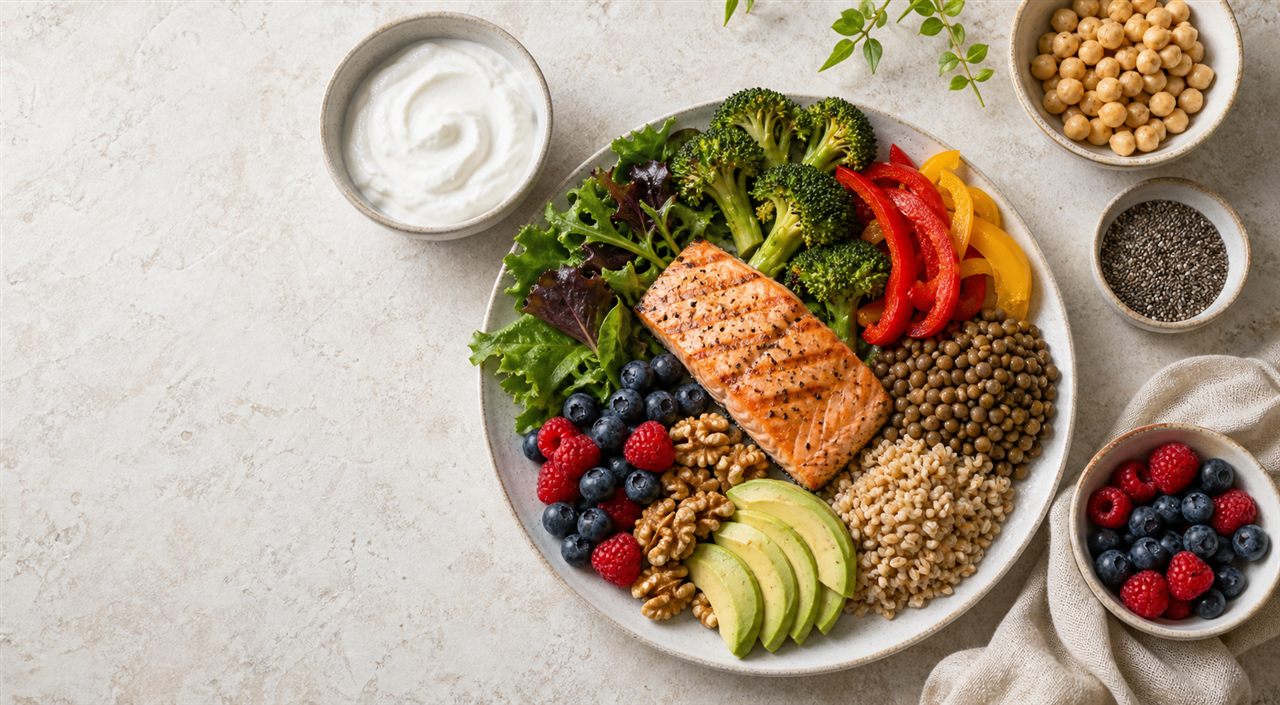
A useful eating pattern is one you can enjoy and repeat. In general, meals built around non-starchy vegetables, minimally processed carbohydrates, lean protein, and unsaturated fats tend to be more filling and may produce a gentler glucose response than highly refined meals. Your portion, medications, activity, sleep, and individual glucose response still matter.
Vegetables, beans, berries, nuts, seeds, and intact whole grains slow digestion and support fullness.
Protein can make meals more satisfying and helps preserve muscle as part of an overall healthy pattern.
Avocado, olive oil, nuts, seeds, and oily fish provide unsaturated fats and flavor.
These foods are not “free foods,” and they do not lower glucose on their own. Think of them as flexible building blocks for more balanced meals.
Spinach, kale, collards, and salad greens are low in carbohydrate and rich in vitamins, minerals, and fiber.
Try: eggs with spinach or a large side salad.These versatile non-starchy vegetables add volume, texture, and fiber with relatively few carbohydrates.
Try: roast until crisp with olive oil and herbs.They combine plant protein, fiber, and carbohydrate. Their fiber helps make them more filling than refined starches.
Try: start with ½ cup and check your response.Salmon, sardines, and trout provide protein and omega-3 fats without adding carbohydrate.
Try: bake with lemon, pepper, and fresh herbs.Eggs are a convenient source of protein that pairs easily with vegetables and whole-grain options.
Try: a veggie omelet with sliced avocado.Unsweetened Greek yogurt supplies protein and calcium. Check labels because carbohydrate varies by brand.
Try: add berries, cinnamon, and walnuts.Strawberries, blueberries, raspberries, and blackberries offer fiber and sweetness in a manageable portion.
Try: choose whole fruit instead of juice.Almonds, walnuts, and pistachios provide unsaturated fats, plant protein, and fiber, but portions are energy-dense.
Try: pre-portion a small handful.Chia, flax, pumpkin, and sunflower seeds add fiber, healthy fats, and texture to meals and snacks.
Try: stir ground flax or chia into yogurt.Avocado is rich in unsaturated fat and fiber, making it a satisfying replacement for some creamy spreads.
Try: use ¼–½ avocado with a meal.Olive oil adds unsaturated fat and helps vegetables taste great. A little goes a long way.
Try: whisk with lemon for a simple dressing.Steel-cut oats, barley, quinoa, and brown rice retain more structure and fiber than refined grains.
Try: pair a modest portion with protein and vegetables.Lean poultry and tofu provide flexible protein options for bowls, salads, soups, and stir-fries.
Try: grill, roast, or sauté instead of breading.Colorful vegetables bring vitamin C, flavor, and volume to meals with less carbohydrate than many sides.
Try: keep sliced peppers ready for snacking.Garlic, ginger, cinnamon, cumin, paprika, and fresh herbs build flavor without relying heavily on sugar or salt.
Try: season generously and taste as you go.Share your details and connect with Doko MD for virtual diabetes support.
When you do not want to count every gram, a 9-inch plate offers a simple visual starting point.
Examples include leafy greens, broccoli, cauliflower, peppers, mushrooms, zucchini, and green beans.
Choose fish, chicken, turkey, eggs, tofu, or another protein that fits your preferences.
Try beans, lentils, intact whole grains, or a starchy vegetable. Add water or an unsweetened drink.
Start with a quick eligibility check for personalized telehealth support.
Pairing a carbohydrate food with protein, fiber, or healthy fat can make a snack more satisfying. Snacks are optional—choose them based on hunger, medications, and your care plan.
A small apple with 1–2 tablespoons of unsweetened nut butter.
Choose plain yogurt and add your own fruit for natural sweetness.
Try peppers, cucumber, or celery with a measured serving of hummus.
A hard-boiled egg with tomatoes or sliced vegetables is quick and portable.
Compare similar products rather than chasing a perfect number. Serving size changes the meaning of every value on the label.
Total carbohydrate includes sugar, starch, and fiber and is more useful than looking at sugar alone.
Within the same food category, these may help you choose a more filling option.
Sweetened drinks, yogurts, cereals, sauces, and snack bars can contain more than expected.
Connect online with experienced clinicians providing diabetes care, urgent care, weight loss support, and ongoing virtual healthcare from home.

Lead Diabetes Care

Primary Care Support

Metabolic Health

Preventive Care

Urgent Visit Care

Board-Certified Family Nurse Practitioner
Connect with the Doko MD diabetes care team for personalized support with glucose goals, medications, and realistic daily habits.
Medical disclaimer: This article is for general education and does not replace medical advice, diagnosis, or treatment. Nutrition needs vary. Do not change diabetes medication or insulin based on this article; discuss meaningful changes with your healthcare professional.
See some of the completed delivery confirmations shared by Doko Medical.

Destination state
Recipient details withheld
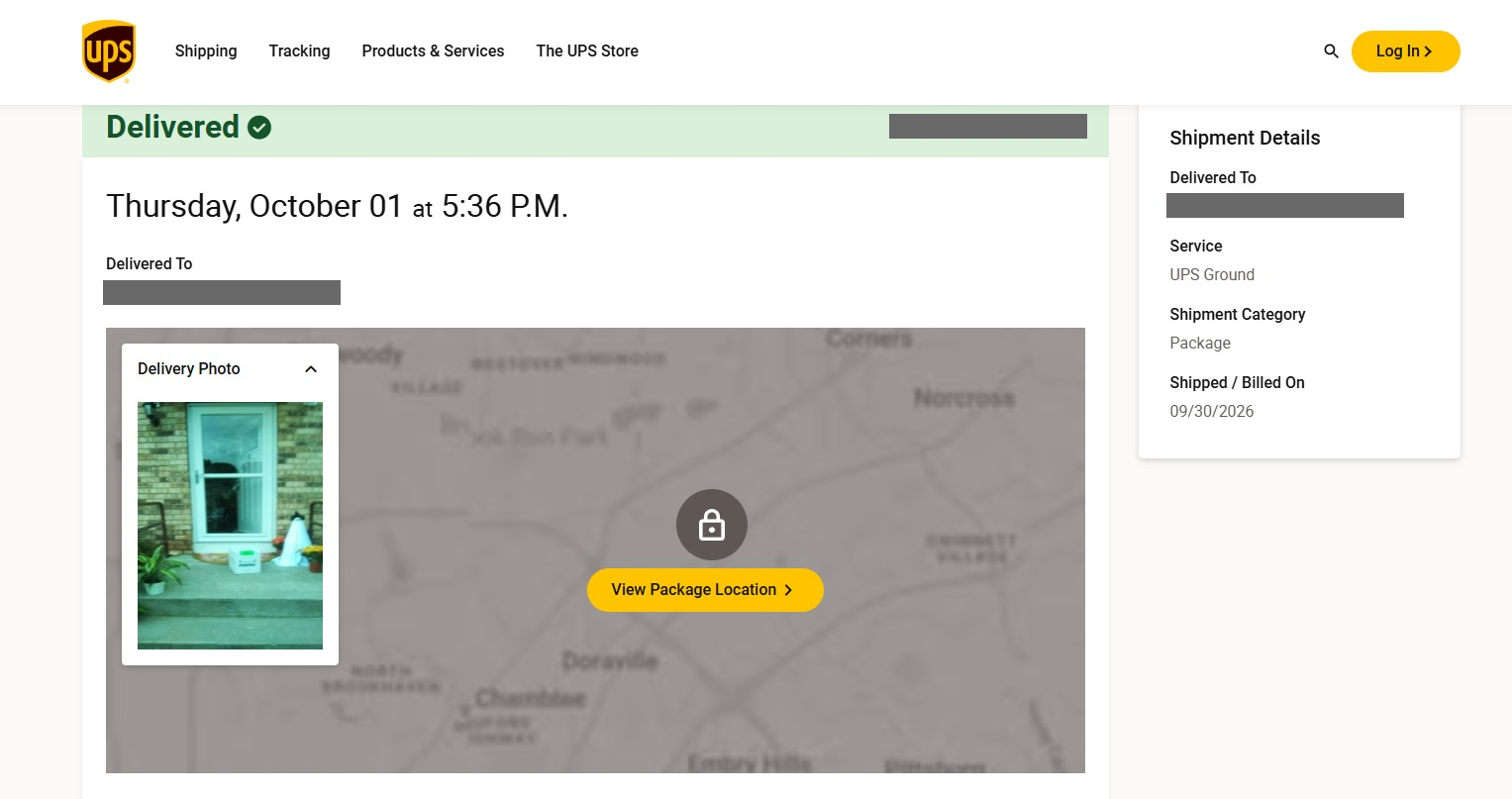
Destination state
Recipient details withheld
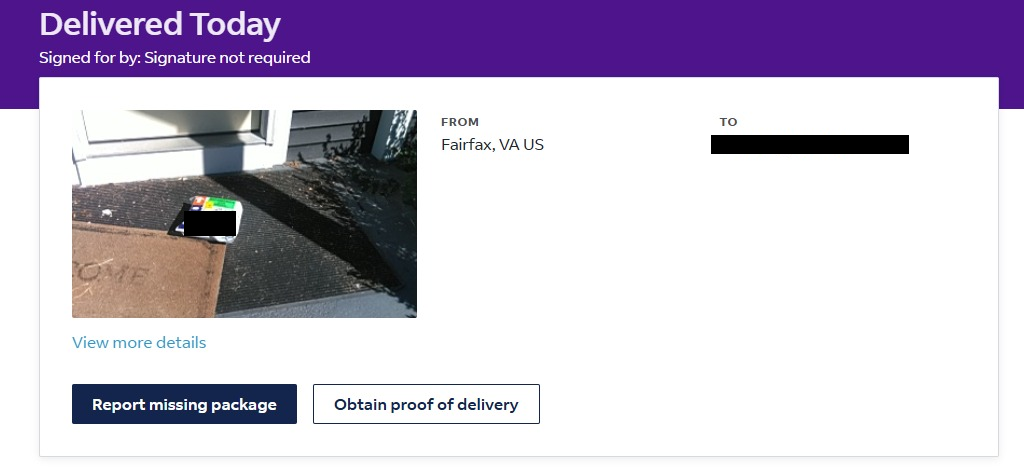
Destination state
Recipient details withheld

Destination state
Recipient details withheld
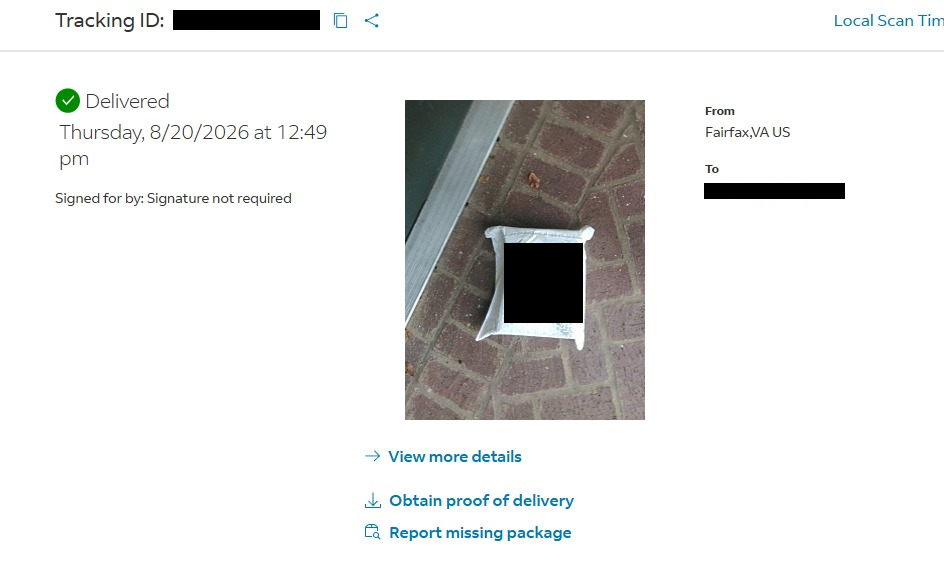
Destination state
Recipient details withheld