Daily data review
Use CGM and pattern review to understand what is driving higher averages.
Explore a type 2 diabetes A1C management program built around CGM insight, nutrition guidance, medication review, and practical support between visits.
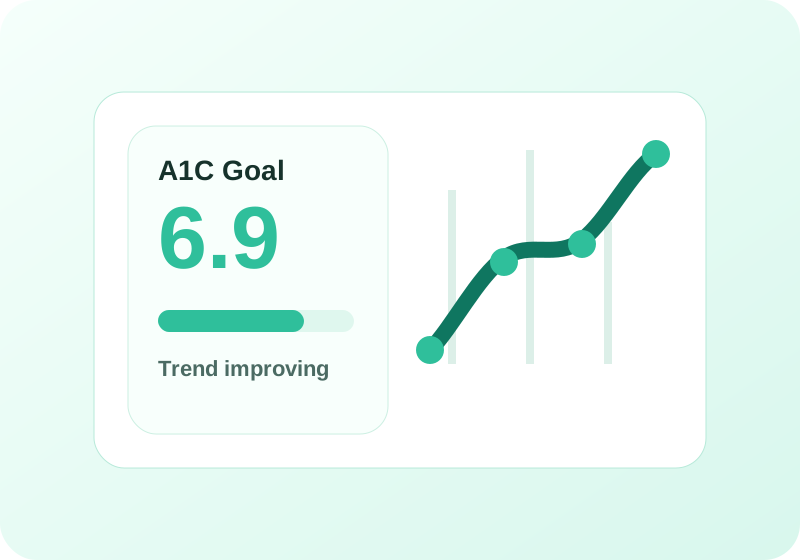
A1C programs help patients connect long-term glucose goals to the daily patterns that shape them. The aim is not just a better lab number, but a clearer and safer plan for getting there.
A1C reflects average glucose over the prior two to three months. Lowering it toward an individualized goal can reduce long-term diabetes complication risk when done safely.
Use CGM and pattern review to understand what is driving higher averages.
Turn meal planning, activity, and sleep into more stable blood sugar habits.
Align A1C goals with dose changes, monitoring, and safer treatment adjustments.
Talk to Doko MD about CGM support, medication review, and realistic next-step planning.
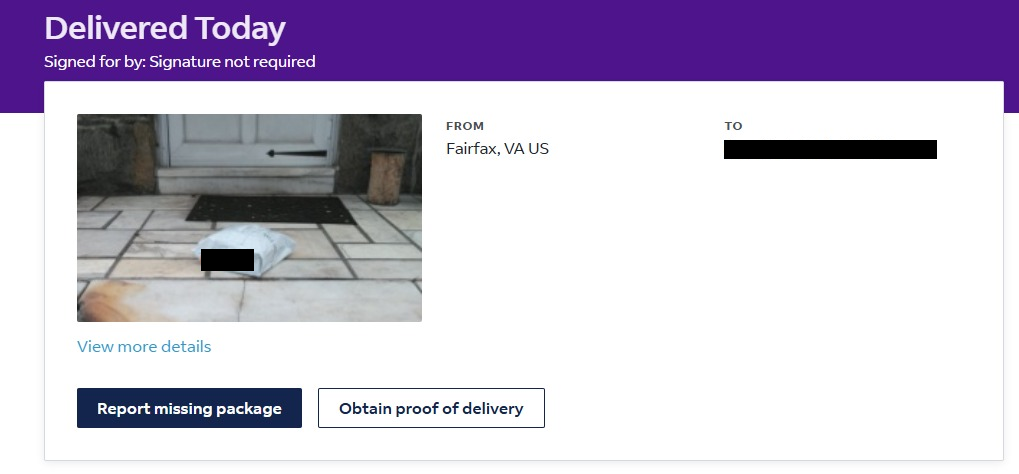
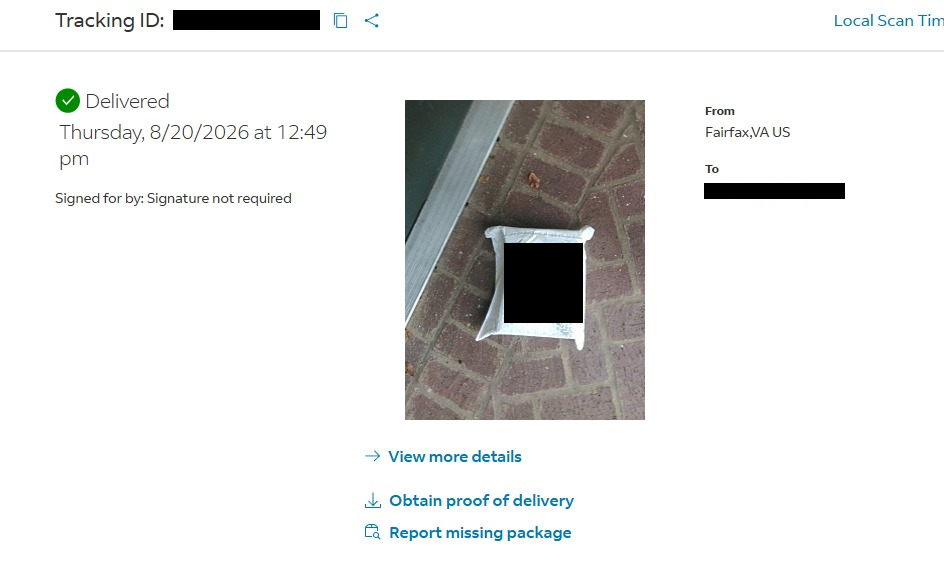
Check EligibilitySee some of the completed delivery confirmations shared by Doko Medical.
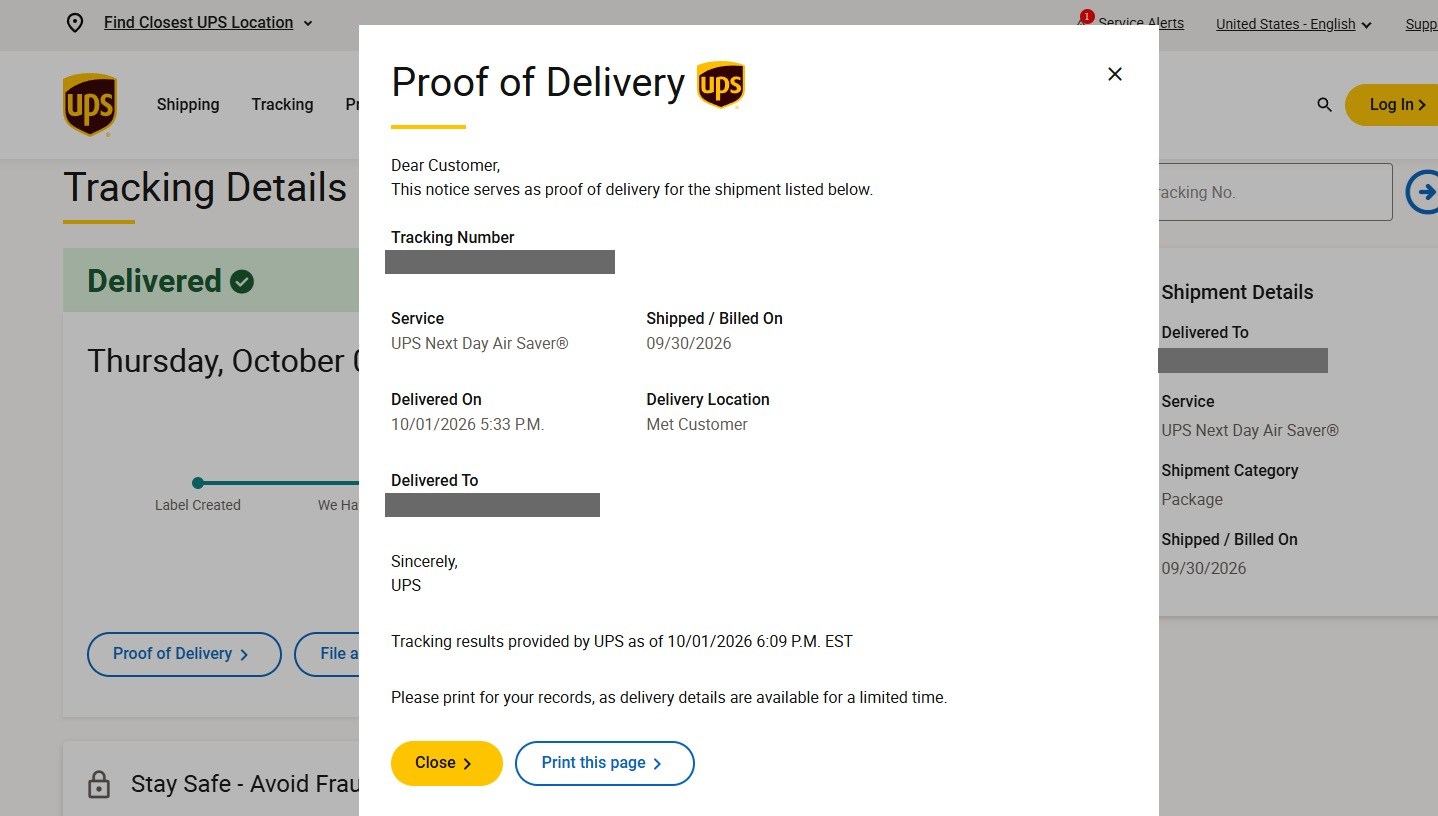
Destination state
Recipient details withheld
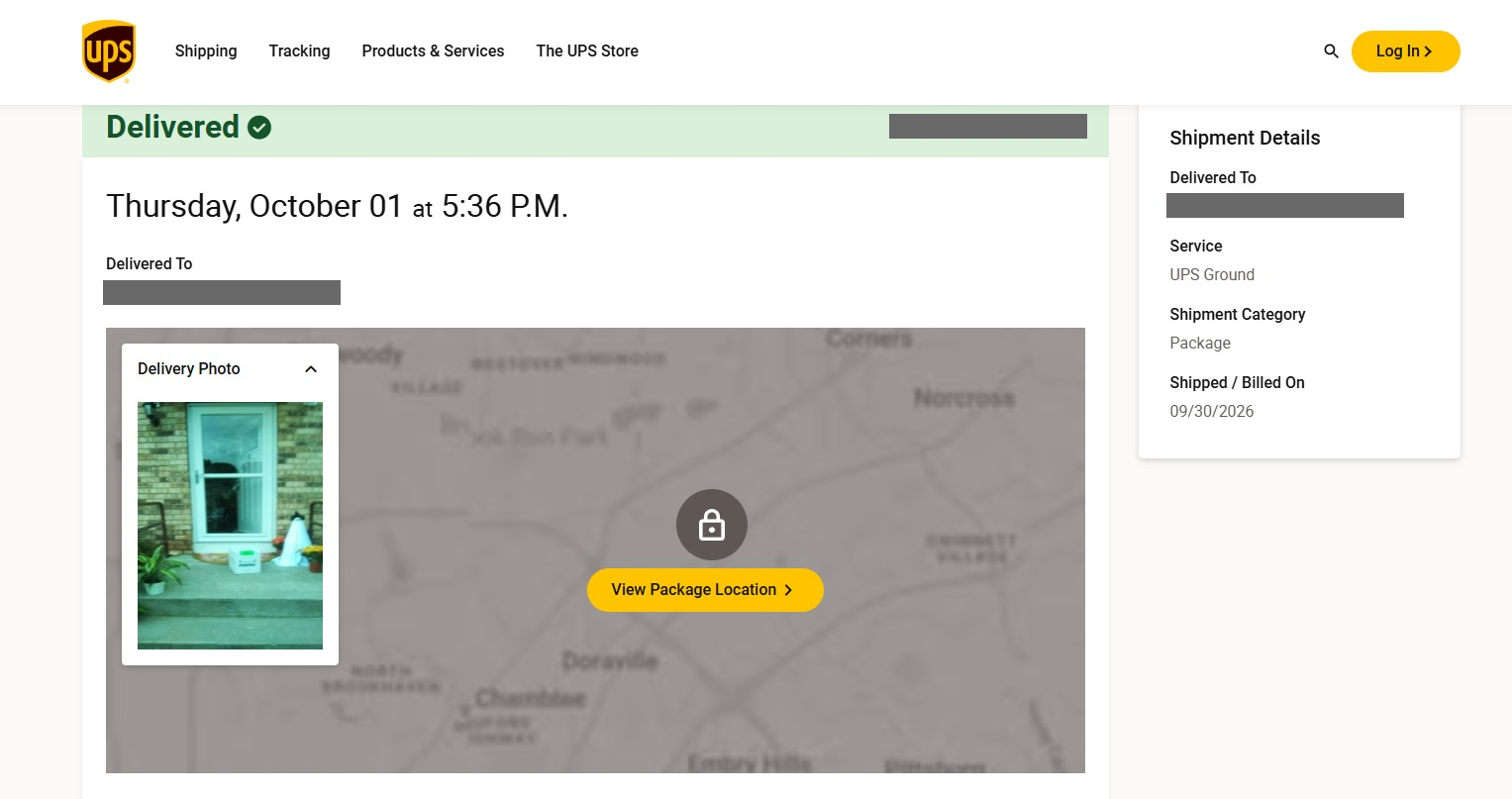
Destination state
Recipient details withheld
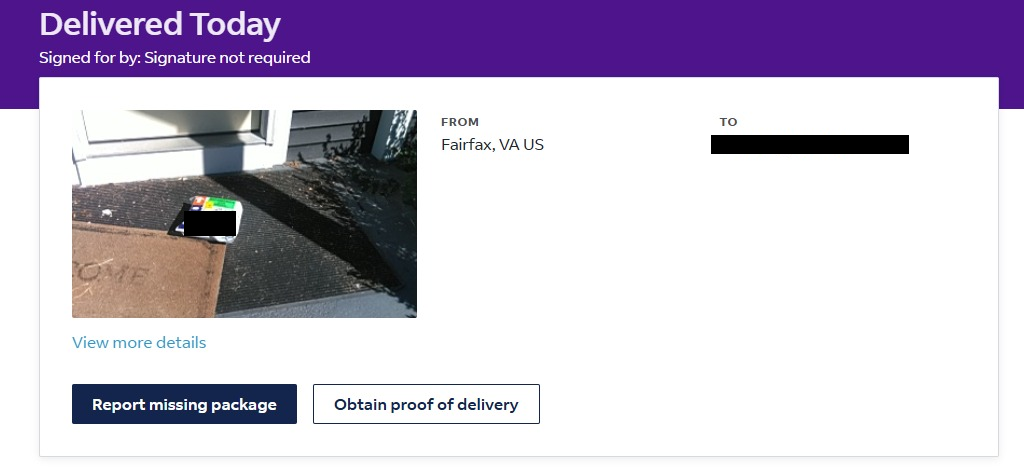
Destination state
Recipient details withheld
Destination state
Recipient details withheld
Destination state
Recipient details withheld