
Dr. Andrew Morel, MD
Lead Diabetes Care
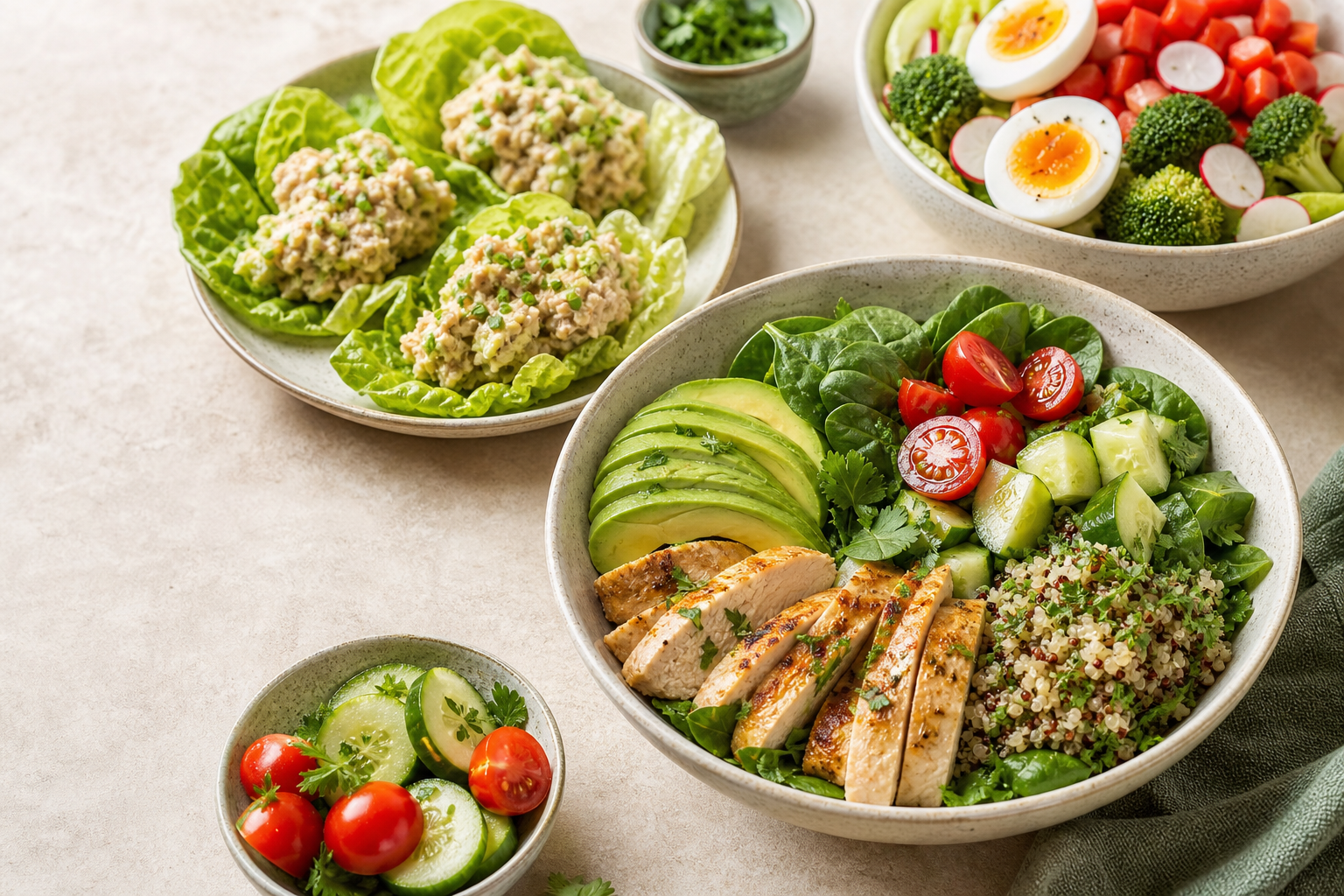
Quick, balanced lunch recipes built around protein, fiber-rich vegetables, and practical blood sugar support.
 Diana Gariglio Clelland, RD, CDCES
Registered Dietitian and Certified Diabetes Care & Education Specialist focused on metabolic health, diabetes management, and practical nutrition therapy.
Diana Gariglio Clelland, RD, CDCES
Registered Dietitian and Certified Diabetes Care & Education Specialist focused on metabolic health, diabetes management, and practical nutrition therapy.
Published: April 30, 2026
Last updated: July 11, 2026
Author: Doko MD Education Team
Clinical review: Diana Gariglio Clelland, RD, CDCES
Lunch is often the most difficult meal for many people managing type 2 diabetes, prediabetes, or insulin resistance. It needs to be fast, satisfying, and realistic for busy days, but it also needs to support steadier glucose instead of triggering a mid-afternoon spike.
This 7-day lunch plan focuses on easy home meals that are higher in protein, rich in fiber-forward vegetables, and built with minimal processed carbs. Each lunch can be prepared in about 15 minutes or less and is designed to feel practical enough for real life.
About the nutrition estimates: Values are approximate per serving using the base portions listed. Brands, drained weights, produce size, dressing, seasoning, and optional additions can change the totals. Net carbs are estimated as total carbohydrate minus dietary fiber.
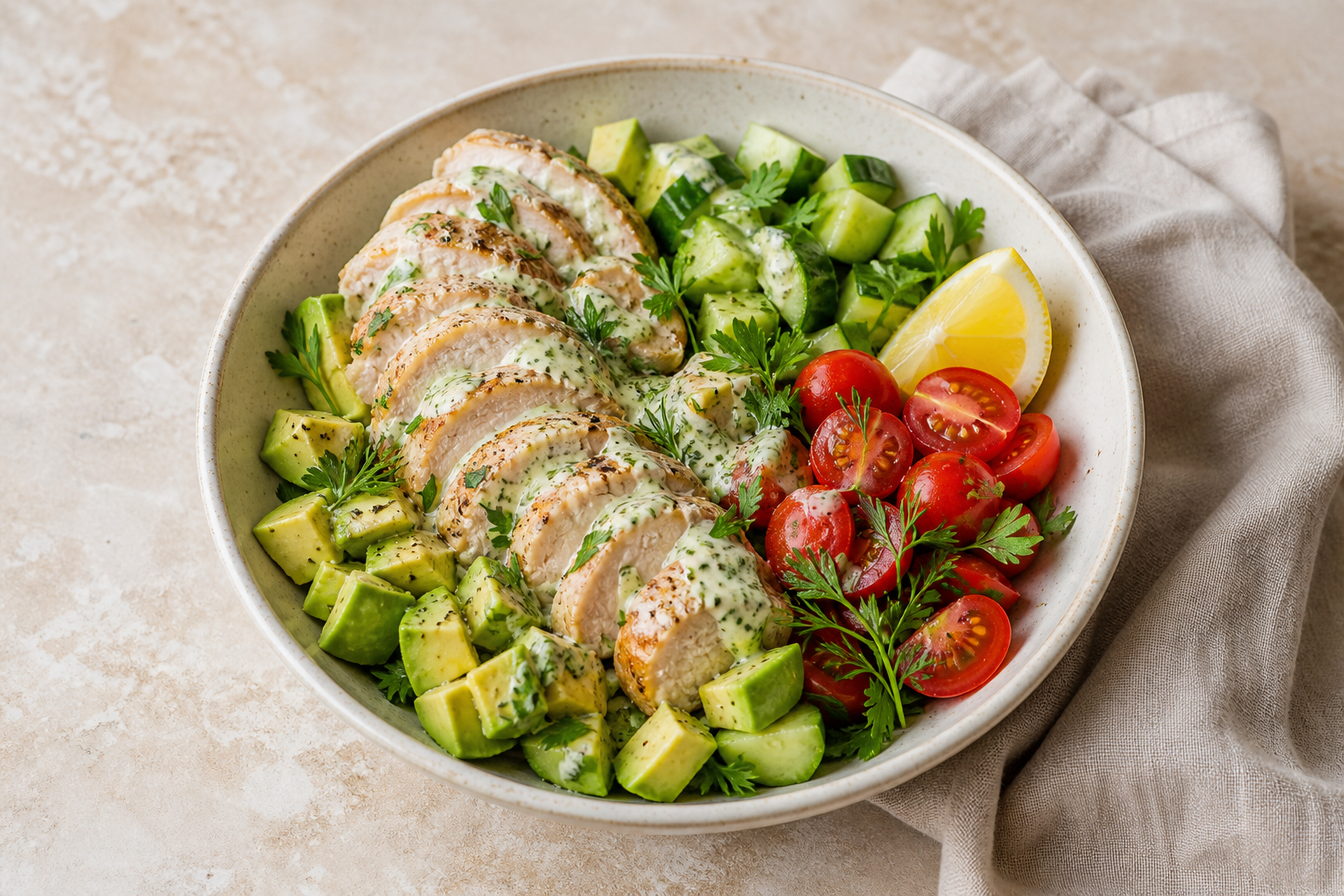
Short description: A fresh, no-cook bowl that feels restaurant-worthy while staying balanced for steadier blood sugar.
Estimated nutrition per serving
Ingredients
Quick preparation steps
Tip: If you need a larger lunch, add 1/2 cup low-fat cottage cheese for more protein.
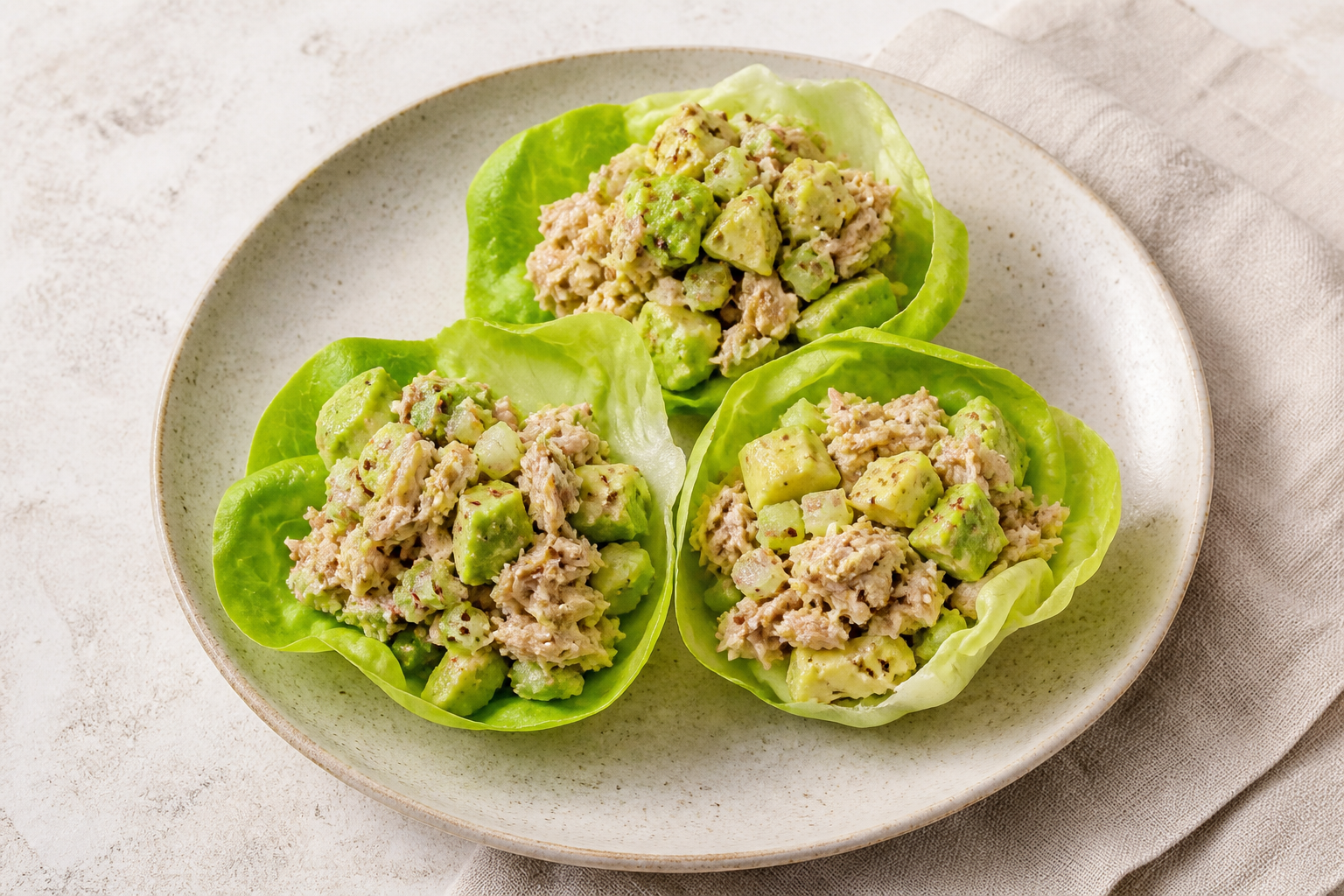
Short description: Crisp, light, and bread-free, these quick wraps are easy to assemble and easy on blood sugar.
Estimated nutrition per serving
Ingredients
Quick preparation steps
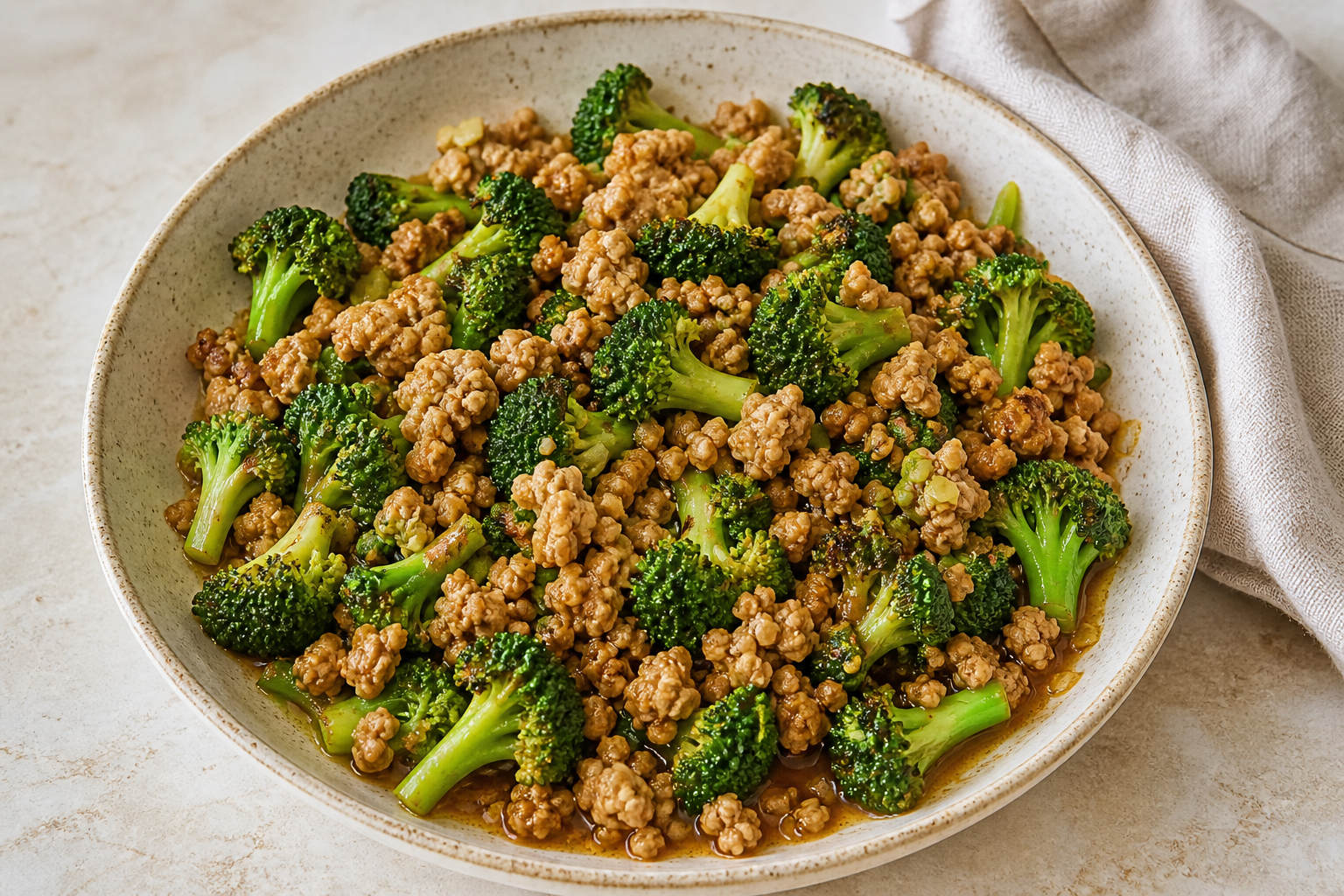
Short description: Savory, satisfying, and built for busy weekdays with only one pan to clean.
Estimated nutrition per serving
Ingredients
Quick preparation steps
Tip: If you need a heartier meal, add 1/2 cup cooked brown rice or increase the turkey to 6 oz.
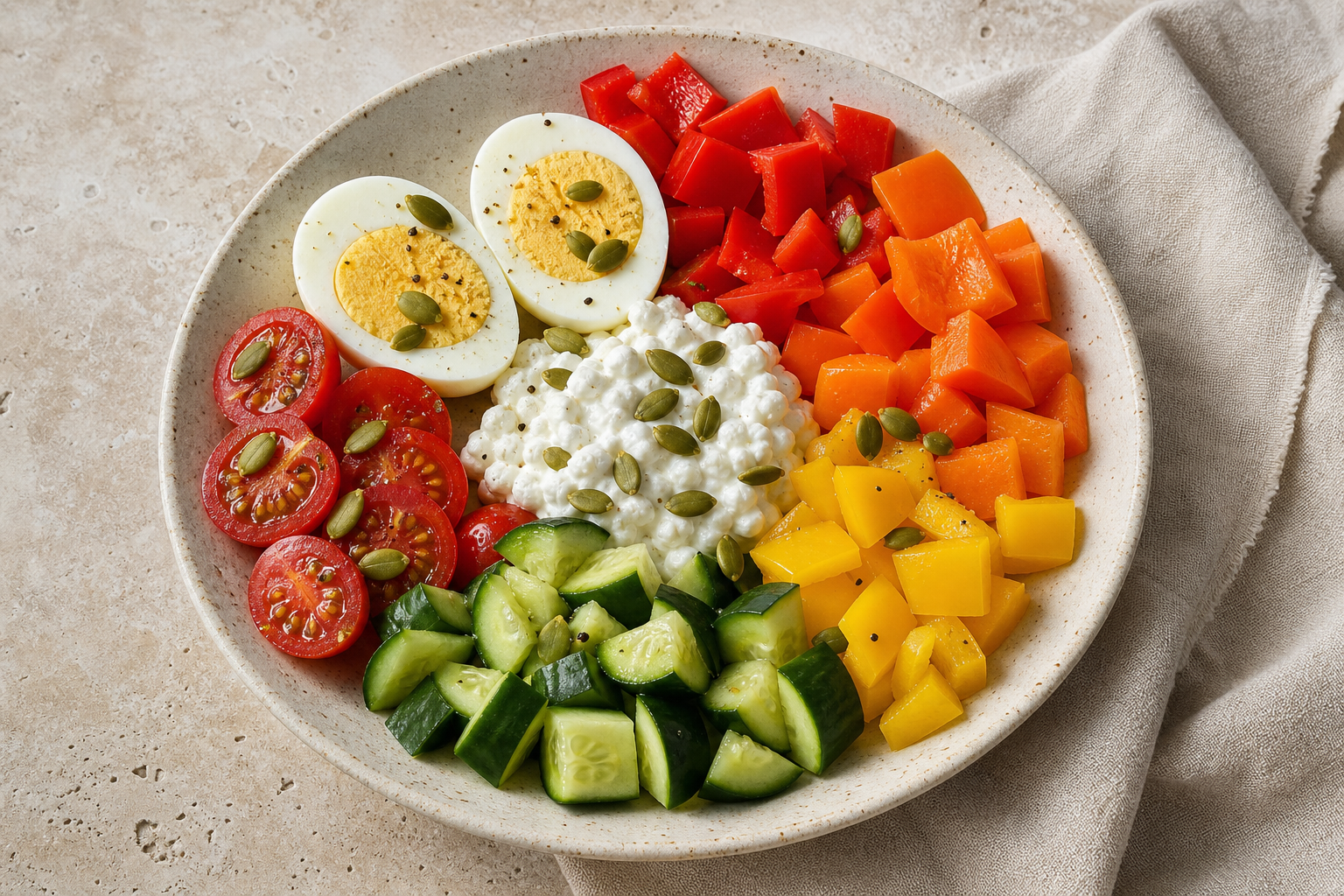
Short description: Bright, colorful, and ready faster than takeout.
Estimated nutrition per serving
Ingredients
Quick preparation steps
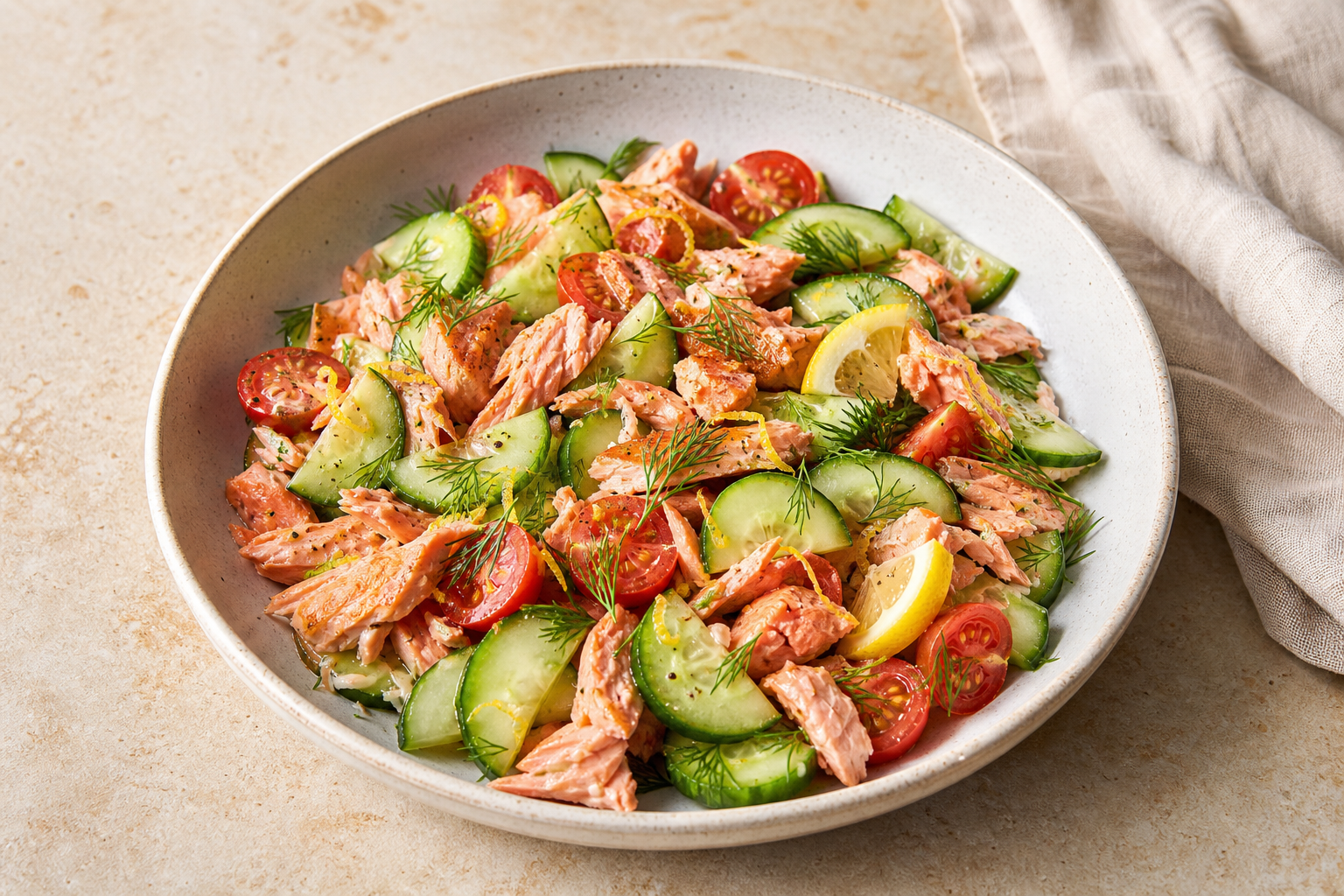
Short description: Light, refreshing, and rich in heart-healthy omega-3 fats.
Estimated nutrition per serving
Ingredients
Quick preparation steps
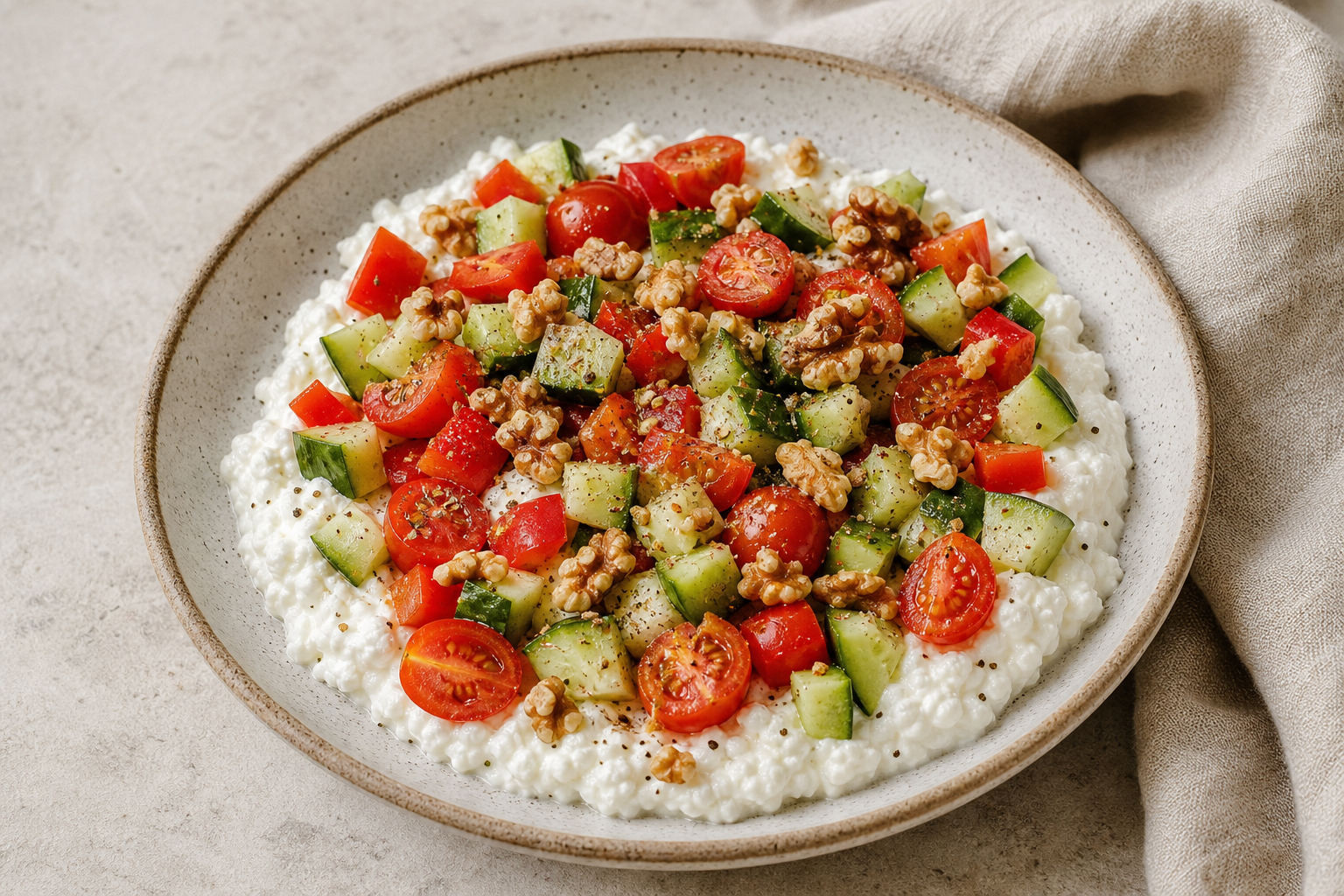
Short description: A no-cook, high-protein lunch that feels creamy and satisfying without much effort.
Estimated nutrition per serving
Ingredients
Quick preparation steps
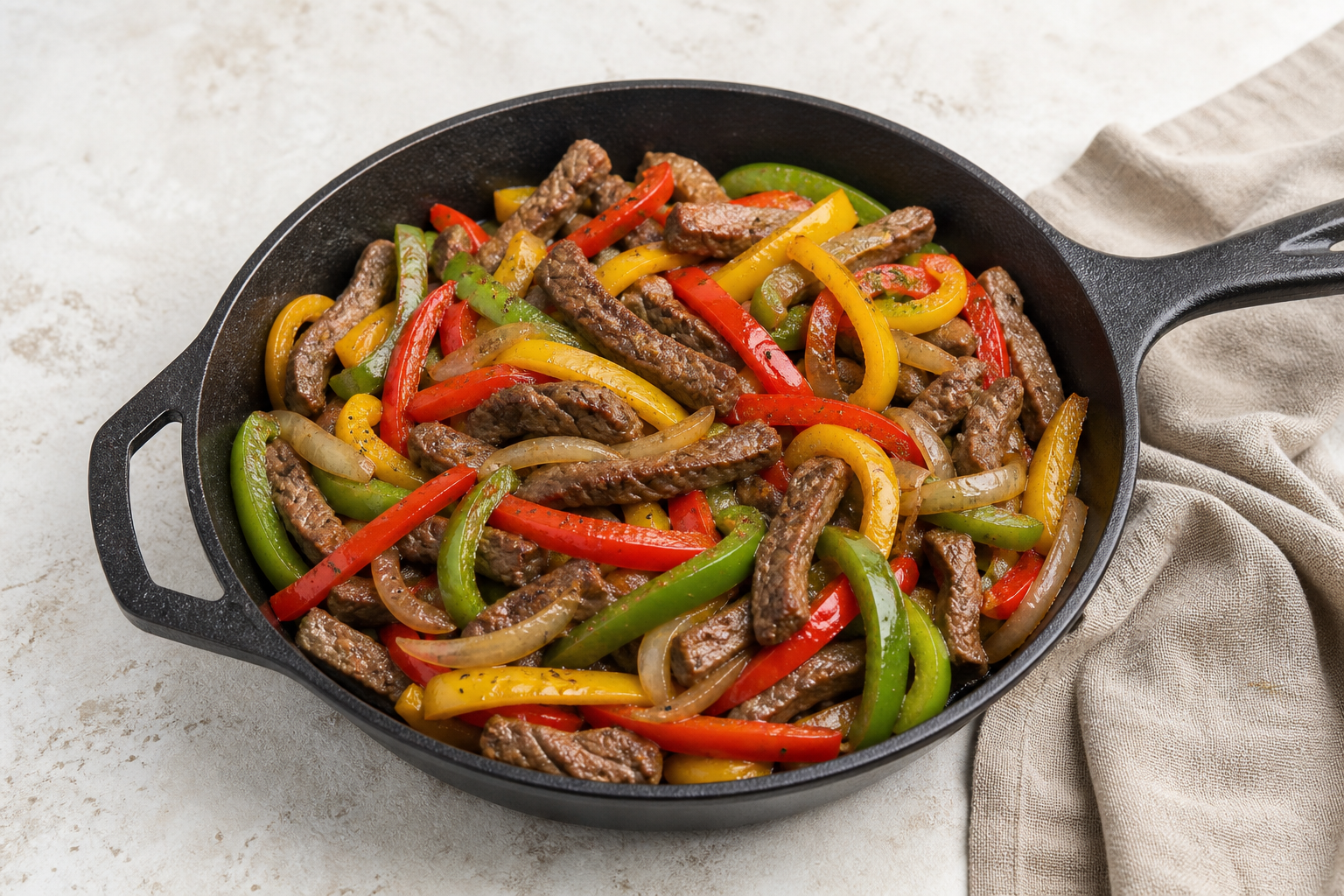
Short description: Bold flavor in one pan, ideal for a simple weekend lunch or meal-prep rotation.
Estimated nutrition per serving
Ingredients
Quick preparation steps
Tip: If you need more staying power, add 1/2 cup cooked brown rice. Whole-grain starches can fit well when portions stay moderate.
Consider speaking with a clinician if:
Final thoughts from your dietitian: Managing diabetes does not require boring or overly complicated meals. With some planning, you can build lunches that are quick, satisfying, and supportive of better glucose control. Start with one or two recipes this week and notice how your hunger, energy, and glucose readings respond.
Build a full-day plan: Pair these lunches with the 7-day breakfast guide, the 7-day dinner guide, or the complete 21-day diabetic-friendly meal plan.
Practical answers about balanced lunches, carbohydrates, meal preparation, and when to seek personalized guidance.
A balanced lunch typically includes lean protein, non-starchy vegetables, healthy fats, and a moderate amount of high-fiber carbohydrates. This combination can help support steadier blood sugar and longer-lasting fullness.
Yes. Many people with diabetes can include bread as part of a balanced meal. Choosing whole-grain or high-fiber bread and pairing it with protein and healthy fats may help reduce rapid blood sugar spikes.
Good options include:
No. Carbohydrates are an important source of energy. Many people with diabetes benefit from choosing high-fiber carbohydrates and paying attention to portion sizes rather than eliminating carbohydrates entirely.
These meals are generally high in protein, fiber, and vegetables, which can help with fullness. Individual calorie needs vary, so portion sizes should be tailored to personal goals.
Yes. Many recipes can be prepared in advance. Cook proteins ahead of time, wash and chop vegetables, and store ingredients separately until you are ready to assemble the meal.
Water, sparkling water without added sugar, unsweetened tea, or black coffee are commonly recommended choices. Sugary beverages can raise blood glucose quickly.
Many of these meals are rich in protein and moderate in portion size, which may be suitable for people taking GLP-1 medications. However, dietary needs vary, and it is important to follow the advice of your healthcare provider.
Protein needs vary by age, weight, activity level, and medical conditions. Many balanced lunches include approximately 25–40 grams of protein, but individual needs should be discussed with a healthcare professional.
Consider speaking with a clinician or registered dietitian if:
Always consult your diabetes care team before making significant changes to your meal plan.
Connect online with experienced clinicians providing diabetes care, urgent care, weight loss support, and ongoing virtual healthcare.
Lead Diabetes Care

Primary Care Support

Metabolic Health

Preventive Care

Urgent Visit Care

Board-Certified Family Nurse Practitioner
See some of the completed delivery confirmations shared by Doko Medical.
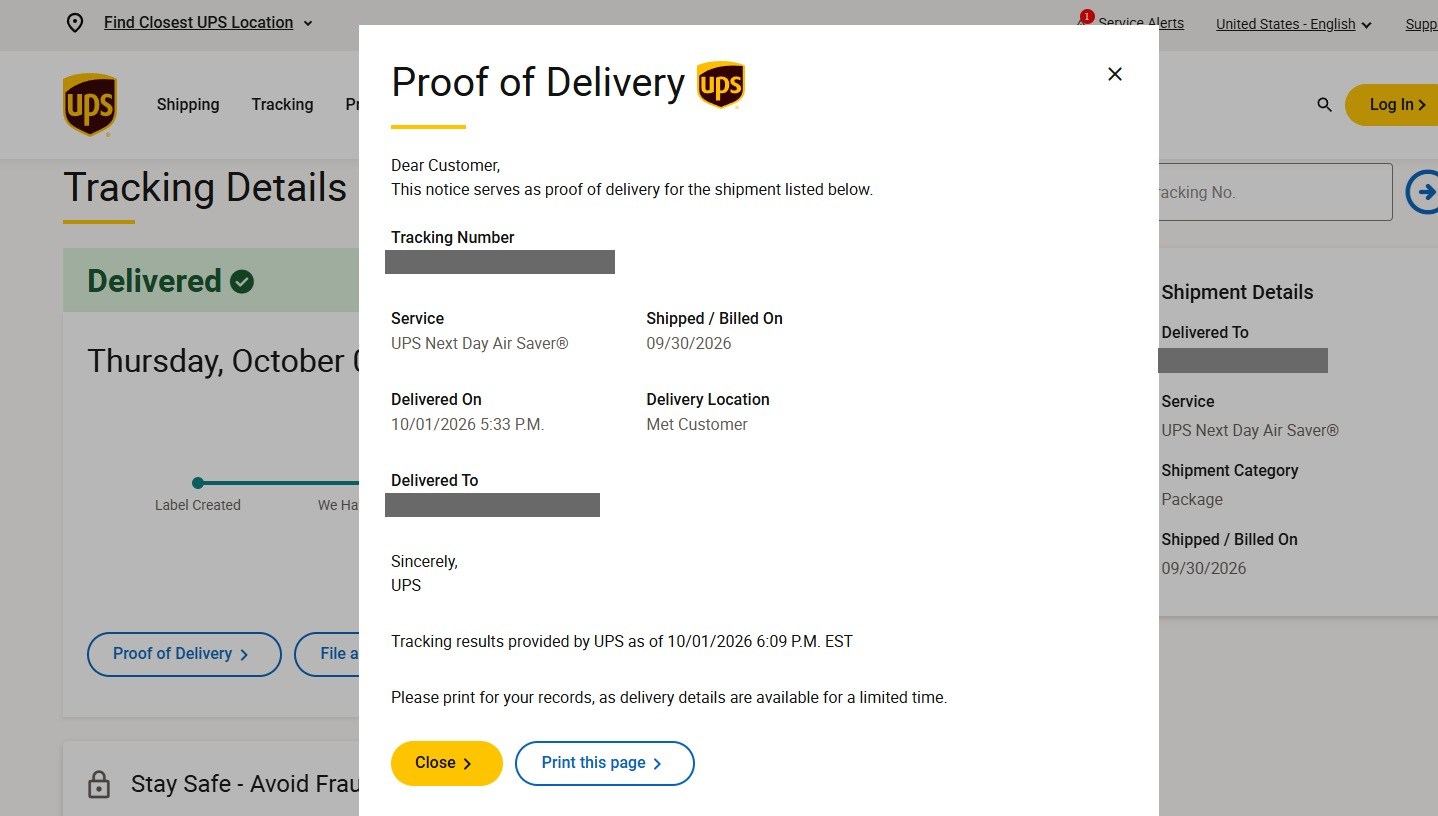
Destination state
Recipient details withheld
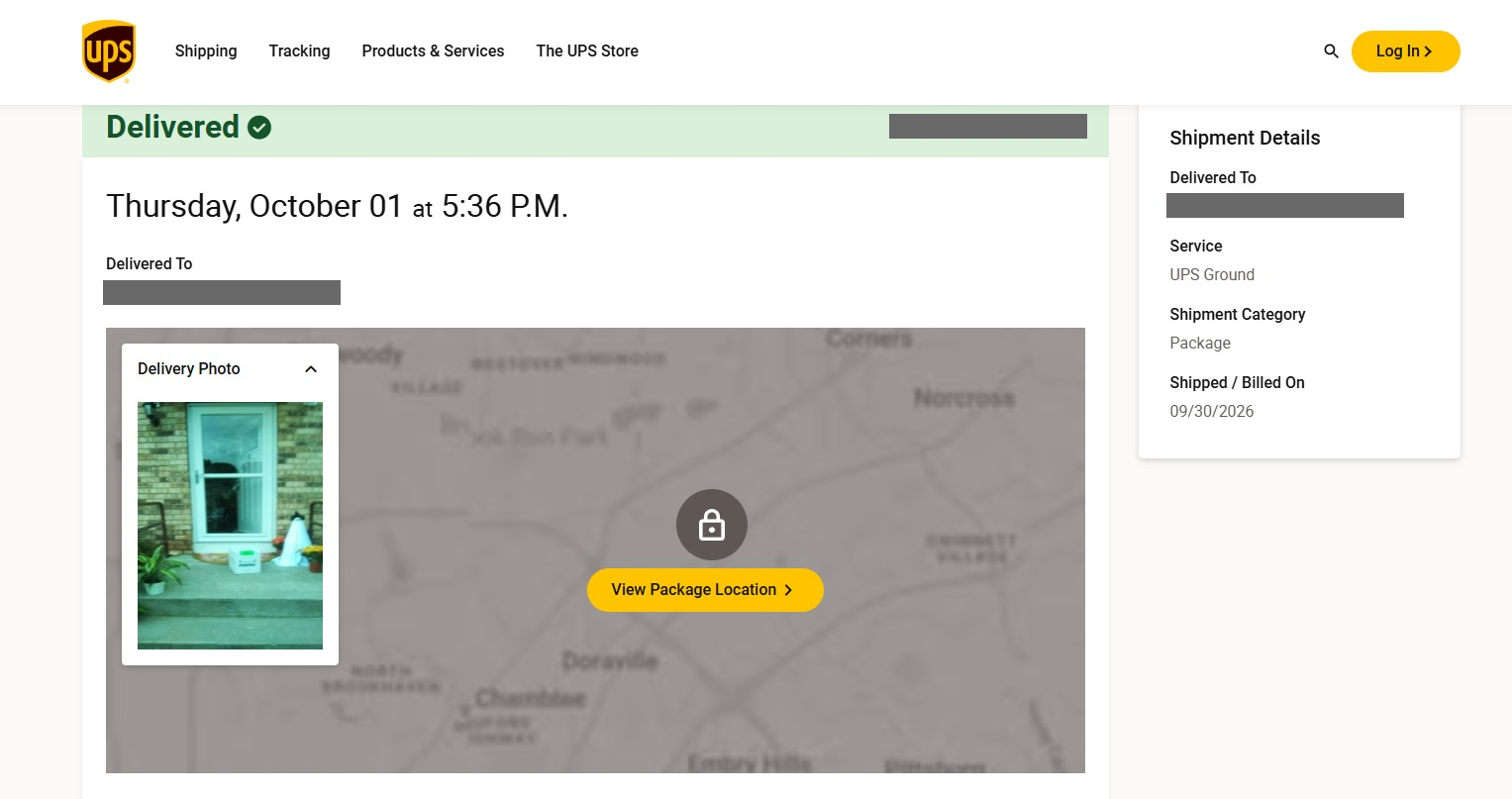
Destination state
Recipient details withheld
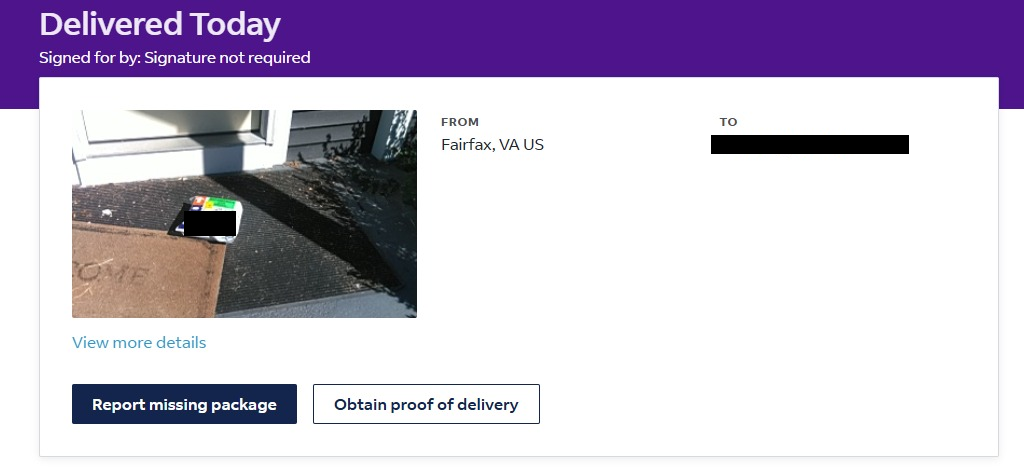
Destination state
Recipient details withheld
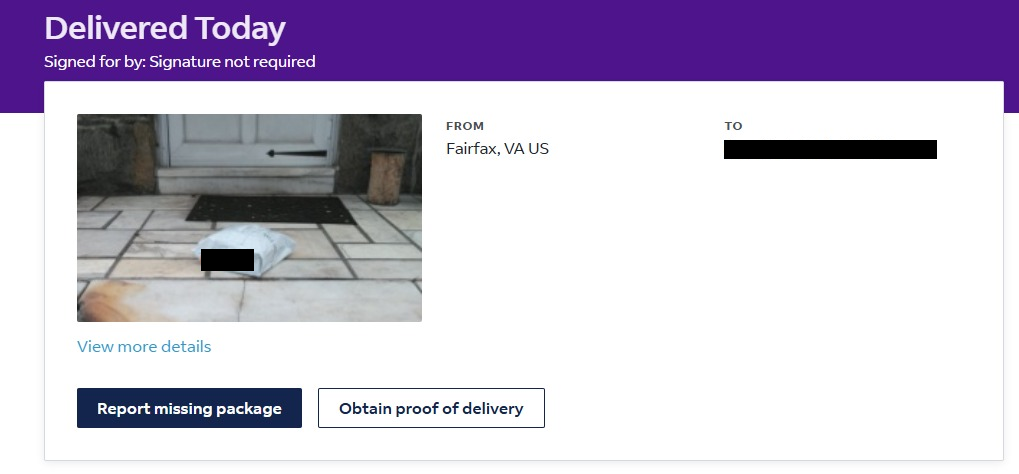
Destination state
Recipient details withheld
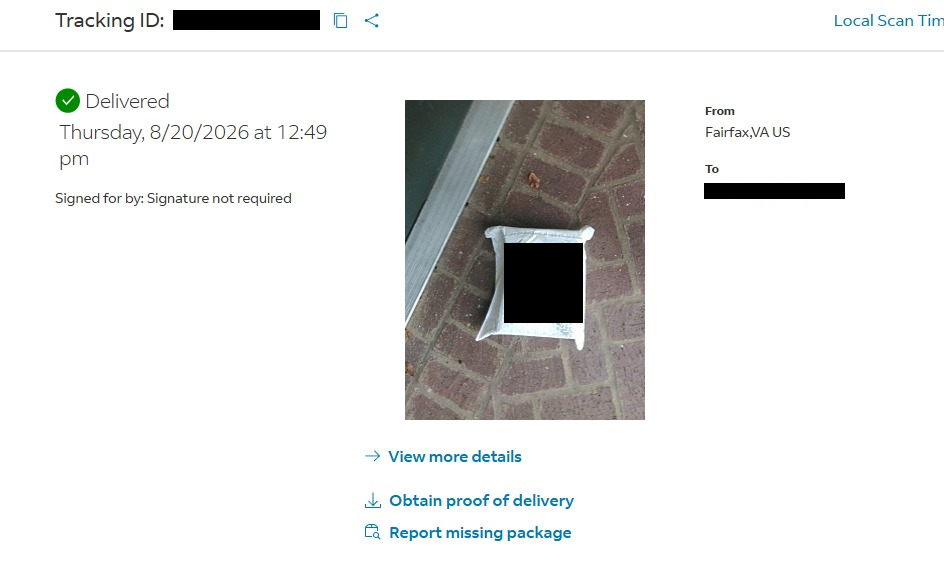
Destination state
Recipient details withheld