
Dr. Andrew Morel, MD
Lead Diabetes Care
Fast breakfasts with protein, fiber, and practical ingredients to support steadier morning energy and glucose.
 Diana Gariglio Clelland, RD, CDCESRegistered Dietitian and Certified Diabetes Care & Education Specialist.
Published: April 30, 2026
Last updated: July 13, 2026
Author: Doko MD Education Team
Clinical review: Diana Gariglio Clelland, RD, CDCES
Breakfast is one of the most common trouble spots for people with type 2 diabetes, prediabetes, and insulin resistance. Many people want something quick that still tastes good, but they also want to avoid the high-sugar breakfast patterns that can leave them hungry and tired later.
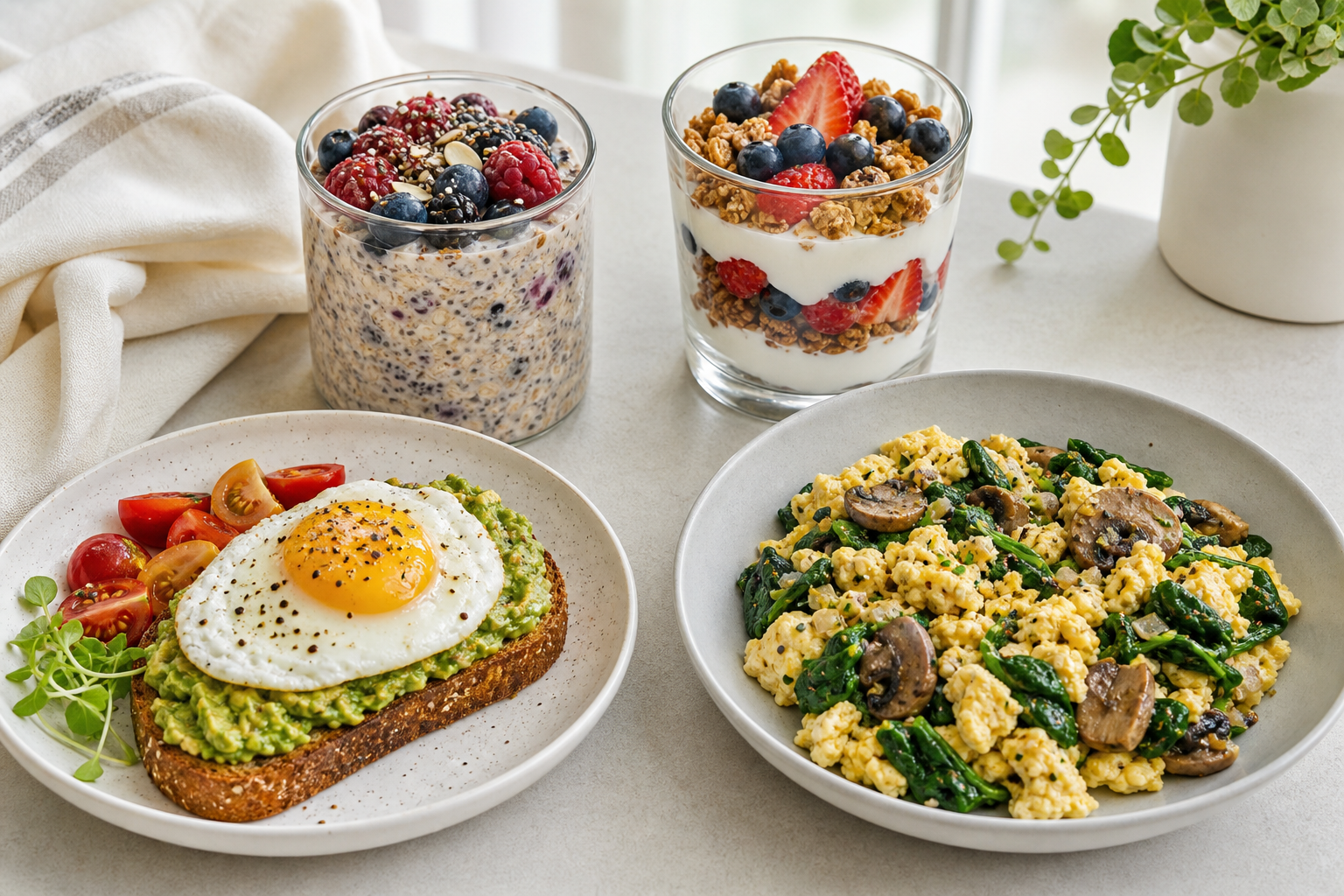
This 7-day breakfast plan focuses on simple recipes that are lower in refined carbs, higher in protein and fiber, and realistic for busy mornings. Most take about 5 to 10 minutes, and some can be prepped the night before.
What makes these breakfasts more diabetes-friendly? Each idea is built around a practical mix of protein, fiber, and more moderate carbohydrate portions, which can help create a steadier morning pattern than a breakfast based mainly on refined starch or added sugar.
About the nutrition estimates: Values are approximate per serving and vary by brands, produce size, milk, protein powder, oil, and optional additions. Net carbs are estimated as total carbohydrate minus dietary fiber.
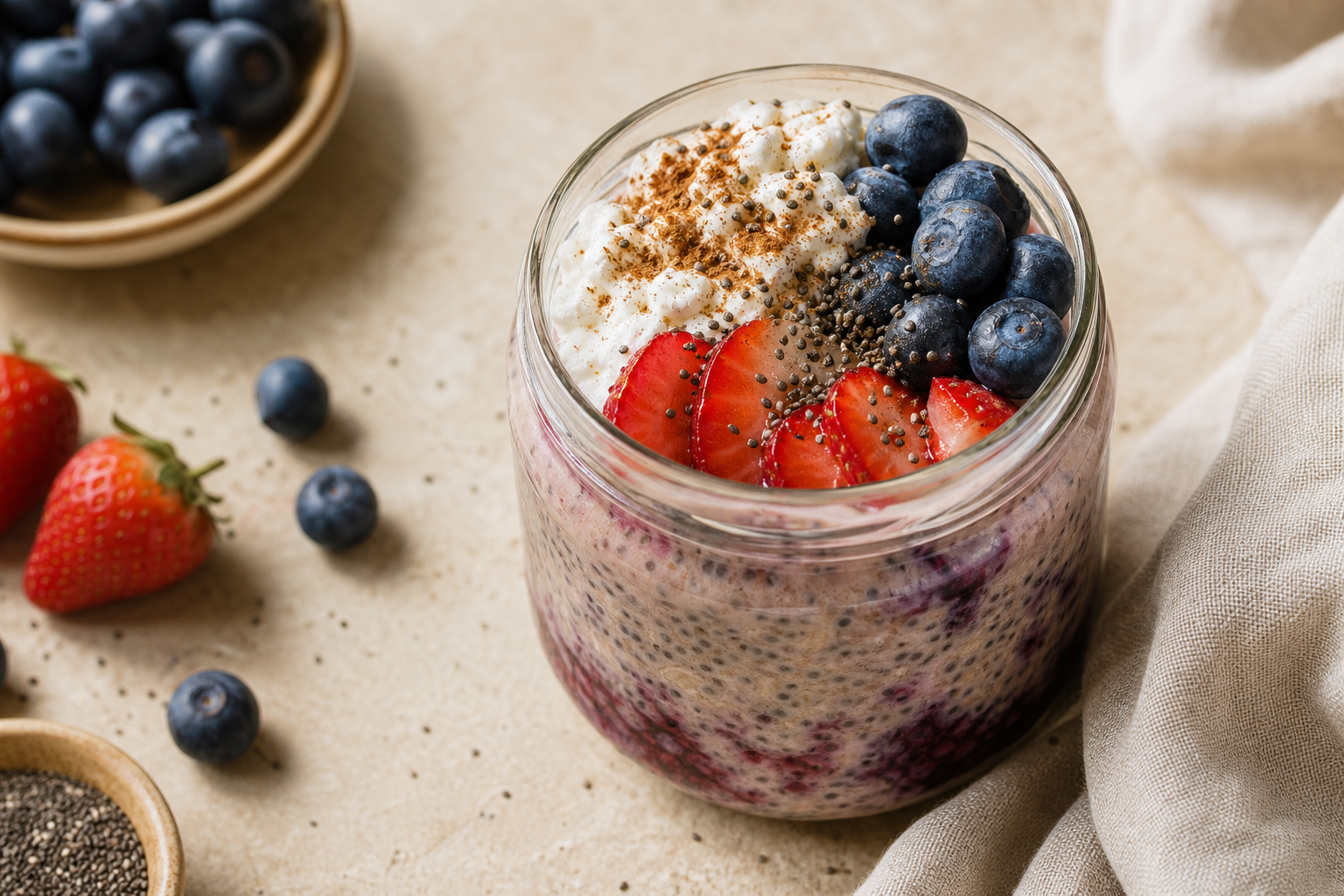
Estimated nutrition per serving
Short description: Creamy, make-ahead oats that feel like dessert while still supporting a more balanced start to the day.
Ingredients
Quick preparation steps
Tip: If you do not like cottage cheese, use plain Greek yogurt or unsweetened protein powder instead.
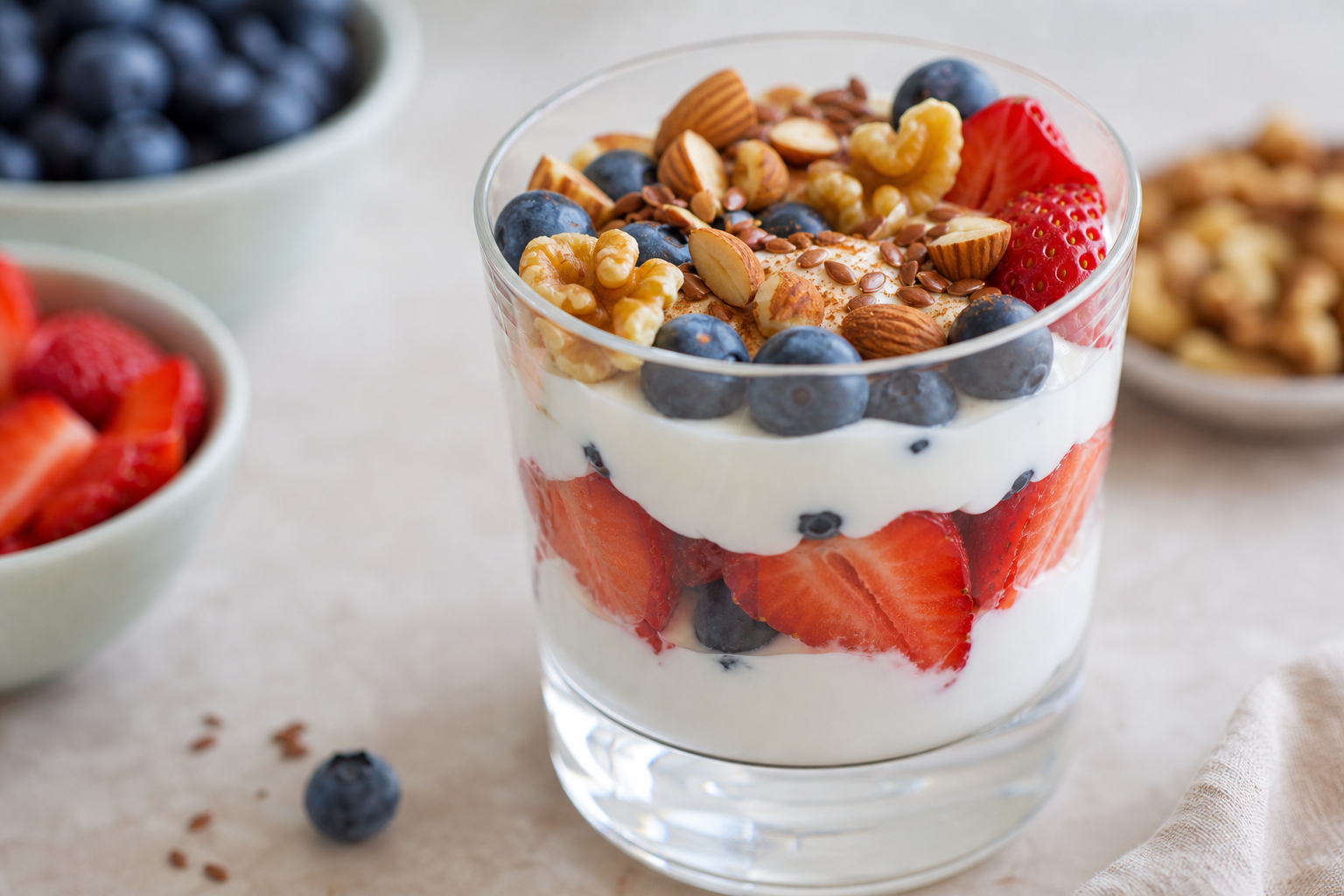
Estimated nutrition per serving
Short description: A simple no-cook breakfast that feels polished but takes only a few minutes.
Ingredients
Quick preparation steps
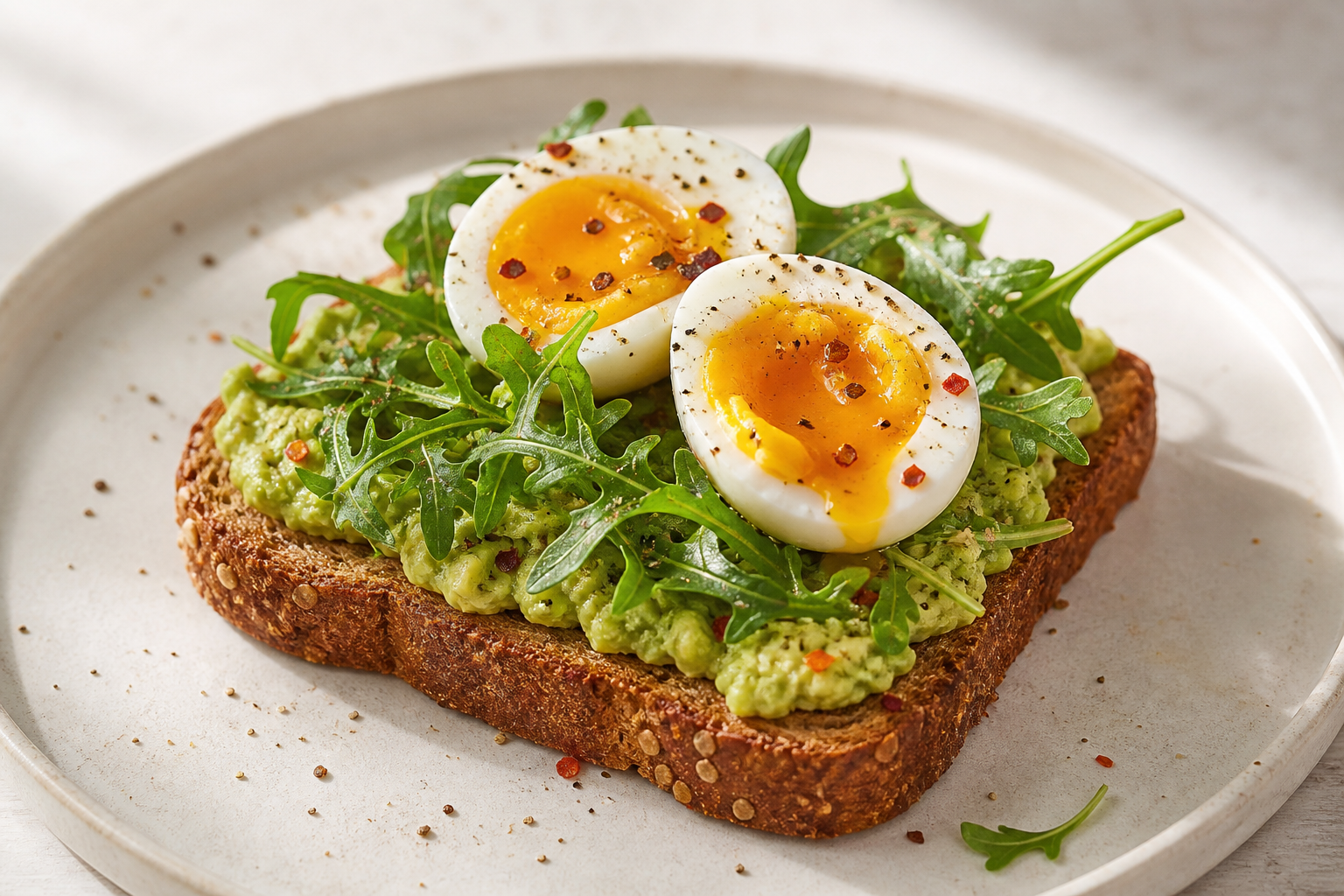
Estimated nutrition per serving
Short description: A familiar favorite rebuilt to be more diabetes-friendly.
Ingredients
Quick preparation steps
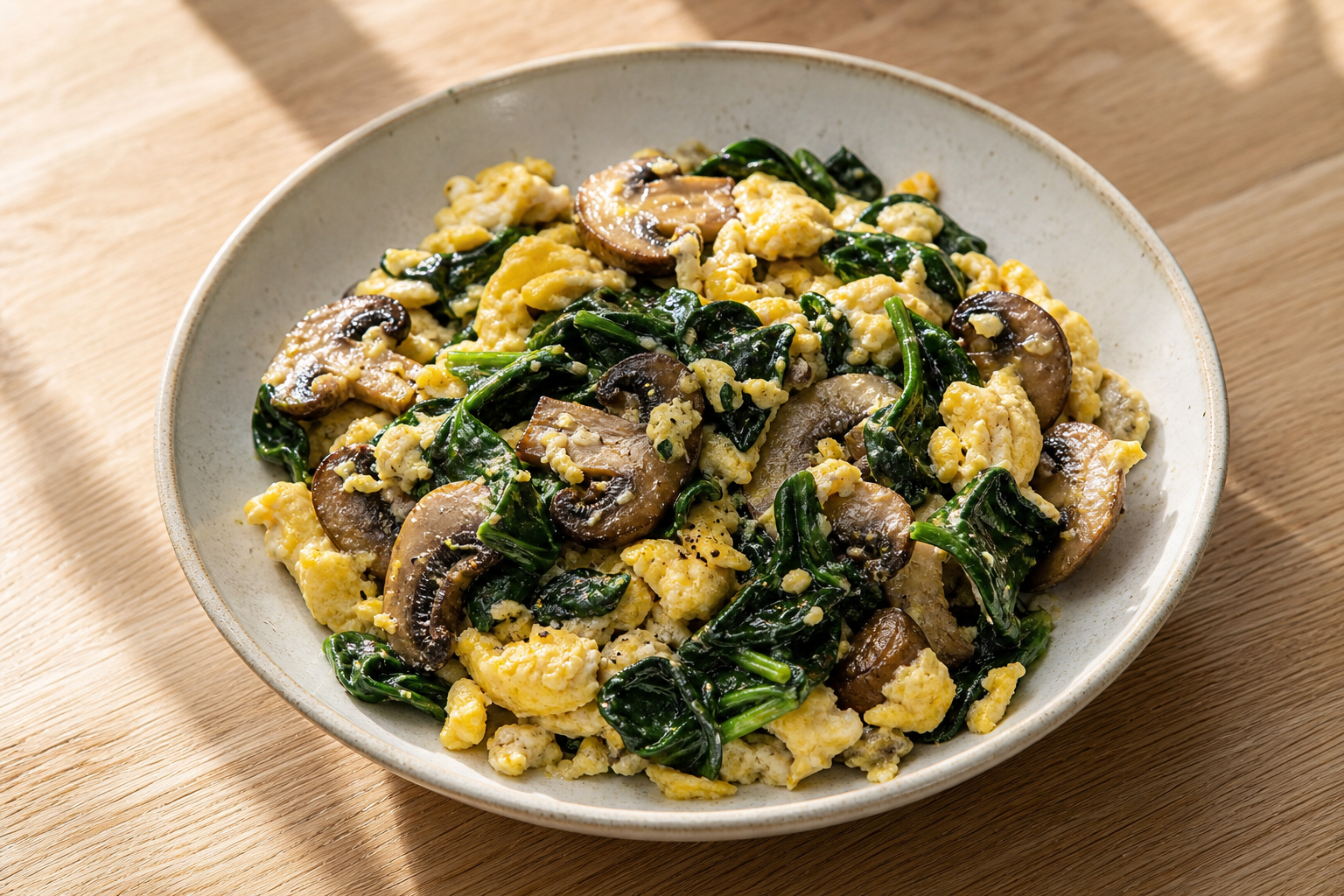
Estimated nutrition per serving
Short description: A savory, vegetable-packed breakfast that is fast enough for weekdays.
Ingredients
Quick preparation steps
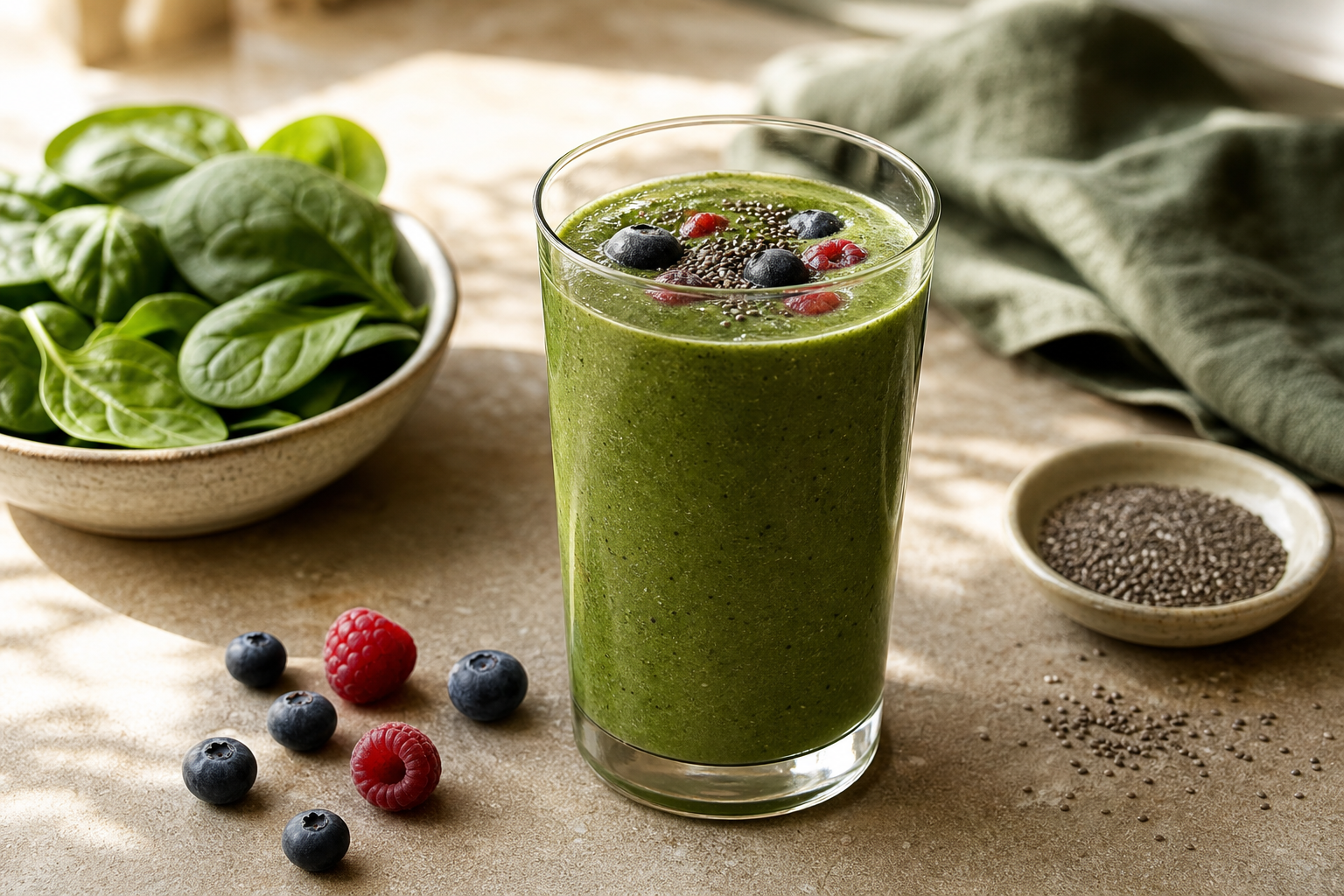
Estimated nutrition per serving
Short description: A grab-and-go breakfast for mornings when sitting down is not realistic.
Ingredients
Quick preparation steps

Estimated nutrition per serving
Short description: A creamy, high-protein bowl that feels more like brunch than a quick weekday breakfast.
Ingredients
Quick preparation steps

Estimated nutrition per serving
Short description: A hearty weekend breakfast that feels indulgent while staying balanced.
Ingredients
Quick preparation steps
Final thoughts from your dietitian: A diabetes-friendly breakfast does not need to be complicated. Start with two or three of these options this week, track how you feel, and pay attention to your morning glucose pattern. The best breakfast plan is one you can repeat consistently.
Build a full-day plan: Pair these breakfasts with the 7-day lunch guide, the 7-day dinner guide, or the full 21-day diabetic-friendly meal plan for a broader weekly routine.
Morning glucose can be affected by medication, sleep, stress, illness, activity, and the dawn phenomenon—not only breakfast. Ask for personalized help if readings remain outside your target range or you have repeated lows.
Practical answers for building a balanced morning meal.
A practical breakfast usually combines protein, fiber, healthy fat, and an individualized portion of carbohydrate rather than relying on juice, pastries, sweet cereal, or refined bread alone.
Often yes. Keep the portion reasonable, choose minimally processed oats, and pair them with protein or healthy fat such as Greek yogurt, cottage cheese, nuts, or seeds.
Not always. Some people prefer a later first meal, while others benefit from a consistent breakfast because of hunger or medication timing. Use your glucose patterns and care plan as a guide.
Sugary drinks, pastries, sweetened cereal, flavored yogurt, and large portions of refined bread can raise glucose quickly, especially when eaten without protein or fiber.
Yes. Prepare overnight oats in advance, portion smoothie ingredients, wash produce, or cook an egg-and-vegetable mixture ahead and refrigerate it promptly.
Needs vary with body size, activity, age, kidney function, and goals. Many balanced breakfasts contain roughly 20–30 grams, but a clinician or dietitian can individualize your target.
They can be. Emphasize protein, fiber, whole fruit or vegetables, and unsweetened liquid. Avoid building the smoothie mainly from juice, sweetened milk, or large amounts of fruit.
Seek individualized guidance for repeated highs or lows, medication questions, kidney disease, pregnancy, or a major change to your eating pattern.
Always consult your diabetes care team before making significant changes to your meal plan.
Connect online with experienced clinicians providing diabetes care, urgent care, weight loss support, and ongoing virtual healthcare.
Lead Diabetes Care

Primary Care Support

Metabolic Health

Preventive Care

Urgent Visit Care

Board-Certified Family Nurse Practitioner
See some of the completed delivery confirmations shared by Doko Medical.
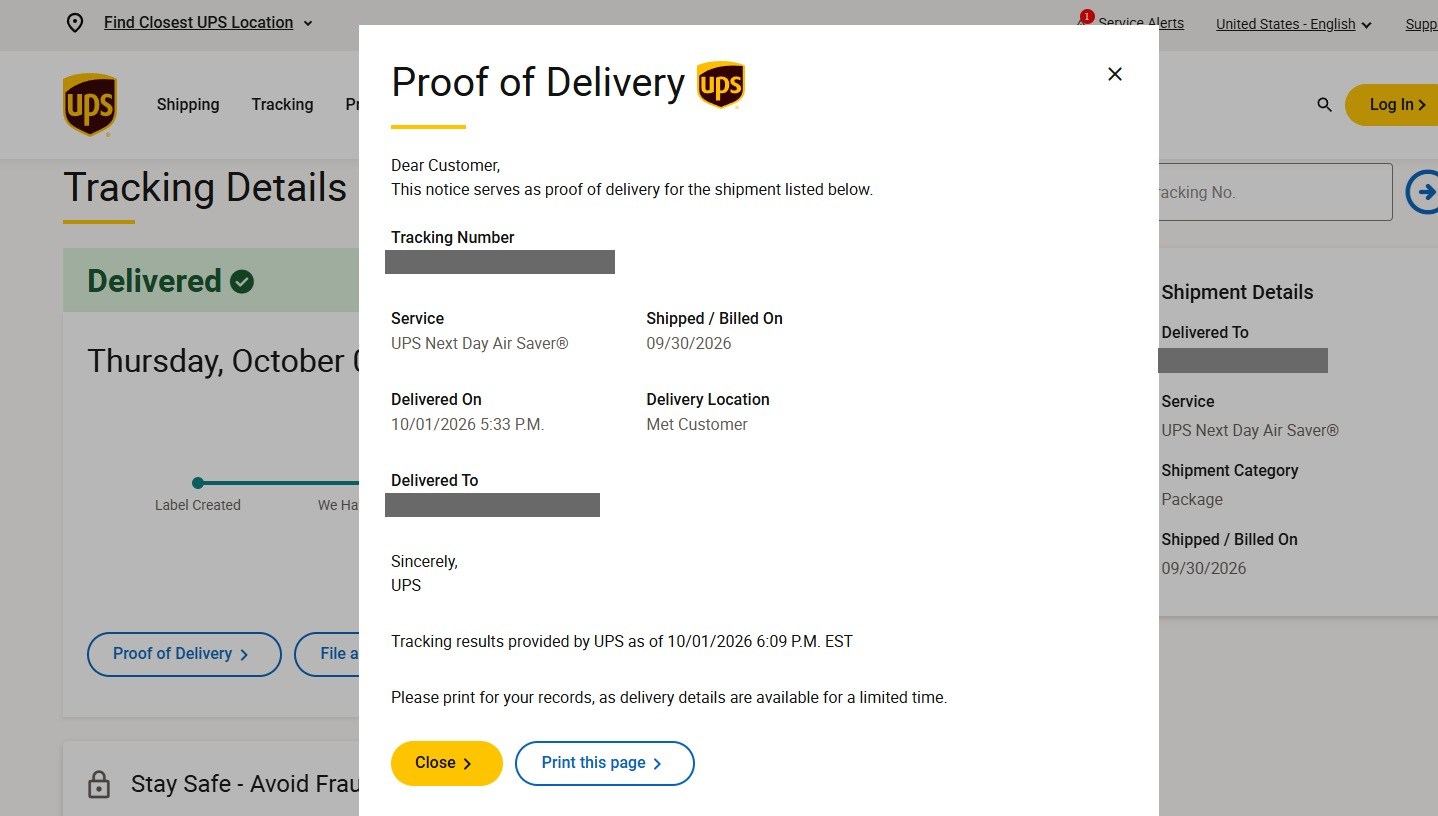
Destination state
Recipient details withheld
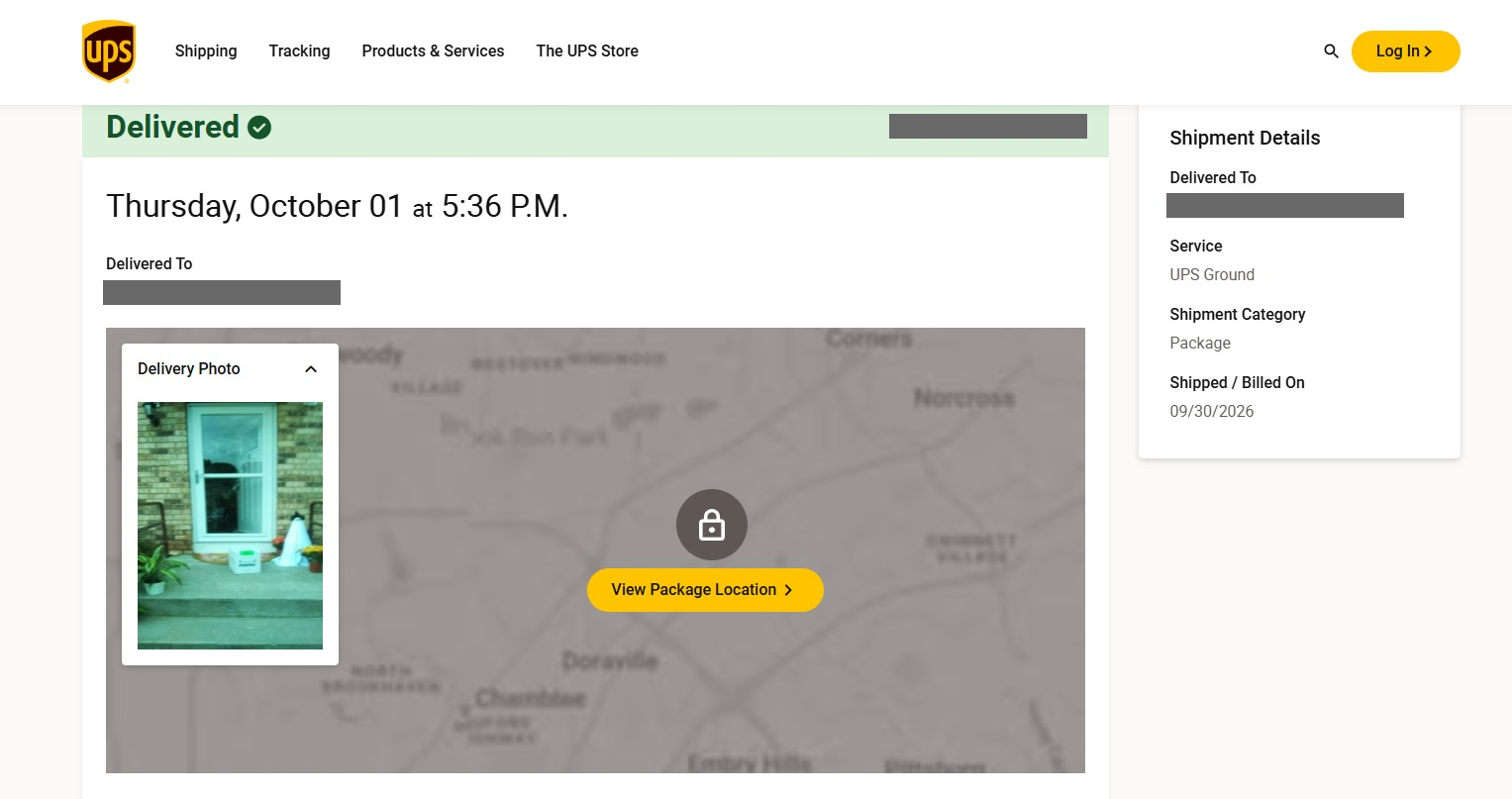
Destination state
Recipient details withheld
Destination state
Recipient details withheld
Destination state
Recipient details withheld
Destination state
Recipient details withheld