Published: April 8, 2026
Last updated: April 8, 2026
Author: Doko MD Education Team
Clinical review: Doko MD Clinical Review Team
Blood sugar control means keeping glucose from running too high, dropping too low, or swinging more than necessary throughout the day. Most patients do not need more random advice. They need a practical way to see what is driving the highs, when lows are happening, and whether food, medication timing, sleep, stress, or daily routine is pushing glucose out of range.
What Usually Improves Blood Sugar Control
The biggest improvements usually come from a few repeatable changes done consistently. That can mean more predictable meals, reviewing fasting and post-meal trends, checking whether medications still fit the pattern, and using CGM or meter data to understand where glucose is drifting off target.
- Track when highs or lows happen instead of reacting to isolated readings.
- Build more consistent meal timing and portion patterns.
- Review whether missed doses, late meals, illness, poor sleep, or stress are affecting readings.
- Use activity in a repeatable way rather than only after a high number appears.
- Ask for treatment review when current routines are not producing steadier glucose.
Why One Good Reading Is Not Enough
Blood sugar control is about patterns over days and weeks. A normal reading after one better meal does not mean the overall pattern is fixed. The important question is whether fasting readings, after-meal spikes, overnight trends, and symptom patterns are actually becoming more stable over time.
Where Patients Commonly Get Stuck
Some patients focus only on fasting numbers when the main issue is after meals. Others tighten food choices for a few days but never identify whether medication timing or dose fit is part of the problem. Another common issue is treating every high reading like an emergency instead of stepping back to see what keeps repeating. Better control comes faster when the same pattern is identified and addressed directly.
How CGM or Meter Data Makes Control Easier
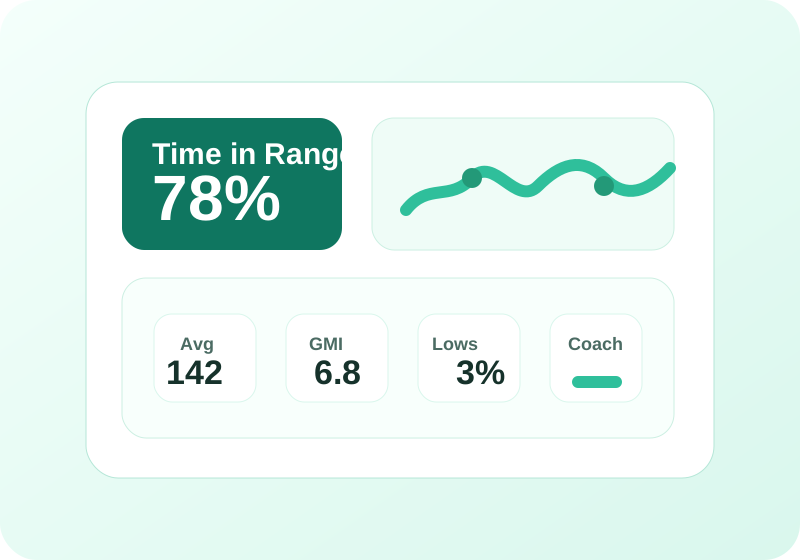
Glucose data turns vague advice into something measurable. Instead of guessing whether breakfast, dinner, or overnight periods are causing the problem, patients can see where the pattern is actually showing up. That makes follow-up visits more useful and helps match treatment changes to real-life readings.
When Blood Sugar Control Needs Medical Review
Extra review becomes more important when glucose stays high despite effort, lows happen repeatedly, symptoms are worsening, or the current plan feels too hard to maintain. That usually means the issue is bigger than food choices alone and the treatment plan should be reassessed.
Frequently Asked Questions
The fastest improvement usually comes from identifying the repeated pattern behind the highs or lows, then adjusting meals, timing, activity, or treatment around that pattern.
Not exactly. Better daily blood sugar control often helps lower A1C, but A1C reflects a longer average while day-to-day control focuses on current trends and stability.
Help is worth seeking when readings stay out of range often, symptoms keep showing up, or the current routine is no longer producing predictable numbers.
Related Pages
Medical Reference Points
- American Diabetes Association Standards of Care emphasize ongoing glucose monitoring, individualized targets, and treatment reassessment when control is not meeting goals.
- CDC diabetes education materials support steady routines, medication adherence, and long-term self-management habits for better glucose control.